Israel in the Bible: History, Meaning, and Significance
The biblical story of Israel unfolds as a riveting arc of a people, a land, and a divine calling. From ancestral beginnings through exodus and land settlement, from a united monarchy to divided kingdoms, and from exile to a continuing influence on faith and culture, the word Israel wears multiple faces in Scripture. It can refer to a person (the patriarch Jacob, who is renamed Israel), to a family lineage (the house of Jacob or the children of Israel), to a political nation (the Israelites as a people in the land), and to a sacred idea (the Promised Land as theologically loaded geography). This article surveys the historical thread, the semantic breadth, and the enduring significance of Israel in the Bible, highlighting the threads that theology, history, and literature weave together.
Historical Overview: From Patriarchs to Exile
Patriarchal Roots and the Name Israel
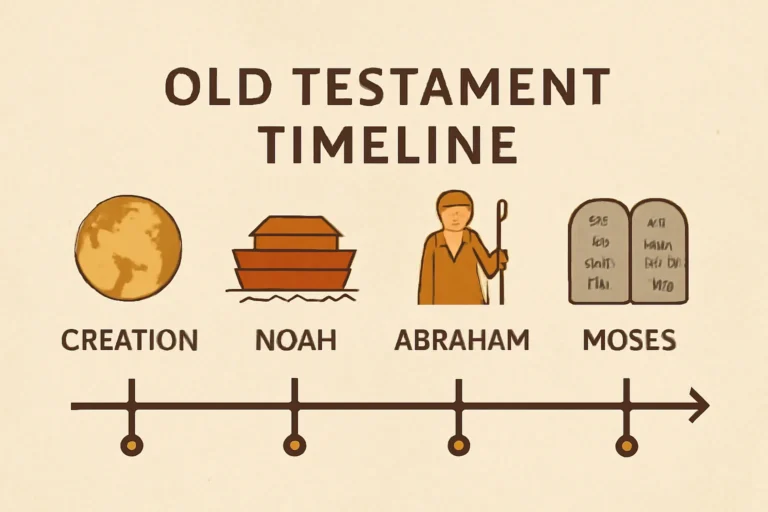
The biblical narrative begins with a family called by God to bless all nations. In the book of Genesis the patriarch Abraham receives a covenant promising descendants as numerous as the stars, a land for his offspring, and a blessing to all nations. That promise continues through his son Isaac and his grandson Jacob. After wrestling with a divine figure, Jacob is renamed Israel, and his twelve sons become the progenitors of the twelve tribes of Israel. In this way, the name Israel first crystallizes as a personal designation that grows into a national identity. The phrase “the house of Jacob” or “the children of Israel” recurs as a faithful way of speaking about the family that will become a people.
Egypt, Exodus, and Sinai Covenant
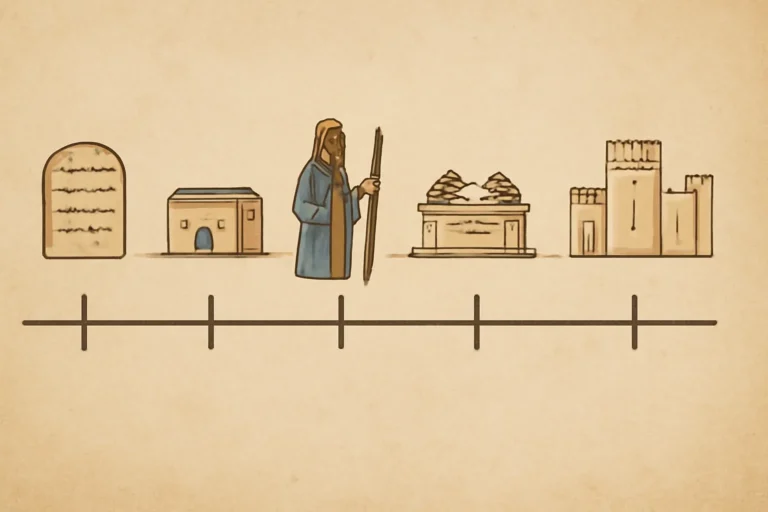
From a family lineage the storyline pivots to a people enslaved in Egypt. Deliverance comes through Moses, and the event is remembered as the Exodus. The law given at Mount Sinai—the Mosaic Law—binds the people to God with stipulations, rituals, and moral codes. The Exodus narrative frames Israel not only as a geographic entity but as a covenant community, called to obedience and worship in covenantal relation to the God who rescued them. The phrase “the Law” or “the Torah” is central to the identity of the Israelites, shaping their worship, civil life, and conceptions of holiness.
Conquest, Settlement, and Judges
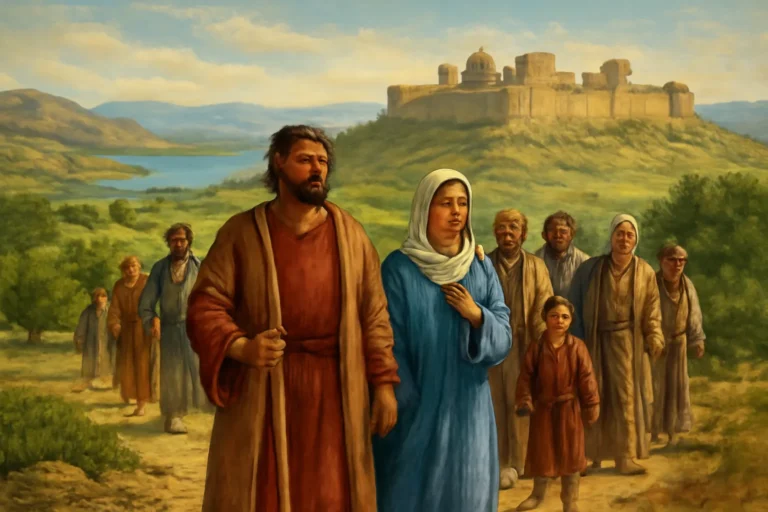
After Sinai, the people move toward the land promised to the patriarchs. Under Joshua, the conquest and settlement in Canaan occur, and the land becomes the stage for a morally charged history. Tribal allotments specify how the Israelites live in the land, but the period is marked by cycles of fidelity and apostasy, with judges rising to shepherd the people in times of danger and crisis. The phrase “land” becomes not only a geographic category but a theological stage: obedience to the covenant correlates with prosperity in the land; infidelity triggers danger, oppression, and upheaval within the land of promise.
United Monarchy and the Divided Realm
Scholars often describe a peak era when the nation unites under Saul, David, and Solomon. The united monarchy centers on expanding national identity, military power, and religious life centered in Jerusalem. The Temple becomes the symbolic and literal centerpiece of worship, the place where heaven and earth meet. After Solomon’s reign, the kingdom splits into two: Israel in the north and Judah in the south. The dramatic division intensifies the sense that the land is a stage for divine testing—the people’s fidelity or failure to live in accordance with the covenant. The term Israel can refer to the northern kingdom during this period as well as to the broader historical memory of a people in the land.
The destruction of the Temple and the Babylonian exile mark another turning point. The phrase “the land” becomes a memory and a hope more than a settled possession for a time. Return under priests and leaders such as Zerubbabel, and reform movements under Ezra and Nehemiah redraw religious and civic life around the Torah and the rebuilt Temple. Even in exile, the idea of Israel persists: the people remain the people of God, shaped by covenant faithfulness, longing for a return to the land, and renewed faith in divine promises. The later formation of a sustained diaspora identity keeps the Israelites connected to a shared narrative that binds past and future, land and temple, memory and mission.
The Name, Meaning, and Theological Language
The Etymology and Theological Weight
The name Israel in Hebrew is Yisra’el, which in its etymology is often read as “one who wrestles with God” or “God prevails.” The biblical witness links this name not only to a person but to a people formed by a sacred encounter. As a theological statement, the name embodies a paradox: a people marked by struggle yet sustained by divine purpose. In the pages of the Bible, Israel is the name that carries both mission and accountability, a reminder that the story of a nation is tied to fidelity to the God who called it into being.
Variations That Enrich Meaning
The Bible uses many expressions to refer to the same community, each with nuance. These variations include:
The Israelites or the children of Israel, emphasizing lineage and collective memory.
The house of Jacob or the family of Jacob, highlighting the patriarchal origin of the people.
Israel as a political nation or geographic entity in the land, especially in the narratives of the monarchic era.
Judah (in the southern kingdom) sometimes stands for the people as a political unit, but it also becomes a name in prophetic literature for broader Messianic expectation.
Terms like Zion and Jerusalem, representing sacred spaces tied to divine presence and covenant faithfulness.
The Land and Its Meaning in Scripture
Geography as Theology
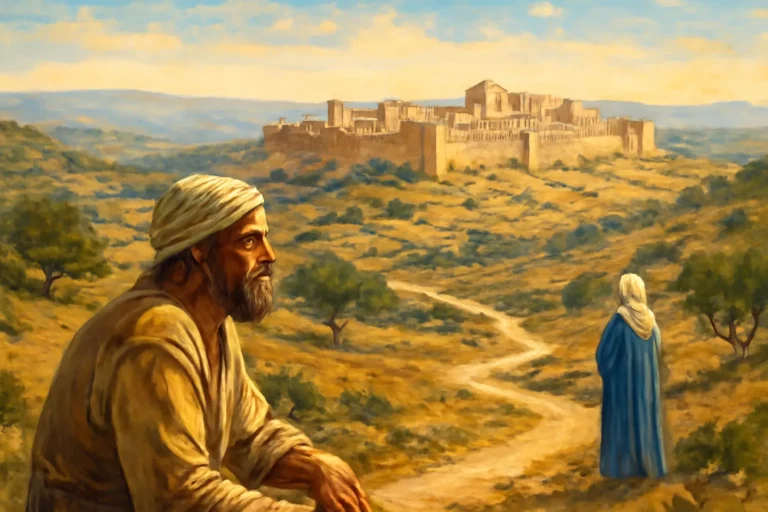
The land called Canaan in earlier books becomes the Promised Land in later narratives. Geography is not a neutral backdrop; it is a theological argument about where blessing, obedience, and the presence of God are to be found. The Jordan River, the hills of Jerusalem, and the valleys of Judah are more than landscapes; they are stages of encounter with the divine. The land is promised to the ancestors, conditioned by obedience, and shaped by the people’s fidelity to the covenant. When the people of Israel dwell in the land in obedience, they enjoy security, fertility, and peace; when they drift into idolatry or injustice, they invite disruption and exile.
Temple, City, and Sacred Space
Central to the biblical concept of land is the sacred space of Jerusalem and the temple. The Temple is the national sanctuary, the place where sacrifices, prayers, and rites unify the community’s worship. The concept of Zion often functions as a poetic or prophetic symbol of the dwelling place of God with his people. The land, the city, and the temple together express a coherent theology: God’s presence is tied to a place, a people, and a covenant relationship that presses the question of loyalty and justice in every era.
Key Periods and Literary Surges in the Biblical Narrative
From Patriarchal Narratives to Law and Covenant
The early books establish the dual themes of promise and obligation. The narrative emphasizes that the land is a gift and a responsibility. The people are called to live in fidelity, to worship the one God, and to reflect his justice in daily life. Ethical demands—care for the vulnerable, honesty in commerce, fidelity to contracts—are not secondary add-ons but integral to the life of the Israelite nation.
With the monarchy, the faith community seeks a centralized center for worship and governance. The Temple in Jerusalem anchors religious life, while the Davidic covenant frames political hope with a royal line that will rule in continuity with divine purposes. In prophetic literature, national success or failure becomes a moral barometer: obedience or disobedience to the covenant determines whether the land remains a place of blessing or a stage for judgment.
Prophetic Voices: Warnings and Witness
Prophets speak not merely of doom but of restoration. They critique ritual formalism that lacks justice, call for mercy, and articulate a future hope that transcends political borders. The prophetic imagination often centers on the land as a place where God’s reign will be manifested in righteousness, peace, and universal blessing. The imagery of restoration—return from exile, rebuilding of walls, and renewed temple worship—reframes Israel as a people whose identity is bound to a divine vocation rather than to mere territorial possession.
Exile, Return, and the Persistent Identity
Exile does not erase the people’s identity; rather, it intensifies it. The memory of the land of Canaan and the hope of return sustain religious communities. After the Persian period, the second temple era gives shape to a renewed sense of nationhood among the Israelites and lays the groundwork for later Jewish diasporic self-understanding. The narrative keeps the concept of the Promised Land alive as a theological horizon, and the people continue to differentiate between land as possession and land as calling, a calling to live in righteousness within a covenant relationship with God.
Religious Significance: Covenant, Law, and Worship
Covenants as Structural Pillars
Three major covenantal strands emerge in the biblical story of Israel: the Abrahamic Covenant (promises of land, descendants, and blessing), the Mosaic Covenant (the giving of the Law at Sinai and the structure for holy living), and the Davidic Covenant (a kingship oriented in continuity with divine purposes). These covenants shape the way the Israelites understand themselves, their relationship to the land, and their responsibility to neighbor and stranger. The interplay of promise and obedience—blessing for fidelity and correction for disobedience—becomes the recurring rhythm of biblical history.
Law, Holiness, and Ritual Life
The biblical concept of holiness arises from the sense that God’s presence permeates the people and the land. Rituals, sacrifices, and purity laws are means of sustaining communion with a holy God. The Torah embodies this life in the land, guiding ethical behavior, communal organization, and religious devotion. The land is central to these practices: agriculture, festival cycles, and sabbatical years anchor the people’s life in time and space while pointing toward a future God-human harmony that transcends the cycles of empire.
Temple Worship and Sacred Geography
The temple in Jerusalem stands not only as a building but as a theological claim: God has chosen to dwell in the midst of the people of Israel, and the city becomes the axis around which heaven and earth align. The razing and restoration of the temple stories reflect urgent questions about national identity, religious fidelity, and divine purpose. Even when the center shifts or disperses, the symbolic weight of the land and Jerusalem continues to shape Jewish and Christian thought about worship, ethics, and eschatology.
Prophecy, Eschatology, and the Future of the People
Messianic Expectation and the Land
Across prophetic books and later writings, the dream of restoration—to the land, to the temple, and to a just order—functions as a beacon for future hope. The concept of a promised future ruler from the line of David grows into broader religious imagination about a time when peace, righteousness, and universal blessing will be realized. Such expectations frequently connect the destiny of Israel with a universal invitation: all nations will come to acknowledge the God of the Land and the God of the people.
Two-Testament and Intertestamental Echoes
In later Christian and Jewish interpretive settings, the biblical idea of Israel acquires new layers of meaning. The biblical narrative informs Christian christology and ecclesiology, where Jesus is understood in relation to the promises made to Israel. In Jewish thought, the ongoing relationship to the biblical land, the people, and the covenant continues to be a shaping force for worship and identity, with the diaspora offering a different mode of practice and belonging. Across these readings, the Promised Land remains a persistent symbol for God’s fidelity, justice, and future fulfillment.
Interpretive Approaches: Reading Israel in Scripture
Historical-Critical and Literary Perspectives
Scholarly study often distinguishes between the historical experiences of the Israelites and the theological layers that Scripture wears. The history of conquest, exile, and return is read alongside literary devices—altars, covenants, songs, and prophecies—that animate the text’s meaning. Whether one emphasizes the literal geography of the land or the symbolic significance of place, the biblical witness presses readers to see how place and people are joined in covenantal vocation.
Theological and Ethical Readings
Many readers focus on how Israel in Scripture models faithfulness, justice, and mercy. The ethical demands in the law, the prophetic calls for righteousness, and the call to treat foreigners and the vulnerable with respect reveal a vision of society shaped by God’s presence. The land becomes a lens through which justice and mercy are to be enacted, rather than a mere political possession. In this sense, the biblical portrayal of the land of Israel invites readers to consider how sacred geography informs human ethics and communal life.
Significance for Faith Communities Today
Identity, Memory, and Hope
For contemporary Jewish communities, the memory of the land and Jerusalem remains a living thread in liturgy, practice, and national life. For Christian communities, the biblical narrative of Israel often serves as a foundational story about God’s purposes in history, the divine plan for salvation, and a call to faithful living grounded in covenant. Across traditions, the idea of a chosen people and a promised land continues to generate deep questions about identity, stewardship, and responsibility toward neighbor, stranger, and the vulnerable.
Ethical Implications
The biblical account invites readers to consider how a community lives in a land, how it treats others, and how it remains faithful to its commitments to God. The warnings against exploitation, idol worship, and injustice offer enduring lessons about governance, social welfare, and care for the marginalized. The story also calls for humility in power and for generosity toward those who are not part of the inner circle. In this way, the legacy of Israel in the Bible continues to challenge readers to cultivate a just and compassionate society grounded in divine wisdom.
Closing Reflections on Israel in Scripture
From the patriarchal origin of Israel as a name and a destiny to the complex history of lands, temples, and exiles, the biblical portrayal of this people and place layers meaning upon the words Israel, the Israelites, the land, and Jerusalem. The narrative shows how divine election is inseparable from moral responsibility, how a land can symbolize both blessing and testing, and how a people’s memory of covenant can sustain hope across generations. Whether one reads the text as history, theology, literature, or a living faith tradition, the story of Israel in the Bible remains a central witness to the interplay between God, land, and people, and to the enduring idea that sacred geography is inseparable from the calling to justice, mercy, and faithfulness.
In all its forms—as the Israelites, as the house of Jacob, as the nation of Israel, or as the emblem of a divine promise—Israel in the Bible continues to invite readers into a conversation about identity, vocation, and hope. The land, the people, and the covenants together tell a story that transcends time and culture, inviting each generation to reflect on what it means to live under the sovereignty of a God who remains faithful to promises even when history is turbulent.