Baptist Doctrine of Baptism: Beliefs and Practices
The Baptist doctrine of baptism centers on a distinctive set of beliefs about what baptism represents, who may be baptized, and how the act relates to the life of a local church. Across diverse Baptist communities, there is remarkable agreement on several core elements, even as other aspects reflect historical context, cultural practice, and theological interpretation. This article surveys the key convictions, the preferred method, and the typical practices surrounding believer’s baptism, the ordinance designation, and the ongoing implications for church life and mission.
At its heart, the Baptist understanding of baptism is inseparable from the doctrine of personal faith in Christ and the belief that baptism is an outward sign of an inward conversion. In Baptist teaching, baptism does not confer grace in itself as a sacrament; rather, it is a meaningful, visible declaration of a prior choice to trust in Jesus Christ. This perspective undergirds the emphasis on baptism as a believer’s confession rather than a rite administered to infants or to those who have not professed faith.
Historical Baptist theology often stresses that baptism is a response to the gospel and a voluntary act that expresses allegiance to Christ and identification with the church. Because of this, Baptist churches typically tie baptism to the moment of personal faith, rather than to cultural status, parental baptism, or ceremonial duty. The result is a robust link between conversion, discipleship, and the public profession of faith that baptism communicates.
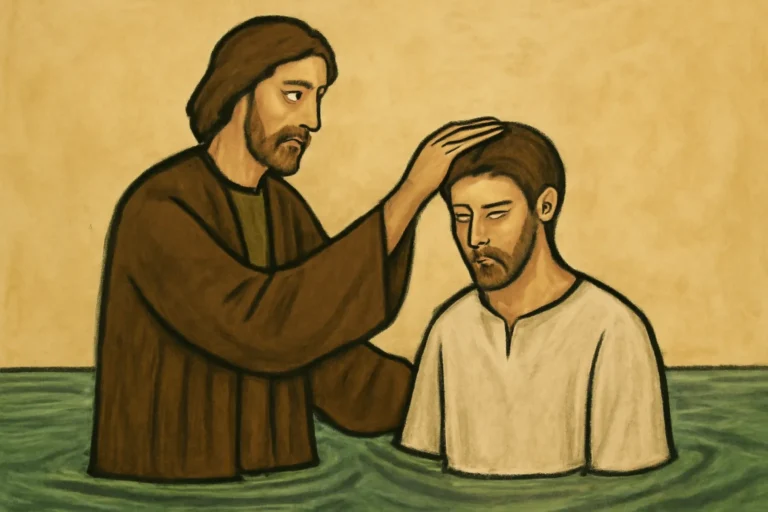
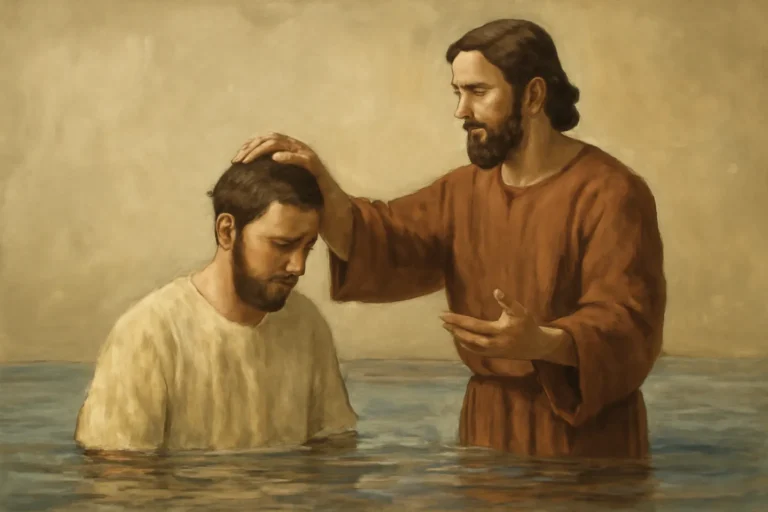
A defining characteristic of the Baptist doctrine of baptism is the mode of baptism. The vast majority of Baptist groups emphasize immersive baptism—that is, the act of being fully submerged in water. This practice is frequently described as the most faithful representation of the believer’s identification with the death, burial, and resurrection of Christ. When a person emerges from the water, it is understood as a living symbol of new life in Christ.
While immersion is considered normative, some Baptist congregations have historically allowed variations in practice for practical reasons (for example, when a pool or river is unavailable). Nevertheless, the underlying conviction remains: immersion most clearly communicates the symbolism of the gospel and aligns with the earliest Christian practice described in associations with believers’ baptism.
Scriptural Rationale and Theological Implications
Believers’ baptism by immersion is often grounded in New Testament passages that describe baptism as a response to the gospel and as an act following personal faith (for example, narratives of those who believed and were baptized).
Some scholars reference baptismal motifs tied to death to the old self and resurrection to new life—imagery that aligns with the visual impact of immersion and emergence.
In theological terms, immersion is linked to the concept that baptism is a symbolic representation rather than a mechanism for salvation.
Who May Be Baptized? The Subject of Believer’s Baptism
A cornerstone of Baptist baptism doctrine is that baptism is reserved for persons who have made a credible profession of faith in Jesus Christ and have demonstrated repentance and trust. This makes baptism a credobaptism—a baptism of believers only. The norm is sometimes described as adult baptism, even though young people who have a clear conversion experience are also baptized upon confession.
The question of infant baptism is treated differently across broader Protestant circles. Within most Baptist churches, infant baptism is not practiced as a regular church ordinance because infants cannot make a personal, informed confession of faith. This is a departure from traditions that practice infant baptism as a means of grace or as a covenantal sign. In Baptist life, the emphasis remains on the necessity of a personal decision to follow Christ before baptism.
The typical requirements emphasize:
Personal faith in Christ as Lord and Savior
Evidence of repentance and a genuine conversion experience
Desire to join and participate in the life of a local church
Willingness to be baptized by immersion as an outward sign of inward faith
Some Baptist traditions articulate an age of accountability or maturity standard, though precise thresholds vary. The practical effect is to ensure that candidates understand the gospel and the meaning of baptism, so the act can serve as public testimony and a step in discipleship, not a mere formality.
Significance: Public Profession of Faith and Symbolic Meaning
Baptists understand baptism as a public profession of faith, publicly identifying with Christ, the gospel, and the fellowship of the local church. It is not a private ritual; it is a communal act that invites scrutiny and affirmation from the faith community. The symbolism is rich:
The death to sin represented by dying with Christ in the water
The burial and resurrection represented by descending and rising from the water
One’s new identity in Christ and entry into a life of discipleship and service
The symbolic act of baptism resonates with the New Testament imagery and with the Baptist conviction that the church is a community of witnesses who testify to the gospel’s transforming power. Because baptism is symbolic rather than efficacious in itself, the act points beyond the ritual to the reality of faith in Christ and obedience to his commands.
Relationship to Salvation: Faith First, Baptism After
A central doctrinal point in Baptist teaching is that baptism does not save the person who undergoes it. Salvation is by God’s grace received through faith in Jesus Christ. Baptism is an important step of obedience that follows genuine faith. The order is typically stated as:
Hearing the gospel and understanding its call
Repenting of sin and placing trust in Christ
Being baptized by immersion as a visible sign of faith
Joining a local church and entering a life of discipleship
This sequence underlines the Baptist conviction that baptism is an ordinance, not a means of grace. Grace is received through faith, while baptism serves as a visible response—an essential, symbolic public declaration of that faith and a step into the covenant life of the church.
Church Governance, Baptism, and Membership
In Baptist practice, baptism is closely tied to church membership and the life of the local congregation. The typical pattern is that a person who has professed faith is baptized and then welcomed into the church body as a full member. This connection emphasizes accountability, mutual edification, and shared responsibility in fulfilling the church’s mission.
The arrangement often includes:
Local church autonomy in teaching and practice, which leads to some variation in how baptism is organized, administered, and integrated into membership rituals
Church discipline and pastoral care that follow baptism, reinforcing the individual’s public commitment to live under Christ’s lordship
Clear discipleship pathways that frame baptism as the beginning of a lifelong journey of following Jesus
Liturgical Form and Practice Within the Congregation
Within many Baptist churches, the act of baptism is an occasion for the community to celebrate, affirm, and commit to ongoing support of the baptized person. The service often features a brief testimony, the immersion rite, and then a proclamation of the gospel to the onlookers. Some congregations include baptismal vows or a short statement of faith recited by the candidates, while others emphasize pastoral guidance and a short exhortation from the church leadership.
Historical Development and Diversity Within Baptists
The Baptist movement emerged from streams of Reformed and Separatist traditions and matured through the efforts of men and women who emphasized the autonomy of the church and the necessity of a personal conversion experience. From the sixteenth century onward, Baptist groups developed distinct views on baptism that center on credobaptism, believer’s baptism, and the doctrine that baptism should follow faith, rather than precede it.
Over the centuries, different Baptist traditions have developed nuanced differences in practice and emphasis. The classification below highlights some common variants:
General Baptists historically emphasized general atonement and often maintained broader degrees of openness in baptismal practice, though not all groups diverge from believer’s baptism.
Particular Baptists emphasized a doctrinal emphasis on particular, or definite, atonement and often held to strong covenantal and soteriological clarity within their baptismal teaching.
Independent Baptists emphasize local church autonomy, with decisions about baptism and membership made within each congregation without denominational oversight.
Southern Baptists (a regional family within the broader Baptist tradition) affirm believer’s baptism by immersion and uphold congregational governance, along with a robust emphasis on evangelism and missions.
Non-denominational Baptists often reflect contemporary worship contexts and emphasize personal conversion narratives, doctrinal fidelity to Scripture, and a straightforward practice of baptism by immersion.
Across these streams, the core identity remains: believer’s baptism by immersion as the ordination of a credible profession of faith, followed by incorporation into a local church. This unity amidst diversity is a hallmark of the Baptist tradition in relation to baptism.
Baptism as an Ordinance: Theological and Practical Implications
In Baptist theology, baptism is typically called an ordinance rather than a sacrament. The distinction hinges on the profession that baptism is commanded by Christ and is an outward sign of inward faith, but salvation itself comes through faith in the gospel, apart from baptism. The practice serves as a sign and symbol that confirms the believer’s testimony and invites the church to bear witness to the transformative power of Christ.
The practical implications include:
Non-sacramental status: baptism does not convey grace ex opere operato; it does not itself regenerate or grant forgiveness
Teaching opportunity for discipleship: baptism often aligns with catechetical or mentoring steps in a church’s discipleship pathway
Public accountability: the local church bears witness to the baptized person’s faith, encouraging steadfastness and growth in Christian living
The Great Commission as a narrative context: baptism is part of the church’s mission to make disciples of all nations, in Jesus’ name
Contemporary Practice: Diversity in Worship Styles and Scheduling
In modern Baptist life, the practice surrounding baptism can vary in form and timing while maintaining the same doctrinal core. Some churches schedule baptism as a quarterly or annual service, turning the rite into a special event that invites family, friends, and the broader faith community. Others integrate baptism into weekly worship services, emphasizing its importance within ongoing corporate worship and mission.
Several practical considerations shape contemporary baptism practice:
Facilities and access to water for immersion (pools, baptistries, or outdoor bodies of water)
Timing in relation to the new member’s baptismal testimony and petition for church membership
Candidate preparation through baptismal classes, mentorship, or pastoral guidance to ensure clarity about faith and the significance of the act
Public witness considerations, including the presence of family and friends and the opportunity for a brief exhortation or testimony within the service
While the forum and style may differ, the overarching aim remains: to declare, in a tangible way, that the candidate has turned from sin, trusted Christ, and now joins a local church as a disciple who will follow Jesus daily.
Common Questions and Clarifications
Is infant baptism ever appropriate within Baptist practice?
The answer within mainstream Baptist teaching is generally no. The rationale is that baptism should follow a personal profession of faith, which presumes cognitive understanding and voluntary acceptance of the gospel. Some individuals and congregations may discuss infant dedication or blessing ceremonies, but these are not considered baptism by immersion and do not play the same role in church membership as believer’s baptism.
What is the relationship between baptism and church membership?
Most Baptists view baptism as the entry point into local church membership. After baptism, the person becomes part of the visible church body and is invited to participate in the church’s life, governance, and ministry. The baptismal act thus functions as a public gateway to discipleship, fellowship, and shared mission.
Can someone be baptized in a non-Baptist church and still be considered properly baptized?
This question depends on the individual church’s doctrine and the baptismal practice of the other tradition. If Baptists accept that another evangelical tradition baptizes by immersion after a credible profession of faith, many would recognize it as a valid baptism and may require re-baptism for full church membership, particularly if the other church does not require baptism as a prerequisite for membership. In most cases, Baptist guidelines emphasize clarity about the mode, the profession of faith, and the recognition of baptism by a local church.
Key Terms and Phrases to Know
The following terms are commonly used in discussions about the Baptist doctrine of baptism and are important for understanding the broader conversation:
Believer’s baptism (or credobaptism): baptism of a person who has professed faith in Christ
Immersion: the act of fully submerging the candidate in water
Ordinance: a ceremonial act commanded by Christ that signifies faith and obedience
Public confession of faith: the personal testimony and outward declaration of belief in Jesus
Church membership: formal inclusion in a local congregation following baptism
Local church autonomy: the independence of each congregation in governance and practice
Catechesis and discipleship: instruction and mentoring that accompany baptism and ongoing faith formation
Summary of Baptist Perspectives on Baptism
In summary, the Baptist doctrine of baptism emphasizes that baptism is:
Believer’s baptism by immersion, following a credible conversion
An outward sign of an inner transformation and personal faith in Christ
An ordinance focused on obedience to Christ and the visible testimony of the church
Closely linked to church membership and discipleship within a local congregation
Grounded in a conviction that salvation is by grace through faith apart from baptism’s own power
While Baptist communities can differ in style, language, and customary practices, the essential teaching about baptism remains anchored in the New Testament understanding of faith, public confession, and the community’s witness to the gospel. The aim is to honor Christ, strengthen the church’s mission, and encourage every believer to live in obedience to his commands.
For those exploring Baptist churches or writing about their doctrine, an honest engagement with believer’s baptism, immersion, and the interplay between conversion, baptism, and membership provides a solid theological and practical framework. This framework helps explain why baptism remains a central, defining practice within Baptist life and why it continues to shape how believers understand their identity in Christ and their calling within the church.