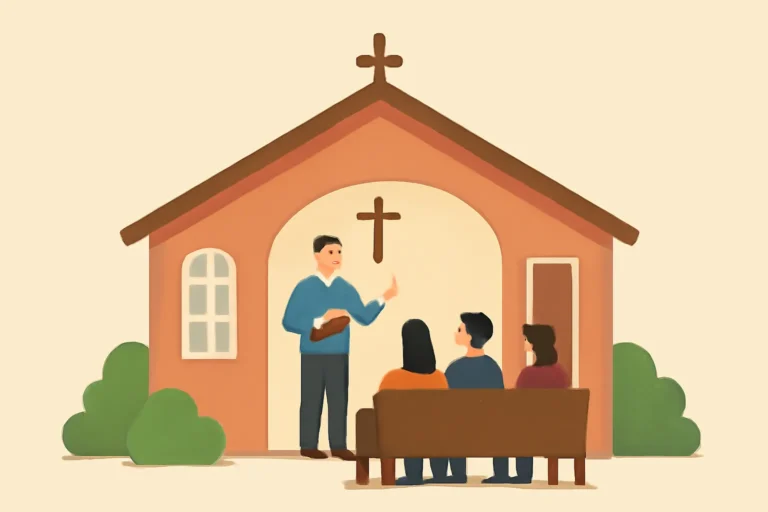
A house church is not merely a space; it is a model of community-based worship that gathers in a private residence or a similar intimate setting for shared faith practices. While the literal setting is a home, the deeper meaning lies in the fellowship, discipleship, and mission that emerge when a small group of believers intentionally practices spiritual disciplines together. In many contexts, this form is also described as a home-based worship community, a domestic church, or a family church. The term variations are not merely stylistic; they reflect differences in emphasis—ranging from Christian hospitality and household leadership to house-gathering congregations that operate with shared governance.
At its core, the traditional house church model emphasizes:
Accessibility—meeting where people feel comfortable and are able to participate fully.
Intentional relationships—smaller groups cultivate trust, accountability, and mutual care.
Scripture-centered worship—regular study, prayer, singing, and celebration of the sacraments where appropriate.
Lay leadership—ministries often arise from within the group rather than being centralized in a formal church staff.
Local service—the community seeks to serve its neighborhood through acts of mercy and outreach.
The home-based nature of these gatherings does not diminish their seriousness or legitimacy. Instead, it often invites a more concrete integration of faith with daily life, where conversations about Scripture, ethics, and practice spill into ordinary routines—sharing meals, caring for neighbors, and encouraging one another in vocational and family life.
Historical context of house-based worship
The concept of meeting in homes has deep roots in Christian history. In the earliest centuries, Christians often worshiped in house churches, known as domus ecclesiae, enabling believers to gather in safe, private spaces when public venues were scarce or hostile. These assemblies were not merely informal Bible studies; they functioned as purposeful communities that nurtured orthodoxy, fellowship, and mutual accountability.
The Roman Empire era saw serialized house churches emerge in major cities, where converts formed networks of believers who would share resources and collaborate on charitable projects. In some periods, the state restricted or taxed church buildings, making domestic worship a practical alternative. As church life evolved, monastic movements and urban parishes sometimes adopted hybrid models that preserved core household rhythms while expanding outward through organized ministries.
In modern times, several movements have revitalized or reimagined the house church concept. Notable examples include:
Cell church models, which emphasize small, autonomous groups that multiply and connect with a central leadership structure.
House church movements in places with limited church buildings or legal restrictions, where house-based worship becomes a sustainable alternative.
Diaspora and immigrant communities often employ home gatherings to preserve language, culture, and faith practices while integrating into a new society.
Digital and hybrid approaches that extend the notion of household worship into online rooms while maintaining a home-centered ethos.
Across these variations, the underlying aim remains similar: fostering a discipleship-oriented community that incarnates faith in everyday life and builds a network of accountability, care, and service.
Distinct forms of domestic church
Family-centered house churches
In a family-centered arrangement, the home serves as the primary space for spiritual formation for all ages. Parents intentionally model Christian living, leading age-appropriate Bible study, prayer, and worship for children and adults alike. The household becomes a mini-church that shapes values, ethical decisions, and relational skills. These groups often emphasize intergenerational participation, where children and elders learn from one another through shared readings, storytelling, and service projects.
Informal prayer groups that become communities
Not every house church begins with formal plans. Some communities emerge as informal prayer circles that gradually adopt a rhythm of worship, teaching, and fellowship. Over time, they gain a sense of identity, establish regular meeting times, and cultivate a shared sense of mission. These organic house gatherings may retain loose leadership and flexible structure, which can be an asset for adaptability and genuine participation.
Some home-based congregations intentionally blend a domestic church atmosphere with formal governance. They may appoint a small leadership council or elders from within the group, while still emphasizing hospitality, relational care, and frequent congregational prayer. This hybrid approach seeks to balance spiritual authority with participatory decision-making and an emphasis on how the group engages with neighbors.
A growing pattern is to organize clusters of living-room churches that meet in nearby homes, creating a broader network with shared resources and a common mission focus. Each house-based congregation might maintain its own rhythms while pooling volunteers for outreach, volunteer teams, and mutual support. This arrangement emphasizes local impact and enables a wider impact than a single household could achieve alone.
Why people choose house churches
The decision to participate in or initiate a home-based worship community is often driven by a combination of spiritual, relational, and practical factors. Reasons include:
Intimacy and trust that develop in smaller settings, making it easier to ask questions, confess faults, and receive support.
Intentional discipleship that centers on personalized growth, accountability, and hands-on practice of faith.
Hospitality as a concrete expression of love for neighbors, welcome for guests, and inclusion of people from diverse backgrounds.
Flexibility in schedule, format, and location, which often accommodates families, students, or workers with irregular hours.
Missional focus on local service, social justice, and community transformation, rooted in everyday life rather than a weekly ritual only.
Affordability and practical stewardship, especially when resources for large buildings are scarce or undesirable.
Identity and belonging within a tradition that values church plurality and a sense of shared governance rather than a single centralized institution.
It is important to recognize that house churches are not a universal remedy for all communities. They require energy, clear boundaries, and a sustainable plan for leadership, accountability, and pastoral care. When well nurtured, they offer a vital alternativa to traditional suburban church models by placing faith formation in a domestic, relational, and action-oriented context.
Practical aspects of organizing a home church
Establishing a successful living-room church involves deliberate planning and ongoing stewardship. The following areas are central to a healthy home church experience.
Setting up space and schedule
The physical space should be welcoming, safe, and conducive to conversation. Practical considerations include arranging seating to enable eye contact, providing accessible materials like Bibles or study guides, and ensuring a comfortable environment for hospitality. Scheduling should accommodate the rhythms of participants, with recurring meeting times, seasonal variations for holidays, and flexibility for guests.
Even in a house-based setting, there is value in having a simple governance structure. This might include:
A small leadership team or elder-like group to guide decisions and address concerns.
A rotating facilitator or shepherd who leads Bible study and prayer while promoting participation from all members.
Clear roles for hospitality, music, teaching, and care ministries to share responsibility.
Governance should emphasize transparency, consent, and pastoral care, ensuring that the group remains Christ-centered, non-coercive, and accountable to one another.
Accountability and discipline
A healthy house church intentionally builds in accountability frameworks. This can include:
Mutual encouragement to live out faith with integrity in families, workplaces, and schools.
Clear guidelines for confidentiality and conflict resolution that protect trust.
Open conversations about beliefs, doctrine, and practice to prevent drift into harmful patterns or heretical ideas.
The aim of accountability is healing and growth, not punishment. A well-run domestic church uses biblically grounded standards and a gentle, redemptive approach to conflict.
Hospitality and inclusion
Hospitality is a spiritual gift for many, and it shines in home-based worship. Creators of space should strive to be inclusive—welcoming strangers, families, seniors, people with disabilities, and those from diverse cultural backgrounds. Thoughtful hospitality includes dietary considerations, accessibility, and the creation of a calm, dignified atmosphere that honors every guest.
Worship practices in a living room church
Worship in a domestic setting can take many forms. The essential components often include Scripture, prayer, singing, and a shared meal or hospitality moment. The exact pattern may shift with the group’s tradition and culture, but several common elements recur.
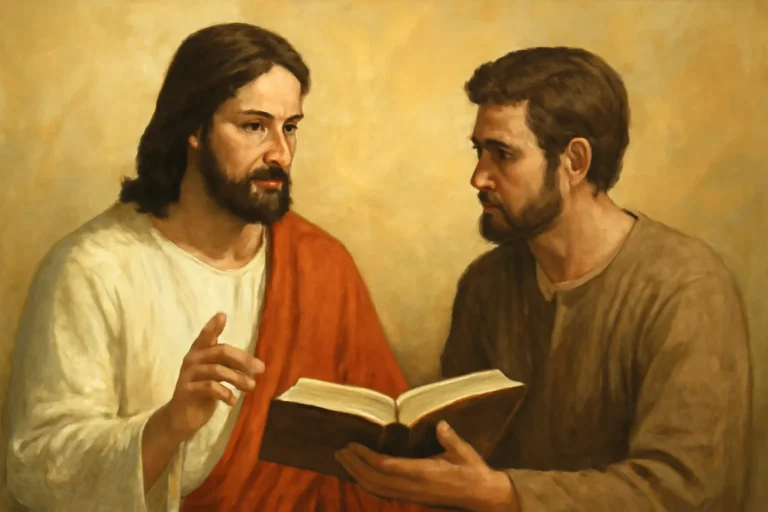
A core practice is reading the Bible aloud and engaging in collaborative interpretation. Many home churches rotate readers, invite brief expositions, or study a passage together. The goal is not only to convey information but to cultivate a living encounter with the text that shapes everyday decisions.
Prayer and intercession
Prayer in a home-based gathering often includes shared requests, scripted prayers, and spontaneous intercession. Regular prayer times help participants depend on God together and develop a more compassionate posture toward neighbors and the world.
Music can be led by a musician in the group or a guest vocalist. Song selection typically reflects the group’s theological orientation and cultural context. Simple, familiar songs can create unity quickly, while more complex arrangements may require practice outside of the meeting time.
Communion, baptism, and sacraments
Approaches to sacramental practices vary. Some house churches celebrate communion regularly, while others reserve it for special occasions or align it with a larger church’s calendar. Baptism in a home setting is less common and often occurs within a broader church network or a partner congregation that provides appropriate space and safeguards. Clear guidance and pastoral oversight help preserve reverence and doctrinal clarity.
Fellowship meals and shared life
A shared meal or simple refreshments after a meeting is a powerful way to build community bonds and demonstrate Christian hospitality. These moments are opportunities for people to ask questions, grow in trust, and serve one another in practical ways (cooking together, cleaning up, hosting newcomers, or organizing family support).
Mission and outreach from a home congregation
A house church is not merely a space for internal edification; it is a launching pad for outward-focused living. When a domestic church practices hospitality, service, and evangelism, it embodies faith in action.
Local service projects such as neighborhood cleanups, tutoring programs, food drives, or visiting the sick and elderly.
Faithful witness through everyday conversations, acts of integrity, and humane treatment of all people.
Partnerships with larger networks, parachurch organizations, or local churches to coordinate resources and avoid duplication.
Discipleship pathways that guide new believers toward growth opportunities, leadership development, and involvement in community life.
The momentum for outreach often grows naturally from the group’s relational vitality. When the domestic church cares for its neighbors with both word and deed, it contributes to a broader culture of generosity and hope.
Challenges and pitfalls
No model is without risk. A thoughtful approach to house churches anticipates common pitfalls and offers strategies to mitigate them.
Drift from doctrine or unclear teaching can occur in informal settings. Regular accountability and access to solid teaching resources help maintain doctrinal integrity.
Leadership burnout or power struggles can damage relationships. Establishing clear boundaries, rotating leadership, and seeking external mentorship provide safeguards.
Domestic constraints such as family responsibilities, space limitations, or scheduling conflicts may hinder regular meetings. Flexibility and creative scheduling can alleviate pressure.
Neighbor relations concerns about noise, traffic, and privacy require thoughtful planning, clear communication, and respectful boundaries.
Isolation from broader church life risk if the group isolates itself. Maintaining connections with other churches, ministers, and Christian networks helps sustain accountability and growth.
Addressing these challenges with humility and a spirit of service can turn potential problems into opportunities for stronger community and more robust doctrine.
Legal and civic considerations
The legal framework affecting house churches varies by country, state, and municipality. While many places recognize religious gatherings as protected practices, there are important practical aspects to consider to avoid conflicts and protect participants.
Zoning and occupancy rules may limit the number of people who can meet in a private residence or require permits for commercial or religious gatherings. Understanding local ordinances helps prevent violations.
Liability and safety measures, including accessibility, child safety, and emergency planning, reduce risk for organizers and attendees.
Tax status and exemptions vary by jurisdiction. In some regions, recognized religious bodies may have tax benefits; in others, independent gatherings may be subject to different rules. Seek professional guidance when needed.
Privacy and data protection become relevant when sharing personal information within a close community, especially if digital communication tools are used.
Public accountability and respectful engagement with neighbors, local authorities, and other faith communities help sustain a healthy public witness.
In the modern era, many living-room churches incorporate technology to enrich fellowship and reach beyond the household. The balance is to leverage tools without compromising the intimate, relational essence of the model.
Live streaming or recorded sessions allow members who cannot attend in person to participate, while preserving the sense of a wearable community.
Online discussion forums or group chats support ongoing study, prayer requests, and accountability between meetings.
Digital curricula provide accessible teaching resources, devotionals, and study guides that align with the group’s theology and practice.
Cybersecurity and privacy become important when sharing personal stories, addresses, or care needs within a digital space.
The effective use of technology respects the core truth that face-to-face relationships remain central, while digital tools supplement, not replace, the richness of in-person fellowship.
Case studies and practical illustrations
Real-world examples help illuminate how diverse communities adapt the house church model to fit local contexts. The following anonymized sketches highlight different trajectories and learning points.
Case A: A suburban family network
In a quiet neighborhood, two intergenerational households began meeting weekly around a shared meal, progressing from prayer and Scripture to group service projects. With a rotating facilitator, they established a calendar that included guest speakers, a monthly open house for neighbors, and a yearly retreat. The group remains committed to long-term relationships, transparent governance, and a culture of hospitality that welcomes new families without pressure to join formally.
Case B: An urban, multilingual, immigrant community
In a city center, a cluster of apartment residents formed a series of house churches to preserve language and culture while building faith. They leveraged public spaces for outreach, coordinated translator volunteers, and created a mentorship program pairing newer believers with mature members. They encountered challenges around space and consistency, but by sharing leadership and rotating responsibilities, they kept the movement sustainable and inclusive.
Case C: A rural, elder-friendly setting
A rural community with limited access to church buildings organized small groups that met in several homes. They emphasized care for aging members, arranged transportation where possible, and developed a simple liturgy that accommodated varying energy levels. The network connected with a neighboring church for sacraments that could not be observed locally, maintaining doctrinal alignment while preserving a distinct domestic character.
Glossary and core concepts
The following terms are frequently used to describe and discuss the diverse expressions of the house church movement.
Domestic church — a term emphasizing that faith forms in the home as a primary locus of spiritual formation.
House-based worship — a general description for gatherings that occur in residences rather than dedicated church buildings.
Fellowship — relational bonding among believers, including care, accountability, and mutual encouragement.
Discipleship — intentional guidance in following Jesus, often emphasized through study, mentoring, and practical service.
Community life — the daily rhythm of sharing life together, including meals, work, schooling, and recreation.
Hospitality — the practice of welcoming others, offering food, shelter, and companionship as a spiritual discipline.
Resources and guidance for those exploring or sustaining a house church
If you are considering forming or growing a home-based worship community, a curated set of resources can be invaluable. The following recommendations cover theology, governance, and practical steps for sustainable practice.
Books and scholarly works on early church history, house church practice, and contemporary movements.
Teaching curricula aligned with your tradition for regular study cycles and doctrinal integrity.
Pastoral mentorship from church leaders who understand the domestic church model and can offer counsel on governance, conflict resolution, and sacramental life.
Community networks that connect scattered households into a coherent, supportive ecosystem with shared mission and ongoing accountability.
Legal and financial guidance to navigate taxation, liability, and non-profit registration where applicable.
Conclusion: embracing home-based worship with wisdom
While this guide provides a broad overview of house churches, home-based worship communities, and the domestic church model, the most important principle is to pursue a life together that is faithful, loving, and outward-reaching. The house church approach offers a way to embody faith in ordinary life—through hospitality, mutual care, and mission among neighbors. Whether a family hosts the gathering, several roommates sustain a weekly study, or a broader network coordinates together in multiple homes, the enduring question remains: how can we honor God, disciple one another, and serve our communities in the spaces where we live every day?