Christian Conversion: A Practical Guide to Embracing Faith
Across the centuries, millions have described a turning point in life when they move from seeking or wondering about God to embracing a vibrant relationship with Jesus Christ. This process, often called conversion, can be understood in many ways and expressed in a variety of forms across different Christian traditions. In this guide, we explore a practical pathway to what is sometimes referred to as becoming a Christian, conversion to Christianity, receiving Christ, or the new birth. The aim is not merely a one-time event but a lifelong journey of faith, growth, and union with God through Christ and in the Spirit.
The heart of this article is to offer clear, actionable guidance that respects diverse backgrounds and perspectives while highlighting common ground. Whether you are exploring faith, supporting someone in their conversion, or seeking to deepen your own walk, you will find practical steps, reflective questions, and community-oriented practices to help you move forward with clarity and confidence.
Understanding the Meaning of Conversion in a Christian Context
At its core, conversion involves a decisive shift in a person’s orientation toward God. It is not merely adopting a set of beliefs but embracing a living relationship with Jesus Christ. While language varies—“becoming a Christian,” “turning to Christ,” “embracing the gospel”—the underlying process has several common elements that can be described as:
Recognition of one’s need for God and an awareness of sin or brokenness in life.
Faith in Jesus as Lord and Savior, and trust in His redemptive work on the cross and through the resurrection.
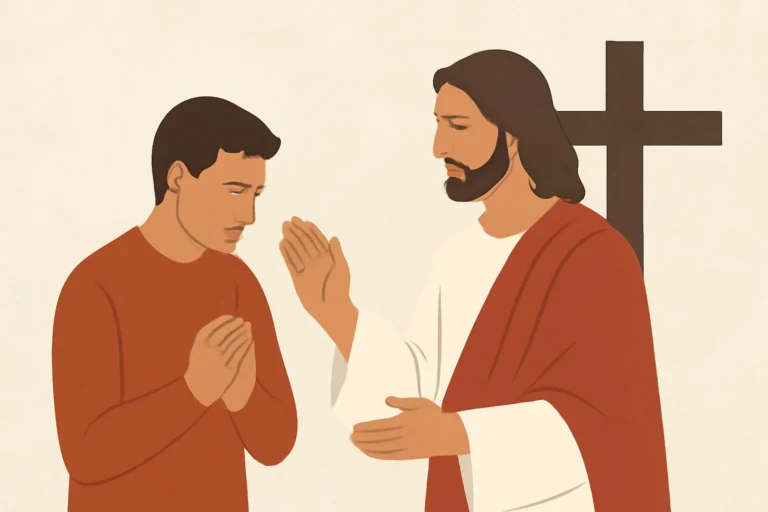
Repentance—a turning away from self-directed living toward God’s direction and purposes.
Response to God’s invitation—often expressed through prayer, confession, and commitment to follow Jesus.
People describe the moment of conversion in different ways. Some describe an instantaneous crisis of faith—a sudden awakening where the truth of the gospel becomes undeniable. Others describe a gradual movement toward faith, shaped by relationships, questions, and life circumstances. Both patterns are acknowledged across Christian traditions, which emphasize that conversion is ultimately a work of God’s grace joined with human response.
Historical, Theological, and Biblical Foundations
Scriptural Foundations for Conversion
The Bible presents conversion as both a divine act and a human response. Foundational passages describe how people hear the gospel, respond in faith, and are transformed by grace. Key themes include:
New birth and regeneration, a transforming work of the Spirit (John 3:3-8; Titus 3:5).
From darkness to light, a shift in allegiance from sin to God (Colossians 1:13-14).
Righteousness through faith, rather than works, as the means of justification (Romans 3:28; Ephesians 2:8-9).
Confession of faith and acknowledging Jesus as Lord (Romans 10:9-10).
Across passages, the gospel message—God’s invitation through Christ—brings transformation to individuals and, through them, to communities. The essence is not just belief but trust that results in new life, obedience, and worship.
Different Traditions, Shared Ground
Christians around the world express the process of turning toward God in varied ways, shaped by history, culture, and tradition. Some emphases include:
In many Protestant communities, emphasis is placed on personal faith in Christ, the authority of Scripture, and the assurance of salvation by grace through faith.
In Catholic and Orthodox contexts, the journey often includes the sacraments—Baptism, Eucharist, and others—as means of grace that nurture conversion and ongoing sanctification.
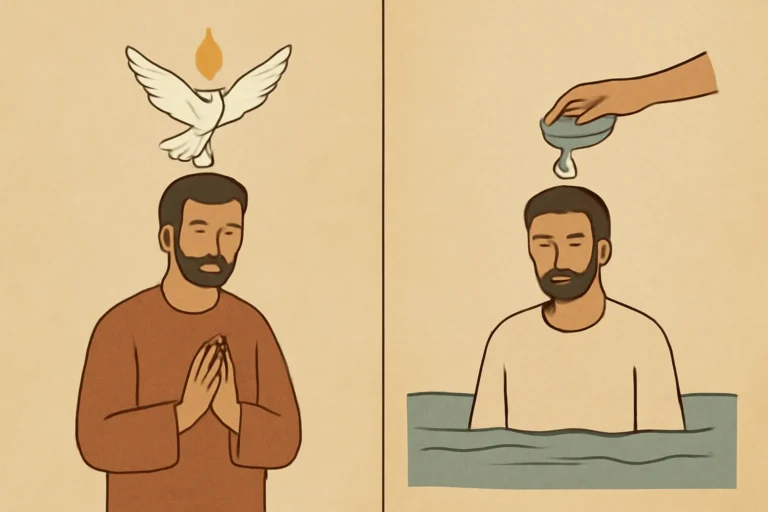
In Pentecostal and charismatic settings, personal encounters with the Holy Spirit, spiritual gifts, and a experiential dimension of receiving Christ are highlighted.
Despite these differences, most Christian traditions agree on essential elements: faith in Christ, repentance, baptism (as appropriate to the tradition), and participation in a community of faith that helps nurture and sustain growth.
The Practical Path: How a Person Moves Toward Faith
Recognizing the Need: Awakening to God’s Presence
Conversion often begins with a realization that life is not meeting its deepest longings. This may come through personal hardship, moral reflection, exposure to Scripture or Christian teaching, or the witness of a friend or mentor. The recognition could be framed as a sense of spiritual hunger, a longing for meaning, or an awareness of guilt and longing for forgiveness. The goal in this phase is honesty: acknowledging limits, sin, or brokenness, and opening oneself to the possibility of change through God’s love.
Hearing the Gospel: Engage with the Message that Changes Everything
Hearing and processing the gospel message—that God loves the world, that Jesus lived, died, and rose again for humanity, and that reconciliation with God is available through faith—often precedes a turning point. People may encounter this message in Bible study, worship services, sermons, podcasts, or conversations with friends and mentors. A key feature of this phase is openness to truth and a willingness to evaluate life in light of the biblical portrayal of Jesus.
Response: Repentance, Faith, and Turning to Christ
Response to God’s invitation involves both turning away from old patterns and turning toward God’s intention for life. This can include:
Repentance—confessing sin, recognizing its impact, and choosing a different path with God’s help.
Faith—trusting Jesus as Lord and Savior, not relying on personal merit but on grace received through Him.
Commitment to follow Christ, including regular prayer, Scripture study, and participation in a faith community.
In many communities, this response is publicly expressed through baptism or a profession of faith, but the core is a sincere turning of the heart toward God and a decision to live under His guidance.
Key Practices in the Early Journey
Baptism as Sign and Seal
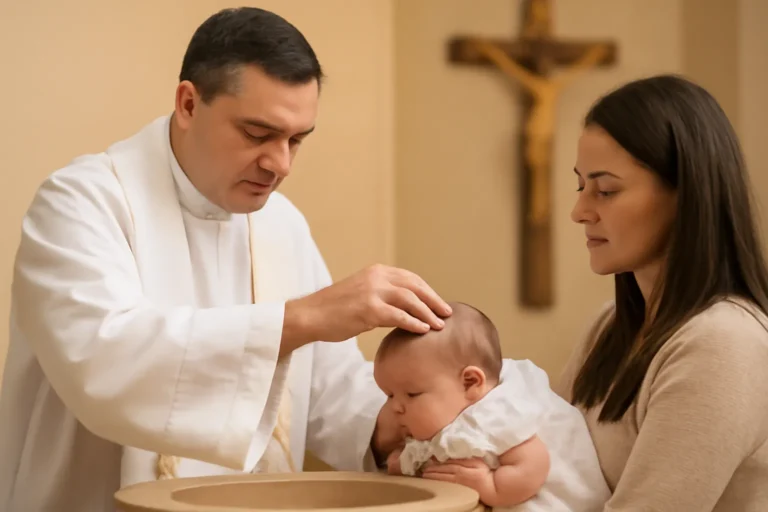
Baptism is widely regarded as a sign and seal of conversion in Christian life. It publicly marks entry into the church and signifies identification with Christ’s death, burial, and resurrection. Depending on tradition, baptism may be immersion or pouring, infant or believer’s baptism, yet the fundamental meaning remains consistent: a physical sign of an inward commitment and a lifelong covenant with God’s people.
Reception of the Community
Conversion is not a solitary act. The church or faith community serves as a place where new believers are supported, taught, and challenged to grow. Engaging with mentors, joining small groups, and participating in corporate worship are practical ways to build roots in the faith that has taken hold.
Prayer and Scripture as Daily Habits
Two practices often central to the early journey are regular prayer and Bible reading. Prayer helps believers speak with God, seek guidance, confess sins, and express gratitude. Scripture provides orientation for belief and conduct, revealing God’s character and His will for daily living. A practical plan for beginners might include a brief daily routine of reading a passage, reflecting on it, and praying in response.
Growth after Conversion: Discipleship and Transformation
Conversion is best understood as the beginning of a lifelong process called discipleship. The aim is not merely to assent to a set of ideas but to become people who live in accordance with the gospel. The following elements are central to ongoing growth:
Discipline and structure in daily life—habits that cultivate grace and obedience.
Community life—participation in a local church or faith community that models love, accountability, and service.
Character formation—allowing the Spirit to shape patterns of behavior, desires, and relationships.
Mission and service—sharing the gospel through words and deeds, and serving others in love.
Practices that support lifelong growth include regular participation in the sacraments or ordinances; personal and communal reading of Scripture; prayer in various forms (intercession, gratitude, confession); and opportunities to serve within the church and beyond in acts of mercy and justice. As believers mature, they often find their understanding deepens, their loyalties become more consistent, and their endurance in faith strengthens.
Many people wrestle with obstacles or questions on the path of conversion. Here are common concerns and practical responses:
Emotion vs. reality: While emotional experiences can accompany conversion, genuine faith is rooted in trust in Christ and a transformed life, not merely feelings that flare up and fade.
Hope beyond doubt: Assurance of salvation often grows as a person persists in prayer, Scripture, and obedience. It is normal to have questions; repeated exposure to the gospel and honest dialogue can bring clarity.
Fear of commitment: Commitments to Christ are not about compulsion but invitation into a life of freedom and purpose. It is okay to begin with small steps and grow in understanding over time.
Past experiences: People bring varied histories—some joyful, others painful. The gospel speaks to healing, forgiveness, and new identity regardless of past.
In navigating these issues, it can be helpful to seek guidance from trusted spiritual mentors, pastors, or counselors who respect your questions and walk with you at your own pace.
Living as a Converted Person: Daily Faith Practices
A sustained life of faith is built on consistent practices that nurture growth and resilience. The following are practical, accessible disciplines:
Daily prayer: Begin with gratitude, confess faults, submit requests, and listen for God’s guidance.
Scripture engagement: A regular habit of reading, study, and reflection helps orient decisions and affections toward Christ.
Worship and gratitude: Regular participation in worship or personal praise deepens reverence for God’s work in the world.
Fellowship: Community with other believers provides accountability, encouragement, and shared mission.
Service and generosity: Demonstrating the gospel through acts of mercy, justice, and care for the vulnerable reflects the love of Christ to neighbors.
In addition to personal habits, it helps to pursue ongoing learning—engaging with theological teaching, apologetics, and ethical reflection. This broadens understanding and equips believers to articulate a coherent, compassionate faith in everyday life. The aim is a life that bears witness to Christ in word and deed, inviting others to discover the source of hope that has captivated the heart.
Questions People Often Ask About Conversion
Convert-oriented questions reveal the depth and complexity of people’s journeys. Here are some frequently asked questions, along with concise answers that honor diverse perspectives while offering practical guidance:
What exactly must I believe to become a Christian? A core conviction is trust in Jesus Christ as Lord and Savior, recognizing His death and resurrection as the means of reconciliation with God. Belief includes embracing the gospel, but living faith must also translate into obedience and love toward God and neighbor.
Can I be a Christian if I still struggle with doubt? Yes. People of faith often wrestle with questions. Doubt can be a doorway to deeper trust if pursued with honesty, curiosity, and humility, alongside prayer and study.
Is baptism necessary for salvation? Views vary. In many traditions, baptism is a vital step that publicly identifies a believer with Christ and the church. It is not a magical act apart from faith, but a faithful response to grace.
How do I know if my conversion is genuine? Signs of a genuine conversion include a consistent pattern of repentance, growing love for God and neighbor, a desire to obey Jesus, and a sustained commitment to spiritual disciplines and community life over time.
Resources and Support for the Conversion Journey
Embarking on or continuing a journey of faith benefits from reliable resources and supportive communities. The following categories can guide you toward practical help and deeper understanding:
Scripture study resources: Accessible Bibles, study guides, and devotionals that suit your level of familiarity.
Local church and ministry networks: Churches, faith groups, or denominations that emphasize discipleship, pastoral care, and community involvement.
Mentors and counselors: Trusted individuals who offer guidance, accountability, and encouragement in spiritual growth.
Educational materials: Introductory courses, apologetics resources, and theological primers to clarify beliefs and address questions.
When choosing resources, look for material grounded in biblical teaching, respectful of diverse experiences, and oriented toward living the gospel in daily life. The goal is not only to understand Christian doctrine but to live in a way that demonstrates the reality of Christ’s transforming work.
Building a Sustainable Congregational Life
A healthy conversion experience naturally points toward ongoing involvement with a faith community. The church provides encouragement, accountability, and opportunities to serve. A sustainable cycle of growth might include:
Regular attendance and participation in worship, teaching, and sacramental life.
Small groups or accountability partners who support spiritual disciplines, discussion, and practical steps of faith.
Service opportunities that connect faith to daily life and the wider world.
Ethical integrity and a willingness to grow in character, humility, and love for others.
Community life is not merely a social good; it is part of what sustains faith over many seasons. In times of doubt or struggle, the presence of a faithful community can remind you of the gospel’s promises, renew your hope, and set you on a course toward renewed purpose.
Variations in Language and Experience: How People Describe Conversion
People describe their experience using different phrases that reflect personal history and cultural background. You might hear terms such as conversion to Christianity, becoming a Christian, turning to Jesus, receiving Christ, or embracing the gospel. Regardless of the exact language, the core experience typically involves encountering the grace of God, trusting in Christ, and beginning a new life guided by the teachings of Jesus and the values of the gospel. The diversity of language reflects the breadth of Christian culture, while the shared core remains a transformed orientation toward God, neighbor, and creation.
Maintaining Integrity in the Conversion Journey
Integrity in the journey requires honest self-reflection, ongoing humility, and a willingness to adapt. Practical tips include:
Set aside regular times for reflection, prayer, and Scripture, even when life gets busy.
Practice honest conversations about faith with trusted friends or mentors, especially when questions arise.
Seek opportunities to serve others, which often reinforce the transforming effects of faith and provide practical proof of the gospel in action.
Guard against spiritual burnout by balancing study with rest, worship with service, and personal growth with communal life.
Conversion is a gift of grace that invites ongoing response. It is not a one-time event to be filed away but a living relationship to be nurtured, tested, and celebrated. As you pursue this journey, you may find that your understanding deepens and your life increasingly reflects the character of Christ, a hallmark of a credible and enduring faith.
Wrap-Up: A Practical Path Forward
If you are considering conversion or supporting someone who is, the practical path can be summarized in a few guiding questions and steps:
Ask honest questions about God, Jesus, and the meaning of life; seek reliable sources and dialogue partners.
Examine the gospel message and assess whether it resonates with your deepest longings for forgiveness, purpose, and hope.
Open yourself to God through prayer and humble reading of Scripture; invite God to reveal truth and guide your next steps.
Engage with a faith community to receive mentorship, accountability, and practical opportunities to live out your faith.
Take concrete steps that reflect your decision—whether through baptism, confession, or a personal commitment to follow Jesus in daily life.
Ultimately, conversion to Christianity is best understood as a gracious invitation to a new life in Christ. It invites you into a relationship that transforms how you think, how you relate to others, and how you treat the world around you. It calls you to trust God’s plan, live under the leadership of Jesus, and participate with the Spirit in the ongoing work of renewal in yourself and in the world. May your journey be marked by sincerity, courage, and sustained hope as you seek to follow the God who loves you and desires your flourishing.