Presbyterian Churches in USA: Denominations, Locations, and Beliefs
Presbyterian churches in the United States represent a diverse family of congregations with shared roots in the Reformed tradition, a common emphasis on Presbyterian governance, and a long history of
education, mission, and public theology. While these congregations differ in worship style, culture, and emphasis on certain social
issues, they often agree on core convictions such as the authority of Scripture, the sovereignty of God in salvation, and
the central place of Jesus Christ in the church’s life. This article surveys the major Presbyterian denominations in the United States,
their distinctive beliefs, where they are most commonly found, and how they approach governance and mission.
Overview of Presbyterian life in the United States
Presbyterian churches in America are organized around a polity that emphasizes collective leadership by elected elders and
responsible church government. The basic unit in most presbyterian bodies is the congregation, which lives under a
system of sessions composed of elders. Sessions answer to regional bodies called presbyteries, which in turn
relate to a national assembly or a similar assembly at the top of the denomination. This structure contrasts with other forms of church
government that rely more directly on a single bishop or centralized hierarchy.
The word Presbyterian itself reflects the key idea of governance by elders (from the Greek presbyteros), rather than
governance by bishops alone. In the landscape of American Protestantism, Presbyterian churches have been especially known for strong
preaching of the Reformed faith, confessional standards, and a long tradition of theological education and civil engagement.
Denominations and distinctives
Presbyterian Church (USA) — PCUSA
Overview: The PCUSA is the largest Presbyterian denomination in the United States. It emerged in 1983
from the reunion of the Presbyterian Church in the United States (historical mainline South) and the United Presbyterian Church in the United States of America (UPCUSA, a northern
body formed in the 1950s). It is widely associated with mainline Protestantism, progressive social engagement, and a broad
ecumenical footprint.
Locations: PCUSA congregations are broadly distributed across the Northeast, Midwest, parts of the West, and some
urban and suburban metropolitan areas nationwide. States with sizable PCUSA presence include New York, Pennsylvania, New Jersey, Illinois,
California, Oregon, and Michigan, among others. The denomination also sponsors mission work and theological education in diverse settings.
Beliefs and practice:
Scripture as the inspired and authoritative word of God, interpreted within the church’s confessional tradition.
Confessional standards draw on historic Reformed creeds and confessions, especially the Westminster Confession of Faith and the
Larger and Shorter Catechisms, though individual congregations may emphasize different aspects of interpretation.
Gospel clarity and social witness: a robust emphasis on mission, education, and public life, with ongoing debates about
social issues that reflect the denomination’s broader openness to reform and reformulation over time.
Ordination and gender: PCUSA has ordained women to pastoral and presbyteral offices for decades and has supported
inclusive marriage options within the church’s life. Many congregations participate in ecumenical partnerships and civic-service initiatives.
Homosexuality and covenant identity: the PCUSA has officially authorized same-sex marriage within many congregations and committees
interpret policy in ways that reflect evolving social norms, while preserving doctrinal diversity across presbyteries.
Governing structure: Sessions govern local congregations; presbyteries provide regional accountability and support; a General Assembly
at the national level coordinates mission, policy, and broader church life.
The Presbyterian Church in America — PCA
Overview: The PCA formed in the early 1970s as a conservative, confessional alternative to the PCUSA. It seeks to preserve historic Presbyterian
doctrine and governance while engaging in evangelical mission and worship.
Locations: The PCA has widespread presence across the United States with a notable concentration in the Southeast, Appalachia, and the Midwest,
along with growing presbyteries in Texas and California. The denomination also maintains mission partnerships in several areas of the country.
Beliefs and practice:
Scripture as the inerrant and authoritative Word of God, to be interpreted in light of confessional standards.
Confessional life: The PCA holds to the Westminster Standards (Confession of Faith, Larger and Shorter Catechisms) as the
doctrinal summary for faith and practice.
Gospel-centered theology: Emphasis on salvation by grace through faith in Christ, with a strong focus on preaching
and catechesis.
Gender and office: Historically, the PCA has restricted the ordination of women to pastoral and elder offices. Women generally do not serve as
ordained elders or pastors within PCA congregations, though they may contribute in many non-ordained roles in church life.
Mission and ministry: The PCA emphasizes evangelism, church planting, and classical Reformed education and mission across the United States.
Governing structure: The PCA maintains a three-tier system (Sessions, Presbyteries, and the General Assembly) that emphasizes accountability
and doctrinal fidelity within a broadly evangelical framework.
Overview: The OPC was founded in 1936 as a conservative breakaway from the PCUSA, in response to theological liberalism and perceived doctrinal drift. It
emphasizes a strict confessional identity and a high regard for historic Reformed theology.
Locations: The OPC has a geographically diverse presence, with clusters in the Northeast, Midwest, and parts of the South. It maintains a number of
congregations in Pennsylvania, Ohio, Illinois, and surrounding areas, with other churches spread across the country.
Beliefs and practice:
Scripture is the ultimate authority for faith and life, with the Westminster Standards and the Canons of Dort often used in doctrinal teaching.
Confessional fidelity: The OPC emphasizes the authority of confessional documents and a robust doctrine of ensuring doctrinal purity in church life.
Governing principles: A strongly Presbyterian polity with elders leading local congregations and regional assemblies ensuring doctrinal integrity.
Gender and office: The OPC practices male-only ordination to pastoral and ruling elder offices; women typically do not hold ordained offices within this denomination.
Catechesis: Strong emphasis on catechesis, education, and doctrinal instruction for all ages within the church.
Governing structure: Local sessions answer to presbyteries, which in turn relate to the General Assembly. The OPC’s structure is designed to uphold doctrinal discipline.
Evangelical Presbyterian Church — EPC
Overview: The EPC emerged in the early 1980s as a conservative, evangelical Presbyterian body that sought to combine a robust confessionally Reformed
faith with a flexible, mission-minded approach to church life and leadership.
Locations: The EPC has grown across the United States with presbyteries in several regions, including the Southeast, Midwest, and Pacific Northwest, reflecting a broad reach
among evangelical Presbyterians who are attracted to its balance of doctrinal clarity and practical ministry.
Beliefs and practice:
Scripture as the inspired and trustworthy Word of God, with adherence to historic Reformed creeds and confessions.
Confessional standards: The EPC uses the Westminster Confession of Faith and Catechisms as doctrinal anchors, while allowing local congregations to engage in
relevant contemporary ministry contexts.
Gender and office: In the EPC, ordained leadership includes both men and women in many presbyteries, reflecting a more inclusive approach to pastoral and ruling elder roles in line with broader evangelical practice.
Mission and worship: Emphasis on evangelism, church planting, family ministry, and robust preaching and worship that engages contemporary culture with the gospel.
Governing structure: The EPC follows a classic Presbyterian framework with Sessions, Presbyteries, and a General Assembly that discerns doctrinal and mission priorities for the whole church body.
Evangelical Covenant Order of Presbyterians — ECO
Overview: The ECO was formed in 2012 by congregations and leaders who left the PCUSA to pursue a more evangelical, mission-focused expression of Presbyterianism. ECO aims to be a bridge-denomination that respects Reformed theology while embracing contemporary mission strategies.
Locations: ECO congregations span across numerous regions, with concentrations in the Midwest, West, and some Southern states. The denomination has grown through church planting and affiliated campus ministries.
Beliefs and practice:
Scripture as authoritative and sufficient for life and faith, interpreted within a Reformed framework.
Confessions: The ECO affirms the Westminster Standards as foundational, while encouraging local contextualization of worship and ministry to reach diverse communities.
Women in leadership: ECO generally supports the ordination of women to pastoral and elder roles, aligning with a broader evangelical approach to leadership equality in many contexts.
Church vitality: A practical emphasis on church planting, mission, and discipling across generations, with attention to stewardship and social engagement.
Governing structure: ECO uses Sessions and Presbyteries with a General Assembly to govern doctrinal issues and mission strategy, reflecting a flexible but confessional identity.
Associate and smaller Presbyterian bodies — ARP and RPCNA
Associate Reformed Presbyterian Church — ARP: A smaller but enduring Presbyterian body with roots in the 18th century, characterized by a strong confessional identity, a commitment to catechesis, and a presence in several Midwestern and Eastern states. The ARP emphasizes doctrinal fidelity and practical ministry in local communities.
Reformed Presbyterian Church of North America — RPCNA: Known for a distinctive tradition in worship and doctrine, including long-standing Sabbath observance and, in some congregations, exclusive psalmody (singing only the Psalms). It maintains a rigorous confessional standard and a high view of the Lord’s Day. RPCNA churches are present in a handful of regions across the country, often in communities with deep historical roots.
Locations and regional patterns
The distribution of Presbyterian churches in the United States follows historical settlement patterns, immigration histories, and regional
culture. While the landscape has evolved in the last century, some broad regional tendencies are still noticeable.
Northeast: The Northeast remains a center of PCUSA life and has long been important for mainline Presbyterian expression. You will find dense networks of congregations in states like New York, New Jersey, Pennsylvania, and portions of New England. The Northeast is also home to a considerable presence of ECO and EPC churches that emphasize urban ministry, university outreach, and social engagement.
Midwest: The Midwest is a cradle for several Presbyterian streams. The PCA and OPC have strong presbyteries in states such as Ohio, Indiana, Illinois, Michigan, and Minnesota. ARP and RPCNA communities also have historical roots in this region, with family-sized congregations that lean into confessional identity and community service.
South and Southeast: The South hosts a significant number of PCA and EPC churches, along with a growing ECO presence. States like Georgia, Alabama, Tennessee, North and South Carolina, and portions of Florida sustain vibrant congregations that emphasize evangelism, discipleship, and regional church planting networks.
West and Pacific Coast: In diverse urban and suburban contexts, PCUSA, EPC, and ECO congregations contribute to a broad spectrum of worship styles and community outreach. The West has seen growth in new church plants as well as historic congregations seeking to renew their mission in contemporary culture.
Shared beliefs and distinctive emphases
While each Presbyterian denomination in the United States has its own nuances, several core elements unite this family of churches.
Scripture and the Reformed faith: Across Presbyterians in America, the Bible is regarded as God’s Word, and the Reformed tradition—expressed through the great confessions and catechisms—serves as a guide for faith and practice.
Presbyterian governance: A shared emphasis on representative government within the church, with elders playing a central role in church leadership at the local, regional, and national levels.
Creedal continuity: Most Presbyterian bodies affirm historic Reformed confessions such as the Westminster Standards, and some extend to other confessional statements. These documents shape doctrine, discipline, and education across congregations.
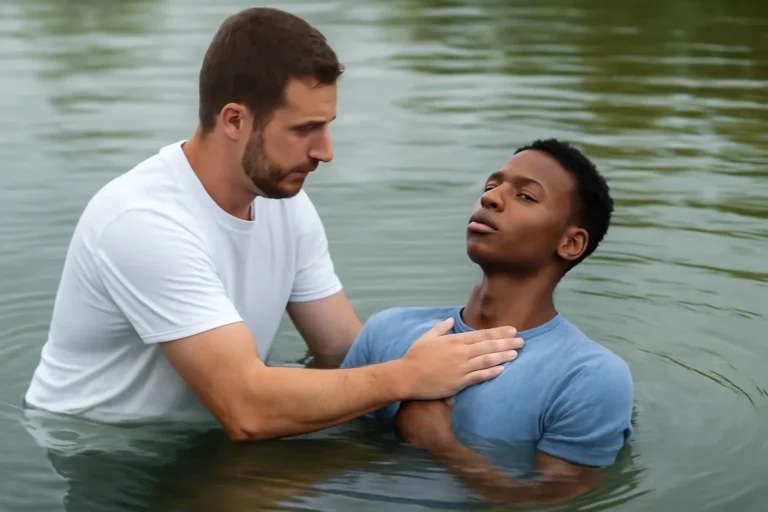
Worship and sacraments: Worship life often centers on preaching, prayer, and the sacraments of baptism and the Lord’s Supper, with practices ranging from traditional liturgy to contemporary expressions depending on the denomination and local tradition.
Mission and service: Evangelistic outreach, church planting, education, and social engagement are common themes, though priorities and methods vary by presbytery and congregation.
Beliefs about women’s roles and pastoral leadership
The denominations discussed here reflect a spectrum on questions of women’s ordination and leadership.
PCUSA: Allows women to serve in pastoral and elder roles; actively engaged in institutions and conferences that promote gender equality in church leadership.
PCA: Maintains male-only ordination to pastoral and elder offices in most congregations and presbyteries; women serve in significant non-ordained leadership roles in many churches, but ordained offices are typically restricted to men.
OPC: Upholds a traditional, male-ordained leadership structure for pastors and elders, reflecting its strict confessional posture.
EPC and ECO: Both denominations generally support broader participation by women in leadership, with ordained women serving as pastors and elders in many congregations, depending on local presbytery policy.
ARP and RPCNA: Both maintain strong historic confessional commitments. The ARP emphasizes a traditional approach to church leadership, while RPCNA’s worship and governance reflect its historic covenanted and revivalist heritage, with variations among individual communities.
Education, seminaries, and theological training
Presbyterian life in the United States has long been shaped by a robust ecosystem of seminaries and universities. Theological education has been a critical factor
in the transmission of confessional identity, preaching excellence, and lay training. Major seminaries and universities associated with Presbyterian life include
institutions that train pastors, elders, and lay leaders, as well as scholars who contribute to church literature and public theology.
Seminaries: Across the denominations, there are several well-known seminaries and theological schools that prepare ministers, missionaries, and scholars, often working in cooperation with local presbyteries or regional bodies.
Colleges and universities: Many Presbyterian congregations support or participate in higher education institutions that reflect a commitment to rigorous study, moral formation, and public service.
Continuing education: In all denominations, ongoing theological education—through continuing education programs, seminars, and scholarly programs—helps denominational members engage contemporary culture with a confessional voice.
How congregations participate in mission and public life
Presbyterians in the United States engage in a wide range of missional activities, from local outreach and disaster response to global missions and interfaith dialogue.
Local outreach: Congregations run food ministries, shelter programs, tutoring and mentoring, and neighborhood transformation initiatives that respond to community needs.
Education and schools: Parishes often operate Christian education programs, youth ministries, and adult formation classes designed to nurture faith and knowledge.
Global missions: Presbyterian bodies support missionaries and partner with international organizations to advance relief, development, and theological education beyond national borders.
Public theology: Many Presbyterian church networks contribute to conversations about justice, governance, and the common good, drawing on a Reformed perspective that emphasizes God’s lordship over all life.
What to expect when visiting a Presbyterian church in the United States
Visitors to Presbyterian churches in the United States can expect a mix of scripture-centered preaching, a strong sense of
community, and a worship style that ranges from traditional to contemporary, depending on the congregation and its denominational alignment.
Worship style: Some congregations lean toward traditional liturgy with hymns and formal prayers; others offer contemporary music and more informal gatherings while preserving the Presbyterian form of governance.
Liturgy and sacraments: Expect regular reception of the sacraments—baptism and the Lord’s Supper—with careful attention to doctrinal teaching and pastoral care.
Membership process: Becoming a member typically involves a process of catechesis, baptism, profession of faith, or reaffirmation of baptism, plus a council vote by the session or presbytery.
Community life: Presbyterian congregations often emphasize small groups, catechism classes, mission committees, and volunteer opportunities as part of discipleship.
Historical note: Presbyterians in the United States and their legacy
Presbyterians have been a significant part of American religious life since the colonial era. From the early missionary work of the Scots and the Dutch in the
Atlantic seaboard to the modern era of urban ministry and global mission, Presbyterian life has intersected with education, social reform, and public policy. The
formation of major Presbyterian bodies in the 19th and 20th centuries reflected debates over theology, governance, and social change. Today’s denominations carry
forward this legacy by seeking to remain faithful to core Reformed convictions while translating them into meaningful presence in the contemporary world.
Frequently encountered questions about Presbyterian churches in the USA
Do Presbyterians believe in predestination? Yes. A classic Reformed conviction is that God’s sovereignty includes salvation, and this is expressed in various doctrines about election and grace. In practice, Presbyterians emphasize preaching the gospel, personal faith, and the responsibility of believers to respond to God’s grace.
Are Presbyterians Protestant or Evangelical? They are both accurately described as Protestant, with many congregations identifying as evangelical in their emphasis on the gospel and mission.
What about worship styles? Worship is diverse. Some Presbyterian churches feature traditional liturgy with hymns and creeds, while others incorporate contemporary music and more informal formats, all within a shared Presbyterian framework.
Is there unity among the Presbyterian denominations? Unity exists in core beliefs about Scripture, grace, and the sovereignty of God, but there are real differences in governance, ordination practices, and social stances among the denominations.
Choosing a Presbyterian expression that fits your context
For individuals and families exploring a Presbyterian church, the question often comes down to doctrinal emphasis, leadership style, and the
congregation’s approach to mission and community. If you are drawn to a confessional, doctrinally stable faith that emphasizes
elder-led governance and a robust public witness, several of the denominations described here offer distinct pathways to join, grow, and contribute to a
local church community. If your emphasis is more on social justice and broad inclusivity within a reformed framework, PCUSA and ECO/K groups may provide a
welcoming home. If you seek a stricter confessional standard with traditional Reformed worship and a more explicit catechetical program, the OPC or PCA
may align with your expectations.
Regardless of denomination, Presbyterians in the United States share a heritage of education, service, and a faithful witness to the gospel. They
also share a commitment to global mission, local ministry, and thoughtful engagement with the issues of their time, all grounded in a confident Reformed
interpretation of the Bible. In this way, the Presbyterian family in the United States remains a living part of both American religious history and a broader
global Reformed tradition.