Starting Your Journey: Why You Might Want to Begin Attending Church
If you are curious about church life but unsure how to begin, you are not alone. Many people
consider visiting a church for the first time for a variety of reasons—spiritual nourishment,
community support, personal reflection, or a desire to understand a tradition more deeply. Starting to go to church is not a single event; it is a process of
discovery, habit-building, and relationship formation. This guide aims to offer practical, down‑to‑earth steps you can use to approach church attendance with clarity and confidence.
In this article, you will find explanations of how to approach the decision of where to go, what to expect on a first visit,
how to make attendance a regular practice, and how to participate in a church community in a meaningful way. Whether you are exploring a specific denomination or simply wanting to learn more about a local congregation, the goal is to help you feel informed, prepared, and welcomed. By addressing common questions and offering actionable tips, this guide seeks to make the process of becoming a regular attendee less intimidating and more enjoyable.
Choosing a starting point: how to decide where to visit and what to expect
The first step in learning how to start going to church is deciding which church (or churches) to consider. Different traditions emphasize different forms of worship, governance, and community life. The right starting point for you might depend on your beliefs, your cultural background, your language, and your goals for attendance.
When you think about where to begin, keep in mind that there is value in exploring more than one option. A first visit to a few different congregations can help you compare:
The style of worship and music
The tone of preaching or teaching
The accessibility of the space and the friendliness of the welcome
The size of the community and opportunities for involvement
Programs for children, youth, or adults if they matter to you
A practical approach is to identify a few churches that align with your values and offer a welcoming environment. You can also reach out to a friend or family member who attends church and ask for a recommendation. Regardless of the path you choose, approaching the process with curiosity, openness, and a gentle pace will help you avoid burnout and frustration.
What to do before you go: practical preparation for your first visit
Clarify your goals and expectations
Before stepping into a church, it can be helpful to reflect on what you hope to gain. Some common goals include seeking spiritual guidance, learning more about a tradition, finding a sense of community, or simply observing how a church operates. Clarifying your goals can help you notice what is most meaningful to you during a service or a conversation afterward.
Decide on a denomination or tradition (or stay open)
If you already identify with a particular tradition, you may want to start with a church that aligns with that practice. If you are open or uncertain, you can explore a few different styles—liturgical worship with set prayers, contemporary services, and more casual gatherings. There is no one-size-fits-all answer, and many people discover that their preferences evolve over time.
Practical steps you can take
Look up service times and directions ahead of time to reduce stress on arrival.
Check whether the church has a welcome desk or a greeter who can help you navigate the space.
Consider bringing a friend or family member for your first visit to feel supported.
If you have children, explore what is offered through children’s programs, nurseries, or youth ministries.
Review accessibility options if needed (parking, seating, wheelchair access).
What to expect on your first visit: a practical tour of the service and the atmosphere
Every church has its own rhythm, but there are common elements you will likely encounter during a typical service, especially in many Protestant, Catholic, and Orthodox settings. Being prepared for these shared features can help you feel calmer and more present.
Arrival and welcome
On arrival, you may encounter volunteers or church members who greet you, offer a bulletin, and point you toward facilities like restrooms or the worship space. A first impression can be influenced by how inviting and respectful the greeting is. If you prefer privacy, you can simply observe quietly and join in when you feel comfortable.
Structure of the service
While every tradition is distinct, most services follow a recognizable arc: a time of quiet reflection or prayer, a series of readings or songs, a sermon or teaching, and a concluding blessing or response. In some churches, congregational singing plays a central role; in others, readings and preaching take the lead. You may also encounter the sharing of communion, the offering of prayers, or responsive readings.
What to wear and how to behave
Attire can range from casual to formal, depending on the church culture. The important thing is to be comfortable and respectful. As a general guideline, dress modestly and avoid clothing with offensive messages. In terms of behavior, plan to participate with the service to the extent you are comfortable, but it is acceptable to observe quietly at first. You might find it useful to follow the crowd: stand, sit, and kneel when others do, if you feel able to do so.
What to bring or not bring
Most attendees do not bring much beyond a heart ready to listen, a notebook for notes, and perhaps a payment for offerings if you wish to contribute. Some visitors prefer not to participate in communion on their first visit, while others may partake if they are comfortable and understand the practice. If you have questions, you can ask a greeter or church member after the service.
The role of children and families
If you have children, you will want to know about children’s programs, nursery care, and safety policies. Some churches provide staffed areas with age-appropriate activities, while others invite families to participate in the main service. Look for information about a family room or a “quiet corner” if you or your child needs a moment away from the main gathering.
Making the experience a regular practice: turning a single visit into ongoing attendance
After you have sampled a few services, you may decide to begin a regular pattern of attendance. Consistency is often more important than perfection when it comes to building a sustainable practice. A steady routine helps you absorb what you hear, become familiar with the people, and notice how your own life is affected by spiritual ideas and community life.
Setting realistic goals for a first season
Rather than expecting big changes overnight, set small, achievable goals for the first several weeks. Examples:
Attend a service for four consecutive weeks to become familiar with the rhythm.
Attend a second service at a different time or on a different day to compare atmospheres.
Talk to at least one person after a service to begin building a connection.
Explore a church activity or group that aligns with a personal interest or skill.
As you continue, you may decide to adjust your goals: you might want to learn more about the church’s teaching, join a small group, or volunteer in a ministry. The important thing is to progress at a pace that feels meaningful and comfortable.
Creating a routine that fits your life
The practical side of regular attendance includes scheduling, transportation, and balancing other commitments. If you have a busy life, consider:
Choosing one primary church to build continuity rather than ping-ponging between several options.
Aligning your church attendance with personal or family routines (such as Sunday morning time, or a midweek gathering).
Setting reminders on your phone or calendar to reduce friction and forgetfulness.
Seeing church as part of a holistic life rhythm that includes rest, service, and reflection.
Ways to engage and connect: turning attendance into community involvement
A concrete way to transform church attendance into community participation is to move from passive listening to active involvement. The more you participate in small groups, service projects, or church events, the more you will feel connected and supported.
Explore different routes to engagement
Join a small group or Bible study to deepen relationships and understanding.
Volunteer for hospitality, events, or outreach activities—these roles often welcome newcomers.
Attend church classes or workshops that teach about beliefs, scriptures, or church life.
Offer your talents, whether in music, technology, administration, or outreach, to serve the community.
Making connections beyond Sunday services
Community typically grows through ongoing time together. Look for opportunities to:
Attend fellowship meals, picnics, or casual meetups.
Participate in mentorship or accountability groups.
Invite a friend to a church event or service to share the experience.
Join a volunteer team that aligns with your schedule and abilities.
Understanding styles, denominations, and how to choose what fits
Churches vary widely in style, structure, and theology. A good approach to exploring church styles is to learn about different approaches to worship, preaching, and governance. You may encounter:
Liturgy-based worship: structured prayers, readings, and sacraments, often found in Anglican, Catholic, and some Orthodox traditions.
Contemporary or casual worship: modern music, informal language, and a conversational delivery from the pastor.
Evangelical emphasis: focus on personal faith, conversion, and practical application of biblical teaching.
Orthodox and high-church expressions: ornate aesthetics, time-honored rituals, and a strong sense of sacramental life.
When you visit, you may notice the pacing of the service, the language used in prayers, and the emphasis of the teaching. If you find a church that feels welcoming and aligned with your values, you may choose to continue there or to explore additional congregations to broaden your understanding of Christian practice.
Practical etiquette and culture: how to show respect and participate
Regardless of tradition, there are common courtesies that help create a respectful and welcoming environment for everyone. Keeping a few guidelines in mind can make the experience more comfortable for you and others.
Arrive a few minutes early to find your seat and settle in, but avoid staying in the doorway for too long if the crowd is dense.
Turn off or silence devices to minimize distractions during the service.
Follow the crowd during the service if you are unsure how to participate; you can observe first and step forward slowly.
Respect personal boundaries and space; if someone offers a handshake or a greeting, respond politely.
Be mindful of the offerings or giving practices, and participate only if you feel comfortable.
Ask questions after the service or through official channels if you want to learn more about beliefs or practices.
What to do about sensitive topics
If a sermon or lesson touches on topics that you find challenging or unfamiliar, you can approach it with curiosity and humility. It can be helpful to take notes, reflect afterward, and discuss your questions with a trusted church member or mentor. Remember that a church community often welcomes questions as part of spiritual growth, even if opinions differ.
Common challenges and how to overcome them
Beginning to go to church can bring up a range of emotions, including vulnerability, discomfort, or skepticism. You might worry about fitting in, about whether you belong, or about the time commitment. Here are practical strategies to address these concerns.
Feeling out of place: choose a friendly program or a smaller group to connect with instead of feeling overwhelmed by a large gathering.
Time management: start with a single weekly service and a related activity, then add more as you feel comfortable.
Skepticism or doubt: approach the teachings with openness and ask respectful questions; many churches value thoughtful questions as part of spiritual discovery.
Community fit: it is normal to try a few places before finding one that resonates; give yourself permission to move on if it doesn’t feel right.
Long-term involvement: from attendee to member and beyond
If a particular church becomes a meaningful home, you may consider deeper levels of involvement such as formal membership, baptism or confirmation, or leadership roles. Becoming more invested can deepen your sense of belonging and purpose, and it can also provide a path for serving others within the community.
Not all churches require formal membership, but many offer a membership process that involves learning about the church’s beliefs, governance, and mission. If you decide to pursue membership, you will typically have the opportunity to:
Affirm your faith and alignment with the church’s teachings
Commit to regular attendance and participation
Join a particular ministry or mission area that fits your gifts and interests
sacraments, rites, and milestones
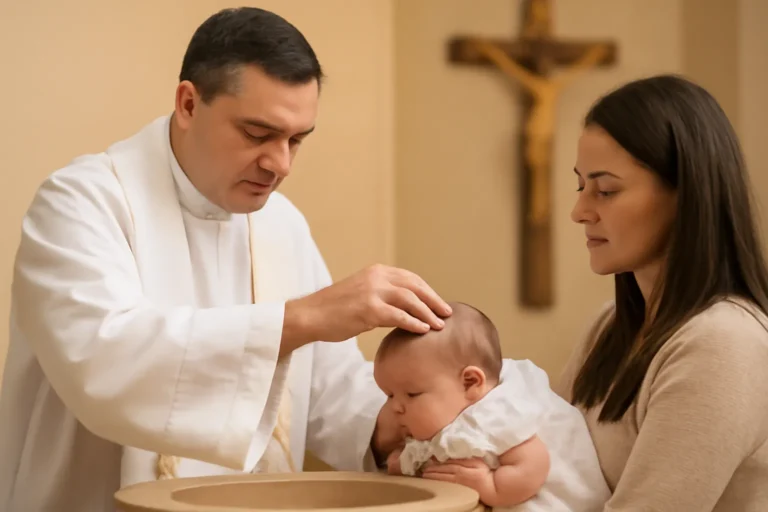
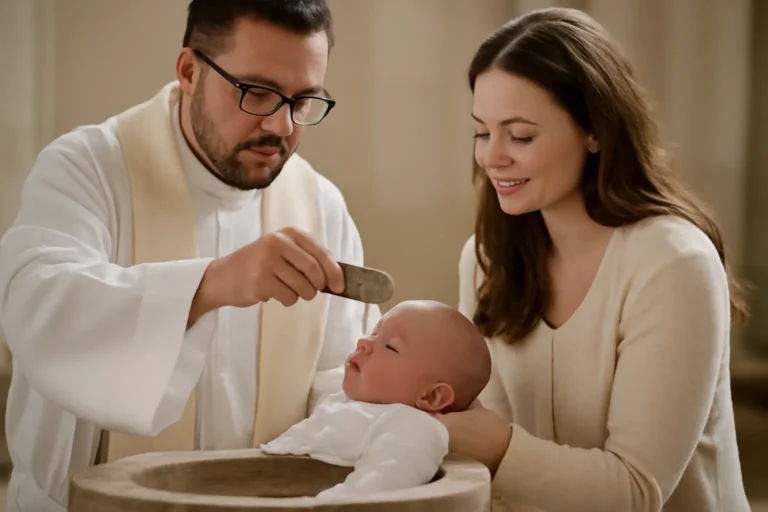
Depending on tradition, important milestones may include baptism, first communion, or confirmation. These rites are often meaningful public declarations and community moments. If you are exploring a sacramental tradition, talk with a pastor or church elder about what to expect and what is asked of you.
Quick-start action plan: a practical checklist to begin today
If you want to move from contemplation to action, use this concise, action-oriented plan. It is designed to be followed in the first few weeks of exploring church life and forming regular attendance.
Identify two to three churches that align with your preferences, and check service times.
Attend at least two different services to compare experiences (e.g., one with a traditional style and one with a contemporary style).
Bring a friend or family member on one of the visits for support and accountability.
Talk to a greeter or staff member about programs for newcomers, and ask about how to get involved.
Join a small group, class, or volunteer team that fits your schedule and interests.
Set a realistic goal to attend weekly or biweekly for a month, then reassess your experience.
Keep a short journal of what resonates, what challenges arise, and what you would like to explore further.
Variations on the theme: different phrases for starting church attendance
You may hear a variety of terms describing the process of beginning church life. Each phrasing captures a slightly different emphasis, and you can use these variations to frame your own experience:
Beginning to attend church as a new habit that integrates into daily life
Starting church involvement by exploring worship, teaching, and community programs
Initiating church participation through outreach and service opportunities
Entering church life with a focus on belonging and growth
Joining a local congregation to learn, worship, and serve together
Each of these expressions invites a slightly different focus—whether you’re emphasizing the social aspect, the learning, or the act of giving back. You can choose the language that feels most natural to you as you describe your own journey to friends, family, or a faith community.
Final reflections: keeping momentum and growing beyond the first year
As you continue to explore church life, you may notice that your initial motivations expand or shift. Perhaps you begin to value discipleship groups, or you discover a calling to serve others in the community. The key is to remain curious about your own beliefs, to maintain humility in the face of new experiences, and to cultivate relationships with people who encourage your growth. This ongoing process is what makes the experience of going to church not merely a weekly practice, but a path toward deeper insight, a broader sense of belonging, and a more deliberate life.
Appendix: a simple glossary of common terms you might encounter
If you are new to church life, you may come across terms that are unfamiliar. Here is a short glossary to help you navigate conversations and materials you might encounter.
or message: the teaching or preaching portion of a service.
: the order of worship, often with set prayers, readings, and rites.
(also called the Lord’s Supper or Eucharist): a sacramental rite shared in some traditions.
: a ceremonial act of initiation in which a person is welcomed into the faith community.
: a smaller gathering of people within the church for study, prayer, and mutual encouragement.
: a particular service or activity aimed at serving others, often within or beyond the church.
By embracing these ideas and remaining open to new experiences, you can approach the process of starting to go to church with practical tools and a spirit of curiosity. The goal is not merely to check a box but to discover whether a particular community feels like a place where you can grow, contribute, and feel understood.