Reformed View of Baptism: What It Means and How It Is Practiced
In Reformed churches, baptism is one of the two primary visible signs of grace, the other being the Lord’s Supper. The Reformed view treats baptism not as a mere personal decision or a private ritual, but as a public, covenantal act that binds the individual to the people of God and to the promises of God in Christ. This article surveys what this tradition means by the baptismal sign, how it functions as a seal of the covenant, who is eligible to be baptized, and how the practice unfolds in liturgy, catechesis, and church life. It will also address common questions and clarify how baptism relates to faith, the church, and the life of discipleship.
Foundational principles of the Reformed understanding of baptism
At the heart of the Reformed perspective is a consistent emphasis on the covenant of grace established by God and unfolded through Scripture. Baptism is a concrete, God-ordained means by which God marks and seals his promises, inviting participation in the life of the covenant community. It is not a magical transaction that guarantees salvation apart from faith, but a divine sign and seal that God intends to accompany the faith of his people.
Two related phrases recur across confessional and pastoral writings in the Reformed tradition: baptism as a sign and baptism as a seal. A sign indicates what God has done and promises to do; a seal confirms and authenticates the promises, binding God to his covenant people and calling them to respond in faith and obedience. The Reformed view foregrounds that this is a corporate event as well as a personal one: through baptism, an individual is joined to the visible church—the community of believers and their children—and drawn into the life and mission of Christ’s body.
Alongside the sign-seal framework, Reformed theology emphasizes that baptism is a means of grace by which the Holy Spirit applies the benefits of Christ to the believer. This does not imply that water itself creates faith or saves; rather, God graciously uses baptism in connection with the gospel and the Word to work in the believer’s heart. Put differently, baptism communicates grace, but it is grace received through faith in Jesus Christ, not grace earned by the rite itself.
Baptism as sign and seal of the covenant
Scriptural and doctrinal foundations
Biblical warrant for baptism is found in Jesus’ command in the Great Commission: “Go therefore and make disciples of all nations, baptizing them in the name of the Father and of the Son and of the Holy Spirit” (Matthew 28:19). The Reformed reading emphasizes that baptism is part of the process of making disciples: it accompanies teaching, confession, and ongoing sanctification. In Acts, baptism follows confession of faith and repentance, but in the broader narrative it is clear that God’s Spirit is sovereign to apply grace regardless of sequence. The Reformed tradition reads these texts as indicating that baptism is God’s gracious sign of inclusion into the people of God and a seal of the promises given to Abraham and fulfilled in Christ.
In the classic Reformed confessions, the church is described as the visible people of God, including believers and their children. This is essential to understanding infant baptism: it rests on the continuity between the old covenant sign (circumcision) and the new covenant sign (baptism). The continuity of signs signals that the covenant community remains the object of God’s faithfulness, and that infants of believers are to be welcomed into the covenant community with the expectation of future faith and personal adoption.
It is important to recognize that the baptismal sign points forward to the believer’s life of faith. In infant baptism, the child is brought into the covenant family and the church’s household, with the expectation that, at an appropriate point, the child will be instructed, catechized, and, if God grants faith, will personally profess faith. This is why catechesis, baptismal vows, and the lifelong process of discipleship are often structured into a coherent program within Reformed communities.
The Reformed answer to who should be baptized is double-fold, reflecting the covenantal logic of the tradition. First, infants of believing parents are typically included in baptism because they are part of the covenant community and are therefore recipients of God’s promises through the family’s faith and church’s nurture. Second, those who come to faith later in life—often called believer’s baptism in other traditions—are baptized upon personal profession of faith, confession, and repentance in line with the gospel.
Key distinctions to understand include:
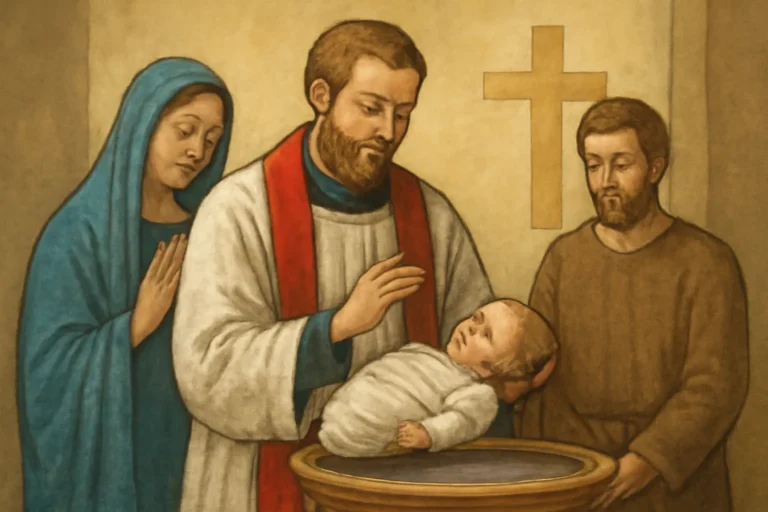
Infant baptism: Children born into a Christian family or born within a Christian context are candidates for baptism because they are within the covenant community and under the ministry of the church. The expectation is not skepticism about their eventual profession of faith, but confidence in God’s faithfulness to work through the process of nurture and catechesis.
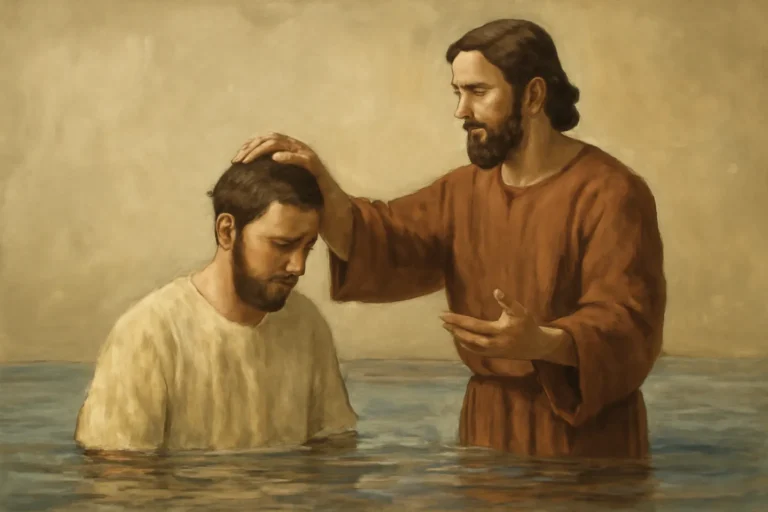
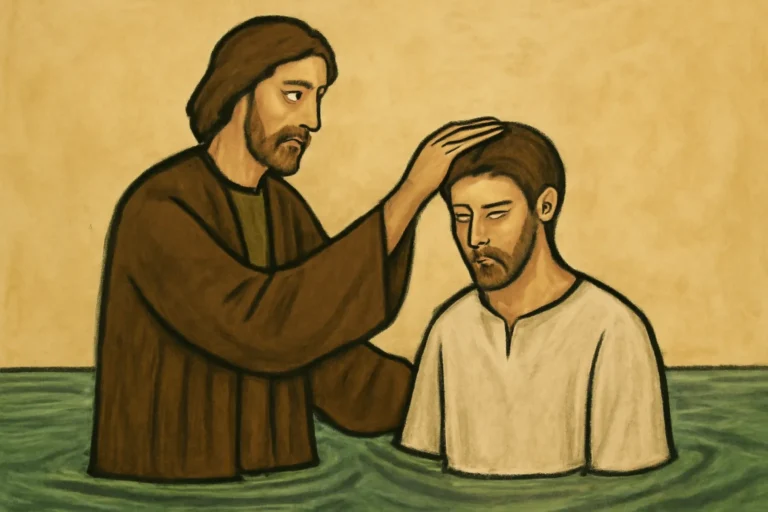
Believer’s baptism: Some Reformed groups also incorporate or emphasize that those who personally profess faith in Christ may be baptized—often by immersion or by the mode customary in their denomination—after a credible profession of faith and instruction in the gospel.
Catechesis and confirmation: For infant baptisms, a period of catechesis often precedes or accompanies baptism, so that the family and the child (when age-appropriate) understand the commitments involved and the promises being made. In some traditions, public confirmation or profession of faith follows baptism as a way of ratifying the covenant sign with personal trust in Christ.
In either case, the Reformed view maintains that baptism is not a “get into heaven for free” doorway. It is a public identification with Christ and his people, and it binds the candidate to a life of discipleship under the Word and the Spirit.
Modes of baptism in the Reformed tradition
Common practice and pastoral nuance
The Reformed family of churches has historically favored the use of water as a sign of cleansing and inclusion, but the mode of baptism has varied by context and denomination. The two most common practices are:
Sprinkling or pouring: These have been the traditional modes for infant baptism in many Reformed churches. They emphasize the sign-typology of cleansing and the pouring out of the Spirit in a way that is practical for infants and young children.
Immersion (less common in historic Reformed churches, more common in some contemporary circles): Some congregations, especially those with a broader ecumenical posture or a culture emphasizing explicit believer’s baptism, may practice immersion for those who profess faith. When immersion is used in a Reformed setting, it is typically framed within the same theological understanding of baptism as a sign and seal of the covenant and as a means of grace connected to faith in Christ.
What matters most in Reformed practice is the theological meaning of the rite, not a single external procedure. Accordingly, the dominant view remains that baptism is the rightful administration of God’s promise to the covenant community, and that the mode should be determined by historical practice, pastoral sensitivity, and the integrity of the church’s confession. In modern contexts, many Reformed denominations publish official guidelines that describe the preferred mode while allowing for local adaptation in light of circumstances and pastoral discernment.
The believer’s relationship to baptism and faith
Faith, regeneration, and the Holy Spirit
In Reformed theology, regeneration is a work of the Holy Spirit in the heart that brings about new life in Christ. Baptism is not regeneration itself, but it is the divine sign that accompanies or confirms God’s work in union with Christ. The Holy Spirit applies the benefits of Christ to the believer through the Word preached, through baptism, and through the ongoing life of faith and obedience.
For infants, baptism expresses confidence in God’s faithfulness to save and to call a child into a life of trust in Christ. For those who come to faith as adults or adolescents, baptism follows a clear profession of faith and repentance, explicitly signaling the turning of the heart to Christ. In both cases, baptism is a public profession of faith and a public commitment to walk in the ways of Christ within the covenant community.
Because baptism is a sign and seal of inclusion in the covenant, it is closely related to the church’s catechetical and pastoral ministry. Baptism is not a one-time event isolated from discipleship; it is the beginning of a lifelong process of learning, repentance, growth, and community life. The church’s responsibility is to nurture baptismal promises through teaching, baptismal vows, and the daily rhythms of the Christian life.
Baptism and the life of the church: liturgy, vows, and the feast
What typically happens in a baptism service
A typical Reformed baptism service includes several shared elements that foreground the meaning of the rite:
Confession of faith or catechetical preparation for the family and, in the case of infant baptism, a brief statement of the family’s faith and church membership.
Public reading of Scripture, homiletic exhortation, and a short exhortation to the congregation about the meaning of baptism and the call to faith and perseverance in the covenant life.
The covenant promises read or paraphrased, highlighting God’s faithfulness to his people and the expectations of nurture and discipline within the church family.
Water ritual performed by the pastor or authorized minister, applying water to the candidate in the mode appropriate for the congregation (sprinkling, pouring, or immersion in specific contexts).
The vows of the parents and, when applicable, of the candidate. These vows express commitments to nurture the child in the faith, to teach the gospel, and to support the child’s growth in grace within the church community.
The outward and visible sign of inclusion in the people of God, followed by the invitation to the congregation to support the baptized person in the Christian journey and to live as witnesses to Christ in the world.
After baptism, the church typically continues with instruction in Scripture, prayer, and a consideration of how the newly baptized member will participate in the life of the church, including participation in the Lord’s Supper as appropriate. The rhythm of worship, catechesis, and fellowship is designed to feed faith and cultivate lifelong obedience to Christ.
Baptism and the Lord’s Supper: the two sacraments together
Complementary signs in the life of the church
In the Reformed tradition, baptism and the Lord’s Supper are the two sacraments given by Christ for the church. They are not mere formality but divinely appointed means of grace that work together to form and sustain the people of God. Baptism initiates a person into the covenant community and signifies the believer’s identification with Christ in his death and resurrection; the Lord’s Supper sustains spiritual nourishment and ongoing participation in Christ’s life.
The two rites emphasize different aspects of the Christian life. Baptism is the initial sign of inclusion in the covenant; the Supper is the ongoing sign of daily dependence on Christ and fellowship with the church. The Reformed practice often reflects this rhythm by requiring faith in those who come to the table and by teaching the church to examine themselves and confess the gospel together as a community.
Historical and confessional anchors
Confessions, creeds, and the local church
The Reformed understanding of baptism is grounded in historical confessions that articulate the church’s teaching. Notable anchors include:
Westminster Confession of Faith (and its Larger and Shorter Catechisms): affirming that the visible church consists of believers and their children, and that baptism is the sign of the covenant and admission to church membership.
Belgic Confession and Heidelberg Catechism: tracing the theological depth of baptism as an act of God’s grace that binds the baptized to the covenant community and to Christ.
Continental and British Reformed traditions: offering historical variations on the mode of baptism, the governance of the church, and the catechetical process that supports baptism’s meaning in real life.
Across these sources, the shared pattern is that baptism serves the assembly of God’s people, confirms the promises of grace, and invites families to participate in a life of discipleship under Scripture and the Spirit. The church’s ministry of baptism thus becomes a normative practice for sustaining the covenant and shaping faith formation across generations.
Practical implications for pastors, families, and churches
Pastoral considerations and family preparation
Pastors and church leaders bear a responsibility to shepherd families through the baptismal process. This includes:
Clear catechesis for parents and, where possible, for older children or youth about what baptism means, what vows are being taken, and how the church will support growth in faith.
Pastoral counsel that navigates questions about covenant membership, church discipline, and the expectations for ongoing discipleship after baptism.
Consistency with the church’s catechetical program by aligning baptism with instruction in the gospel, the history of salvation, and the church’s call to obedience, repentance, and mission.
Pastoral hospitality in welcoming new members and ensuring they are integrated into the life of worship, Bible study, and service within the congregation.
For families, baptism is a gift and a responsibility. It invites them into a disciplined, grace-saturated life that iterates God’s promises to their children and requires faithful teaching, prayer, and example. The church’s role is to walk with families so that the baptismal sign becomes a daily reality in the shaping of character, worship, and service to neighbors.
Common questions and clarifications
Does baptism save?
In the Reformed view, baptism saves only instrumentally as God uses the sign to seal his promises and to mark inclusion in the covenant community. Saving faith is God’s gift through the gospel of Jesus Christ. Baptism does not guarantee personal salvation; it is a visible response to the grace of God and the beginning of a lifelong process of sanctification. The presence of faith—whether in infancy anticipated by parental and church nurture or in an adult proclamation of faith—is essential for the baptism to be meaningful as a sign of the gospel.
Is infant baptism valid for all children born to Christians?
In the Reformed tradition, infant baptism is typically offered for children of believers who are part of the covenant community. Whether an infant is baptized can depend on the church’s tradition and the family’s status within the congregation. The essential point is not the age or the rite alone but the covenantal context: the child is brought into the church’s life as a recipient of God’s promises and into a process of catechesis and faith formation that aims at a personal profession of faith when God grants it.
What about those who have not been baptized?
Many Reformed churches encourage individuals who have not been baptized to seek baptism when appropriate, especially if they have come to faith in Christ. The church’s pastoral practice usually involves listening for a credible profession of faith, ensuring proper catechesis, and then administering baptism in keeping with the congregation’s theological understanding and liturgical norms.
Can baptism be repeated?
The Reformed position generally holds that baptism is not repeated. It is a one-time, divinely instituted sign and seal of the covenant. If a person moves from one church tradition to another, that transition is typically treated as a matter of church membership and covenantal affiliation rather than a second baptism. However, pastoral discernment may address unique circumstances where the original seal was not regularly administered or understood in a meaningful way, always guided by Scripture and pastoral care.
Why the Reformed view remains compelling for many congregations today
There are several reasons why the Reformed understanding of baptism remains persuasive and practically meaningful in modern church life:
Continuity with the Old Covenant: The connection between circumcision and baptism preserves a continuous narrative of God’s people and his promise to call and redeem a people for himself.
Emphasis on the corporate and family dimension: By including children, the church acknowledges the grace of God reaching across generations and frames faith formation as a family and community endeavor.
Clear connection to catechesis and discipleship: Baptism invites a lifelong rhythm of learning, confession, baptismal vow renewal, and faithful living before God and neighbor.
Balanced understanding of grace: Recognizing baptism as a sign and seal helps maintain proper reverence for grace while avoiding a simplistic view of human merit or ritual magic.
In a pluralistic and rapidly changing world, the Reformed approach to baptism can offer a stable, biblically grounded framework for churches seeking to maintain doctrinal clarity, catechetical vitality, and pastoral sensitivity. It invites the church to be a faithful covenant community—a people who witness to God’s grace in Christ through the baptismal sign, the Lord’s Supper, and a life of faithful discipleship.
In summary, the Reformed view of baptism centers on baptism as a covenant sign and covenant seal that incorporates individuals into the visible church and into God’s promises in Christ. It affirms the inclusion of the unbaptized children of believers within the covenant life, while also affirming the place of believer’s baptism for those who profess faith later in life. The practice is always oriented toward God’s glory, the growth of faith, and the ongoing mission of the church to proclaim the gospel, nurture covenantal households, and sustain a culture of praise and obedience through Word and sacrament.