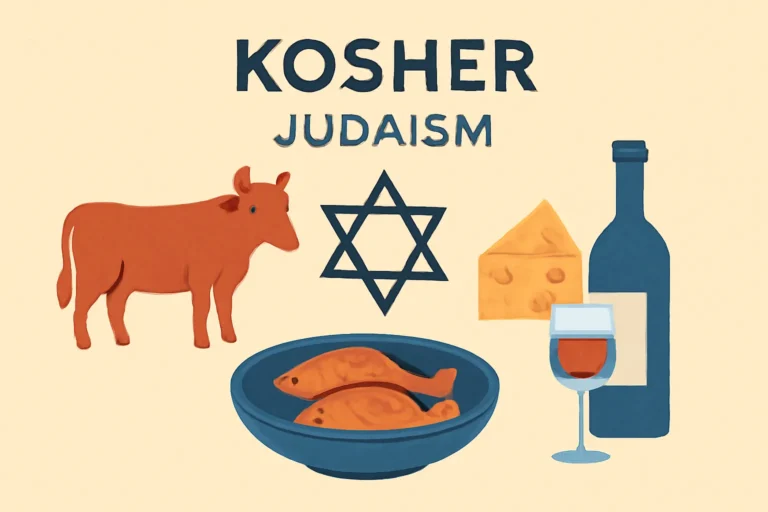
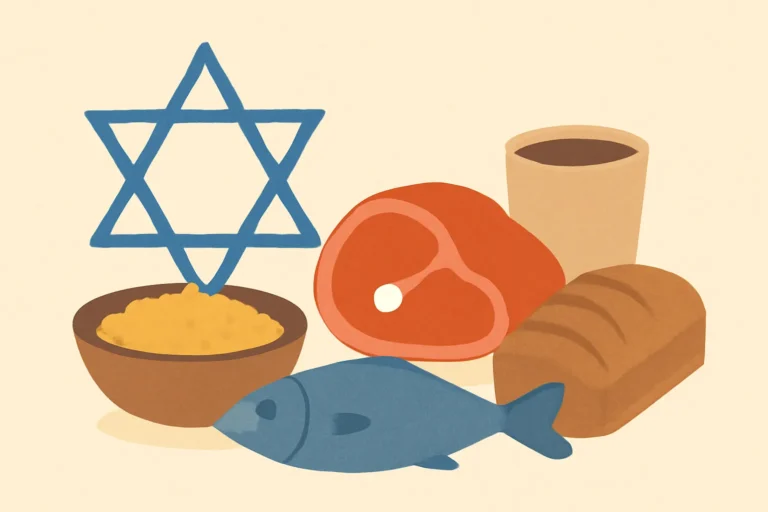
Kashrut, the set of dietary laws observed by many Jews, is a framework built on ancient commandments that seek to regulate what is eaten, how it is prepared, and how meals are combined. The word kashrut derives from a Hebrew root that conveys suitability or fitness, and the practice is often summarized in everyday language as adhering to kosher dietary rules. While some people discuss these laws in detail as a religious obligation, others encounter them as a cultural or ethical system that intersects with health, food science, and community identity. The purpose behind kashrut goes beyond mere rules; it expresses a worldview in which food acts as a vehicle for memory, tradition, and responsibility toward economy, animals, and the environment. In this guide, we will explore the core principles, practicalities, and variations that shape how families and communities observe kosher eating in different contexts around the world.
Core Principles of Kashrut
The practice of kosher dietary laws rests on several interlocking concepts that appear throughout classical Jewish legal texts and later rabbinic clarifications. These principles help practitioners determine what is permissible, what requires specific preparation, and how meals should be organized in a household or institution.
Permissible animals and forbidden animals: Only certain animals are considered acceptable for consumption. For land animals, the animal must have cloven hooves and chew its cud. For fish, the creature must have fins and scales. Birds of prey are generally not kosher.
Distinct categories of food: Foods are often grouped as meat, dairy, and pareve (neutral) items. Pareve foods include vegetables, fruits, grains, eggs, and fish, and they may be eaten with either meat or dairy under most circumstances.
Slaughter and preparation rules govern how animals are killed and prepared to ensure minimal suffering and proper handling of blood.
Blood prohibition: The Torah commands the removal of blood from meat, typically through soaking, salting, and rinse steps before the meat is considered kosher for consumption.
Entanglement of meat and dairy: The commandment not to cook, eat, or derive benefit from meat and dairy mixed together leads to separate kitchens, utensils, and modes of preparation in many households.
Kashrut certification: Many packaged foods carry a hechsher—a symbol indicating that a supervising agency has certified the product as kosher.
Permitted and Forbidden Foods: A Detailed Overview
Understanding what is allowed and what is disallowed in kashrut dietary practice requires examining animal categories, types of food, and the way they are processed. This section outlines the basics, with attention to the variations that arise among communities and traditions.
Animals and fish: What counts as kosher?
In the land-based category, a mammal qualifies as kosher only if it has both characteristics: cloven hooves and chews its cud. Examples include cattle, sheep, and goats, while pigs, camels, and horses are not kosher for various reasons. Birds, by contrast, are not enumerated individually in every list; rather, the tradition identifies certain birds as non-kosher, often including birds of prey and other predatory species.
Kosher mammals include cattle, sheep, goats, and deer that meet the criteria of split hooves and cud-chewing behavior.
Non-kosher mammals include aquatic mammals without the necessary characteristics (e.g., seals) and many other species that do not chew cud or lack cloven hooves.
Fish must have both fins and scales. Shellfish, mollusks, and other non-finned creatures are not kosher.
Birds commonly accepted as kosher include domestic poultry such as chicken, turkey, and duck; many birds of prey are not kosher.
How food is transformed: slaughter, blood, and preparation
Two central ideas govern how meat becomes kosher: shechita (ritual slaughter) and blood removal. The ritual requires a trained slaughterer (shochet) to perform a precise cut with a specialized blade, ensuring a swift and humane method. After slaughter, blood must be removed from the meat, typically by soaking, salting, and rinsing. These steps reflect a commitment to humane treatment, health concerns, and a sense of ritual cleanliness that is tied to the broader meaning of the diet.
The pairing of dairy with meat is a distinct and widely discussed aspect of kosher practice. The Torah’s prohibition has led to a tradition of separating cooking vessels, utensils, and even dish racks to avoid cross-contact between meat and dairy products. The separation is observed in households, restaurants, and food production facilities around the world.
Meat meals and dairy meals are prepared and consumed using separate equipment in many communities.
In addition to separation, many families observe waiting periods between consuming meat and dairy products. The exact duration varies by tradition; common ranges include several hours (for example, 3 to 6 hours) or longer in some communities.
Some people keep dedicated meat dishes and dairy dishes, along with separate sinks and storage areas, to maintain strict separation.
Kosher Slaughter and Blessings: Shechita in Practice
The process of obtaining kosher meat centers on the practice of shechita, with additional considerations for equipment, inspection, and humane treatment. This section explains how the slaughter is conducted and what observers look for in the process.
What is involved in ritual slaughter?
The method of slaughter in kashrut is designed to minimize pain and provide a quick, clean separation of fat and blood from the meat. A trained professional, the shochet, uses a single, very sharp knife to perform the cut. The procedure is evaluated for precision and compliance with halachic standards. In addition to the method itself, the animal must be healthy at the time of slaughter, and the farmed animal’s conditions are often inspected as part of ongoing supervision by a rabbinic authority or a licensed agency.
Inspection and quality control
After the kill, the animal is examined to ensure there are no defects that would render it non-kosher. The inspection examines organs for signs of disease or hidden physical issues. If an animal is found to have blemishes or abnormalities that disqualify it, the meat is considered non-kosher. This inspection is a critical step in maintaining trust in food that carries a hechsher or kosher certification.
Practicalities of a Kosher Kitchen: Utensils, Equipment, and Kashering
Maintaining a kosher kitchen goes beyond the choice of foods; it involves how the kitchen is organized, how utensils are used, and how equipment is kept in a state that does not mix meat with dairy. Here is a practical guide to common practices and terminology you might encounter.
Separation of meat and dairy
In many households, the kitchen is divided into two main streams: a meat area and a dairy area. Each area has its own cookware, utensils, dishware, towels, and cleaning supplies. Some households maintain fully separate kitchens, while others implement partitioned zones within a single kitchen to accommodate both meat and dairy cooking and dining.
Separate cutting boards for meat and dairy
Distinct pots, pans, and utensils that are designated for either meat or dairy use
Dishwashing practices that avoid cross-contact between meat and dairy items
Occasional sanitation rituals that align with local custom and rabbinic guidance
Kashering processes: making equipment kosher again
When equipment has been used for non-kosher or mixed-use purposes, or when an individual wishes to repurpose equipment for different categories, a process called kashering may be employed. There are several methods:
Hagalah — boiling in water to purify metal, baked goods, or certain cookware that can withstand heat.
Libun — heating metal or glass to a high enough temperature so that it becomes non-redeemably hot, effectively removing prior impressions of non-kosher use. This method is more stringent and is not always feasible for all materials.
Duron — a more nuanced approach used for specific cases where the above methods are not appropriate; it may involve other ritual or practical steps under rabbinic guidance.
Holidays and Special Observances: Kosher in Seasonal Contexts
Kashrut practices expand and intensify around Jewish holidays, where dietary discipline can take on added significance. Certain seasons and festivals have distinct rules or customs that intersect with the year-round framework of kosher dietary practice.
Passover and chametz: stricter rules for a sacred season
During Passover, the standard rules for kosher certification expand to prohibit chametz (leavened grains) and often require adherence to stricter standards for kitniyot (legumes and certain grains) in some communities. Observant households may use separate cookware, utensils, and preparation methods to ensure that no chametz enters the kitchen, and products used during Passover frequently bear a dedicated Passover hekhsher to indicate compliance with the festival’s requirements.
On Shabbat, the day of rest, many households emphasize traditional meals that respect the separation of meat and dairy while also acknowledging the sanctity and cadence of the day. Cooking, warming, and serving practices may follow specific rites and customs that reflect a balance between ritual obligations and everyday life. Families may host guests, study, and engage in festive meals that highlight the spiritual dimension of food and community.
Historical and Cultural Context: How Kashrut Shaped Communities
The development of kashrut reflects centuries of legal interpretation, communal norms, and practical adaptation to changing circumstances. From the ancient temple-era restrictions to medieval rabbinic jurisprudence and modern industrial food production, the laws governing diet have been shaped by debates about ritual purity, public health, animal welfare, and the ethics of consumption.
The emergence of organized rabbinic supervision and the proliferation of hechsherim emerged alongside modern food processing and packaging, enabling a broader geographic reach for kosher foods.
Regional customs, such as Ashkenazi, Sephardi, and Mizrahi traditions, influence practical details like waiting times between meat and dairy, preferred slaughtering practices, and recipes that align with local ingredients.
Public health and safety concerns in different eras have interacted with religious decrees to shape how food is handled, stored, and transported in kosher markets and kitchens.
Modern Kashrut: Global Practices and Contemporary Debates
Today, kosher certification is a global enterprise. Large plants, small artisanal producers, and everyday household kitchens across continents engage in a spectrum of practices designed to preserve the integrity of the dietary laws. Several ongoing debates and developments shape how kashrut is observed in the 21st century.
Industrial koshering and animal welfare considerations
As meat production scales up, questions arise about humane handling, stunning methods, and traceability. Some communities require humane slaughter practices or prefer specific standards for animal welfare. Rabbinic authorities work with producers to ensure alignment with halachic requirements while also addressing public concerns about animal welfare.
Plant-based kosher foods and labeling
With the growth of plant-based and alternative protein products, many items bear kosher certification even though they contain no animal products. Plant-based milks, faux meats, and other vegan options can be certified as kosher, including pareve options that are dairy-free. Label readers should look for reliable hechsher symbols and review ingredient lists for any non-kosher components or production-process issues (for example, equipment used for meat or dairy production).
Common Questions and Myths about Kashrut
As with any intricate tradition, there are many questions and a fair share of misconceptions. The following Q&A highlights some practical concerns you might encounter when engaging with kashrut in real life.
A: The kosher status of a product does not guarantee health benefits or risks. Kosher certification focuses on whether the ingredients and production processes meet halachic standards, not on nutrition. Health considerations still depend on the actual composition, processing, and portion sizes of foods. Consumers should read nutrition labels and consult healthcare professionals for dietary guidance.
Q: Can non-Jews eat kosher foods?
A: Yes. Many people who are not Jewish choose to eat kosher foods for reasons related to dietary preferences, perceived quality controls, or ethical standards. However, the religious dietary rules apply specifically to those who observe them as part of their faith practice.
A: No. Kosher products may be meat, dairy, or pareve. A product labeled “kosher for Passover” or certified as pareve could be dairy-free, but you should always check the ingredient list. If a product contains dairy ingredients, it will be labeled as dairy or as having a dairy hechsher.
Q: How strict are waiting times between meat and dairy?
A: Waiting times vary by tradition and household custom. Common ranges include 3, 4, or 6 hours. Some individuals wait longer to ensure careful separation, while others may have shorter waiting periods. In practice, consult your local rabbi or community guidelines to determine the appropriate duration for your tradition.
Q: What does “glatt kosher” mean?
A: The term glatt kosher refers to a stricter standard of meat with respect to the health and appearance of the animals’ lungs. It is a designation used by some communities to signal higher levels of stringency, but its meaning can vary among different rabbinic authorities. It does not universally imply a different standard for dairy or pareve foods.
Glossary of Key Terms
Kashrut — the comprehensive set of Jewish dietary laws governing what is permissible to eat and how foods are prepared.
Kosher — food that conforms to the kashrut rules and is often certified by a supervising authority.
Hechsher — a certification mark on food products indicating they meet kosher standards.
Pareve — neutral foods that contain neither meat nor dairy; can be eaten with either category.
Meat — foods derived from kosher animals that have been slaughtered and processed in accordance with halacha; must be kept separate from dairy.
Dairy — dairy products derived from kosher animals; must be kept separate from meat.
Milk and meat separation — the practice of keeping meat and dairy meals and utensils separate.
Shechita — ritual slaughter performed by a trained shochet to obtain kosher meat.
Kashering — the process of making equipment kosher after it has been used for non-kosher purposes or for mixing categories.
Hagalah — boiling in water to kasher certain utensils or cookware.
Libun — heating to a high temperature to remove prior non-kosher status; a more stringent kashering method.
Chametz — leavened grain products forbidden on Passover.
Kitniyot — legumes and certain grains that some communities avoid on Passover; practices vary by tradition.
Practical Guide for Beginners: Building a Personal Kashrut Practice
For someone new to kashrut, starting with manageable steps can make the practice sustainable and meaningful. The following practical guide offers a gentle path toward incorporating kosher principles into everyday life, whether you are a college student, a young family, or someone exploring a tradition with friends or neighbors.
Learn your baseline: Before making major changes, determine which practices are most feasible for your lifestyle and community. Decide whether you will pursue full separation of meat and dairy at home, or start with simpler steps like choosing kosher-certified products at the store.
Identify reliable certifications: Look for a credible hechsher on packaged foods. Become familiar with the symbols used by a few trusted supervising agencies in your region.
Start with the basics: Begin by ensuring all meat products come from kosher sources and that dairy and meat are kept separate in cooking and dining spaces. Add pareve foods to round out meals without risking cross-contact.
Plan meals and shopping: Create a simple weekly plan that features a few kosher-certified protein sources, fresh produce, and easy pareve sides. Shopping lists organized by meat, dairy, and pareve sections can reduce confusion in the kitchen.
Respect local custom and tradition: If you join a community or synagogue, learn their particular customs, waiting periods, and kashering practices. Traditions differ, and following local guidance fosters harmony and learning.
Ask questions and seek guidance: Do not hesitate to ask rabbis, educators, or knowledgeable community members about specific scenarios, such as dining out, travel, or hosting guests with varied dietary needs.
Preserve the sense of ritual and meaning: While the technical rules are essential, remember that the practice also nurtures values such as discipline, gratitude, and mindful eating.
Conclusion: Reflecting on the Value of Kashrut in Modern Life
The practice of kashrut offers a framework that connects daily nourishment with long-standing tradition, ethical questions, and communal identity. Whether you approach it as religious commandment, cultural heritage, or personal philosophy about food, the core ideas of careful selection, humane treatment, and mindful separation provide a durable lens through which to think about what we eat, how it is produced, and how it affects others. In an increasingly interconnected world, the guided practice of kosher dietary laws demonstrates how ancient wisdom can inform contemporary choices—balancing reverence with practicality, and communal responsibility with individual conscience.