When Does the Sabbath Begin? A Guide to Start Times and Observance
People around the world ask when does the Sabbath begin as they plan worship, family meals, rest, and reflective time. The answer is nuanced: it depends on tradition, geography, and practical concerns like sunset, nightfall, and local calendars. This article surveys the major religious contexts—primarily Judaism’s Shabbat and Christianity’s Sabbath observance—and provides guidance on how to determine start times and observe respectfully. You will find explanations of timing concepts, how to calculate start times in your location, and concrete tips for making the transition into Sabbath or Sunday observance smooth and meaningful.
Understanding the core idea: why start times matter
The Sabbath or Shabbat is not just a blank block of hours on a calendar. For many traditions, it marks a sacred boundary between ordinary days and a devoted time set aside for worship, family, rest, and abstention from certain kinds of work. The precise moment that the Sabbath begins matters because it signals the shift from weekday routines to a special atmosphere—often celebrated with candle lighting, blessings, and festive meals. In some communities, the emphasis is on a specific event in the evening, while in others it centers on a later moment after nightfall when the sky is fully dark. Across traditions, the concept of start time is inseparable from ritual steps, community expectations, and practical life planning.
Judaism: when does Shabbat begin?
In Jewish practice, the formal start of Shabbat occurs with a combination of astronomical and halachic indicators. The most common framework is that Shabbat begins at sunset on Friday or when the appearance of three stars marks the conclusion of the day. However, there is nuance across communities and authorities, which leads to a range of accepted times for the beginning of Shabbat in a given locale.
Key timing concepts: sunset, tzeit ha-kochavim, and three stars
Sunset-based start: In many congregations, Shabbat begins at Friday sunset. This is a practical and widely observed convention that aligns with the general idea of shifting from the weekday calendar to a sanctified period.
Three stars (tzeit ha-kochavim): A traditional criterion used by Orthodox communities is that Shabbat begins when three stars are visible in the evening sky. This moment is known as tzeit ha-kochavim, roughly translating to “the appearance of stars.” The exact timing can vary by season, weather, and latitude, and it is often later than sunset.
Differences by community: Some scholars and communities treat sunset as the definitive marker, while others adhere to the three-star criterion. Conservative and Reform communities may adopt still other formulations or place a greater emphasis on candle-lighting times and communal practice.
Practical start times: lighting the candles and welcoming Shabbat
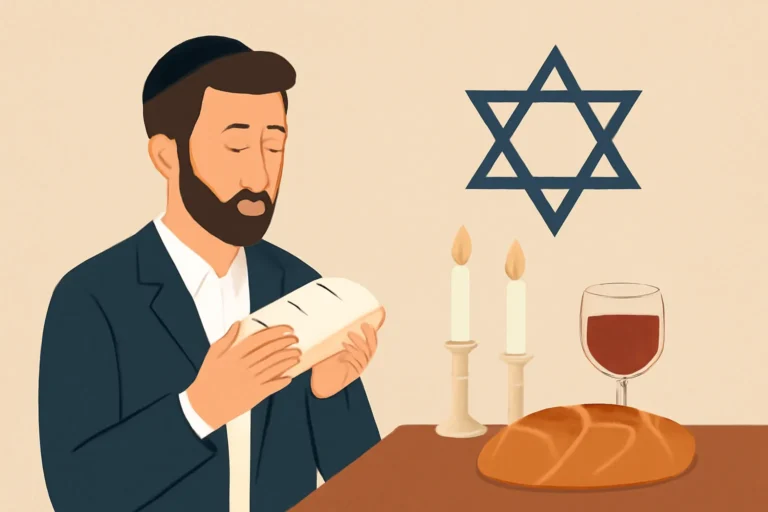
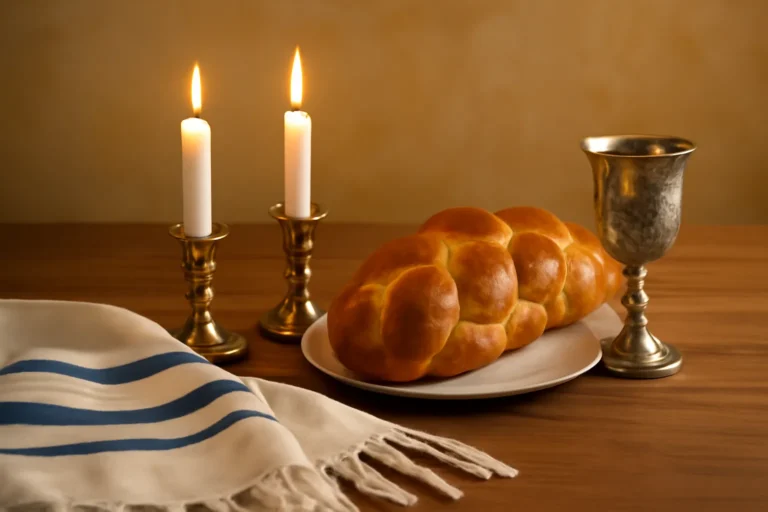
In many Jewish homes, the Sabbath is welcomed with the lighting of candles, a blessing, and a Kiddush at the Shabbat table. Candle lighting typically occurs before sunset in order to usher in the calm, sanctified atmosphere of Shabbat. The exact number of minutes before sunset varies by tradition and family custom—often around 18 minutes in many places, though some communities light even earlier for practical reasons. The candles themselves are seen as creating a boundary between the ordinary weekday and the sacred rest of Shabbat.
End of Shabbat: Havdalah and nightfall
Shabbat ends with the ceremony of havdalah, a ritual that marks the separation between the holy day and the ordinary weekdays that follow. The traditional end time is tied to nightfall and the appearance of remaining stars, though some communities conclude Shabbat earlier with the minimum required rituals or with Sunday morning observance in minds. Havdalah usually includes a braided candle, a blessing over wine, and spices. The timing for Havdalah depends on when the stars come out and when the next weekday begins, creating a clear transition from Shabbat to the rest of the week.
Regional variations: geography, tradition, and calendar usage
Timing for the start of Shabbat can look different depending on where you live. In Israel, many communities observe sunset-driven start times, though some follow the three-star rule in certain contexts. In the diaspora, especially throughout North America and Europe, the choice between sunset and three stars often reflects the local rabbinic authority and communal norms. Sephardic and Mizrahi communities may follow slightly different practices than Ashkenazi communities, sometimes using different candle-lighting times or havdalah formulations. In addition, the use of daylight saving time can affect the practical rhythm of Friday evening and Saturday during the year, requiring communities to adjust calendars and calendars to avoid confusion.
Christian Sabbath: variations and the Sunday observance
Within Christianity, the term Sabbath has historically referred to the weekly day of rest and worship, with the most common contemporary practice being observance on Sunday, often called the Lord’s Day. While Sunday worship and rest are now widely customary in many traditions, the concept of the Sabbath—an intentional time set aside for God, reflection, and communal gathering—can be interpreted and observed differently across denominations and cultures.
Sunday as the Sabbath in modern Christian practice
Sunday worship: Many Christian communities designate Sunday as a primary day for church services, sermons, and communal prayer. This aligns with the historical belief in Jesus’ resurrection on a Sunday, which gave the day special significance for Christians.
Rest and family time: Some families emphasize rest, reconnection, and family meals on Sunday, treating it as a time apart from ordinary work and commerce.
Variability by tradition: Some churches discourage work on Sundays beyond essential duties, while others may adopt a more flexible approach that balances worship with ordinary life.
Differences across traditions: Sabbath vs. Lord’s Day
Some Christian groups emphasize a distinction between the Sabbath and the Lord’s Day in terminology and practice. In many Protestant and Catholic communities, the Lord’s Day carries a unique liturgical rhythm that includes communion, preaching, and communal prayer. In contrast, certain Adventist or other Sabbath-keeping groups maintain Saturday observance as the authentic Sabbath, aligning more closely with Jewish practice in terms of timing and rest. For readers navigating Christian traditions, understanding local church calendars and official guidance can help clarify when the Sabbath begins in a given community and how it should be observed.
Practical guidance: how to determine start times for your location
Whether you are seeking start times for the Sabbath or trying to coordinate family plans, here are practical methods to determine the exact moment in your location. The goal is accuracy, respect for tradition, and ease of planning.
Using sunset tables and calendars
Astronomical sunset: The moment when the sun dips below the horizon is a common reference for the start of Shabbat in Jewish practice. Sunset varies by date and location, so consult a reliable local sunset table or a calendar app that provides daily sunset times for your city.
Three stars criterion: If your community follows the three-star rule, you will need a star visibility reference for your latitude and date. This is more technical and may require local rabbinic guidance or a traditional calendar published by your community.
Havdalah timing: To plan for the end of Shabbat, determine when nightfall occurs and when three stars are visible, then apply the havdalah ritual. Some calendars provide a dedicated “Shabbat end” time to simplify planning.
Smartphones and apps: local times at a glance
Today’s smartphones offer a range of apps and widgets that provide real-time sunset and nightfall data. For example, you can use:
Sunset and sunrise apps that display today’s sunset, civil twilight, nautical twilight, and astronomical twilight, useful for planning both the start and end of Shabbat.
Jewish calendar apps that show candle lighting times, weekly parashot, and halachic start times based on your city and tradition.
Church calendars for Christian communities that indicate the start of Sunday worship or the time of morning services, helping families plan travel and rest accordingly.
Adjusting for travel, time zones, and daylight saving
Travel can complicate Sabbath planning. If you are in a different time zone or crossing into a place that changes clocks, use the local sunset time of the destination or the official synagogue calendar for the locale. Daylight saving time can shift the practical start of Shabbat by a few minutes in spring and fall; be sure to check calendars for the exact year’s changes. When planning for a trip, it’s helpful to have a trusted local contact or a digital reference that updates automatically with the local time and calendar.
Planning for the day: practical observance tips
Knowing when the Sabbath begins sets expectations for preparation, but the actual observance involves rituals, meals, and rest. Here are practical ideas for a meaningful observance, applicable across traditions or when you’re simply curious about the practice.
Before the start: preparation and anticipation
Food preparation: In many traditions, Friday is a day of careful preparation so that readers do not need to cook during Shabbat. This includes cooking certain dishes ahead of time and setting the table with a sense of ceremony.
Household boundaries: Some families unplug from electricity or modern conveniences in designated spaces, honoring a boundary between the ordinary and the sacred.
Spiritual focus: Many people choose to study sacred texts, pray, or share reflections with family members before Shabbat begins, to set a contemplative mood.
During Shabbat or the Sabbath: observance practices
Lighting candles and reciting the relevant blessings are central to welcoming the Sabbath in many traditions. This ritual acknowledges the margins between ordinary time and sacred time.
Special meals: A festive meal, often with songs, blessings, and community or family participation, reinforces the sense of community and rest.
Prayer and study: Attending services, reading scripture, or engaging in study circles are common ways to intensify the spiritual dimension of the day.
Rest and refraining from certain work: Observances often include refraining from labor or activities considered to be “melacha” (work) and focusing instead on rest, connection, and gratitude.
Ending the Sabbath: havdalah and transition to the weekday
Observers typically mark the end of the Sabbath with havdalah, a ceremony that uses a braided candle, a cup of wine or grape juice, and spices. This ritual helps create a clear transition back to ordinary life, and in many places, communities congregate for social or family gatherings afterward. The timing of havdalah is closely tied to nightfall, when three stars or equivalent evening markers appear, depending on local custom.
Common questions: a quick guide to variations
What if I live in a place with long twilight?
In places with extended twilight, the start of Shabbat according to the three-star rule can occur well after sunset, sometimes significantly later in the evening. Families and communities choose a practical approach that aligns with their rabbinic guidance and local custom, ensuring the transition feels meaningful rather than rushed.
Is the Sabbath the same as the Lord’s Day?
Not exactly. The term Sabbath commonly refers to a weekly day of rest observed by many Jews on Friday evening to Saturday night. The Lord’s Day is the Christian concept of Sunday as a day of worship and rest. In practice, services, rest, and family time may overlap, but the theological emphasis and liturgical patterns often differ between traditions.
While some traditions emphasize exact halachic times like sunset or three stars, others place more emphasis on candle lighting or communal schedules. The important thing is to align with your tradition, communicate with your community, and structure your day in a way that fosters reverence and rest.
Observing respectfully across traditions
When discussing or participating in Sabbath or Sunday observance in a diverse environment, a respectful approach helps. Acknowledge that:
Different communities have different start times, rituals, and expectations.
Intent matters: The aim is to honor a day of rest, devotion, and community—whether you observe in a deeply traditional mode or in a more contemporary way.
Communication is key: If you are hosting or attending, clarify expectations about candle lighting, meals, travel, work, and technology use.
Glossary and key terms
Shabbat (Hebrew): The Jewish Sabbath, observed Friday evening through Saturday night.
Tzeit ha-kochavim: “Appearance of the stars”; the time when three stars are visible, used by some to signal the end of the day and the beginning of Shabbat or its end.
Melacha: A Hebrew term referring to “work” or prohibited types of labor during Shabbat.
Kiddush: The blessing over wine that sanctifies Shabbat or a holy day.
Havdalah: The ceremony that marks the end of Shabbat by separating sacred from ordinary time.
Lord’s Day: A Christian term for Sunday, a day set aside for worship and rest.
Putting it into practice: sample scenarios
Understanding when the Sabbath begins helps you plan practical steps for diverse situations. Here are a few hypothetical scenarios that illustrate how start times can shape routines:
Urban Jewish family in a Western city: They check the local Friday sunset, consider candle-lighting traditions that begin 18 minutes before sunset, and plan a Friday evening meal that formally welcomes Shabbat at candle lighting. They anticipate Shabbat’s end with Havdalah, usually after nightfall and the appearance of stars, and they adjust their weekend activities accordingly.
Orthodox community in the Middle East: The start of Shabbat may be anchored to a traditional time that aligns with tzeit ha-kochavim. They rely on local rabbinic guidance and a published calendar that reflects prevailing customs in their region, with careful attention to seasonal changes that affect the exact moment of stars’ appearance.
Christian congregation in a city with a strong Sunday culture: The Lord’s Day is observed with a morning service, often a focus on worship and community. Some families also reserve Sunday afternoon for rest and family time, aligning with their denomination’s guidance about labor and recreation.
Traveling family crossing time zones: They consult the local timetable for their destination and plan to observe the start time according to the place they are in, implementing candle lighting or starting a service as appropriate to the local tradition.
Resources and further reading
For readers who want to delve deeper into the topic, consider consulting:
Local synagogue calendars and rabbinic guides for precise times in your community.
Jewish law (halacha) resources explaining the details of Shabbat start and end times, candle lighting, and havdalah.
Church calendars and denominational guides describing Sunday observance practices and the theological basis for the Lord’s Day.
Apps and online tools that provide location-based sunset times, candle lighting times, and havdalah markers.
In summary, the question “when does the Sabbath begin” invites a layered answer. The exact moment is shaped by tradition, place, and seasonal variation. Whether you are preparing for Shabbat in a Jewish household, observing the Lord’s Day in a Christian congregation, or simply exploring how different communities mark the week, the core idea remains: this is a deliberate transition from the ordinary to the sacred. By understanding the relevant timing concepts, consulting reliable calendars, and honoring local customs, you can observe the Sabbath or the Lord’s Day with purpose and reverence.