Rules of the Jewish Sabbath: A Comprehensive Guide to Shabbat Laws and Practices
Shabbat is a weekly rhythm in Jewish life that invites rest, reflection, and community. Spanning from Friday evening to Saturday night, it is a time when many ordinary activities are set aside in favor of sanctuary, prayer, study, and family. The rules surrounding Shabbat observance are rooted in ancient texts and developed through generations of halachic discussion. While the core principles are shared, local customs and denominational interpretations can shape how a family keeps the Sabbath. This guide presents a broad, educational overview of the major laws, practices, and practical considerations that help explain why Shabbat looks different in different homes, synagogues, and communities.
What constitutes the sanctified period: When Shabbat begins and ends
The Shabbat window follows the arc of the sun. In most communities, Shabbat begins at candle lighting on Friday evening, which is mounted slightly before sunset to allow a transition from weekday activity to sanctity. The exact timing depends on locale and tradition, with some communities lighting 18 minutes before sunset and others following different customs. In any case, candle lighting marks the formal entry of Shabbat, creating a deliberate boundary between the ordinary workweek and a day devoted to rest, spiritual focus, and the sanctification of time.
Shabbat concludes at nightfall on Saturday, with the moment usually defined by the appearance of three stars in the sky. Havdalah, a short ceremony that separates Shabbat from the regular week, is recited after sunset on Shabbat’s end in most communities. Some places observe a slightly later Havdalah time, but the essence is the same: a formal departure from the sacred day and a return to weekday routines.
The overarching idea is to cultivate time sanctification—to convert a regular weekend into a consciously dedicated period. This shift is not only about abstaining from certain actions; it is also about embracing meaningful activities: family meals, study, prayer, and rest within a framework of shared values.
The core frame: prohibitions and the concept of melachot
Central to Shabbat discipline is the prohibition against performing work or acts that resemble the creative labor associated with the Jewish Seven Days of Creation. The classical list of prohibitions is known as the 39 Melachot, categories of labor traditionally understood to be prohibited on Shabbat. While it is not practical to reproduce every item here with perfect technical precision, the foundational idea is clear: almost any act that would create or complete something new or make a change in the physical world is subject to restrictions.
In modern life, scholars and communities translate these categories into practical guidelines. You will see a spectrum of interpretation across communities, and some actions that seem ordinary during the week—like using electricity—are debated among authorities. This is why it is essential to understand both the broad principle and the local custom when applying Shabbat rules in daily life.
Representative examples of prohibited activities (with modern context)
Cooking and food preparation that involve heating food or altering its state. Many communities rely on food prepared before Shabbat (melaveh malka on Friday night) that remains edible without further cooking on Shabbat.
Lighting or extinguishing a fire or creating heat, including operating devices that function as heat sources.
Writing, erasing, or making marks that produce a lasting record or change, including electronic documentation or messaging in some circumstances.
Carrying objects in a public domain or transporting items beyond a private domain, unless an eruv boundary is in place.
Building, demolishing, or basic modification of structures—even small construction projects are generally avoided on Shabbat.
Mechanical work or tasks that resemble a labors of industry, such as drilling, cutting, or assembling a component, if it would be done in a week-day workshop.
A helpful way to approach these restrictions is to think in terms of three broad domains:
Creative acts that alter the world (building, planting, sculpting).
Transformations that change the state or appearance of matter (burning, boiling, shaping, or combining).
Containment and carrying that affect space and movement (carrying in public spaces, transferring items between domains).
Within this framework, communities develop practical rules. Some actions are prohibited in theory but permitted under certain conditions (for example, if the action is for the sake of saving a life, see Pikuach nefesh). The next sections describe how these prohibitions translate into everyday practice.
What is Muktzeh and why it matters
A key concept in Shabbat discipline is Muktzeh, which refers to objects that should not be moved on Shabbat because they have been designated for a prohibited use or belong to a special category. Examples include certain money, tools, or devices whose primary use is prohibited on Shabbat. Understanding Muktzeh helps participants avoid unintended violations by keeping certain items set aside and not handled during Shabbat.
The practical upshot is: when you observe Shabbat laws, you typically prepare by removing muktzeh objects from the central living space, and you reserve certain items for allowed use within the sanctified day.
Rituals and blessings: key practices that structure Shabbat
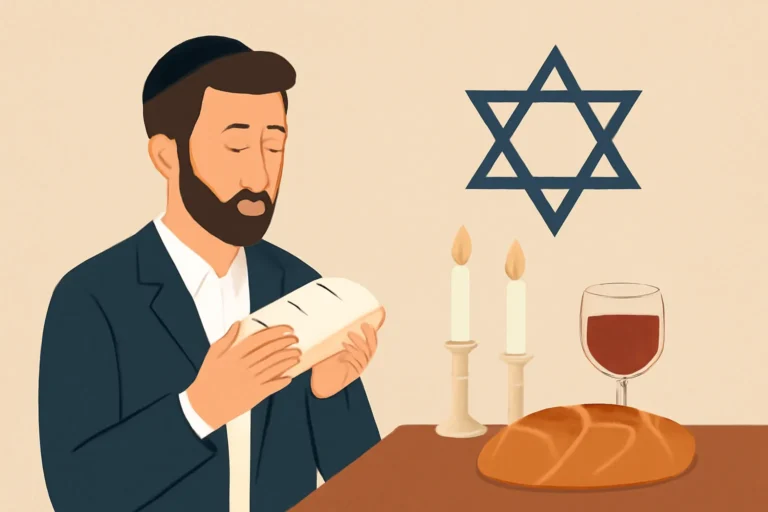
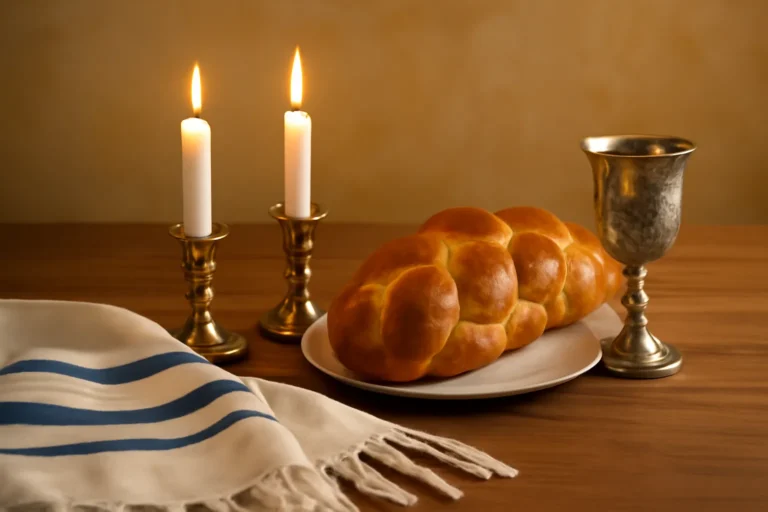
The ritual start of Shabbat is marked by candle lighting, often performed by women but not exclusively so, depending on family tradition. The candles create a symbolic bright boundary between the weekday and the sanctified hours. Accompanying the lighting are blessings and the welcoming of Shabbat with a sense of peace and beauty.
Common practice includes one or two candles, a blessing over fire, and the declaration of a Shabbat atmosphere. In some households, additional rituals accompany candle lighting, such as preparing a family display, setting the table with special foods, and sharing a moment of quiet togetherness before the meal.
Kiddush, festive meals, and blessing over the wine
A central element of Shabbat meals is the Kiddush, a blessing recited over wine or grape juice to sanctify the day. The Friday night Kiddush is typically recited aloud at the start of the Seder-like Shabbat meals, and there is a separate Kiddush recited on Shabbat morning in many communities.
The Kiddush sets the tone for the day, followed by a festive meal that often includes multiple courses. Grace after meals (Birkat HaMazon) is recited after the meal, a blessing sequence that thanks God for sustenance and sustains the sense of gratitude and community that Shabbat embodies.
Prayer, study, and time with family
Shabbat is not merely a day of rest; it is also a day of spiritual elevation. Many families attend synagogue services, where prayers for Shabbat, the weekly Torah portion, and special liturgy are recited. For others, personal study of Torah or religious texts, as well as listening to commentaries and stories, plays a central role. The structure of the day often includes Pesukei D’Zimrah in the morning, the Amidah (the standing prayer), and communal singing, all contributing to a sense of holiness.
At the close of Shabbat, the Havdalah ceremony is performed to separate the sacred time from the ordinary. The ritual typically features a braided candle, a cup of wine, balsam or spices, and a blessing over fire, light, and fragrance. The distinct blessing over the spice kept the sweetness of Shabbat in the mind as the week begins, and the candle’s braided light serves as a memorable symbol of the boundary between holy time and the week ahead.
Preparation and daily life on Shabbat: how families actualize the laws
Muktzeh and advance preparation
In advance of Shabbat, many families engage in careful preparation to minimize work during the day itself. This includes cooking before sunset on Friday, setting the table with special foods, and ensuring any potential muktzeh items are out of the day’s central space. The aim is to approach Shabbat with less friction between the sanctified hours and the need to violate restrictions.
Carrying and private vs public domains
A common practical question concerns carrying items on Shabbat. In many places, the ability to carry in public spaces depends on the local eruv status. An eruv] is a legal boundary that extends the private domain into public spaces, enabling carrying within the designated area on Shabbat. If no eruv exists, people often adjust by staying within quiet spaces or using a designated carrying area in the home.
Electricity, devices, and modern life
The question of electricity is a major point of discussion in contemporary practice. Some authorities treat turning on a device as a form of kindling or creating, which may be prohibited. Others distinguish between direct action (turning on) and pre-programmed operation or voice-activated devices that might be permissible in certain circumstances. Consequently, households decide their stance on technology by consulting their rabbi or tradition, and many adopt a rule of minimized device use during Shabbat or using technology only for essential needs or in ways that align with their community’s interpretation.
Food rules and Shabbat meals
Food preparation on Shabbat is shaped by a mix of ancient restrictions and modern adaptations. Families typically plan multiple courses for Friday night and Saturday lunch, ensuring that meals are ready in advance or prepared in a way that complies with the restrictions. Special dishes and set tableware help cultivate a sense of hospitality and restful atmosphere, turning meals into a focal point of the day.
Variations across communities: how different traditions keep Shabbat
Orthodox practices
In Orthodox communities, the rules of Shabbat tend to be observed with a high degree of stringency. Tradition and rabbinic authority guide daily behavior, and there is strong emphasis on turning to the classic three pillars: prayer, study, and family. Women’s participation in lighting candles and other rituals is common, with male and female roles each having meaningful expressions within their traditions.
Conservative and Reform approaches
The Conservative movement often emphasizes a balance between traditional observance and contemporary life, allowing for certain adaptations while preserving core prohibitions. Reform communities typically place a stronger emphasis on spiritual experience, ethical commitments, and personal observance, sometimes interpreting the prohibitions in a more flexible or modern context. In all cases, the focus remains on ritual sanctification, family meals, and community prayer.
Practical differences in daily life
Which hours count as Shabbat and how strictly to observe candle lighting times
Levels of participation by women in public rituals
Use or avoidance of technology and electricity
Which foods are prepared ahead of time and how they are served
Regardless of the specific denomination, many communities share the conviction that Shabbat is a gift—a moment to pause from the week’s bustle and to re-center with family, learning, and sacred intention.
Shabbat in the wider world: travel, hospitality, and public life
Shabbat away from home
When traveling or staying with others, the core rules remain the same, but practical adjustments are common. Travelers may need to plan meals around Friday cooking and Saturday fasting or resting, or they may rely on a host community’s customs. It is customary to communicate with hosts before Shabbat arrives to discuss expectations, especially regarding candle lighting, meals, and Kiddish.
Hospitality and guest practices
In many Jewish homes, Shabbat hospitality is a cherished value. Guests are welcomed to join Shabbat meals, hear a brief Torah reading, and participate in song and discussion that enrich the experience. The aim is to create an atmosphere of warmth, safety, and spiritual nourishment for all who gather.
Public spaces and community observance
Within a synagogue or a community center, Shabbat often features a schedule of prayer services, Torah readings, and often educational sessions or festive meals with neighbors and friends. This communal aspect strengthens the sense that Shabbat is not simply a personal obligation but a shared culture and tradition.
Pikuach nefesh and other exceptional cases: safety and sacred obligation
Life preservation overrides
A central principle in Jewish law is Pikuach nefesh—the obligation to preserve human life. When a life is at stake, nearly all prohibitions can be set aside, and actions may be taken to save a life, even if that involves violating standard Shabbat restrictions. This principle underscores the value of human life and provides a framework for handling emergencies with wisdom and compassion.
Illness and caregiving on Shabbat
Illness adds another layer of complexity. Families and communities often consult with rabbinic authorities on how to balance compassionate caregiving with Friday night and Saturday rest. In some cases, illness itself can necessitate certain accommodations during Shabbat, with guidance aimed at maintaining dignity, safety, and healing.
Beyond life-and-death scenarios, there are nuanced allowances in the law that allow actions to prevent embarrassment, to avoid cruelty, or to safeguard the dignity of others. These allowances are typically discussed with knowledgeable authorities within the community, and they highlight the humane orientation at the heart of Shabbat practice.
A practical approach to Shabbat is to create a plan that aligns with your tradition. This might include listing Friday cooking tasks, candle lighting times, a schedule for meals and prayers, and a simple Havdalah ritual at the end of Shabbat. The intention to set aside certain activities and focus on sacred time is at the core of successful Shabbat observance.
Make a kitchen and home ready for Shabbat
A well-prepared home reduces weekday friction. Store forbidden items out of sight, set up a dedicated Shabbat space, and arrange tables with candles, wine, bread, and wine cups for the Friday night Kiddush. When guests arrive, the atmosphere should feel welcoming, calm, and purposeful.
Learn, discuss, and adapt
The most valuable habit is ongoing learning. Explore the core texts, discuss rabbinic interpretations with a local authority, and observe how your own family experiences Shabbat. The laws are meant to guide, not to create guilt; the goal is to cultivate a meaningful, restorative, and joyful day.