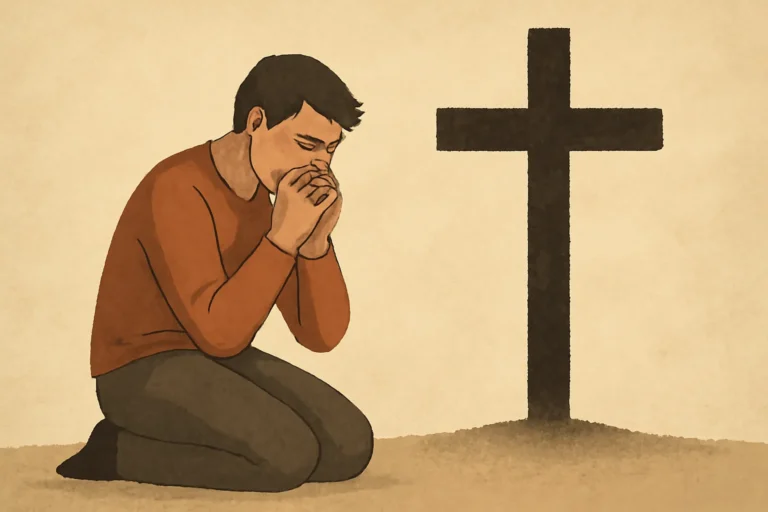
Confession in Prayer: A Practical Guide to Forgiveness
Confession in prayer is a deliberate and intimate practice that invites honesty, humility, and healing. It is not merely listing wrongs we have committed; it is a posture of the heart that opens space for truth-telling, vulnerability, and transformation. When we speak of confession in prayer, we are describing a process that moves from awareness of fault to the experiences of mercy, reconciliation, and renewed commitment. This article offers a practical guide to using confession as a pathway to forgiveness—for individuals, communities, and the inner life of faith.
At its core, confession in prayer is an intentional admission of truth before the divine. It often includes acknowledging actions, motives, or patterns that have caused harm to others or to one’s own integrity. But confession is more than a legalistic inventory; it is an act of solidarity with reality as it is, and a recognition that truth-telling is a prerequisite for healing. It can take many forms depending on tradition, temperament, and circumstance:
Admission of fault: name the specific conduct or attitude that violated a standard or harmed someone else.
Contrition: express sincere sorrow and regret for the hurt caused.
Repentance: resolve to turn away from the pattern that led to wrongdoing.
Seeking mercy: invite forgiveness and cleansing, inviting grace to renew the self.
Commitment to repair: outline actions to repair harm, make amends, or restore relationships.
It is helpful to distinguish between private, personal confession and communal or liturgical confession. In private prayer, confession may be a solitary conversation in which you speak honestly before God, your own conscience, or a trusted spiritual guide. In communal contexts, confession can be a shared ritual that binds participants in mutual accountability and collective mercy. Either way, the essential elements tend to recur: honesty, humility, contrition, accountability, and a hopeful request for restoration.
Grounds for confession: honesty, humility, and forgiveness
Confession works best when it rests on a tripod of honesty, humility, and a confident longing for forgiveness. Here are some foundational ideas to guide the practice:
Honesty: naming both actions and motives helps uncover patterns beyond isolated incidents. It also reduces the gap between outward behavior and inward intention.
Humility: recognizing human fallibility invites grace. Humility is not self-deprecation but accurate self-knowledge anchored in dignity.
Forgiveness: confessing creates space for mercy to work. It is not earned by mere words but invited through repentance, trust, and a genuine desire for reconciliation.
Accountability: confession often benefits from accountability partners, mentors, or faith communities who can offer support, correction, and encouragement.
Transformation: confession aims at change, not just confession for its own sake. The goal is to align life more closely with love, justice, and truth.
When confession is framed in this way, the practice becomes less about condemnation and more about release—the release from self-deception, the release of burdens carried in secrecy, and the release of relationships strained by unaddressed harm. The practice of confession can thereby become a catalyst for renewal in both the heart and the community.
A practical framework for confession in prayer
Below is a practical framework you can adapt to your tradition, schedule, and temperament. It emphasizes process over perfection and invites ongoing engagement rather than one-time events. You can use it for daily quiet time, a weekly confession, or a longer season of reflection.
Step 1: Create space and posture
Begin by preparing a quiet space, free from distractions. Consider using a short breathing exercise or a brief centering prayer to settle into the presence of the divine. In this initial moment, adopt a posture of openness and receptivity. Remind yourself that confession is not a performance but a relationship-building act—between you and the Source of mercy, and, if relevant, among members of your community.
Step 2: Engage in inner examination
Spend time naming what you know in your heart and mind. This is where you distinguish what you did from why you did it, and how things affected others. A practical approach is to move through spheres of life such as thoughts, words, and actions, as well as patterns (repeated temptations or habits) and relationships (how your conduct impacted family, coworkers, or strangers).
Thoughts: identify lingering judgments, resentments, or rationalizations.
Words: recall gossip, harsh speech, lies, or neglect of truth.
Actions: describe concrete deeds that harmed others or yourself.
Patterns: recognize recurring sins or impulses that pull you away from love and responsibility.
Relationships: consider how your behavior has affected trust, safety, and care.
In this step, write or speak concrete statements identifying what you did or failed to do. Use precise language rather than vague excuses. For example, say, “I spoke harshly to my colleague in the meeting, which undermined trust,” rather than, “I was not kind today.” This specificity helps prevent vague remorse and fosters real accountability.
Step 4: Express contrition and sorrow
Let genuine sorrow flow from your heart. This is not about theatrics but about aligning emotion with truth. Acknowledge the pain your actions caused, both to another person and to your own integrity. Statements of contrition may include expressions like I am sorry for…, Please forgive me for…, or I regret…. If it helps, name the impact you observe in others and in yourself, and invite healing into those spaces.
Step 5: Seek forgiveness and cleansing
Ask for forgiveness with sincerity and trust. In many traditions, forgiveness is seen as a gift that heals what is broken within and between people. You can frame this step as a plea for cleansing, renewal, and the restoration of relationship. You might articulate this as mercy, grace, or reconciliation, depending on your faith commitments. If you are practicing within a community, you may also name a specific person or community you seek to reconcile with, where appropriate.
Confession is most effective when it includes a plan to repair harm and to change behavior going forward. Outline concrete steps you will take to amend the situation, repair trust, or prevent repetition. This can involve apologizing to a person directly, offering restitution, or adjusting patterns—such as setting boundaries, seeking counseling, or building new habits that promote healthier outcomes. A commitment to change should be practical, measurable, and time-bound when possible.
Step 7: Invite accountability and sustain the practice
Accountability does not negate freedom; it enhances it. Consider sharing your confession with a trusted friend, mentor, or spiritual director who can offer perspective, remind you of your commitments, and hold you to the path you’ve chosen. You might also establish a regular time for ongoing confession—daily, weekly, or monthly—so that forgiveness remains a living practice rather than a one-off act.
End your practice by acknowledging grace, offering thanks for mercy, and naming your hope for renewal. Express gratitude for the possibility of restoration, for the strength to walk in truth, and for the presence that sustains you on the journey toward reconciliation.
Words and phrases used in confession
Confession in prayer can take many linguistic forms. Different traditions emphasize different shades of meaning. The following overview highlights common terms you may encounter or choose to adopt in your own practice:
Confession of sins or confessional confession: explicit admission of wrongs before God or a sacred community.
Acknowledgement or owning up: a broad term that can apply beyond moral failure to recognition of faults or harms.
Repentance: turning away from wrongdoing and turning toward a more loving path.
Lament: expressing sorrow and grieving over harm caused by actions or wrongdoing.
Contrition: heartfelt remorse that centers on the pain caused by one’s actions.
Plea for mercy or request for forgiveness: seeking grace to restore relationship and break the cycle of harm.
Restitution: offering or accepting reparative steps to repair damage caused.
Renewal or reformation: desire for ongoing transformation of a person’s life.
Resolution or commitment to change: concrete plans to alter behavior and choices.
In practice, you may mix terms or tailor them to your own spiritual vocabulary. The key is to maintain clarity and intention, so that language serves truth-telling and healing rather than simply performing a ritual.
The psychology and theology of forgiveness in prayer
Confession in prayer intersects psychology and theology in meaningful ways. From a psychological perspective, voicing guilt and taking responsibility can reduce cognitive dissonance, lower anxiety, and restore a sense of agency. Naming harms helps shift from implicit bias and denial to explicit awareness, which is a prerequisite for change. The act of confessing is often followed by a sense of relief, liberation, and clarity, because a burden that was carried in secret is no longer hidden. The process can also foster empathy for others and a more careful consideration of how one’s impulses affect the vulnerable in daily life.
The theological dimension frames confession as a relationship with a divine source of mercy. In many Christian traditions, confession is connected to the belief that God’s forgiveness is available and that divine grace empowers transformation. This does not imply a passive acceptance of wrongdoing but invites an active turning toward the good. For believers, confession is a gateway to reconciliation with God and with neighbors, a doorway through which healing love enters into broken places.
Other faiths and spiritual practices also acknowledge the virtue of confession as a practice of integrity. Even when the language differs—whether through mindful reflection, moral inventory, or lament—the underlying principle remains: honest truth-telling creates space for healing, accountability, and new life. The universality of confession lies in its capacity to reduce secrecy’s grip, invite responsibility, and nurture a hopeful path forward.
Confession in private prayer vs. confession in community
Both private and communal forms of confession have distinct benefits and caveats. Private confession offers intimate space for candid reflection and allows you to speak without fear of judgment. It can be especially important when dealing with areas that require strict confidentiality or personal vulnerability. In private practice, you can experiment with different prayers, journaling prompts, or silence to uncover hidden patterns and articulate a sincere desire for change.
Confession in a community or liturgical setting provides accountability, shared mercy, and a sense of belonging. When confession is part of a communal rhythm—whether in a church service, a small group, or an online fellowship—the act becomes a shared recognition of imperfection and a collective plea for grace. In such contexts, the community can offer support, correction, and practical help for repairing harm and growing in virtue. The tension between accountability and grace is often tempered by the community’s norms, leadership, and shared commitments.
Regardless of the setting, it helps to approach confession with a spirit of reverence for truth, respect for others, and a humble reliance on mercy. When practiced with care, confession can deepen trust, soften entrenched defenses, and open space for authentic love to flourish.
Common obstacles in confession and how to overcome them
Confession is not always easy. Several common obstacles can hinder the practice, but mindful strategies can help overcome them:
Pride or defensiveness: The fear of appearing weak or flawed can prevent honest confession. Strategy: reframe confession as a courageous act of truth-telling and a prerequisite for healing, not a judgment of character.
Rationalization: Excuses can mask the reality of harm. Strategy: name the specific behavior and its impact in concrete terms, resisting the pull to justify.
Shame and fear of rejection: Shame can silence confession. Strategy: invite supportive witnesses or mentors who respond with compassion and guidance, not condemnation.
Lack of specific language: Vague remorse doesn’t translate into change. Strategy: practice precise description of actions, motives, and consequences, and write them down.
Difficulty accepting responsibility: It can be hard to own up to fault. Strategy: begin with acknowledgement of impact before stating any mitigating factors, and move toward responsibility.
Impatience with the process: Expecting instant relief can undermine depth. Strategy: commit to a sustained practice, recognizing that growth is gradual and ongoing.
By recognizing these obstacles and applying practical approaches—such as journaling, speaking with a trusted confidant, or setting up a regular confession routine—you can transform confession from a hurdle into a doorway to freedom and restoration.
Tips for sustaining a daily practice of confession
Sustaining a healthy pattern of confession requires intention, rhythm, and practice-friendly methods. Here are some practical tips to help you integrate confession into daily life without turning it into a burdensome ritual.
Set a consistent time: design a short daily ritual—five to ten minutes in the morning or evening—to reflect, confess, and renew commitments.
Use guided prompts: prompts can help you name thoughts, words, and actions you might otherwise overlook. Consider prompts like “What did I say that harmed someone today? What thoughts did I entertain that led me astray?”
Keep a discreet journal: a private diary can capture patterns over time, making it easier to see repeated harms and measure progress or relapse.
Combine confession with gratitude: after confession, include a short section of gratitude for mercy received and for opportunities to grow.
Partner with a support person: an accountability buddy or mentor can provide gentle accountability, nonjudgmental listening, and practical guidance.
Balance honesty with hope: while it is essential to name faults, also practice naming ways you are growing, learning, and choosing better paths.
Keep the focus outward: include prayers or reflections for others who have been affected by your actions, to foster empathy and repair.
Adapt to your tradition: customize language and practices to align with your faith tradition, liturgical calendar, or personal spiritual style.
Ultimately, a sustained practice of confession in prayer nourishes the soul by aligning inner life with outer actions, and it deepens one’s relationship with the divine and with others. The goal is not to accumulate guilt but to cultivate truth-telling, grace, and renewal that flows into all aspects of life.
Practical examples of confession in different contexts
To illustrate how confession can work in concrete situations, here are a few short examples that you can adapt to your own circumstances. These examples show how to move from specific wrongdoing to a posture of seeking forgiveness and committing to change.
In a personal relationship: “I realize I spoke to you with disdain and dismissed your feelings. I am sorry for the hurt I caused. Please forgive me. I want to listen better and communicate with respect. I will take time to reflect before I speak and seek to repair trust through consistent, caring actions.”
In a professional setting: “I took credit for a project that wasn’t entirely mine, and I did not acknowledge the contributions of teammates. I’m sorry for undermining collaboration. I will be transparent about credit and will advocate for others’ recognition. I will proactively offer help to the team to restore a cooperative environment.”
In private devotion: “I have allowed fear and pride to steer my decisions today. I confess my impatience and my desire to control outcomes. Please purify my motives, renew my vision, and guide me toward actions that reflect love and integrity.”
In a community setting: “We confess the ways our community has harmed others through neglect or exclusion. We seek forgiveness and commit to inclusive practices, restorative justice, and ongoing accountability so that all voices are honored.”
A closing note on confession and ongoing growth
Confession in prayer is less a single act and more a sustained discipline that shapes character and life. It invites you into a lifelong rhythm of truth-telling, mercy-seeking, and concrete acts of love. When practiced with sincerity, confession can deepen your relationship with the divine, sharpen your conscience, and improve your relationships with the people around you. The journey toward forgiveness and restoration often involves steps you cannot take alone; it requires openness to grace, support from others, and a willingness to change in meaningful ways. In this sense, confession is less about guilt management and more about formation—the formation of a heart that loves truth, justice, and compassion, and that is steady on the path of reconciliation.
Whether you approach confession as a daily checklist, a weekly discipline, or a seasonally focused practice, remember that progress is measured in ongoing trust, healing, and fidelity to your commitments. Each confession is a doorway, each moment of remorse a seed of renewal, and each act of repentance a tangible expression of love in a broken world. May your practice of confession in prayer become a reliable compass that points you toward forgiveness, toward healthier relationships, and toward a more honest, generous life.