Christianity and Mental Health: How Faith Impacts Well-Being
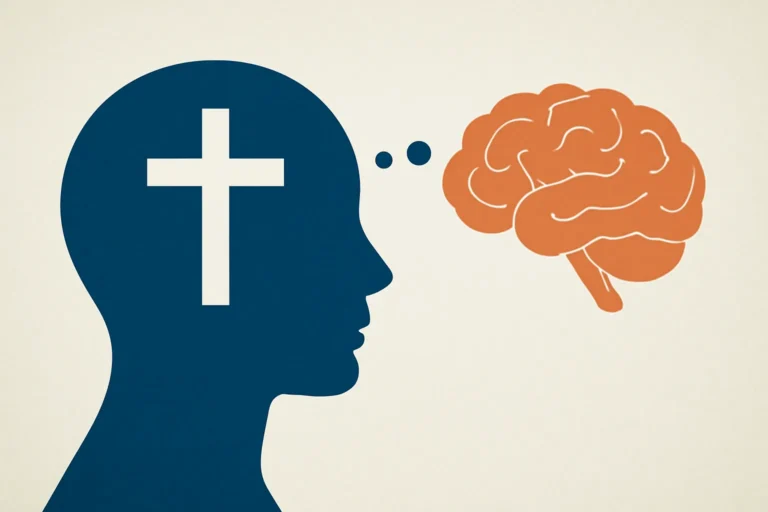
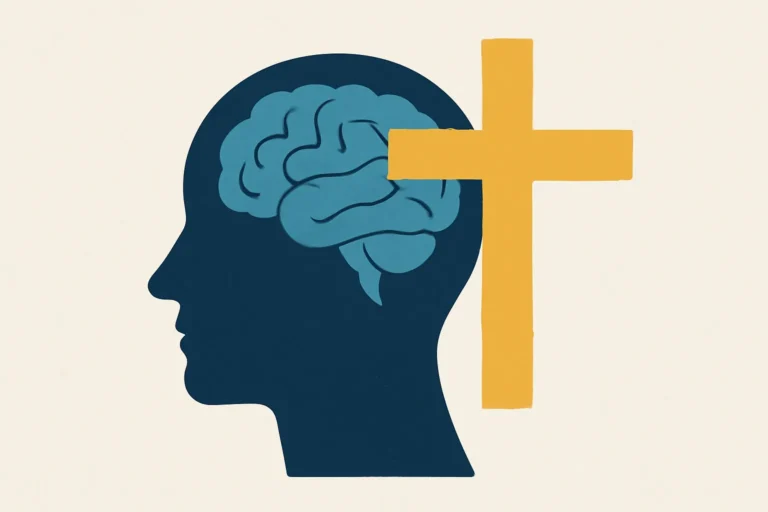
Across Christian traditions, mental health is a topic that blends spiritual meaning with human experience. This article explores how faith shapes well-being, the ways Christian communities can support healthy minds, and the boundaries where spiritual care works best in concert with medical and psychological care. While faith can be a source of comfort, purpose, and resilience, it can also raise questions about guilt, stigma, and responsibility. The aim here is to describe both gifts and challenges and to offer actionable ideas for individuals, families, and churches seeking to cultivate holistic health—body, mind, and spirit.
What is the relationship between Christianity and mental health?
The relationship between Christian faith and mental health is multidimensional. On one hand, Christian teachings often emphasize love, hope, forgiveness, and community, all of which are closely linked to psychological well-being. On the other hand, certain religious beliefs or cultural expectations can inadvertently contribute to stigma, self-blame, or reluctance to seek help. A nuanced view recognizes both the strengths of faith-based coping and the limits of any singular approach to mental health care.
Resilience and meaning: Religious narratives provide frameworks for meaning-making in suffering, a sense of purpose during adversity, and routines that structure daily life, all of which can bolster resilience.
Social support: Congregations and faith communities can create networks of belonging, accountability, and practical assistance that buffer stress and isolation.
Moral and existential questions: Faith often invites people to reflect on guilt, shame, forgiveness, and moral injury, which can either alleviate or exacerbate distress, depending on how they are addressed.
Avenues for healing: Prayer, worship, scripture, and sacraments can foster hope, mindfulness, and a sense of connection to something larger than the self.
Stigma and barriers to care: Misconceptions about mental illness as a weakness or a sign of spiritual failure can deter help-seeking and perpetuate shame.
To navigate this landscape well, it helps to distinguish faith-based coping from clinical care. Faith-based practices can complement treatment by providing meaning and community, while evidence-based mental health care—therapy, psychiatric evaluation, and medication when appropriate—addresses biological, psychological, and social factors that faith alone may not resolve.
Historical and theological perspectives
Early Christianity and illness
In the early church, illness was often interpreted through a spiritual lens, and communities sought healing through a combination of prayer, laying on of hands, and practical care. The New Testament contains accounts of healing both as miraculous intervention and as compassionate acts within community life. Over time, Christian thinkers have underscored that physical and mental health are entrusted to God’s care and that compassionate care for the suffering is a concrete expression of love.
Medieval to modern shifts
As medical knowledge evolved, Christian communities began to separate medical treatment from spiritual healing in some contexts, while other traditions emphasized the inseparability of body and soul. The Medieval hospital movement and monastic hospitals reflected a view of care that combined hospitality, medical attention, and spiritual invitation. In more recent centuries, reformers, theologians, and pastors have wrestled with questions about suffering, theodicy, and the role of human responsibility in healing. Contemporary theology often foregrounds the idea that grace and stewardship can operate together—that God works through both spiritual disciplines and science to bring healing.
Different Christian traditions articulate distinct emphases that influence how mental health is understood and addressed. For example:
Catholic and Orthodox perspectives often emphasize sacramental life, liturgical rhythms, and pastoral care that integrates mental well-being with spiritual accompaniment.
Protestant and evangelical communities may highlight personal relationship with God, hope in Christ, and practical steps for mental health care, while sometimes emphasizing proactive accountability and community support.
Mainline Protestant traditions frequently promote mental health ministries, counseling resources, and inclusive church policies that reduce stigma.
Holistic and charismatic expressions of faith can emphasize experiential aspects of healing, such as prayer for deliverance or restoration, while also encouraging engagement with professional care when needed.
Mental health considerations in Christian communities
Christian communities can be potent sources of support or, if unhealthy patterns emerge, sources of pressure that hinder well-being. Awareness that spiritual care is most effective when it respects boundaries, evidence-based practice, and individual autonomy is critical. The following considerations apply to many congregations and faith-based organizations:
Stigma reduction: Open conversations about mental health, patient-centered language, and inclusive attitudes help reduce shame and encourage help-seeking.
Pastoral care that is informed by psychology: Training for pastors and lay leaders in basic mental health literacy enables compassionate listening, early identification of risk, and appropriate referrals.
Access to resources: Churches can partner with clinicians, counselors, and faith-based therapists to provide confidential, affordable care options.
Boundaries and burnout: Leaders and volunteers are susceptible to burnout; sustainable service requires healthy boundaries, supervision, and support for caregivers.
Inclusion and safety: Spiritual or emotional abuse, coercive control, and punitive shaming must be addressed to create safe spaces for vulnerable members.
Practical ways faith can support well-being
Faith communities can offer a wide range of practical supports that promote mental health while respecting medical and psychological expertise. The goal is to foster a holistic approach where spiritual life and clinical care are partners in healing.
Prayer, contemplation, and mindfulness
Many people find that contemplative practices—such as quiet reflection, sacred reading, and intentional prayer—cultivate emotional regulation and present-moment awareness. When used alongside evidence-based therapies, these practices can reduce rumination, promote sleep, and strengthen coping skills.
Scripture, theology, and life meaning
Scriptural engagement can offer comfort and a sense of belonging, but it is helpful to approach sacred texts with humility and awareness of diverse interpretations. Communities that encourage responsible study, critical thinking, and compassionate interpretation can help individuals find meaning without pressuring unhealthy guilt or perfectionism.
Community and service
Supporting others can positively impact mental health through a sense of purpose and social connection. Volunteerism, mutual aid, and small groups provide accountability, friendship, and shared responsibility that strengthen resilience.
Rituals, sacraments, and liturgy
Rituals—baptism, communion, confession, or liturgical seasons—offer predictable structures that frame endurance, gratitude, and renewal. Ritual can symbolize healing, provide communal affirmation, and help regulate emotional states by creating a rhythm that anchors daily life.
Healthy boundaries and grief support
Faith communities can offer space for lament, honest confession, and grief work while recognizing the need for professional care when suffering is persistent. Clear boundaries around spiritual practices prevent coercive or shaming dynamics and foster a climate of respect and safety.
Tools for faith-based coping
Below are practical tools that individuals and churches can implement to support mental health and spiritual flourishing. They are designed to be adaptable across denominations and cultures.
Mental health literacy programs: Education for congregants on common mental health conditions, treatment options, and how to seek help.
Pastoral care teams: Small groups of trained laypeople who provide listening presence, practical support, and referrals.
Clear referral pathways: Partnerships with licensed counselors, therapists, and clinicians who respect faith perspectives while delivering evidence-based care.
Anonymous helplines or counseling options: Confidential options for those who fear stigma or retaliation in their communities.
Safe spaces for conversation: Regular forums where people can share struggles without judgment, including grief, anxiety, and depression.
Discernment and decision aids: Structured processes that help individuals navigate choices about treatment, medication, and spiritual practices.
Many people experience the most benefit when spiritual care and professional mental health care are integrated. This integration respects the integrity of both domains and avoids reducing one to the other. Key principles include:
Respect for clinical expertise: Recognize that psychiatrists, psychologists, and therapists provide essential knowledge about brain function, behavior, therapy modalities, and evidence-based treatments.
Collaboration and communication: Encourage open communication between faith leaders and healthcare providers, with patient consent and privacy protected.
Person-centered care: Treatment plans should honor the person’s values, faith commitments, and preferences, integrating spiritual resources without pressuring particular beliefs.
Ethical and culturally sensitive practice: Be mindful of cultural and theological differences, ensuring care respects diverse expressions of faith.
Practical steps for individuals and families include seeking a clinician who understands or respects faith contexts, discussing religious beliefs with care providers when appropriate, and using church-based support as a complement rather than a substitute for professional treatment.
Specific mental health conditions and Christian contexts
Christian communities encounter a spectrum of mental health concerns. Here are some common domains, with sensitive, inclusive approaches that align with Christian ethics of care and compassion.
Depression and spiritual struggle
Depression can be especially challenging in communities that equate faith with perpetual happiness or perfection. Helpful approaches include:
Acknowledgment of suffering: Validating the person’s pain without judgment, while affirming dignity and hope.
Hope-centered language: Language that names pain but also points to growth, grace, and practical steps for healing.
Professional treatment: Counseling, medication when appropriate, and evaluation to rule out medical contributors (thyroid issues, sleep problems, vitamin deficiencies, etc.).
Supportive community: Consistent, non-shaming support from friends and faith leaders.
Anxiety disorders and faith-based coping
Anxiety can be acute or chronic and may be influenced by stress, trauma, or genetic factors. Faith-inspired strategies can complement therapy, such as:
Grounding practices: Breathing exercises or mindfulness techniques anchored in prayer or Scripture to reduce physiological arousal.
Rituals of reassurance: Regular routines, liturgical prayers, and predictable church activities that provide safety and structure.
Therapeutic support: Cognitive-behavioral strategies, exposure therapy, or other evidence-based approaches as indicated.
Trauma, grief, and forgiveness
Trauma and loss intersect with faith in powerful ways. Churches can respond with:
Non-judgmental listening: A safe space to name pain, fear, and anger without pressuring forgiveness before healing occurs.
Trauma-informed care: Awareness of how past experiences shape present behavior and emotions; avoiding re-traumatization in worship or leadership.
Paths to forgiveness: Guidance that forgiveness is a process, not a demand, and that healing includes boundaries, accountability, and self-care.
Substance use disorders and spiritual communities
Christian communities have long wrestled with how to respond to addiction with grace and accountability. Best practices include:
Non-stigmatizing language: Language that separates the person from the addiction and avoids shaming.
Evidence-based treatment: Access to medical and psychotherapeutic interventions, 12-step or non-12-step programs, and ongoing support.
Recovery-oriented faith communities: Creating environments that celebrate progress, provide accountability without judgment, and emphasize humility and perseverance.
Addressing stigma and supporting vulnerable groups
Stigma remains a barrier to mental health care in some Christian contexts. Building inclusive, compassionate environments requires intentional effort:
Public education: Clear messaging that mental illness is a health condition, not a moral failure, accompanied by practical guidance for seeking help.
Inclusive leadership: Diverse voices in pastoral roles and church programming that reflect the broader community, including people with lived experience of mental illness.
Equitable access: Removing barriers to care, such as cost, transportation, or language accessibility, so that all members can receive support.
Youth and family support: Programs that address adolescent mental health, parenting stress, and family dynamics within faith contexts.
Destinations of healing often hinge on the quality of pastoral care and the safety of the faith community. Key principles for churches and leaders include:
Training and supervision: Equipping pastors, elders, and lay counselors with mental health literacy and ethical guidelines, plus access to supervision for complex cases.
Referral networks: Building relationships with local mental health clinics, Christian therapists, and crisis hotlines to ensure timely referrals.
Clear policies: Written guidelines for crisis situations, confidentiality, and the responsibilities of faith leaders when a member is at risk.
Prayer with discernment: Encouraging prayer as a source of solace while respecting a person’s autonomy and medical decisions.
Pastoral self-care: Encouraging leaders to monitor their own mental health, seek supervision, and set boundaries to sustain long-term service.
Resources and pathways for ongoing growth
Finding reliable information and support is essential. The following categories can help individuals and communities access trusted resources, training, and care options.
Educational materials: Books and articles that present a compassionate, evidence-informed approach to faith and mental health.
Professional associations: Collaborations with psychology and psychiatry organizations that offer guidance to faith communities.
Faith-friendly clinics: Clinics and counselors who respect clients’ religious identities and values.
Youth programs: Faith-based youth initiatives that incorporate mental health literacy, anti-bullying, and stress management.
Crisis resources: Local and national hotlines, particularly those that respect diverse faith backgrounds and provide culturally sensitive care.
Practical case studies and everyday practice
To illustrate how these principles look in real life, consider these representative scenarios. The aim is to promote compassionate, practical responses rather than abstract ideals.
Case 1: A college student experiences anxiety and isolation: A campus ministry invites the student to a small group with trained counselors on standby, offers routine prayer but emphasizes that seeking therapy is a healthy, normal step, and connects the student with a campus counseling center.
Case 2: A family grieves loss after a loved one dies: A church provides bereavement support, creates a space for shared memories, and helps the family access grief counseling while honoring their faith tradition and rituals of mourning.
Case 3: A person struggles with depression and wants spiritual guidance: A pastor offers listening, validates the pain, and collaborates with a mental health professional to develop a plan that includes spiritual practices and medical care where needed.
Case 4: A teen faces bullying and anxiety: The youth group implements peer support, mental health literacy, and access to school counselors, while parents and mentors coordinate with healthcare providers as appropriate.
Towards a thriving synthesis: faith, mind, and community
In the best scenarios, Christian faith and mental health care form a complementary relationship. Faith communities can provide meaning, belonging, and accountability while recognizing the need for professional treatment when necessary. This synthesis yields a comprehensive model of well-being that honors the dignity of every person and the truth that healing is a shared journey.
Key takeaways for individuals and congregations include:
Normalize help-seeking as a courageous and responsible step, not a sign of weak faith.
Embrace a holistic view that attends to spiritual, emotional, physical, and social dimensions of health.
Foster trusted partnerships with mental health professionals who respect faith perspectives.
Cultivate inclusive communities that welcome people with diverse experiences of mental health, including trauma survivors and those in recovery.
Promote ongoing education for leaders and members to reduce stigma and to stay informed about best practices in care.
As churches and faith-based organizations adopt these practices, they can become spaces where hope, grace, and psychological wellbeing grow together. The path is not without challenges, but with intentional leadership, collaboration, and a commitment to the dignity of every person, Christian communities can play a meaningful role in promoting mental health and resilience for generations to come.