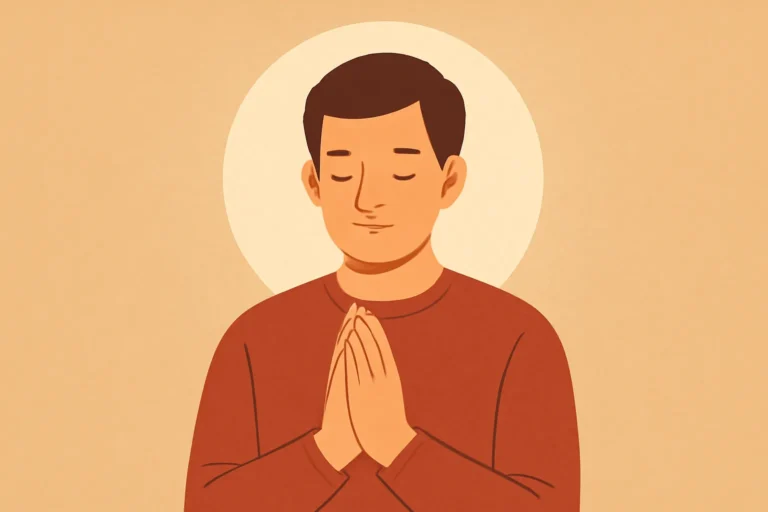
The Profound Path of Prayer to Repent: Finding Redemption and Renewed Faith
In the tapestry of human experience, moments of introspection and the yearning for spiritual renewal are universal. We all stumble, we all err, and in those vulnerable instances, the act of prayer to repent emerges not just as a religious ritual, but as a deeply human need. It’s a pathway to reconciliation, both with ourselves and with the divine, a conscious decision to turn away from wrong and embrace a better way. This article explores the essence of repentance through prayer, its significance within various religious traditions, and how to engage in this transformative practice effectively.
The desire to amend our ways, to seek forgiveness, and to realign our lives with higher principles is a driving force behind many spiritual journeys. This pursuit is often articulated through prayer to repent, a sincere outpouring of the heart that acknowledges fault and expresses a profound desire for change. It’s a testament to the resilience of the human spirit, its capacity for self-awareness, and its innate longing for peace and harmony.
At its heart, repentance is more than just saying “I’m sorry.” It’s a transformative process that involves a change of heart and mind, leading to a change in behavior. Within the vast landscape of religion, this concept is woven into the very fabric of belief systems. Whether you follow the teachings of Christianity, Islam, Judaism, Buddhism, or countless other faiths, the notion of acknowledging wrongdoing and seeking to rectify it is a recurring theme. It’s about taking responsibility for our actions and understanding their impact, not only on ourselves but on others and the wider world.
Think of it as a spiritual reset button. Life inevitably presents us with situations where we make choices we later regret. Perhaps it was a harsh word spoken in anger, a moment of dishonesty, or a failure to act when compassion was called for. These actions can create internal turmoil and distance us from our desired spiritual state. Prayer to repent serves as a crucial tool to bridge that gap, allowing us to articulate our remorse, seek divine grace, and commit to a path of correction. It’s a recognition that we are imperfect beings, but also that we possess the capacity for growth and redemption.
The Role of Prayer to Repent in Diverse Faith Traditions
Across the globe, prayer to repent manifests in myriad forms, each reflecting the unique theological and cultural nuances of its tradition. In Christianity, prayer to repent is often intertwined with the sacrament of confession, where believers confess their sins to a priest or directly to God, seeking absolution and guidance. The Lord’s Prayer itself contains the petition, “Forgive us our debts, as we also have forgiven our debtors,” highlighting the mutual nature of forgiveness and the importance of seeking pardon.
In Islam, the practice of Tawbah (repentance) is vital. Muslims are encouraged to seek Allah’s forgiveness regularly through sincere prayer to repent, acknowledging their shortcomings and reaffirming their commitment to live according to Islamic principles. This can involve specific supplications (dua) expressing remorse and a firm intention to never repeat the transgression. Similarly, in Judaism, Yom Kippur, the Day of Atonement, is a time dedicated to intense prayer to repent, fasting, and self-reflection, with individuals seeking atonement for sins committed against God and fellow humans. Even in traditions that may not emphasize a personal God in the same way, like Buddhism, practices of mindfulness and meditation on past actions serve a similar purpose of acknowledging and transforming negative patterns of thought and behavior, leading to a form of spiritual purification.
Crafting a Sincere Prayer to Repent: Elements of Effective Supplication
Engaging in prayer to repent effectively requires more than reciting pre-written phrases; it demands authenticity and intention. A truly meaningful prayer begins with acknowledging your wrongdoing. This isn’t about self-flagellation, but about honest self-assessment. State clearly, even if only to yourself and to the divine, what you have done or failed to do that you regret. For example, instead of a vague “I made mistakes,” you might say, “Lord, I repent for the harsh words I spoke to my spouse yesterday; they were unnecessary and hurtful.”
Following acknowledgment, the next crucial element is expressing remorse and sorrow. This is where the depth of your regret is conveyed. You might say, “My heart aches for the pain I have caused, and I am truly sorry for my actions.” Crucially, a sincere prayer to repent must include a resolve to change. This is the commitment to turn away from the sin and to actively seek to live differently. A simple prayer might include, “I promise to be more mindful of my words and to strive for patience and kindness in the future.” Finally, ask for forgiveness and strength. This acknowledges your reliance on divine grace and your need for help in overcoming future temptations. “Please, God, forgive me and give me the strength to live a life that is pleasing to You.”
Practical Steps for Incorporating Prayer to Repent into Your Life
Making prayer to repent a regular part of your spiritual practice can profoundly impact your well-being and your relationship with the divine. It doesn’t need to be a lengthy, elaborate affair. Even a few minutes of focused reflection and prayer can be incredibly powerful. Consider setting aside a specific time each day, perhaps at the end of the day, to review your actions and engage in prayer to repent. Think of it as a daily spiritual hygiene.
You can also utilize moments of spontaneous realization. When you catch yourself acting in a way that goes against your values or your faith, pause. Take a deep breath and offer a brief, heartfelt prayer to repent right then and there. This immediate acknowledgment can prevent the transgression from festering and reinforce your commitment to making better choices. Remember, God’s mercy is vast, and the act of turning towards Him in sincere repentance is always welcomed. Examples include:
Morning Reflection: Begin your day by reviewing potential challenges and praying for the strength to act with integrity.
Evening Review: Before sleeping, reflect on your day, acknowledge any missteps, and offer a prayer of repentance.
Spontaneous Moments: When you realize you’ve erred, pause, breathe, and offer a brief, heartfelt prayer of repentance.
Seeking Forgiveness from Others: Remember that repentance often involves seeking forgiveness from those you have wronged, alongside your prayer.
The Transformative Power of a Repentant Heart
The journey of prayer to repent is not about achieving perfection overnight. It’s a process of continuous growth, a lifelong endeavor to align our lives with divine will and to live with greater love, compassion, and integrity. When we engage in sincere prayer to repent, we open ourselves to profound transformation. We experience the liberation that comes with shedding the burden of guilt, the peace that arises from reconciliation, and the renewed strength to face life’s challenges. This practice cultivates humility, fosters self-awareness, and deepens our connection to the sacred.
Ultimately, prayer to repent is an act of hope and faith. It’s a declaration that we believe in the possibility of change, that we trust in a merciful and forgiving divine presence, and that we are committed to walking a path of spiritual progress. By embracing this sacred practice, we invite divine grace into our lives, allowing us to heal, to grow, and to become the best versions of ourselves, radiating peace and goodness into the world around us.
Frequently Asked Questions about Prayer for Repentance in Religion
What is repentance in the context of prayer?
Repentance in prayer is a sincere expression of turning away from wrongdoing and seeking forgiveness from a higher power. It involves acknowledging one’s sins, feeling remorse, and making a commitment to change one’s behavior.
How does one pray for repentance?
Prayer for repentance typically involves acknowledging your sins, expressing remorse, asking for forgiveness, and making a commitment to live a better life. This can be done through spoken words, silent contemplation, or through specific religious rituals.
Are there specific prayers for repentance in different religions?
Yes, most religions have specific prayers and practices for repentance. For example, in Christianity, confession and prayer for forgiveness are common. In Islam, the Salat al-Tawbah (prayer of repentance) is a specific ritual. Judaism has liturgical prayers for atonement during the High Holy Days.
What is the importance of sincerity in prayer for repentance?
Sincerity is paramount. A prayer for repentance is considered effective when it comes from a truly contrite heart, with genuine remorse and a sincere desire to reform. Superficial or insincere prayers are generally not seen as fulfilling the purpose of repentance.
Can prayer for repentance bring about genuine change?
Many religious traditions believe that sincere prayer for repentance, coupled with a commitment to change, can indeed lead to genuine spiritual and behavioral transformation. It is seen as a pathway to healing, reconciliation, and a renewed relationship with the divine.
What if I don’t know the exact words to pray for repentance?
The sincerity of your heart is more important than the exact words. You can express your feelings of remorse, your desire for forgiveness, and your commitment to change in your own words. Many religious texts also offer guidance and examples of prayers for repentance.
Does prayer for repentance require a specific setting or time?
While some religions have specific times or places for prayer, repentance can be offered at any time and in any place where you can connect with your faith. The key is the internal disposition and intention rather than an external setting.