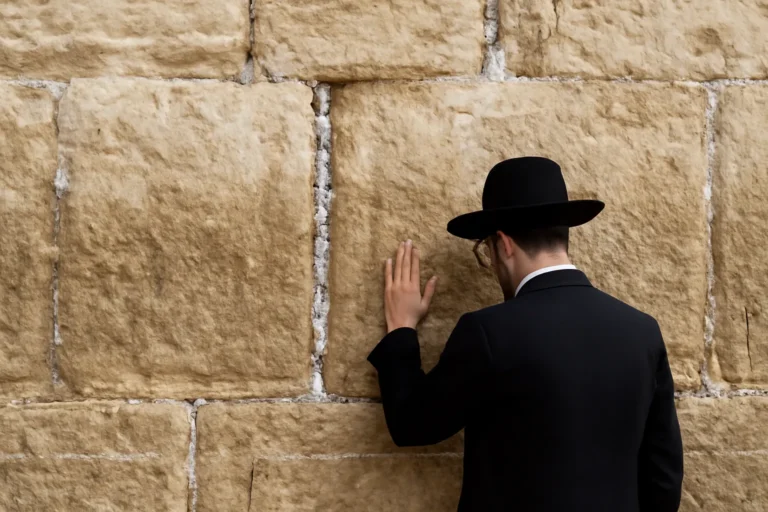
Tefillin Prayer: A Comprehensive Guide to Meaning, Practice, and Significance
Tefillin are a distinctive and ancient practice at the heart of Jewish daily prayer. Commonly translated as “phylacteries,” tefillin are black leather boxes bound to the arm and head, containing parchment scrolls with biblical passages. This article offers a detailed, educational guide to the meaning, practice, and significance of tefillin, including the ritual steps, symbolic language, historical development, and contemporary perspectives. Throughout, terms in bold emphasize key ideas and components to help readers grasp the structure and purpose of this mitzvah (commandment).
In the language of Jewish law and liturgy, tefillin (plural) are worn by observant Jews during weekday morning prayers. The set comprises two parts: the shel yad (hand-tefillin) and the shel rosh (head-tefillin). Each part contains sacred parchments inscribed with passages from the Torah, housed in leather boxes called batim, and bound by retzuot (straps) that wrap around the arm and around the head. The practice is rooted in biblical verses that command the wearer to bind the words of God as a sign on the hand and between the eyes (forehead). The core purpose is dual: to externalize devotion through action and to anchor memory and intention in the body as a daily reminder of the covenant with God.
There are several lenses through which tefillin can be understood. First, as a ritual object, tefillin are concrete means to fulfill a biblical commandment. Second, they are symbols—tightly wrapped in leather and ink—that invite contemplation about mind and heart, thought and action, memory and obedience. Third, tefillin bind generations: the scrolls inside the boxes contain sacred passages that have been transmitted through centuries of scribal custody and rabbinic interpretation. For many, the act of preparing, donning, and praying with tefillin is a meaningful doorway into Jewish identity, ritual discipline, and spiritual focus.
Historical and Theological Context
The biblical basis for tefillin appears in several places, most notably in passages from Exodus and Deuteronomy. The verses describe binding a sign on the hand and placing a mark between the eyes as a visible reminder of God’s commandments. Over time, rabbinic authorities systematized the practice into a formal ritual carried out during weekday morning services. The idea of tefillin grew from experiential memory—an act that connects the wearer to the divine narrative—and was developed within the evolving framework of Jewish law (halacha).
In classic rabbinic literature, tefillin are discussed in tractates of the Mishna and Gemara (for example, in Menachot and Berakhot) where the nuances of form, content, and kosher preparation are explored. Later, the Shulchan Aruch (Code of Jewish Law) codified the practical aspects of tefillin: who may wear them, when they are worn, how they are touched and handled, and how to care for and store them. The long arc from biblical instruction to rabbinic codification demonstrates how a sacred object becomes a daily practice that sustains a particular rhythm of prayer and reflection.
Different Jewish communities have developed variations in how tefillin are worn and recited, reflecting distinct liturgical traditions (for example, Ashkenazi and Sephardi rites) while remaining faithful to the underlying scriptural injunctions. These variations are not contradictions but expressions of diverse communities seeking to fulfill the same core obligation with reverence and intention.
Components of the Tefillin Set
A tefillin set has several distinct parts, each with its own role in the ritual. Understanding the terminology helps readers grasp the procedure and symbolism involved in the wearing experience.
Tefillin shel yad (hand-tefillin): a small, square batim worn on the upper arm, near the heart. Inside the box are parchment scrolls inscribed with four passages. The strap extends down the arm to the fingers and is wound in a prescribed pattern, so that the tefillin becomes an extension of the wearer’s body into the act of prayer.
Parshiot (parchment scrolls): four biblical passages inscribed on parchment and tucked inside both tefillin. The four portions are traditionally named and read as follows: Kadesh (Exodus 13:1–10), Ve’ahavta (Exodus 13:11–16), Kriat Shema (Deuteronomy 6:4–9), and Vehaya Im Shamoa (Deuteronomy 11:13–21). These four parshiot are present in both tefillin shel yad and tefillin shel rosh, reinforcing the idea that memory of God’s commandments should accompany both action (the hand) and intellect (the head).
Tefillin shel rosh (head-tefillin): a larger box placed on the scalp, with a strap that runs around the head in a circular fashion. The parshiot within the rosh are the same four passages found in the yad, and the straps are designed to form a crosswise pattern that rests upon the crown and around the head.
Retzuot (straps): the leather cords that secure the tefillin to the arm and head. The arm strap is wound around the arm and fingers in a prescribed manner, and then the head strap encircles the head and binds the rosh box in place. The wrapping and knotwork are a meaningful part of the ritual, symbolizing sanctification through action and connection to the divine command.
Batim (boxes): the wooden or leather housings that hold the parchments. The shape and quality of the batim, as well as the letters and ink within, are subject to strict halachic standards ensuring the tefillin are kosher and fit for use in prayer.
Across traditions, the practical care of the tefillin—keeping them kosher, protecting the batim and parshiot from damage, and ensuring the straps do not fray—is considered part of the sanctity of the ritual itself.
Meaning and Significance: The Language of Sign and Covenant
Beyond their physical form, tefillin carry layers of meaning that scholars, teachers, and practitioners emphasize in instructive ways. The essential idea is to bind the person to God through text, ritual, and physical memory. The act of donning tefillin is a deliberate movement from a private, inward focus to an outward, communal expression of faith—an integration of mind, heart, and action in service of a higher purpose.
Sign and symbol: The tefillin serve as a visible reminder of the scriptural injunction to remember God’s mitzvot throughout daily life. The arm-tefillin emphasizes action—where deeds originate—while the head-tefillin calls for a disciplined intellect and a directed, reasoned approach to divine commandments.
Memory and continuity: The parchment scrolls connect the wearer to generations of Jews who have recited the same passages in prayer. In this way, tefillin are a physical link to the biblical covenant and to centuries of study, tradition, and devotion.
Mind–Hand–Heart integration: The ritual binds the mind (the head) to the hand (action), signaling that righteous conduct begins with intention but becomes real through conduct. The combination expresses the ideal: thought guided by divine command in concrete, ethical action.
Kavanah (intention): Modern and traditional commentators alike emphasize that tefillin are not merely objects but vessels of intent. The act of wrapping and the recitation accompanying it invites a focused mindset: who am I before God, and how should I live in loyalty to the Torah?
In many communities, tefillin are also a gateway for spiritual reflection on themes such as dedication, memory, responsibility, and gratitude. The very structure of the practice—two boxes, four scrolls, one arm, one head—frames a dialogue between external ritual and internal meaning. This dialogue is central to the concept of prayer as a discipline that shapes character and ethical living as much as it shapes liturgical speech.
Practice and Procedure: How to Wear Tefillin
Putting on tefillin is a careful, multi-step practice that is learned and refined over time. The routine varies slightly among communities, particularly between Ashkenazi and Sephardi rites, but some core elements are common. The following outline presents a representative sequence, with notes on common variations and considerations to keep in mind during the morning prayers.
Preparation: Before starting, many people perform a ritual hand washing or ensure their hands are clean. Prepare the tefillin set, checking the integrity of the retzuot and making sure the parshiot are flat and free of creases. The tefillin should be stored in a protective case when not in use.
Blessing for the hand-tefillin (shel yad): First recite the blessing over the tefillin shel yad. The blessing is traditionally said as you bring the box to the bicep and prepare to wind the strap around the arm. The blessing text is the standard formula: Baruch Atah Adonai Eloheinu Melech HaOlam asher kid’shanu b’mitzvotav v’tzivanu al mitzvat tefillin.
Placement of shel yad: Place the tefillin on the bicep of the weaker arm (from the perspective of the wearer). The box rests against the upper arm, near the heart. The strap is wound around the arm and hand in a prescribed pattern, typically involving several wraps to complete the ritual binding and to encircle the fingers in a way that is understood as a form of sanctification.
Recitation during placement: As the tefillin are bound, many recite verses or engage in a short prayer, emphasizing the connection between action (the hand) and intention (the mind). The Shema prayer often follows or is recited during the time the tefillin is worn, aligning the reading of the passages with the ritual binding.
Blessing for the head-tefillin (shel rosh): After the shel yad is placed and bound, recite the blessing again for the tefillin shel rosh. This blessing mirrors the first and serves as a second formal acknowledgment of the mitzvah.
Placement of shel rosh: Place the head-tefillin so that the box sits on the crown of the head, with the strap crossing around the head. The knot or binding on the box rests near the forehead. The strap may extend down to the face or behind the ears depending on tradition, with care taken to ensure it sits securely yet comfortably.
Wrapping and positioning: The head-tefillin strap is adjusted and wrapped around the head to form a stable arrangement. The wraps are not merely functional but are symbolic, completing the sense of binding the divine words to the person in two dimensions: cognitive (head) and physical (arm).
Recitation of Shema: While wearing both tefillin, the central portion of the Shacharit service—especially the Shema—is recited. The verses of Shema Yisrael, along with its blessings, are a focal point of the tefillin portion of the prayer service for many communities.
Concluding steps: After completing the morning prayers, tefillin are carefully removed. The common practice is to remove the shel rosh first and then the shel yad, though some communities reverse the order. After removal, it is common to touch or kiss the tefillin as a sign of reverence, followed by placement back into their case to protect their sanctity until the next use.
Note that tefillin are not worn on Shabbat or major Jewish holidays, when the Torah commands and the broader liturgy are different. They are also not worn on certain personal days of rest or on days when public prayer does not take place. The timing and the decision to wear tefillin are informed by halachic guidelines and local practice.
Practice Variations: Ashkenazi, Sephardi, and Other Traditions
Across the Jewish world, communities have developed distinctive customs in the ritual handling and recitation associated with tefillin. Common variations include:
Ashkenazi vs. Sephardi practice: Differences can appear in the order of removing tefillin, the exact wrapping patterns, the pronunciation of blessings, or the particular nusach (liturgical tradition) used for the prayers surrounding the tefillin. Yet the fundamental obligation—placing the tefillin on the arm and head to fulfill the biblical commandment—remains shared.
Chabad and other Hasidic customs: In some Hasidic circles, additional practices accompany tefillin, such as specific meditations or kavanot (intentional contemplations) during the wrapping and the Shema recitation. These practices are aimed at aligning the ritual with a broader spiritual framework.
Sephardic and Mizrahi variations: Sephardic communities may have slightly different prayer formulas or orderings in the morning service, but the four parshiot inside the batim remain a central feature. In some communities, the prayers are recited in Hebrew with traditional chant melodies that reflect regional liturgical styles.
Prayers and Texts Associated with Tefillin
The four parshiot inside the tefillin are the core textual elements that give tefillin their scriptural dimension. In addition, the daily prayer service includes blessings and passages that accompany the moment of donning the tefillin. The following ideas summarize the textual framework:
Four parshiot inside the batim: Kadesh, Ve’ahavta, Kriat Shema, Vehaya Im Shamoa. These passages are drawn from Exodus and Deuteronomy and are chosen because they articulate themes of memory, loyalty, and the central creed of monotheism.
Blessings (brachot): Two blessings may be recited—one for the shel yad and one for the shel rosh—before placing each tefillin on the body. The blessing language is focused on sanctifying the mitzvah and acknowledging God’s commandment to wear tefillin.
Shema and other prayers: While wearing tefillin, many recite portions of the Shema and other components of the Shacharit service. The tefillin are understood as a framework to bring intention to the words of the liturgy and to ground the practice in Torah study and prayer.
Variations in texts and practice reflect the diverse Jewish world, but the aim is consistent: to engage with the divine command, to enable focused prayer, and to bind memory and action in daily life.
Ethics of Mindfulness: The Role of Kavanah
“Kavanah” is a Hebrew term often translated as “intention” or “concentration.” In the tefillin ritual, kavanah asks the wearer to connect the physical action of binding and recitation with a purposeful, internal awareness of God’s presence. This is not mere repetition; it is a meaningful alignment of will, thought, and deed. Some educators highlight three dimensions of kavanah in the tefillin ritual:
Intention with the heart: A heartfelt sense of devotion as one binds the tefillin and recites prayers, recognizing the aims of mercy, justice, and righteousness in daily life.
Intention with the mind: A thoughtful engagement with the verses within the parshiot, contemplating how the commandments illuminate one’s choices and responsibilities.
Intention with the hands: An awareness that actions—performing mitzvot, acts of kindness, and ethical behavior—flow from a mind formed by Torah and a heart attuned to God’s presence.
Different communities cultivate kavanah through study, meditational practices, or rabbinic guidance. While not all worshipers experience the same intensity of contemplation, the concept remains central: the tefillin are opened and worn to invite sustained attention to sacred obligations beyond mere ritual form.
Care, Kosher Standards, and Ethical Considerations
The sanctity of tefillin extends from their textual contents to their physical condition. The halachic standard for tefillin emphasizes their craftsmanship, the accuracy of the parchments, and the integrity of the batim and straps. Proper care ensures the tefillin remain fit for use in prayer and that their inscription remains legible and intact. Corrupted or damaged tefillin may be considered pasul (invalid) for use in ritual prayer, so many families and communities have guidelines for regular inspection and repair by a qualified scribe (sofer) or a licensed rabbi.
Practicing with tefillin also raises ethical questions about accessibility and inclusion. Some communities are mindful of the cost and availability of kosher tefillin, and educational initiatives sometimes provide guidance, loans, or low-cost options to help more people participate in the mitzvah. In recent decades, conversations about tefillin have also engaged broader conversations about gender, tradition, and modern inclusive practice. While many Orthodox communities maintain that tefillin are a male obligation, various non-Orthodox communities encourage women and people of diverse backgrounds to explore related rituals or parallel acts of spiritual discipline that echo the tefillin’s themes of memory and covenant.
Tefillin in the Lifeworld: Daily Practice and Community Life
For many Jews, the tefillin ritual is a daily anchor that structures the morning and the week. In communities where weekday prayer is central, the wearing of tefillin becomes an opportunity to transition from private life into the public, liturgical sphere. The rhythm of the day—beginning with the morning prayers, reciting blessing formulas, wrapping the arm, path-wrapping the head, and reading key passages—creates a predictable, meaningful tempo that orients a person toward gratitude and responsibility.
Beyond personal devotion, tefillin can be a shared practice within a community. Some synagogues encourage learners to practice with a partner or mentor, offering guidance on how to wear tefillin correctly and how to cultivate kavanah. There are educational programs for children and adults alike, often using visual aids, demonstrations, and hands-on practice with real tefillin. For visitors and newcomers, encountering tefillin can be an entry point into broader exploration of Torah study, liturgy, and Jewish law.
Tefillin and the Broader World of Ritual Objects
In the broader context of Jewish ritual objects, tefillin belong to a family of signifying implements that communicate a relationship between God and humanity. Comparable signs include the mezuzah on doorposts, the tallit (prayer shawl), and the Torah scroll itself. Each object has its own rules of use, care, and meaning, yet all share a unifying aim: to sanctify daily life and to keep the divine narrative present in ordinary hours. The tefillin, with their two boxes and four scrolls, uniquely emphasize the synthesis of memory, devotion, and ethical action as ongoing conditions of Jewish life.
Accessibility, Inclusion, and Contemporary Dialogue
Modern conversations around tefillin include questions of accessibility, inclusion, and education. Some people who are new to Jewish practice or who come from diverse backgrounds may seek guidance on how tefillin fit into their lives. Educational programs, museums, and community centers sometimes host demonstrations that explain the ritual’s components, the history behind the four parshiot, and the care required for kosher tefillin. For individuals who cannot physically wear tefillin due to health reasons or disability, rabbis may propose alternative acts of study or prayer that preserve the spirit of the mitzvah while honoring personal circumstances.
In addition to religious discourse, tefillin have appeared in contemporary literature, art, and philosophy, where scholars discuss the ritual’s symbolism in relation to memory, form, and the human longing for covenant. These discussions often highlight how a physical practice can embody a spiritual or existential intention, inviting people to reflect on what it means to live with purpose, discipline, and communal memory.
Glossary of Key Terms
Tefillin — the set of two leather boxes with parchment scrolls worn during weekday morning prayer.
Shel yad — tefillin worn on the arm/hand.
Shel rosh — tefillin worn on the head.
Batim — containers/boxes that hold the parchments.
Parshiot — the four biblical passages contained inside the tefillin.
Retzuot — the straps used to bind the tefillin to the arm and head.
Kavanah — intentional focus or mindfulness during prayer and ritual.
Mezuzah — a separate ritual sign placed on doorposts, related conceptually as a sign of covenant but used in a different ritual context.
Variations in Practice Across Communities: A Quick Reference
To offer a concise snapshot of differences without obscuring the shared foundation, consider the following contrasts:
Ashkenazi and Sephardi rites often share the same underlying obligation but may differ in liturgical melodies, exact blessing wording (where applicable), and the sequence of ritual actions surrounding the tefillin.
Some Hasidic communities emphasize additional kavanot or meditative practices during the wrapping and the recitation of verses, while other communities focus on precise procedural steps.
In contemporary non-Orthodox settings, there are ongoing discussions about tefillin for women or non-binary individuals, exploring the symbolic meaning and whether similar ritual acts can express covenant and discipline within inclusive frameworks.
Choose a kosher tefillin set with the guidance of a trusted rabbi or knowledgeable teacher. Ensure that the parchment and batim meet halachic standards and are in good condition.
Practice the wrapping pattern with a guide or tutor before wearing tefillin in front of a congregation. Repetition helps cultivate smoothness and focus in real prayer settings.
Ask questions about your community’s practice: the exact blessing order, whether to recite Shema aloud or softly, and how to handle tefillin during the service when other participants may be present.
Care for your tefillin as a sacred object: keep them in their case when not in use, avoid exposing them to heat or moisture, and inspect regularly for wear and tear.
Pair the ritual with study: reading the four parshiot or learning about their contexts in Exodus and Deuteronomy can deepen appreciation for the tefillin’s significance.
Closing Reflections: The Tefillin as a Path to Meaning
Whether one approaches tefillin as a liturgical instrument, a textual artifact, or a personal practice of discipline, the core idea remains: the body is a vehicle for memory and faith. The two boxes, the four scrolls, and the winding straps invite a daily discipline that connects person and covenant. The tefillin ritual, in its many forms across communities, offers a space to explore questions of identity, responsibility, and devotion within the rhythms of ordinary life. By engaging with the tefillin—its meaning, practice, and significance—a practitioner can cultivate intentional living that is at once anchored in tradition and responsive to contemporary experience.
For readers who want to explore further, consider reading primary texts on the four parshiot, visiting a synagogue during Shacharit that includes tefillin, or consulting with a rabbinic teacher who can provide guidance on the laws, customs, and spiritual meanings connected to tefillin. Whether you are drawn to the historical depth, the liturgical practice, or the symbolic resonance, tefillin remain a powerful and enduring symbol of Jewish covenant and daily life.