Origins and Early History of the Religious Society of Friends
The Religious Society of Friends, commonly known as the Quakers, emerged in the mid-17th century amid social upheaval in England. A new religious sensibility took shape among groups who sought direct experience of the divine, unmediated by hierarchical authority or rigid creeds. The movement is closely associated with the figure of George Fox, a prominent preacher who urged seekers to attend to the “inner light” within themselves as the genuine guide to truth and moral action. From his early conversations and exhortations, the term Friends arose as a way to describe a community of believers who honored the inward witness in every person.
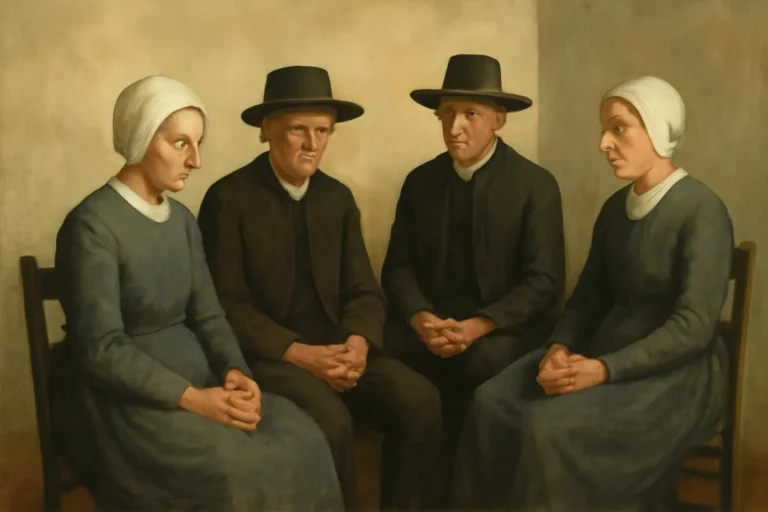
As the movement grew, followers adopted the name Religious Society of Friends to reflect a shared commitment rather than a single dogma. The early decades were marked by intense spiritual searching, social controversy, and sometimes violent opposition from civil and religious authorities. Friends were known for their plain dress, nonviolent stance, and insistence on the equality of all souls before God—principles that would become hallmarks of the tradition in the centuries to come.
In England, the early Quakers faced persecution, fines, imprisonment, and even banishment. Despite this, they established local meetings where members gathered for worship, discernment, and mutual accountability. The core practice involved a form of worship that emphasized quiet waiting and listened ministry, rather than a formal liturgy administered by clergy. This approach, often described as unprogrammed worship, emphasized the freedom of each person to speak as they felt led by the Spirit.
Important milestones in this period include the consolidation of local religious communities, the publication of early faith testimonies, and the emergence of a distinctive vocabulary around the inner light, pacifism, simplicity, equality, and integrity—the so-called Quaker testimonies. As a social movement, the Quaker cause quickly connected with broader currents in British society, including debates on religious liberty, education, and reform. These early roots would later influence the way Friends relate to state power, to their neighbors, and to global missions.
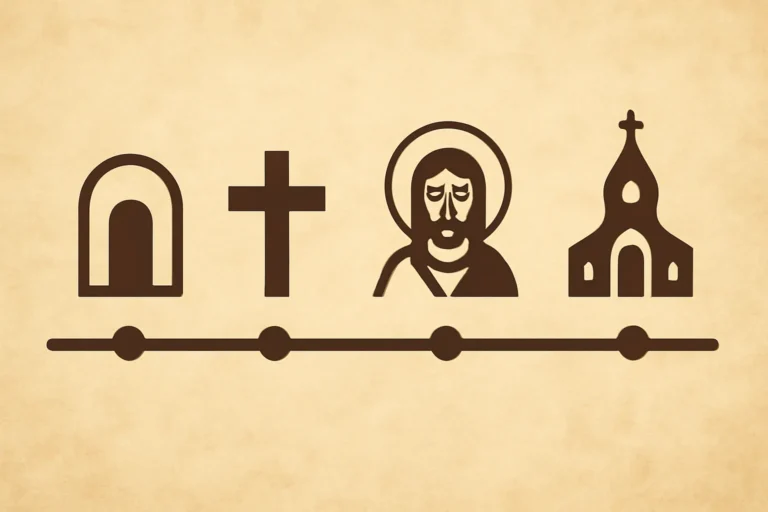
Timeline highlights
1630s–1640s: George Fox and early converts articulate the vision of an inner guide accessible to all people.
1650s–1660s: Growth of regional meetings and the spread of Quaker ideas across towns and counties; many adherents endure legal penalties and social stigma.
1670s–1700s: Formalization of worship practices, discipline, and the emergence of writings that articulate the testimonies.
Early 18th century: Expansion beyond England to Ireland, Scotland, and the American colonies, laying groundwork for a global Friends movement.
Within the broader Christian milieu of the time, the Quaker ethos stood out for its radical equality, emphasis on conscience, and commitment to a practical faith—one measured not by external ritual but by the alignment of life with the divine witness inside each person. The early decades thus established a distinctive identity that would later intersect with colonization, abolitionism, and educational reform in varied contexts around the world.
Beliefs and the Theological Core of the Quaker Tradition
The Inner Light and Direct Experience
At the heart of the Friends’ faith is the conviction of an inner light or divine seed present in every person. This inner witness serves as the primary source of authority for decisions about right and wrong, rather than external creeds or institutional decree. In this sense, revelation is ongoing, and discernment happens through communal discipline, prayerful reflection, and personal integrity. The idea of an inner guide invites a radical sense of responsibility for one’s actions in daily life and fosters a form of communal life built on trust and mutual accountability.
Pacifism and Social Justice
Quakers have long been associated with a robust commitment to nonviolence and pacifism. The refusal to participate in war or to support violence in any form stemmed from the belief that harming another human being conflicts with the divine spark in everyone. This testimony has shaped numerous historical episodes—from conscientious objection during conflicts to organized humanitarian work in times of crisis. Beyond anti-violence, Friends have engaged in social justice advocacy, including abolitionism, prison reform, and the promotion of human rights across generations.
Equality, Simplicity, and Integrity
The testimonies of equality, simplicity, and integrity guide both belief and conduct. Equality asserts the spiritual equality of all people, challenging social hierarchies and gender-based discrimination. Simplicity calls for modest living, plain speech, and avoidance of ostentation, a stance that extends to economic life and cultural norms. Integrity emphasizes honesty, consistency between professed beliefs and actions, and trustworthiness in personal and communal relationships. Taken together, these attitudes shaped how Friends engaged with public life, education, and the moral concerns of their era.
Quaker belief does not hinge on a single interpretive authority. While many Friends value the Bible and other sacred writings, the authority of Scripture is balanced by the sense that divine guidance can be mediated through communal discernment and personal conscience. This perspective allows for a flexible yet serious approach to spiritual authority, where study, worship, and shared life inform each other. It also explains the diversity of theological emphasis among different Quaker communities, ranging from more evangelical to more liberal expressions of faith.
Worship, Practice, and Everyday Faith
Meeting for Worship
A central practice for many Quakers is the meeting for worship, often held in quiet and expectant stillness. In unprogrammed meetings, people sit together in silent worship, waiting for a sense of divine leading before anyone is invited to speak. In programmed meetings, there may be readings, hymns, and a pastor or minister who guides the service. Across the diverse spectrum of Quaker practice, the core aim remains: to attend to the inward voice and to allow communal discernment to shape worship and daily life.
Ministry, Silence, and Speaking Out of Wait
In both unprogrammed and programmed settings, ministry is seen as a spontaneous impartation rather than a fixed office. Any member of the community may offer a word of exhortation, testimony, or encouragement when they feel moved. This egalitarian approach extends to the recognition that women, men, and nonbinary people may exercise spiritual authority in the meeting, depending on context and discernment. The practice of waiting silence before ministry is a distinctive feature for many Friends and reflects a trust in the sufficiency of the Spirit to prompt timely and appropriate speech.
Rituals, Dress, and Simplicity in Everyday Life
Historically, Quakers adopted a mode of dress and behavior aimed at modesty and living simply. While contemporary Friends in many places have adopted a broader range of cultural expressions, the principle of plainness—not in a rigid uniform, but in an intentional avoidance of excess—continues to influence lifestyle choices, patronage of the arts, and the way meetings present themselves to the wider community. This ethos often extends to meetings’ practice of hospitality, charitable giving, and engagement with social issues.
Education, Spiritual Formation, and Community Life
Quaker education has historically been intertwined with the belief in the value of every person’s potential. Schools established by Friends—ranging from small village institutions to more expansive programs—reflect the aim of nurturing moral and spiritual growth alongside intellectual development. The discipline of community life, including shared meals, service projects, and collaborative decision-making, reinforces the sense that the spiritual path is not a solitary pursuit but a shared journey.
Organization, Governance, and Community Structures
Local Meetings: The Village and Neighborhood Base
At the core of Friends practice is the local meeting, a gathered community that anchors faith in daily life. Local meetings meet regularly for worship, business (often through a process called council-style discernment), and mutual aid. The unique approach to governance is that authority emerges from the collective testimony of the community rather than from a centralized hierarchy.
Monthly and Yearly Meetings
Across many regions, local meetings coordinate within larger administrative bodies: monthly meetings and yearly meetings. The monthly meeting typically handles routine business and spiritual oversight, while the yearly meeting provides broader oversight, shared resources, and guidance on larger matters affecting multiple local communities. This layered structure helps Friends maintain unity while preserving local autonomy and flexibility in diverse cultural settings.
Ministry, Discipline, and Accountability
Discipline within the Religious Society of Friends tends to emphasize restoration, persuasion, and communal care rather than punitive sanction. When concerns arise—whether about personal conduct, financial integrity, or organizational decisions—they are often addressed through meetings for discipline and restorative processes. The aim is not to punish but to restore alignment with the core testimonies and to support accountability in a spirit of love.
Diversity of Practice: Programmed and Unprogrammed Traditions
Within the broader family of Friends, there are programmed Quaker meetings that resemble more conventional church services—with hymns, a pastor, and a sermon—and unprogrammed meetings that emphasize silent waiting and spoken ministry when discerned. Some communities blend elements of both approaches, reflecting local culture and history. This diversity is often described as the spectrum between congregational Quaker practice and federal or networked governance, with shared ethical commitments and spiritual aims.
Historical Expansion: The Quaker Diaspora and Global Reach
From England to North America
The migration of Friends to the American colonies in the 17th and 18th centuries significantly shaped their destiny. In places like Pennsylvania, founded by William Penn, Quaker governance and civic practice influenced early colonial policies, religious liberty, and relations with Indigenous peoples. The colonial period saw Friends establish schools, advocate for fair trade, and develop networks that would later contribute to abolitionist movements and humanitarian aid networks.
Beyond North America, the Quaker movement spread to *Ireland*, parts of the Caribbean, and other Atlantic regions. The Quaker approach often blended with local customs, producing a spectrum of practices and institutional forms. In many communities, the emphasis on equality and education produced lifelong commitments to social improvement, even as adaptation required sensitivity to cultural differences and political realities of each locale.
Mission and Relief Work in the 19th and 20th Centuries
As global networks grew, Friends’ relief and mission work expanded through organizations like the American Friends Service Committee (AFSC) and the Friends Ambulance Unit during times of war. These initiatives reflected a long-standing tradition of applying Quaker ethics to practical humanitarian action, including famine relief, disaster response, and post-conflict rehabilitation. The international footprint of the Quaker movement grew through these efforts, strengthening interfaith dialogues and cross-cultural collaboration.
Impact on Society, Culture, and Public Life
Abolition, Civil Rights, and Prison Reform
Quakers have been among the early advocates for abolition of slavery, recognizing the inherent dignity of every person. Their campaigns for emancipation and equal rights contributed to broader social changes, including the eventual passage of abolitionist laws and the expansion of civil rights frameworks. In the realm of criminal justice, Friends have championed rehabilitation and humane treatment, pioneering early forms of prison reform and alternatives to punishment that emphasize restorative approaches.
Education, Scientific Inquiry, and Intellectual Integrity
Quaker educational initiatives sought to cultivate ethical responsibility alongside intellectual curiosity. Schools and colleges founded by Friends often emphasized critical thinking, service to others, and the cultivation of a humane worldview. The tradition also valued scientific inquiry, with many Friends participating in debates about natural philosophy, astronomy, and the social sciences in ways that reflected their belief in the primacy of conscience and the unity of truth across disciplines.
Women’s Rights and Gender Equality
From the movement’s earliest days, women played central leadership roles within the Religious Society of Friends. Figures such as Margaret Fell and other pioneering women contributed to the development of the church’s governance and spiritual life. The practice of equal ministry and the inclusion of women in leadership structures helped foster broader conversations about gender equality in broader society. The Quaker commitment to equality extended into activism for gender rights and social participation, aligning with wider suffrage movements in various nations.
Peace Initiatives and Public Service
The tradition’s sustained peace testimony inspired humanitarian organizations, peace education, and cross-border reconciliation. During global conflicts, Friends worked to alleviate suffering through relief services, civilian aid, and post-crisis rebuilding. The legacy of this work remains visible in contemporary peacebuilding efforts, nonviolent protest, and the continued presence of Friends in international humanitarian networks.
Contemporary Cultural Contributions
In modern times, Friends have contributed to literature, philosophy, and social reflection. The Quaker tradition’s emphasis on simplicity and integrity resonates with readers and practitioners across faiths and secular communities. In many places, Quaker meetings have become spaces for interfaith dialogue, ecological stewardship, and community service, illustrating how a religious heritage can adapt to new social realities while remaining rooted in timeless principles.
Diversity within the Religious Society of Friends today
Unprogrammed vs Programmed: A Living Spectrum
Today’s Friends’ communities inhabit a spectrum that ranges from unprogrammed meetings—where worship is primarily silent and led by spiritual discernment—to programmed meetings—where worship is structured with hymns, readings, and a pastor. Both forms share the same underlying commitments to the inner light, the testimonies, and the dignity of every person, even as they differ in worship style and governance. The flexibility of this spectrum allows Quaker communities to engage with local culture while preserving a shared ethical core.
Theological and Social Diversity
Within the broader umbrella of the Society of Friends, there are various streams—ranging from liberal to evangelical, from conservative to more progressive. This diversity manifests in beliefs about scripture, theology, and the organization of meetings. Yet even where doctrines diverge, many Friends unite around common commitments: peace, integrity, social justice, environmental stewardship, and community care. The result is a rich tapestry of spiritual life that remains recognizably connected to the Quaker tradition.
Global Presence and Local Contexts
Quakers today are present on every inhabited continent, with distinct expressions in places such as North America, Africa, Asia, and Europe. Local contexts shape distinctive practices, but the thread of the inner witness, the discipline of discernment, and the commitment to service binds communities together. The global society often collaborates through international fellowships and funds, supporting relief, education, and advocacy that reflect the shared Quaker ethos of dignity, equality, and nonviolence.
Myths, Misunderstandings, and Clearer Perceptions of Quaker Life
Myth: Quakers are universally pacifist without exception
While the vast majority of Friends uphold a strong pacifist stance, historical and contemporary nuances vary by community and circumstance. Some Friends have engaged in nonviolent service that supports government or military contexts in a humanitarian capacity, and there have been debates about the appropriate response to different kinds of conflicts. The essential idea remains: nonviolence as a spiritual discipline and a commitment to reducing harm where possible.
Myth: All Quakers dress in plain attire and reject all forms of culture
Plain dress and modest styles have been part of Quaker heritage, but this is not universal today. Communities reflect local culture and personal conscience. The key principle is not uniformity of appearance but a shared intention to avoid vanity and to focus on moral and spiritual growth. In many places, contemporary Friends wear a range of clothing that suits their daily lives while maintaining a sense of dignity consistent with the broader testimonies.
Myth: Quaker worship is always silent and devoid of music
Worship among Friends can be silent, but it can also include hymns, readings, and prayers, especially in programmed meetings. The central expectation is attentiveness to the divine leadings, whether that leading expresses itself in quiet stillness or in communal song and worship. The adaptability of worship forms is part of the wider strength of the Quaker tradition.
Myth: Quakers are a monolithic, uniform movement
In reality, the Religious Society of Friends encompasses a broad spectrum of practice and belief. There are distinct administrative structures, regional cultures, and theological emphases. The presence of regional yearlies, monthly meetings, and global partners demonstrates a relational, rather than a centralized, governance model. This diversity is often celebrated as a strength that enables Friends to respond to local needs while maintaining a shared ethical orientation.
From the earliest days, individuals such as George Fox and Margaret Fell shaped the spiritual and organizational contours of the Quaker movement. Later generations built on these foundations, with activists and educators who influenced reform movements and engaged in international humanitarian work. The legacy of these leaders persists in the emphasis on conscience, community discernment, and the belief that a simple, truthful life can contribute to a more just world.
Contemporary Voices and Institutions
In contemporary contexts, leaders within the Religious Society of Friends continue to advocate for peace, ecology, and social justice. Institutions such as the American Friends Service Committee and the British Friends Service Council carry forward humanitarian and advocacy projects that reflect a long-standing tradition of public witness. Individually, many Friends contribute to scholarship, education, and civic life through local meetings and broader networks that connect Quaker values with issues of global significance.
How to Engage with Quaker History and Beliefs Today
Visiting a Meeting for Worship
One of the best ways to understand the Quaker tradition is to participate in a local meeting for worship. Visitors are welcomed, and while they may not be invited to speak in the quiet that characterizes unprogrammed gatherings, they can observe the atmosphere of contemplation, listening, and mutual respect. Engaging respectfully with the community—asking questions, learning its history, and participating in programs—offers a vivid sense of how discernment shapes both belief and action.
Reading and Resources
There is a rich array of writings and histories produced by Friends over the centuries. Key texts include early testimonies, letters from influential Friends, and modern explorations of the faith in light of contemporary ethics. Libraries, archives, and online repositories host primary sources, biographies, and scholarly works that illuminate how the Society of Friends has navigated social change while preserving its commitments to integrity and peace.
Participating in Service and Community Work
Beyond spiritual inquiry, engagement with social action—whether through local volunteer projects, education initiatives, or international relief programs—reflects the practical dimension of Quaker faith. Many Friends view service as an extension of worship and discernment, a way to translate inner convictions into tangible benefits for individuals and communities in need.
Summary: The Quakers’ History and Beliefs in Perspective
From their historic origins in 17th-century England to the global presence they enjoy today, the Religious Society of Friends has cultivated a distinctive spiritual culture built on the inner light, the powerful testimonies of equality, peace, integrity, and simplicity, and a governance style that privileges communal discernment over centralized authority. The many variations—ranging from unprogrammed to programmed worship, from liberal to evangelical theologies—reflect a living tradition that seeks relevance in different times and places. The Friends’ long history of humanitarian aid, educational innovation, and social reform highlights a core conviction: faith is not only belief but action for the common good.
As you explore the world of the Quakers, you encounter a faith that prizes personal conscience as a conduit to collective responsibility. The Religious Society of Friends continues to be a witness to nonviolence and social justice, inviting new generations to consider how a quiet, listening faith can inform courageous public action. Whether encountered through local meetings, international relief networks, or academic studies, the Quaker story remains a compelling example of how a religious community can stay true to its roots while evolving with the times.