The Heartbeat of Worship: Understanding the Church Order of Service
For many, the phrase “church order of service” might conjure images of rigid formality or a predictable rhythm. Yet, beneath the surface of hymns and sermons lies a profound intentionality, a carefully orchestrated flow designed to guide worshippers through an experience of connection with the divine. This isn’t merely a set of rules; it’s the very heartbeat of communal worship, a structure that allows for both spontaneous expression and deep theological reflection. Understanding the common elements and the underlying purpose of a typical church order of service can unlock a richer, more meaningful engagement with faith and community.
Think of a well-crafted symphony. Each movement, each instrument, plays a vital role in creating a cohesive and moving experience. Similarly, the church order of service is a tapestry woven with distinct parts, each contributing to a holistic worship journey. Whether you’re a lifelong churchgoer or someone new to this sacred space, a deeper appreciation for this structure can transform how you participate and perceive the worship itself. It’s an invitation to explore the ‘why’ behind the ‘what’ of Sunday mornings.
Every meaningful journey begins with an invitation and a sense of arrival. In the context of the church order of service, this initial phase is crucial for setting the tone and fostering a sense of belonging. It often starts with a period of gathering and preparation, allowing individuals to transition from the busyness of the week into a sacred space. This might involve silent prayer, congregational singing of a prelude hymn, or simply the quiet hum of conversation as people find their seats. The goal is to create an atmosphere conducive to reflection and receptivity.
Following this quiet anticipation, the service officially commences with a welcome and opening prayer. This spoken word signifies the official start of worship, acknowledging God’s presence and asking for guidance and blessing. Ministers or lay leaders often offer warm greetings, ensuring that newcomers feel seen and valued, while seasoned congregants are reminded of their shared purpose. This opening act is more than just a formality; it’s a deliberate act of communal orientation, a collective breath taken before embarking on the spiritual journey together, preparing hearts and minds for what is to come.
Elements of the Gathering Phase:
Prelude Music: Often instrumental, setting a reflective mood.
Call to Worship: A spoken invitation to focus on God.
Opening Hymn: A congregational song of praise and adoration.
Welcome and Announcements: A brief address to the congregation.
Opening Prayer: A petition for God’s presence and guidance.
This initial segment of the church order of service is deliberately designed to ease individuals into the worship experience. It’s a gentle unfolding, moving from individual preparation to collective engagement. The prelude music, for instance, isn’t just background noise; it’s a conscious choice to create a meditative space, allowing the mind to quiet its worldly concerns. Similarly, the call to worship serves as a clear signal, a spiritual pivot point that shifts our collective attention from the mundane to the magnificent, effectively ushering us into the sacred time and space of worship.
The Heart of Worship: Word and Sacrament
The central pillars of most Christian worship services revolve around the proclamation of God’s Word and the celebration of sacraments. These are the moments where divine truth is shared and where believers experience tangible expressions of God’s grace. The sermon, or preaching, is a cornerstone, offering interpretation and application of scripture to contemporary life. It’s an opportunity for teaching, encouragement, and often, challenge, aiming to deepen understanding and inspire spiritual growth. This part of the church order of service is where the ancient texts are brought to life, speaking to the souls of those present.
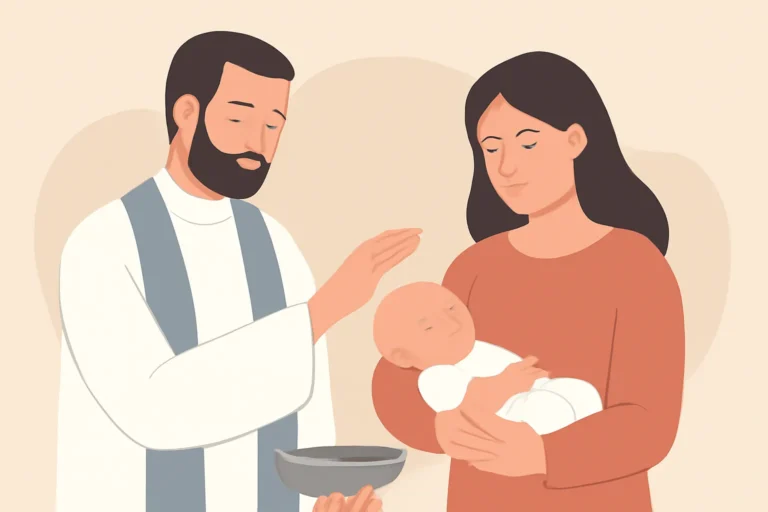
Equally significant are the sacraments, such as baptism and Communion (or the Lord’s Supper). These are sacred rituals instituted by Christ, serving as visible signs of invisible grace. Baptism signifies new life and incorporation into the body of Christ, while Communion offers a profound moment of remembrance, fellowship, and spiritual nourishment. These acts are not mere symbolic gestures; they are seen as encounters with the divine, reinforcing the covenant relationship between God and humanity. The way these are integrated into the church order of service can vary, but their profound theological weight remains constant.
Key Components of the Word and Sacrament:
Scripture Readings: Portions of the Bible read aloud.
Sermon/Preaching: An exposition and application of scripture.
Creeds and Confessions: Affirmations of core beliefs.
Sacraments: Baptism and/or Communion.
Pastoral Prayer: A prayer for the needs of the church and world.
The sermon, in particular, is where the abstract concepts of faith are often made concrete and relatable. A pastor might use parables, historical accounts, or contemporary stories to illustrate biblical principles, making them accessible to a diverse congregation. This is also where the church order of service intentionally creates space for response. After hearing the Word, the congregation is often invited to respond through hymns of commitment, confessions of faith, or prayers of intercession. This dynamic interplay between proclamation and response is what makes the worship truly participatory and transformative.
Worship is not meant to remain confined within the church walls; it’s a catalyst for action and a preparation for continued spiritual engagement throughout the week. Therefore, the latter part of the church order of service focuses on response and sending forth. This often includes moments of offering and tithing, a tangible expression of gratitude and a practical means of supporting the church’s mission. It’s a recognition that faith has economic implications and that generosity is a vital aspect of discipleship. The act of giving is woven into the fabric of worship, symbolizing a surrender of resources back to God.
The service culminates with a benediction and commission, a final blessing and a charge to go forth and live out the faith encountered. This is not an abrupt ending but a purposeful dismissal, equipping believers to be witnesses and agents of God’s love in the world. It’s a reminder that worship extends beyond the Sunday morning gathering, influencing daily decisions and interactions. This intentional sending forth is a powerful conclusion to the church order of service, transforming passive observers into active participants in God’s ongoing work.
Concluding Elements of the Service:
Offering/Tithe: A time for congregational giving.
Offertory Music: A musical piece often reflective of the offering.
Announcements: Further notices and calls to engagement.
Benediction: A prayer for God’s blessing upon the congregation.
Doxology: A hymn or statement of praise to God.
Postlude Music: Music that accompanies the congregation’s departure.
The benediction, often a scriptural blessing, is more than just a polite closing. It carries the weight of divine authority and empowerment, sending individuals out with God’s peace and purpose. It’s a promise of God’s presence even after the formal worship has concluded. The commission that often follows, encouraging believers to “go in peace to love and serve the Lord,” is a direct call to integrate their faith into their everyday lives. This final segment of the church order of service is a vital bridge, connecting the sacred experience of worship with the practical realities of daily living, ensuring that the impact of the service extends far beyond the gathered community.
Frequently Asked Questions: Church Order of Service
What is a typical order of service in a Protestant church?
A typical Protestant order of service often includes: Prelude, Call to Worship, Invocation, Hymn of Praise, Scripture Reading, Sermon, Offering, Benediction, and Postlude. Variations exist between denominations.
What does the “liturgy” refer to in a church service?
Liturgy refers to the established or prescribed form of public worship, including prayers, readings, hymns, and other rites. It provides a structured and communal way to engage in worship.
Are there specific elements that are common to most Christian church services?
Yes, common elements often include prayer, scripture readings, singing (hymns or worship songs), a sermon or message based on scripture, and a blessing or benediction.
What is the purpose of the sermon in a church service?
The sermon is typically a spoken message, often based on a passage of scripture, designed to instruct, encourage, challenge, and inspire the congregation.
How does the order of service help in a religious setting?
The order of service provides structure and predictability, allowing participants to prepare their hearts and minds for worship. It guides the congregation through various aspects of spiritual engagement and communal expression of faith.
What is a “call to worship”?
A call to worship is an invitation or exhortation for the congregation to focus their attention on God and prepare themselves for worship. It often involves scripture or a spoken invitation.
What is the role of music in a church service?
Music, whether hymns, choruses, or instrumental pieces, serves to express praise, adoration, confession, and thanksgiving to God. It can also enhance the emotional and spiritual atmosphere of the service.
What is the “offering” or “tithe” during a service?
The offering is a time when congregants give financial contributions to support the church’s ministry and mission. It is often accompanied by a prayer of dedication.
What is a “benediction”?
A benediction is a prayer or blessing pronounced at the end of a service, invoking God’s favor and peace upon the congregation as they depart.
How should a newcomer approach attending a church service?
Newcomers are generally encouraged to observe, participate as they feel comfortable, and approach the service with an open heart and mind. Most churches are welcoming and may have greeters or information available.