Holy Land of Christianity: History, Significance, and Top Pilgrimage Sites
The Holy Land of Christianity is not just a travel destination; it is a living archive where sacred narratives, ancient streets, and enduring traditions converge. For millions of believers and curious travelers alike, this land of salvation stories offers a tangible connection to the life of Jesus and the earliest chapters of the Christian church. From the bustling quarters of Jerusalem to quiet desert waters, the geography itself becomes a teacher, guiding pilgrims through memory and meaning. In this article, we explore the holy land of Christianity as a historical phenomenon, a theological idea, and a practical itinerary—a place whose significance transcends borders and centuries.
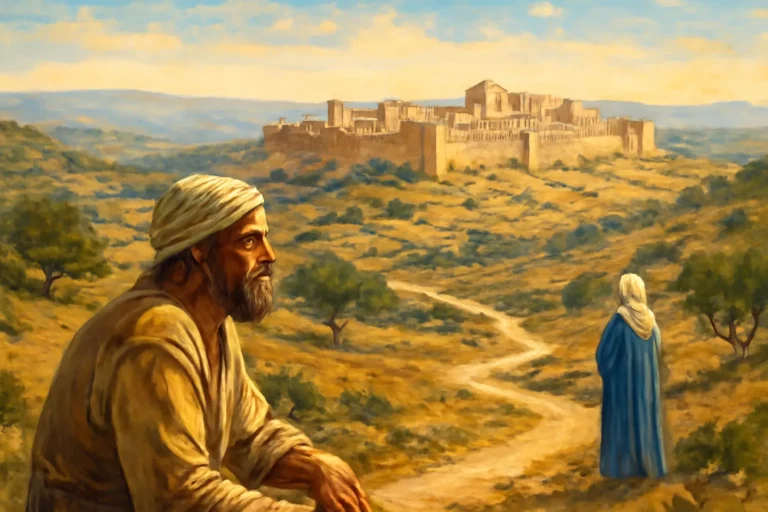
The narrative arc of the sacred terrain begins in a region steeped in the histories of Judaism, the Roman world, and the early Christian communities that formed in the first centuries after Christ. The Christian Holy Land is, in many ways, a map of memory. It preserves the events that Christians recount as the life, death, and resurrection of Jesus, yet it also preserves the story of how Christian worship, theology, and ecclesial structures spread outward from this land into the wider Mediterranean world.
In antiquity, the area commonly identified as the land of Jesus or the Christian holy sites was a mosaic of cities, villages, and crossroads under various empires. The earliest Christian communities were rooted in synagogues and households, and over time they built worship spaces that bore witness to key moments in the gospel narratives. The Temple Mount, Bethlehem, Nazareth, and the Sea of Galilee region became focal points not only for devotion but for artistic and theological reflection. Later, as the Christian church grew more organized, councils and liturgical traditions sought to identify and preserve places associated with Jesus’ ministry, crucifixion, and resurrection. This process yielded a geography that is as much about memory as it is about landscape.
One enduring theme in the history of the Christian holy land is continuity amidst change. The region witnessed the spread of Christianity through early church fathers, monastic movements, and pilgrim writers who traveled to sacred sites and documented their experiences. The reverence for places like Jerusalem, the birthplace of the church in many Christian memories, and Nazareth, the site of the annunciation, helped sustain a sense of shared identity across diverse Christian communities. Even as political powers shifted—from Roman to Byzantine to Islamic rule and beyond—the memory of the gospel locales persisted in liturgy, art, and sacred space. In contemporary times, the same places serve as a bridge between faith, archaeology, and education, inviting visitors to engage with ancient faith narratives in a modern setting.
Historically, the holy land has also been a center of pilgrimage. Early Christians walked the roads from city to city to honor the events of the gospel. Over centuries, churches, monasteries, and pilgrimage routes were established, turning what was once a scattering of sacred sites into a network of devotional stops connected by roads, rivers, and stories. The modern period has seen ongoing conservation efforts, scholarly research, and interfaith dialogue, all aimed at preserving the integrity of these places while welcoming people of many backgrounds to learn and reflect.
Significance, Theology, and Heritage of the Sacred Landscape
The holy land of Christianity embodies more than a collection of monuments; it is a living canvas where theology meets geography. The sites in this land are revered because they bear witness to key moments in the Christian narrative—moments that shape doctrine, devotion, and daily practice. For many believers, walking in the places where Jesus walked is a way to encounter the gospel more vividly. The geography of the land of miracles becomes a pedagogy of faith, inviting contemplation about incarnation, redemption, and justice.
From a theological perspective, the sacred geography offers a way to reflect on the ways God interacts with humanity. The Jordan River evokes baptism and new life; the Sea of Galilee conjures the gentle rhythms of Jesus’ teaching and miracle-working; the Jerusalem cityscape hosts events that Christians recall as the culmination of salvation history. The juxtaposition of rural hills and urban centers in the Christian Holy Land underscores a central biblical theme: God often works through ordinary places and ordinary people to accomplish extraordinary purposes. For scholars, the sites provide material testimony—inscriptions, mosaics, architecture—that helps illuminate how early Christians interpreted their faith and how later generations reinterpreted it for new audiences.
Symbolically, the sacred grounds of this region are linked to two intertwined narratives: the call to a personal relationship with God and the call to a communal mission in the world. Pilgrims come seeking personal renewal, while churches and seminaries study the geography to understand the historical contexts of the gospels. The holy land thus becomes a hinge between tradition and contemporary life, a place where memory is not static but alive in liturgy, education, and dialog between faiths.
In terms of heritage, the landscape carries layers of civilizations that have left marks visible to modern visitors. From ancient road networks and archaeological excavations to medieval churches and modern basilicas, the physical fabric of the land of Christian memory speaks to continuity, adaptation, and reverence for sacred space. The ongoing preservation of these sites—through careful stewardship, scholarly inquiry, and community involvement—ensures that generations to come can still approach the living narrative of Jesus and his followers in the places where history was made.
A Timeline of Sacred Events and Landmark Moments
Birth and early life in Galilee and Bethlehem: The infancy narratives place Jesus in Bethlehem, with later moves to Nazareth, anchoring the drama of incarnation in specific localities.
Public ministry around the Sea of Galilee: Teachings, parables, and miracles unfold in towns such as Capernaum and regions around the lake, shaping how communities understand justice, mercy, and faith.
Baptism in the Jordan River: The Jordan becomes a symbol of new life and the divine affirmation of Jesus’ vocation in the eyes of early witnesses.
Crucifixion and Resurrection in Jerusalem: The climactic events take place in the urban heart of the Holy City, giving shape to Christian hope and the proclamation of the gospel to the world.
Early Christian worship and expansion: The first churches emerge in towns connected to the gospel narrative, and pilgrimage to these places becomes a shared practice across different Christian communities.
Byzantine to modern pilgrimages: The long arc of church history turns sacred sites into centers of liturgy, art, and scholarship that continue to draw people today.
Across centuries, this timeline emphasizes how the holy land functions as a narrative map—each moment linked to a place, each place inviting a memory that sustains faith and curiosity.
Top Pilgrimage Sites in the Christian Holy Land
Below is a curated guide to some of the most consequential places within the Holy Land of Christianity. Each site carries a distinct atmosphere, an architectural language, and a story that has shaped Christian devotion for generations. While the exact routes and experiences vary, the underlying purpose remains constant: to encounter the gospel in a space that has preserved memory for centuries.
Jerusalem: The Heart of the Sacred City
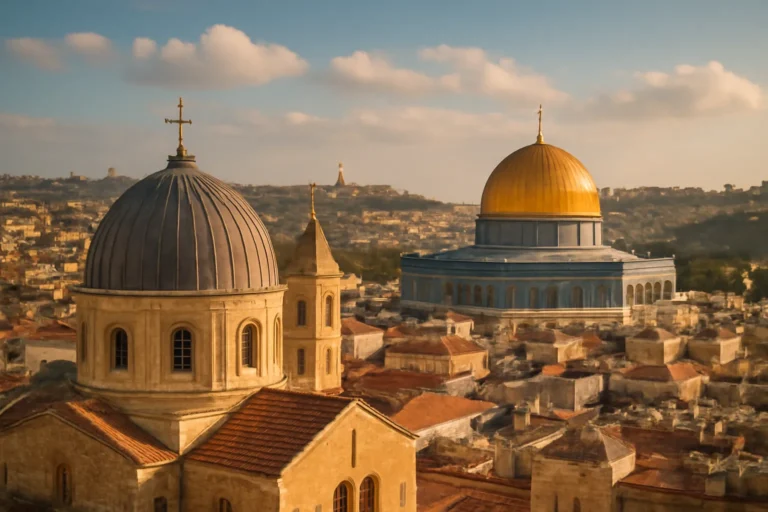
Jerusalem stands at the center of Christian memory as the city where crucifixion and resurrection are believed to have occurred. The urban fabric, with its winding streets and sacred landmarks, offers a powerful context for reflection on the drama of salvation. Important features include the Church of the Holy Sepulchre, the Via Dolorosa, and the Temple Mount/Dome of the Rock precincts that frame a complex history of sacred space. While navigating this holy neighborhood, pilgrims encounter layers of worship that span centuries and denominations, from ancient mosaics to contemporary liturgical rites.
Churches and chapels within the old city offer opportunities for worship, prayer, and quiet contemplation.
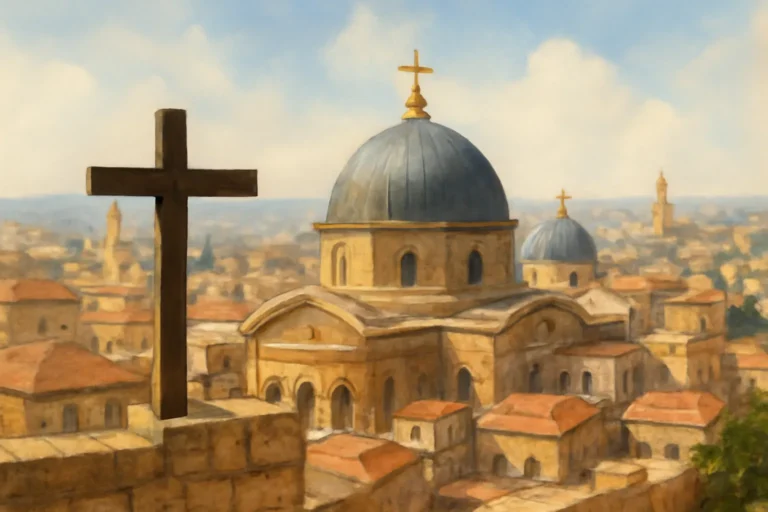
The Church of the Holy Sepulchre is revered as the traditional site of Jesus’ crucifixion, burial, and resurrection, and it draws pilgrims seeking solace and renewal.
The Mount of Olives provides a vantage point for panoramic views and is steeped in biblical events, including the anointing of kings and the ascent of Jesus to heaven in different gospel traditions.
Bethlehem: The Birthplace of Jesus
In the birth narratives, Bethlehem is celebrated as the city of Jesus’ nativity. The Basilica of the Nativity marks a focal point for the celebration of the Incarnation. Pilgrims often begin here to set the spiritual frame for their journey: a reminder that God’s word became flesh in humble surroundings. The surrounding markets, churches, and monasteries create an intimate ambience that invites reflection on themes of humility, hospitality, and divine mystery.
The Church of the Nativity houses the traditional Grotto of the Nativity and is a UNESCO-protected site with meaningful liturgical life.
Nearby sites include the Milk Grotto and other chapels that connect to early Christian legends and local devotion.
Seasonal pilgrimages, Christmas celebrations, and daily prayers contribute to a living culture around the nativity story.
Nazareth: The Annunciation and Growth of Faith
Nazareth, often described as the childhood home of Jesus, anchors the gospel narrative in a specific urban setting. The Basilica of the Annunciation stands as a centerpiece of Nazareth’s Christian heritage, commemorating the angel’s announcement to Mary. The town remains a living community where modern life sits alongside ancient chapels and sanctuaries. Compared to the intensity of Jerusalem, Nazareth offers a more intimate encounter with the early years of Jesus and the everyday life of Jesus’ family and neighbors.
The Church of the Annunciation features sacred art, devotional spaces, and a quiet atmosphere ideal for personal prayer.
Local markets, olive groves, and hillside churches provide opportunities to reflect on the cultural context in which the gospel emerged.
Patron saints and local traditions connect the faithful to a history of proclamation and mission.
Sea of Galilee and Capernaum: Life and Ministry along the Water
The Sea of Galilee is a leitmotif of Jesus’ ministry, where miracles and parables accompanied boat rides, fishing, and shoreline sermons. The adjacent towns, notably Capernaum and Tabgha, preserve the memory of Jesus’ instructional moments and acts of healing. The landscape—bordered by hills, farms, and traditional villages—invites contemplative walking, quiet introspection, and a sense of connection to the gospel’s rural settings.
Capernaum hosts ruins that scholars connect to Jesus’ teaching and synagogue ministry, while the Church of the Primacy marks the feeding of the multitude and related miracles.
Tabgha, with its historic church and mosaic traditions, is associated with the miracle of the loaves and fishes.
Boat trips on the Sea of Galilee provide a sensory link to gospel scenes, especially for those who seek experiential devotion.
Jordan River and Baptismal Sites: The River of Renewal
The Jordan River is a watershed symbol in Christian tradition. It marks the moment of baptism and the public revelation of Jesus’ identity, making it a pilgrimage destination for renewal, commitment, and spiritual commissioning. Modern baptismal sites along the river, such as Yardenit, allow visitors to participate in rituals or quiet reflection, while the broader river valley offers desert landscapes, historical geology, and ecumenical encounters with communities that maintain the memory of these sacred moments.
Iconic river banks and baptismal pools serve as focal points for personal commitments and group ceremonies.
Guided reflections and devotional programs help pilgrims engage with the symbolic meaning of baptism and new life.
The geography around the Jordan illustrates broader biblical themes of crossing, wilderness, and covenant renewal.
Jericho, Bethel, and the Jordan Valley: The Edge of History
The sites beyond the major urban centers reveal how the holy land stretches into desert and steppe landscapes. Jericho, often described as one of the oldest inhabited cities, sits near the battlefields of biblical memory and the crossing of ancient routes. The surrounding landscape demonstrates how geography shaped ancient commerce, spirituality, and daily life. Pilgrims can sense the contrasts between fortified ancient walls, fertile terraces, and the stark beauty of the Jordan valley, all of which illuminate biblical narratives about faith, endurance, and hope.
Jericho’s archeological layers and biblical associations invite visitors to consider long-term human settlement and spiritual symbolism.
Desert landscapes near the Jordan Valley provide a counterpoint to the bustling holy sites, reminding travelers of times of contemplation and withdrawal.
Local guides often connect Jericho to broader themes of perseverance and trust in God’s promises.
Jerusalem’s Sacred Mosaic: Zion, Mount of Olives, and the Church of the Holy Sepulchre
A holistic encounter with the holy city requires engaging multiple sacred nodes. The Mount of Olives offers not only a historical vantage but a spiritual geography for contemplation about eschatology and hope. The Church of the Holy Sepulchre stands as a centerpiece of iconography, ritual, and history, where many Christian traditions gather to mark the crucifixion and resurrection narratives. This cluster of sites—churches, chapels, sanctuaries—functions as a living classroom for theology, liturgy, and ecumenical dialogue.
Liturgical cycles and processions tie the memory of Jesus’ passion to contemporary worship across denominations.
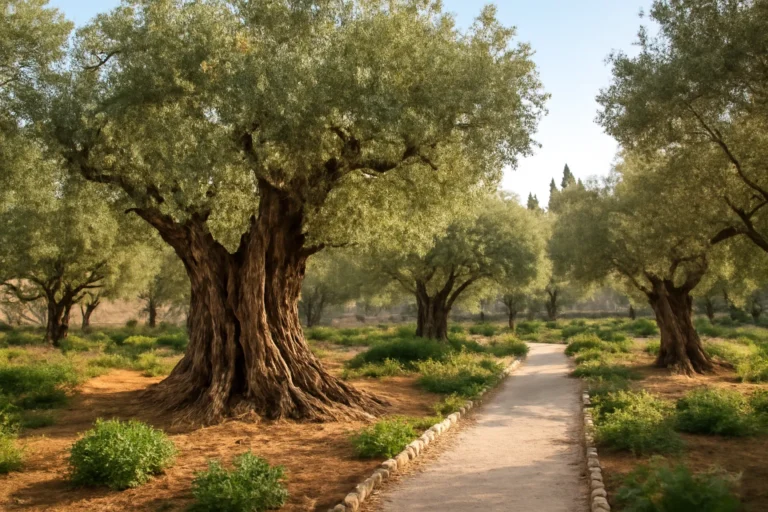
The nearby Garden of Gethsemane preserves ancient olive trees and offers a setting for prayerful reflection on obedience, sacrifice, and human vulnerability.
Walking routes through Old City streets reveal how sacred memory is embedded in urban geography and community life.
Bethany and Other Breadth Sites: Beyond the Core
Bethany, home to Lazarus, Mary, and Martha in the gospel accounts, is a poignant example of how the broader land of faith extends beyond famous centers. Other nearby sanctuaries, such as modern monasteries and tomb chapels, contribute to a richer pilgrim experience by connecting with local devotion practices, monastic hospitality, and educational programs. These places remind visitors that the holy land of Christianity is a living organism, not a static museum, continually shaped by the faith communities who inhabit it.
Monastic sites offer quiet spaces for contemplation, study, and spiritual direction.
Local hospices and guesthouses welcome visitors with hospitality that reflects the biblical theme of sacred hospitality.
Education centers and museums help interpret ancient artifacts, inscriptions, and art in light of modern scholarship.
Practical Framework for Pilgrims: Planning a Sacred Journey
Embarking on a journey through the holy land of Christianity requires thoughtful preparation. Pilgrims should consider secular considerations—visa requirements, safety advisories, and local customs—alongside sacred objectives, liturgical calendars, and spiritual goals. A well-planned itinerary balances time in major holy sites with opportunities for quiet reflection, dialogue, and educational experiences. For many travelers, the aim is not only to see places but to listen to stories, ask questions, and discern how these narratives animate their own faith and life.
Seasonality and climate influence the experience: spring and autumn often offer milder weather and vibrant historical settings.
Guided tours can enrich understanding, but personal time for prayer and study remains essential for a meaningful pilgrimage.
Dress codes, modest attire, and respectful behavior help preserve the sanctity of sacred spaces for all visitors.
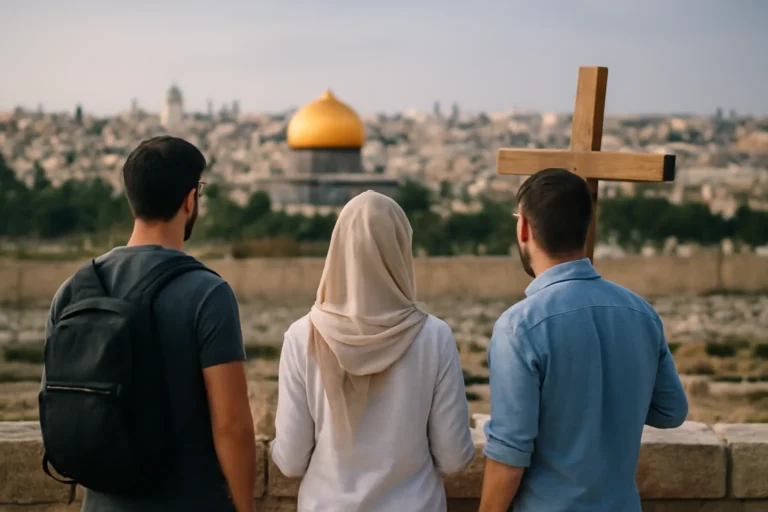
Although the focus here is Christian devotion, the holy land is a corridor for interfaith dialogue and mutual understanding. Shared biblical narratives appear in Jewish, Christian, and Muslim traditions, and the region’s religious sites often reflect a history of coexistence, conflict, and collaboration. Modern pilgrimage in this landscape can foster ecumenical relationships, encourage scholarship that respects multiple perspectives, and support preservation efforts that benefit all communities. Visitors frequently witness a spirit of mutual respect, even amid complicated political realities, and learn how sacred sites can be places of shared memory and collective responsibility for the future.
Interfaith programs and guided discussions help visitors explore common ground and differences with sensitivity.
Conservation projects often involve cross-community cooperation and scholarship from diverse religious backgrounds.
Educational outreach and cultural exchange programs connect pilgrims with local residents, artisans, and scholars.
Preserving the memory of the gospel in tangible form requires ongoing stewardship. Archaeological excavations, architectural restorations, and careful museum curation help ensure that the holy land of Christianity remains accessible to future generations without compromising historical integrity. Visitors can engage with this dimension by choosing reputable guides, supporting responsible travel practices, and respecting restrictions designed to protect fragile sites. The balance between accessibility and preservation is a dynamic and essential aspect of the modern pilgrimage experience.
Archaeological findings illuminate the ancient contexts of gospel narratives, enriching visitors’ comprehension of early Christian life.
Heritage sites often provide interpretive displays that connect history to current religious practice.
Community-led initiatives sustain local economies and protect sacred spaces from over-commercialization.
Approaching the Holy Land thoughtfully involves a pilgrim’s method: read, listen, pray, and reflect. Read the gospel accounts alongside historical context, listen to the voices of local guides and clergy, pray in the places held sacred by centuries of worship, and reflect on how the narrative of Jesus’ life speaks to contemporary issues of justice, compassion, and mercy. The aim is not merely to check off sites but to encounter meaning that can be carried back into daily life, relationships, and service to others.
Develop a flexible schedule that allows for unplanned encounters and moments of rest.
Journal or sketch reflections to deepen personal engagement with what you see and hear.
Participate in liturgical services when possible, as shared worship can deepen spiritual resonance.
Practical Considerations for Visiting the Sacred Geography
Traveling through the land of the gospel demands practical planning. Visitors should consider how to allocate time to balance major sanctuaries with offbeat sites, how to navigate the climate, language, and cultural norms, and how to access meaningful educational resources. The experience varies with the season, the pace of travel, and the specific faith traditions being engaged. The aim is a respectful, enriching journey that honors the sacred memory embedded in every corner of this geography.
Best times to visit: spring or autumn when temperatures are moderate and liturgical events are active.
Respectful attire and behavior in sacred spaces are essential for all visitors.
Local guides provide historical context, religious insights, and practical safety advice that enhances the pilgrimage.
Concluding Reflections on the Sacred Geography
Although this article has traversed a wide array of sites and themes, the core insight remains: the holy land of Christianity is a living dialogue between memory and present-day faith. It is a space where history and devotion converge, where geography becomes a teacher, and where believers and learners alike discover how ancient narratives illuminate contemporary life. Whether approached as a pilgrimage, an educational expedition, or a spiritual retreat, this sacred landscape invites ongoing curiosity, reverence, and responsibility: to remember, to learn, and to honor the stories that shaped a world and continue to shape lives today.