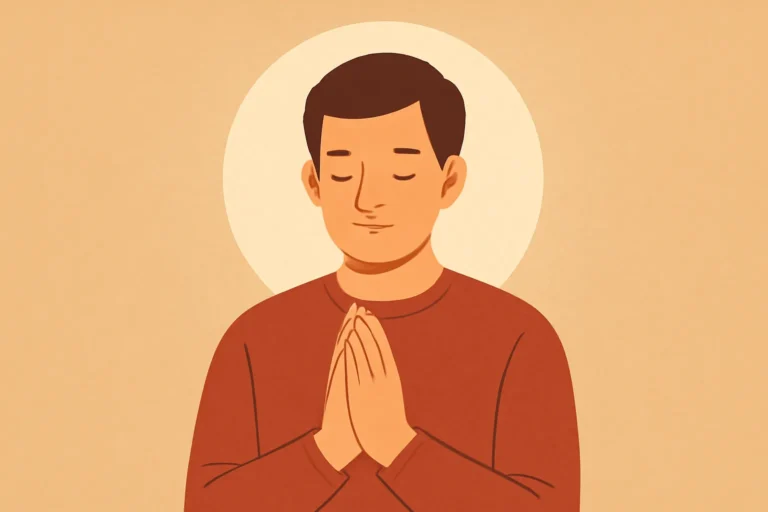
Prayers That Change Things: A Practical Guide to Transformative Prayer
Prayer is one of the oldest and most practiced tools for shaping our inner life and our external circumstances. When done with care, prayer can become a practical engine for change, not only by moving situations but by transforming the person who prays. This guide offers a comprehensive look at transformative prayer, outlining how to approach prayer with intention, discipline, and openness to growth. It combines timeless practices with modern, actionable steps so you can cultivate a prayer life that truly changes things—whether in your own heart, your relationships, or your broader world.
What makes prayers transformative
Transformative prayer is less about demanding specific outcomes and more about aligning your life with what you desire at a depth beyond mere wishful thinking. It operates on several interlocking levels:
Intentional alignment: Prayer shifts your aims so that your desires reflect a larger good rather than just personal preference.
Emotional recalibration: Regular prayer can decrease anxiety, increase resilience, and cultivate hope, which in turn influences decisions and actions.
Clarity through stillness: Quiet, reflective moments reveal priorities you may have overlooked in the noise of daily life.
Accountability and discipline: A routine prayer practice creates a structure in which growth can be tracked and refined.
Open posture toward guidance: Transformative prayer invites insight, discernment, and, if you’re listening, direction for concrete steps.
In practice, prayers that change things often combine heartfelt longing with practical action, humility, and perseverance. They are not merely moments of vocalization but ongoing conversations with the inner life and, for many, a sacred relationship with something larger than oneself. Below, we explore different forms of transformative prayer and show how each can contribute to real, observable change.
Variations of prayers that change things
People from diverse traditions speak about change through a range of prayer forms. Here are practical variations you can adapt, each with a quick how-to and a sample prayer you can customize.
Praise, Adoration, and Gratitude Prayers
These prayers focus on reverence, giving thanks, and recognizing the good that already exists. They open the heart, soften resistance, and cultivate a sense of abundance that can attract more of the same.
Purpose: Reorient attention from lack to abundance; strengthen trust in the ongoing fabric of life.
How to practice: Begin with a few moments of breathing; name blessings aloud (or in your mind); offer grateful acknowledgment for the person, situation, or trait you admire.
Sample prayer: “O Source of all goodness, I pause to notice the gifts surrounding me today. I am grateful for [specific gifts], and I acknowledge the people who bring light into my life. May I reflect this gratitude through my actions and decisions, so that others are encouraged and uplifted.”
Petition and Supplication Prayers
In prayers that change things, petition is not a selfish plea; it’s a request made with humility and clarity about needs and boundaries. The key is to pair longing with responsibility and surrender to outcome.
Purpose: Request guidance, provision, protection, or relief while recognizing limits and timing beyond your control.
How to practice: State your need concisely; acknowledge what you cannot control; invite wisdom for the right approach; commit to act when guidance comes.
Sample prayer: “Please help me with [need], grant me wisdom to act in alignment with what is good for all involved. If the path I’ve imagined is not the right one, reveal a better way, and give me the courage to follow it.”
Intercessory Prayers
Intercession invites you to stand in solidarity with others. It is both compassionate and practical, often accompanied by concrete steps you can take to help.
Purpose: Advocate for others, relieve suffering, and catalyze communal healing.
How to practice: Choose one person or situation; learn about its needs; pray with specificity and a willingness to listen for guidance; consider accompanying actions (support, advocacy, or service).
Sample prayer: “I lift up [person/situation] to you with compassion and faith. Bring healing, courage, and wisdom. Change what needs changing and strengthen what endures. May my own actions reflect your care.”
Transformative prayer often begins where honest self-reflection ends excuses. By naming shortcomings openly, you create space for grace, forgiveness, and renewed direction.
Purpose: Heal relational rifts, correct misalignments, restore integrity, and clear the way for new growth.
How to practice: Acknowledge the impact of actions; express genuine remorse; commit to restitution or changed behavior; invite help to follow through.
Sample prayer: “I admit my mistakes in [area], and I ask for forgiveness and strength to act differently. Help me to learn from this, make amends where I can, and move forward with integrity.”
Not every prayer aims for resolution immediately. Laments name pain, disappointment, or injustice and hold space for trust while acknowledging reality as it is. This practice can be deeply transformative.
Purpose: Process grief, acknowledge honest feeling, and open toward hope or a different perspective.
How to practice: Begin with a clear statement of what hurts; express honest emotion; end with a request for courage or clarity (even if the answer is “not yet”).
Sample prayer: “My heart is heavy about [situation], and I feel overwhelmed. I doubt, I fear, and I ache. Be present with me in this absence of clarity, and give me the strength to endure and the faith to look for light again.”
Declarative and Authority Prayers
These prayers affirm truth, declare intentions, and invite reality to align with higher principles. They are often used in conjunction with action steps and practical commitments.
Purpose: Ground belief in powerful, constructive statements and invite alignment with these truths.
How to practice: Identify a principle you want to manifest; phrase it as a clear, positive statement; repeat with conviction; pair with concrete actions.
Sample prayer: “I declare that peace, clarity, and compassion guide my decisions today. I commit to speaking truth, acting justly, and loving deeply.”
Contemplative and Silent Prayers
Sometimes transformation comes through listening rather than speaking. Silence and contemplation allow access to inner guidance and a deeper sense of presence.
Purpose: Cultivate awareness, patience, and receptivity to subtle impressions or gentle direction.
How to practice: Sit in stillness for a set time; breathe with intention; observe thoughts without judgment; invite stillness to deepen into insight.
Sample practice: A brief 10-minute period of quiet breathing, followed by journaling any insights that arise.
Scripture- or Text-Based Prayers
For many, sacred or revered texts offer a framework that anchors change in wisdom, virtue, and timeless truth.
Purpose: Ground requests in known values; anchor hope in enduring promises; connect personal need with a broader narrative.
How to practice: Read a passage; reflect on its implications; translate into a personal prayer; commit to living out the teaching in daily actions.
Sample prayer: “As the psalmist says, ‘Be still and know that I am God.’ Help me to be still enough to hear your guidance today, and to live in a way that reflects your steadfast love.”
Foundations for practical, transformative practice
To move from episodic prayer to consistent transformation, you’ll want a reliable framework. Here are core elements that make prayers effective in real life:
Clarity of intention: Know what you are asking for and why it matters beyond personal convenience.
Alignment: Ensure your request aligns with your values and the well-being of others involved.
Consistency: A regular rhythm beats sporadic effort; even short daily prayers accumulate over time.
Humility and surrender: Hold lightly to outcomes; be prepared to adjust your approach or expectations.
Action in parallel: Pair prayer with practical steps—seeking wisdom, offering service, or making changes in your routines.
Reflection and accountability: Monitor progress, celebrate small wins, and recalibrate when necessary.
A practical framework you can use: the six-step daily practice
Try this structured routine to cultivate a robust, transformative prayer habit. It’s designed to be adaptable to busy schedules while producing real change over time.
Centering: Begin with 3–5 minutes of slow, diaphragmatic breathing to settle the body and quiet the mind.
Clarifying intention: Write a one-sentence statement of what you seek to change or grow in today’s session.
Type of prayer: Choose one form from the variations above (petition, intercession, gratitude, confession, lament, declarative, or contemplative).
Concrete request: Express your need with specificity (who is involved, what outcome, by when, and under what conditions).
Listening and discernment: After your request, sit in silence for 3–5 minutes, noting any thoughts, impressions, or feelings that arise.
Action and gratitude: Identify one concrete step you will take today in light of what you heard, and finish with a brief note of gratitude for support or guidance you’ve received.
Over time, this six-step routine helps your inner life align with outward action, turning high hopes into practical outcomes. You may discover that prayers that change things are less about controlling results than about evolving your approach to life itself.
If you want lasting change, consider a slightly longer cadence that blends personal reflection with community or shared practice. Here are two approaches you can combine or adapt.
Personal weekly rhythm
Monday: Intent and inventory — set a focused intention for the week and review what helped or hindered you last week.
Wednesday: Intercession and support — pray for others and plan one act of service you can perform in the week ahead.
Friday: Gratitude and renewal — reflect on blessings and identify one habit to reinforce for the coming days.
Small-group or family rhythm
Sunday gathering — share one outcome you’re praying for and one practical step you’ll take toward it.
Midweek check-in — a short, 10–15 minute time to share progress, encourage one another, and recalibrate requests.
End-of-week reflection — close with a ritual of gratitude and a plan for rest and renewal.
Overcoming common obstacles in transformative prayer
Even with a clear plan, you may encounter challenges. Here are frequent obstacles and practical strategies to move through them:
Doubt and skepticism: Treat doubt as information to investigate rather than a verdict against prayer. Keep a note of questions and observe how your practice evolves.
Distractions: Create a dedicated space and routine. Use focused prompts or a guided audio to anchor your time.
Apathy or burnout: Vary your prayer forms; invite someone you trust to pray with you; remind yourself of the reasons you began this journey.
Unanswered prayers: Framing outcomes in terms of growth and wisdom rather than control can reduce frustration and open space for new possibilities.
When outcomes don’t appear on our timetable, the practice itself often becomes the change. The habit of showing up in humility and honesty refines character and expands capacity for compassion, resilience, and practical wisdom.
Practical examples: short, ready-to-use prayers for everyday change
Sometimes it helps to have ready-to-use prompts. Here are concise prayers you can adapt for morning, noon, or night, along with a quick note about what each form aims to cultivate.
Morning affirmative — “Today I choose to act with clarity, patience, and courage. Guide my choices so that they honor the good of all.” (Intent and action)
Midday check-in — “Help me see what I am missing, so I may adjust my steps accordingly.” (Receptivity and discernment)
Evening reflection — “Thank you for the lessons of today; forgive what I did not get right, and prepare me for tomorrow.” (Gratitude and renewal)
Relationship-focused prayer — “Bless my conversations, soften my judgments, and give me the grace to listen deeply.” (Humility and empathy)
Community intercession — “Be with those who suffer, protect the vulnerable, and inspire acts of solidarity from our local network.” (Compassion and collective action)
Building a personal prayer toolkit
A prayer toolkit helps you stay engaged during difficult seasons. Assemble items and practices that support your best self and your most important relationships.
Journal for gratitude, questions, revelations, and commitments.
Prayer beads, a rosary, or a simple count-and-breathe method to anchor attention.
Scripture passages or sacred texts to guide reflection and grounding.
Guided audio or meditation app for structure during busy days.
Notebook for action steps to translate insights into concrete deeds.
Having these tools handy helps you maintain momentum and makes it easier to engage in transformative prayer even when life gets busy.
Cross-tradition perspectives: how different paths view change through prayer
Across faiths and spiritual practices, people describe prayer as a transformative discipline that opens inner space for growth, courage, and compassionate action. Here are a few perspectives to consider as you expand your practice:
Christian traditions often emphasize union with the divine will, grace, and the practice of intercession, confession, and gratitude as pathways to change.
Judaism stresses communal prayer, the power of blessing, and the ethics of repair (tikkun olam) as ways to contribute to social renewal.
Islamic practice includes structured daily prayers (salat), remembrance (dhikr), and supplications (du’a) that cultivate submission, vigilance, and gratitude.
Hindu and Buddhist disciplines highlight mantra, mindfulness, and compassionate intention as tools for transforming mind states and behavior.
Indigenous and nature-based pathways may center on reverence for creation, gratitude for seasonal cycles, and rituals that honor relationships with land and community.
While terminology and rituals differ, the core idea remains consistent: disciplined, honest, and hopeful prayer can shape both interior experience and outward reality.
Measuring transformation: what counts as change in a practical sense
Change through prayer can show up in many forms. Here are practical indicators that prayer is altering things, not just feeling better in the moment:
Shifts in behavior: you begin to make healthier choices, communicate more clearly, or respond with greater patience.
Improved relationships: increased empathy, fewer resentments, more constructive conversations.
Clarity about next steps: you gain direction about priorities, boundaries, and actions that align with values.
Resilience in adversity: you endure hardships with more steadiness and hope.
Momentum toward goals: you notice steady progress toward meaningful outcomes, not just fleeting wishes.
Keep a light but honest record of examples where you notice change. Over months, these notes can reveal patterns—evidence that transformative prayer is at work in your life.
Safety, ethics, and humility in transformative prayer
Prayer has a powerful impact not only on individuals but on communities. It’s important to practice with care and responsibility:
Respect for autonomy: honor others’ own paths and timing; avoid manipulating outcomes for personal gain.
Nonviolence and compassion: direct requests toward healing, justice, and wellbeing without coercion.
Self-care and humility: recognize your limits and seek support when needed, rather than forcing outcomes.
Accountability: when you act on guidance, be accountable for results and willing to adjust as needed.
Adopting a posture of humble service—praying with a willingness to be redirected by wisdom—often yields the most meaningful changes.
Putting it all together: an example week of transformative prayer in action
To illustrate how these pieces fit, here is a practical week-long outline you can adapt. The focus is on everyday life—work, family, health, and personal growth.
Day 1: Centering and clarity — 5 minutes of breathing, identify one key area for change, and write a precise intention.
Day 2: Petition with boundaries — articulate a clear request, set a realistic timeframe, and plan one supportive action.
Day 3: Intercession and service — pray for someone else with specific needs; pair prayer with a small act of kindness.
Day 4: Confession and renewal — acknowledge what you’ve done that harmed others; seek forgiveness and commit to restitution.
Day 5: Lament and resilience — name what hurts, express sorrow, and invite strength to keep moving forward.
Day 6: Contemplative listening — silence with a focus on inner guidance; note impressions and plan a course of action.
Day 7: Gratitude and next steps — conclude with gratitude and a practical plan for continuing the work begun during the week.
As you cycle through these days, you’ll likely notice that prayers that change things become a habit of living rather than a one-off ritual. The real magic is the cumulative effect of steady, intentional practice over time.
Tips for sustaining a long-term transformative prayer practice
Lengthy horizons require sustained energy. Here are practical strategies to keep your practice alive and effective:
Set realistic goals—begin with 5–10 minutes daily and gradually extend as it becomes routine.
Mix formats—rotate among prayer forms to keep your practice fresh and comprehensive.
Partner up—pray with a friend, family member, or small group to encourage accountability and shared wisdom.
Document insights—keep a dedicated prayer journal or digital note with dates, prompts, responses, and actions taken.
Revisit and revise—periodically review your intentions, assess outcomes, and refine your approach.
With these strategies, your transformative prayer practice becomes a durable framework for personal growth, healthier relationships, and a more purposeful life.
Final note: prayer as a dynamic relationship
Ultimately, prayer that changes things is more accurately described as a living conversation—an ongoing, dynamic relationship with the deepest parts of yourself, your community, and, in many traditions, with the larger mystery of life. It invites you to show up honestly, act with integrity, listen with humility, and remain hopeful even when answers arrive slowly. If you’re beginning this journey, give yourself permission to start small, to learn as you go, and to celebrate transformation in all its forms—visible and invisible, immediate and emergent. The changes you seek may unfold in surprising ways, and often in ways that teach you patience, compassion, and steadfastness along the way.