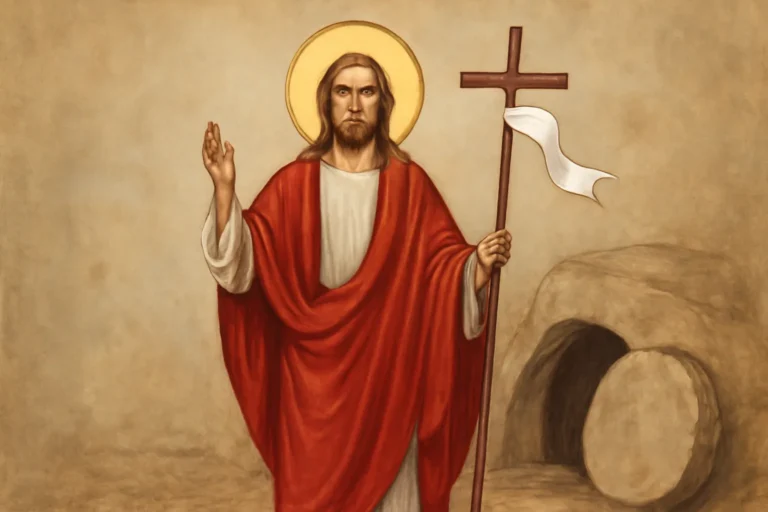
Lectio Divina Guide: A Step-by-Step Practice for Deep Prayer
Lectio Divina, Latin for “divine reading,” is an ancient practice that invites us to encounter Scripture as a living conversation with God. This article presents a practical, step-by-step guide to the practice often called the lectio divina guide or the practice of sacred reading. Grounded in contemplative prayer, this form of devotion integrates reading, reflection, dialogue, and action to foster a deep, transformative relationship with the divine Word. Whether you are new to spiritual disciplines or returning to a rhythm of prayer, this guide can help you enter into a richer and more attentive form of encounter with Scripture and with God.
Understanding Lectio Divina: A Practical Spiritual Practice
At its core, lectio divina is less about extracting an argument from a text and more about allowing the text to lead you deeper into contemplation. The aim is not merely cognitive understanding but experiential communion. Across centuries and traditions, the structure has proven adaptable to different settings—monastic or lay, individual or group, traditional Bible study or quiet personal prayer. In the language of a lectio divina guide, the practice unfolds as a gradual, ordered movement from outer reading to intimate presence, culminating in a change of life as the Word takes root in daily action.
Why adopt this method? Practically, it slows down the rapid pace of modern life and invites a patient listening that respects the text as more than information. It also helps cultivate a posture of humility before mystery, where questions matter as much as answers. In a world full of noise, lectio divina offers a method of listening that nurtures inner stillness, trust, and fidelity to what God is inviting you to notice and do.
In this comprehensive guide to lectio divina, you will come across several recurring ideas: attention to the text in a slow, reverent way; letting a word or phrase leap out and become a focus for meditation; turning that reflection into prayer; resting in God’s presence through contemplative receptivity; and finally, translating insight into lived action. The steps form a circle rather than a straight line: reading, reflecting, praying, resting, and acting echo one another and invite you back to the text with fresh eyes and a softened heart.
Throughout, you will find variations of lectio divina that show how this ancient practice can be adapted without losing its soul. Some communities emphasize a stricter rhythm, others favor a more flexible cadence. Some editions emphasize daily practice, while others cultivate it in weekly retreats. The core remains the same: attentive reading that becomes prayer, prayer that becomes contemplation, contemplation that moves to a life shaped by the Word.
The following sections present a detailed, step-by-step path, followed by practical aids, variations, and tips to help you integrate this discipline into your routine. As you read, you may notice that the practice evolves from a technique into a living invitation—an ongoing conversation between your heart, the sacred text, and God.
Step 1: Lectio — Reading
The first step in the lectio divina process is reading slowly and attentively. The goal is not to finish a chapter but to hear a word, phrase, or idea that resonates with you in this moment. Reading becomes an opening to mystery rather than a task to complete.
Choosing the Text
Begin with a short passage rather than a long chapter. A handful of verses or a single paragraph often yields deeper fruit than a large block of text.
Choose passages that appeal to your current season of life—psalms of comfort for struggle, parables for discernment, or letters for moral direction.
One well-known practice is to select a scriptural or devotional text that you can reread over several days, returning to it with new eyes each time.
Exploring the Text
Read the passage aloud slowly, paying attention to the cadence and imagery.
Read it a second time, perhaps in a different translation if you have access to one.
Note any words or phrases that stand out—repetition, vivid images, or surprising turns of phrase often signal the place where the Spirit desires to guide you.
Observing Details
What is the text saying on the surface? What is its genre (psalm, narrative, teaching, prophecy, wisdom)?
Which word or image draws your attention first? Why might that be?
What questions arise as you read? What do you notice about your current life in relation to this text?
In this initial phase, the aim is simple presence—not analysis for its own sake, but a quiet invitation to listen. The goal is to cultivate a posture of readiness to be surprised by the text and to allow it to echo within your heart.
In the lectio divina practice, the second movement is meditatio—a thoughtful turning of the text over in your mind and heart. This is where you begin to “chew” the Word, letting it take shape in your interior life. Meditation in this context is not abstract pondering; it is a concrete, personal listening that translates words into meaningful reflection in your present circumstances.
Entering the Dialogue
Ask yourself questions that connect the text to your daily life: What does this say to my fears, hopes, or relationships? What is God inviting me to notice about myself or others?
Let a phrase “settle” in you. Stay with it for several minutes as you listen for its implications.
Allow imagery from the text to surface in your mind. Visuals can anchor contemplation and illuminate moral or spiritual directions.
Approaches to Deep Reflection
Imaginative reading: Place yourself inside the scene. What do you feel, hear, or notice as a participant or observer?
Questions for reflection: If I were to name one truth this text reveals about God, about myself, or about my relations, what would it be?
Personal resonance: Identify a moment in your life where a similar theme appeared and compare how you responded then with how you hear it now.
Grasp the sense of movement here: from the external words to the inward meaning, from the text’s message to your inner life. This transition forms the core of the lectio divina practice, steering you toward a union of mind and heart with the divine presence.
Step 3: Oratio — Prayerful Conversation
The next stage is oratio, the personal dialogue with God that arises from the meditation. This is where the text’s invitation becomes a prayer. You may speak as if you are talking to a friend or to a discerning teacher; you may also listen in silence, allowing God to respond in your inner life.
What to Say in Oratio
Offer gratitude for the aspects of the text that touched you.
Ask for clarity, strength, or the ability to live out what you have received.
Confess resistance or confusion if you feel it; honesty deepens the encounter.
Request help to translate insight into action in the coming hours or days.
There is no fixed wording required in the spiritual exercise of lectio divina; the posture, more than the words, matters. Some find simple, brief prayers effective, while others write longer reflections or use a traditional prayer form. The key is sincerity and receptivity—speaking to God with authenticity while remaining open to God’s response.
In many traditions, Oratio and Meditatio blend—prayer becomes a form of listening, and listening informs the prayer. The exchange is less about achieving a particular emotional state and more about continuing a living conversation that sustains you beyond the moment of prayer.
Step 4: Contemplatio — Resting in God’s Presence
The fourth step, contemplatio, invites a quiet, wordless, receptive stance before God. Contemplation is less about mental activity and more about being present to the divine reality that fills all things. It resembles a deep, sustained posture of listening in the heart—an invitation to let go of planning, judging, and analyzing, and simply “be with” God.
How Contemplation Manifests
Silence and stillness as anchors of attention.
A gentle awareness of God’s presence, often described as a felt sense of peace or gratitude.
A letting go of control, trusting that God’s Word continues to work in you beyond the moment of prayer.
Contemplation is not passive; it is a dynamic trust that God is at work in you even when thoughts drift. In the contemplative phase, your role shifts from active inquiry to receptive openness. Some practitioners use short pauses, breathing exercises, or a soft gaze on a crucifix or an icon to sustain contemplation. Others simply rest in stillness, letting thoughts come and go without clinging to any particular one.
For many, contemplates deepens when there is a bridge back to the practical life. It is common in a complete practice to move back into action with a renewed sense of purpose, which leads to the final step of the classic cycle: translating the memory of God’s presence into living differently in the world.
Step 5: Actio — Living the Word
In the traditional five-part model, actio (or action) completes the circle: what has been learned through lectio divina should become visible in daily life. This is the practical application, the concrete response that arises from your encounter with the text and God’s presence. It may take the form of a decision, a commitment, a change in behavior, or a charitable action toward others.
From Insight to Action
Turn insights into daily practices: adding a habit, changing a pattern, or choosing a new way to relate to someone.
Look for opportunities to serve or to speak truth with grace, especially toward those who need encouragement.
Revisit the text or a related passage to sustain the momentum of transformation.
Actio is not about moralizing or forcing change; it is about allowing the Word to shape your life in incremental, sustainable ways. The simplest form of practical application might be a commitment you renew each day, such as choosing patience in a difficult situation, offering forgiveness, or choosing generosity over fear. Over time, these small, consistent choices become the lived fruit of the lectio divina journey.
Although the classic method is rooted in monastic wisdom, lectio divina variations are abundant. Different traditions emphasize different aspects while preserving the core intention: to know God more deeply through attentive Scripture, prayer, contemplation, and action. A few notable adaptations include:
Benedictine practice: The historical home for lectio divina, often framed within the rhythm of the day (ora et labora) with regular times of reading, prayer, and work.
Orthodox and Eastern Christian practice: Emphasizes hesychasm, contemplative stillness, and the practice of reading theological texts or psalms in a rhythm of prayerful quiet.
Protestant adaptations: Focus on a personal encounter with Scripture and inner dialogue with God, sometimes integrated into group Bible study with guided reflection.
Contemporary lay practice: A flexible format that may blend with nature, art, or music, using short readings and shorter periods of contemplation to fit busy schedules.
Group lectio divina: Conducted in small groups where participants share the word or phrase that stood out, fostering communal discernment and mutual encouragement.
In all these variations, the aim remains to keep the text in the center and to allow the Word to shape the community and the individual over time. The lectio divina guide you follow may be adapted to your context, but it should preserve the practice’s temper—slow, listening, honest conversation with God, and a life shaped by the Word.
Practical Tips for Beginners: Creating Space, Rhythm, and Focus
Starting a regular practice can feel daunting. The following practical tips are designed to help you establish a reliable routine, whether you are practicing alone or with others. They apply to the guide to lectio divina in any of its forms and can be tailored to your environment and spiritual tradition.
Setting a Sacred Space
Choose a quiet, comfortable place with minimal distractions.
Have a small table or altar with a Bible or preferred sacred text, a candle or natural light, and a comfortable chair or cushion.
Consider soft background music or nature sounds if they help you settle into stillness.
Timing and Rhythm
Begin with 15–20 minutes for the full cycle at first, then gradually lengthen as you grow more comfortable.
Try the practice at a consistent time each day or a few times a week to establish a habit.
Use a timer to create a gentle structure: 4–6 minutes for reading, 6–8 minutes for meditation, 4–6 minutes for prayer, and a few minutes of silence for contemplation.
Text Selection and Language
Prefer a text that speaks clearly to you in your current life situation. If you can, use a translation you understand well or a bilingual edition for richer nuance.
Keep a small notebook or journal for note-taking after each step, especially about the phrases that catch your attention.
Posture and Breath
Stand or sit with a posture that helps you remain alert but relaxed. Gentle spine alignment supports ease of breath and concentration.
Use slow, deliberate breathing to anchor yourself in the present moment. A few deep breaths can help you transition into silence.
Remember: the goal is not mastery of technique but fidelity to encounter. If you miss a step or feel the drift of attention, gently return to the text and begin again. The practice is forgiving and grows with you as a steady, patient friend.
Common Pitfalls and How to Overcome Them
Even seasoned practitioners encounter challenges in the practice of lectio divina. Recognizing common pitfalls can help you recover the thread of the practice without judgment or discouragement.
Rushing through the steps: Pace yourself with a timer or a slow natural rhythm. Allow enough time for each phase to breathe and unfold.
Over-analyzing or intellectualizing: Balance the mind’s insights with the heart’s openness. Remember that contemplation often grows in silence rather than in argument.
Discarding the text after reading: Return to the Word even after the contemplation; the text’s invitation can emerge in fresh ways with repeated engagement.
Using the practice to escape daily life: Let the encounter spill into acts of kindness, justice, and responsibility, not merely interior reflection.
If you experience dryness or distraction, consider switching to a shorter practice for a few days, or invite a friend to practice together. Group sessions can provide accountability and shared insight, enriching your personal lectio divina journey.
Journaling, Reflection, and Memory: Keeping the Fruit of the Practice
A simple, enduring way to preserve the gains from lectio divina is to maintain a light, honest journal. It helps you track what resonates, how your understanding shapes your life, and how patterns recur over time.
Record the date, text read, and the words or phrases that stood out.
Note your emotional and spiritual temperature during each phase: where you felt peace, tension, confusion, or gratitude.
Capture a concrete action you commit to in response to the Word.
Review past entries periodically to observe growth, consistency, or recurring questions.
In the context of lectio divina practice variations, a journal can become a map of how your engagement with God changes with seasons of life. You might notice that certain texts reappear with new meaning as you mature in faith and experience.
Digital Aids and Silent Practice: Bridging Technology and Contemplation
In our digital age, it is natural to wonder how technology fits with a practice as intimate as lectio divina. The answer is flexible: digital aids can support the practice, but they should not replace the inner stillness it seeks to cultivate.
Use a reputable Bible app or online text that offers different translations to compare language and nuance.
Set a gentle timer so that notifications do not interrupt your flow during the meditation or contemplation phases.
Consider guided audio versions of the Psalm or Gospel readings for the lectio divina audio variation, but follow with your own silent reflection and prayer.
When you are able, try a “digital-minimal” day in your routine to cultivate solitude away from screens, supporting a more spacious contemplative interior.
Whether you choose a digital lectio variation or a more traditional, paper-based approach, the core remains: a faithful reading that becomes prayerful conversation and quiet presence with God, leading to thoughtful action in daily life.
As you explore this practice, you may encounter questions about how to apply it in different contexts. Here are some commonly asked questions, answered concisely in the spirit of a practical lectio divina guide.
Is lectio divina only for Christians?
Traditionally, lectio divina is Christian in origin and language, focusing on Scripture and prayer. People from various traditions have found value in its structure as a form of contemplative reading and inner dialogue with the sacred. If you come from another faith or a secular contemplative background, you may adapt the steps to align with your own sacred texts and practices while preserving the spirit of attentive listening.
How long should I practice each day?
Even brief sessions—15 to 20 minutes—can be meaningful. The key is consistency and attentiveness. Some days you may have more time; other days, shorter sessions still offer a doorway into contemplation. The lectio divina rhythm thrives on regularity more than length.
Can I practice lectio divina with a group?
Yes. Group practice can deepen insight as participants share the phrase or image that spoke to them. A group can maintain structure with a designated reader, a short shared reflection, and then time for individual practice. Group settings also teach humility, listening, and mutual encouragement as part of the community-based lectio divina.
What if I don’t feel profoundly moved after reading?
Not every session yields a dramatic experience. The point of lectio divina is not a peak moment but a steady openness to God. Even in quiet or dryness, continue with meditatio, oratio, and contemplatio, knowing that God is present even when the gift is not immediately apparent.
Resources and Further Reading
For those who want to expand their exploration of the lectio divina guide, here are some recommended pathways, ranging from classic texts to contemporary explorations. These resources offer further insights into the steps, the historical roots, and the practical applications in daily life.
The classic statement on Benedictine spiritual practice and the rhythm of life, which situates lectio divina within a lived daily pattern.
Modern introductions to contemplative prayer that incorporate lectio divina as a central technique for encountering Scripture.
Guides and journals designed for beginners and seasoned practitioners alike, with step-by-step instructions and prompts for reflection.
Lectio divina in group settings, including facilitator guides and sample sessions to help pastors, coaches, or lay leaders organize practices.
When selecting resources, look for works that honor the depth of silence at the heart of this practice, rather than those that promise guaranteed outcomes. A good lectio divina guide emphasizes slow growth, patient listening, and a gentle shaping of life by encounter with the Word.
Final Reflections: Embracing a Lifelong Practice
Embarking on a lifelong path of lectio divina means welcoming a continuous education of the heart. It is a way of praying with Scripture that remains teachable, adaptable, and attentive to the Spirit’s leading across seasons of life. Whether you pursue the practice as a daily discipline, a weekly rhythm, or a seasonal retreat, the invitation remains the same: to hear God’s Word as a living reality, to carry its invitation into daily living, and to be transformed by what you encounter at the deepest levels of your being.
In this extended exploration of the lectio divina practice, you have a framework that respects tradition while inviting your personal encounter. May your journey through reading, meditation, prayer, contemplation, and action be marked by gentleness, patience, and growing trust in the One who speaks through Scripture to the faithful heart.