Praying at the Western Wall: A Practical Guide to Rituals, Etiquette, and Visitor Tips
Praying at the Western Wall—often called the Kotel in Hebrew—is both a deeply personal and culturally significant experience for many visitors to Jerusalem. Nestled in the ancient stones of the Old City, the Wall stands as a tangible link to millennia of prayer, longing, and devotion. This article offers a practical guide to the rituals you may observe, the etiquette that helps preserve the sacred atmosphere, and visitor tips that can make your time at the Wall meaningful, respectful, and comfortable. Whether you arrive as a curious traveler, a student of religious practice, or someone seeking quiet reflection, you will find a framework for approaching this sacred site with intention and care.
The Western Wall is the surviving outer retaining wall of the Second Temple complex, which stood in ancient Jerusalem. It has long been revered as a place of prayer and connection to the divine. Today, people come to pray at the Wall in many scripts and languages, expressing personal petitions, gratitude, and introspection. The Wall is divided into sections for men and women, with the main plaza ushering visitors from around the world into a shared space of contemplation. Although the institutions and ceremonies that have grown around the Wall can be deeply traditional, the act of approaching the stones for prayer remains intensely personal for most visitors.
Planning your visit: timing, access, and preparation
A thoughtful visit to the Western Wall begins with practical planning. While the Wall is accessible most days, the surrounding precincts can be affected by security checks, holiday observances, and special events. Here are the key planning points to consider:
Kippah or head covering: Traditional practice for men is to wear a kippah (yarmulke). Many visitors bring a small cap or band to cover their heads, while women may choose to wear a scarf or hat. In many areas, head coverings are appreciated as a sign of respect, though not legally required for non-Jewish visitors.
Dress code and modesty: Dress modestly to honor the space. For both men and women, shoulders should be covered, and skirts or pants should be of a respectful length. Avoid wearing exposed midriffs or sleeveless tops. In winter, layering is practical since the plaza is outdoors and wind can be strong.
Security and access: Expect a light security presence and bag checks near the entrances. Large bags, instruments, or items that could disrupt others may be restricted. Plan extra time if you are visiting during busy periods or Jewish holidays.
Hours and holy days: The Wall is part of a living religious site, and observances can affect access. Shabbat (Friday evening to Saturday evening) and major holidays can bring larger crowds or temporary changes in routine. If you’re aiming for a quiet moment, consider early morning or late afternoon hours on weekdays.
Where to stand: The main plaza is open to all visitors. There are separate, clearly designated areas for men and women, and the atmosphere shifts slightly as you move between sections. Follow posted signs and respect the boundary lines that separate the spaces.
Notes about accessibility: The plaza offers broad stone surfaces, but some areas can be uneven or crowded. If you require mobility accommodations, seek assistance at the entrance or ask staff about suitable spots that maintain the reverent atmosphere while accommodating accessibility needs.
Rituals and practices you may encounter or participate in
At the Western Wall, many visitors experience a moment of private prayer, while others participate in customary rituals that have developed through generations. It is important to remember that you are welcome to observe, reflect, or join in personal prayer in your own language and style. Here are the common rituals and practices you might encounter:
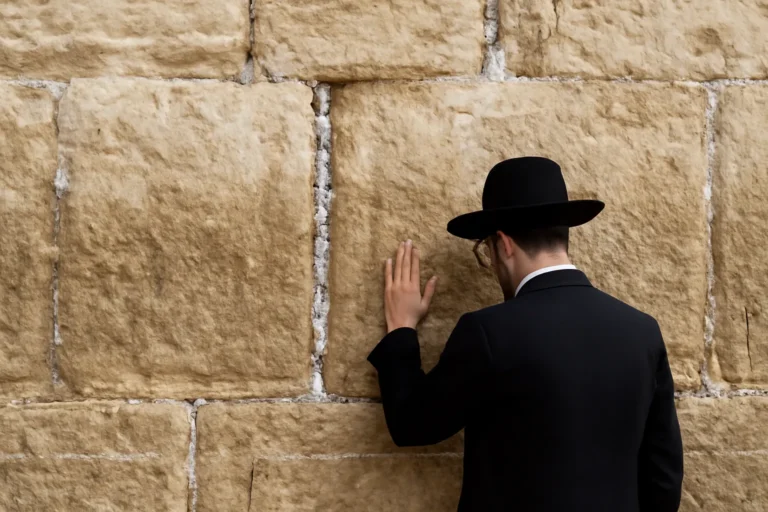
The act of praying at the Western Wall is often a private dialogue between the individual and the divine. People stand with a posture of reverence, eyes closed or open, and speak or listen in personal silence. You may face the Wall directly, or you may recite psalms, biblical verses, or your own prayers in your preferred language. The key is sincerity: your prayer at the Wall should feel authentic to you, whether you are making a petition, giving thanks, or seeking solace.
Using tefillin and tallit
Traditional male visitors sometimes wear tefillin (phylacteries) during weekday morning prayers, and many wear a tallit (prayer shawl). If you are exploring these rites, do so with respect for others who may be praying nearby. In some areas, taking out tefillin or donning a tallit can draw observers, so it’s wise to proceed slowly and mindfulness of the communal space. Women or non-observant visitors may participate informally by standing close to others who are praying or by reciting their own prayers in their chosen language.
Placing a note in the wall: k’tav and personal requests
A distinctive ritual at the Western Wall is the practice of writing prayers or wishes on small pieces of paper and tucking them into the cracks of the stones. This note-in-the-wall practice is spiritual for many and offers a concrete way to articulate a petition or gratitude. If you choose to participate:
Prepare a brief personal prayer on a small paper or paper strip; you can write in your native language or a language you find meaningful.
Fold it discreetly and place it into a crack or crevice in the wall, taking care not to damage the stones.
Respect the space around you; avoid pressing others to make room for this act, and be mindful of timing when you insert notes.
Scripture reading and language choices
While there is no single required text for prayer at the Western Wall, many visitors read from traditional sources such as Psalms or other passages that hold significance for them. You are welcome to recite prayers in your own language or read sacred texts in Hebrew, English, or any language you use in daily life. Some people bring a small siddur (prayer book) or a personal journal to accompany their moment of prayer; others rely on silent meditation and reflection.
Etiquette: how to behave respectfully in this sacred space
The Western Wall is a place of intense devotion for countless people around the world. Observing certain etiquette helps keep the atmosphere serene and inclusive. Here are practical guidelines to follow:
Speak softly or remain quiet in the immediate prayer zones. The Wall is filled with intimate conversations, so soft voices help preserve the ambiance for others.
Respect boundaries and follow signage about which sections are designated for men and women. Do not cross into another section or sit on restricted stones unless invited or explicitly allowed.
Photography and filming should be done considerately. While photographing the Wall and the plaza is common, avoid focusing on individuals in prayer, and respect any posted restrictions in certain areas or during times of mourning or special services.
Touch and reverence is expected. When you approach the Wall, place your hands gently on the stones and avoid rough handling of the ancient masonry. Do not lean on, climb, or attempt to move stones.
Dress modestly and remove hats or head coverings only if local guidelines permit; otherwise, keep your head covered as a sign of respect when in places of prayer. If you’re with children, explain the importance of the space and model respectful behavior.
Ask politely if you need assistance from security staff or volunteers. They can provide guidance on where to stand, how to enter the specific areas, or how to participate in a ritual while preserving the sanctity of the site.
Be mindful of the separation between sections. The main plaza contains separate prayer areas for men and women; if you enter a space clearly reserved for the other gender, move to the appropriate area with courtesy.
If you are visiting as a non-Jewish guest or with a group, you may wish to document your experience. It is prudent to ask about sensitivities, especially near those who are praying or mourning. The Western Wall is not a tourist-only zone; it is a living religious site where many people come for daily devotion. Recognize that you are both a guest and a witness to a moment that may be deeply meaningful to someone else.
Gendered spaces and evolving practices
The Western Wall Plaza includes distinct areas for men and women, historically reflecting traditional religious practice. In recent years, there have been conversations and arrangements addressing gender inclusion, accessibility, and evolving norms within the visiting community. Visitors should be aware that:
The main walls of the Ezrat Nashim (“women’s section”) and Ezrat Kahal (the men’s section) are separate and maintained to accommodate different prayer customs. Even if you are visiting with family or friends, you will typically separate yourselves according to the designated spaces for prayer.
Some people honor traditional customs by placing tefillin on the men’s side, while others may observe from the adjacent areas without participating in those rites. Always move with quiet manners and respect for those who are engaged in prayer.
If you have questions about accessibility or accommodations for varying needs, staff at the entrances can provide guidance and point you to appropriate locations within the precincts that respect privacy while allowing you to engage in prayer or reflection.
Practical tips for visitors: enhancing your experience at the Wall
Beyond the rituals and etiquette, practical considerations can help you navigate the space with ease and dignity. Here is a consolidated set of tips that many visitors have found useful:
Arrive early or later in the day to avoid the densest crowds and lines. Early mornings often provide a calmer atmosphere for quiet prayer or reflection.
Bring a small notebook or prayer card if you prefer to articulate your thoughts in writing. You can place a note in the wall only if you wish to, and in a respectful, unobtrusive way.
Consider a guided visit or join a self-guided audio tour to learn about the history and significance of the site. A guide can offer contextual explanations that enrich your experience while you remain free to focus on your own prayer or contemplation.
Plan for security procedures and carry only what you need. Bags may be screened, and large items may be restricted, so travel light when you plan to visit.
Be mindful of religious sensitivities. If you are part of another faith tradition or are not religious, you can still experience the Wall respectfully by observing, listening, and letting others pray without disruption.
Hydration and weather readiness is practical. The Old City can be hot in summer and windy in some seasons; bring water and wear sun protection or warm layers as needed.
Photographic etiquette again emphasized: avoid intrusive shots of people praying, honor those who are silent, and follow any posted signs about photography at particular vantage points or during ceremonies.
Experiences beyond praying: related spaces and tours
The Western Wall precincts include spaces that complement the act of prayer with historical interpretation, archeology, and immersive experiences. If you have the time and interest, you may explore:
The Western Wall Tunnels, an underground corridor that runs along the length of the Wall and offers a glimpse into ancient construction and life in the city’s strata. Visiting these tunnels provides a different sense of connection to history, often complemented by a licensed guide who can explain the archaeology and architecture you see.
Ezrat HaKodesh and the surrounding courtyards, where smaller groups often sit for reflection or study, and where you can observe daily rhythm alongside the larger crowd in the plaza.
Nearby holy sites within the Old City, including the Jewish Quarter’s streets, the Cardo, and other synagogues and museums that illuminate Jewish history and culture in Jerusalem.
Common questions travelers ask about praying at the Western Wall
Here are concise answers to questions frequently raised by visitors who want to understand how to approach the Wall with clarity and respect:
Can non-Jews pray at the Western Wall? Yes. Non-Jews may participate in personal prayer, observe the rituals, and reflect in the space. They should, however, respect the gender-segregated areas and avoid performing acts that imitate specific religious ceremonies in a way that could be misinterpreted as leadership or authority.
Is there a specific time for prayer at the Wall? Prayers can take place at nearly any time the plaza is open. The most meaningful moments often occur early in the morning, around sunrise, or in the quiet hours of the day. During major holidays, crowds increase, and the atmosphere becomes more ceremonial and intense.
What should I do with my notes after placing them in the wall? The notes are meant to be private or semi-private prayers. Some people retrieve their notes later, while others leave them as tokens of the moment. It is common to treat the wall with respect regardless of whether your note remains visible after some time.
Are there guided experiences for visitors? Yes. Many tour operators and organizations offer guided visits that include the Wall. A guide can provide historical context, etiquette reminders, and a smoother entry into the plaza, while you still retain your personal space for prayer.
Leaving the Western Wall should feel like stepping away with a moment of renewed perspective, regardless of religious belief. Many visitors take time to walk the surrounding lanes of the Old City, reflect on what they have heard or felt, or pair their experience with a visit to nearby historical sites. Some people choose to journal about their moment of prayer, others return to the plaza later in the day for a different perspective or a final moment of quiet.
Further considerations for respectful engagement
As a visitor, you contribute to a living site that holds significance for countless people. Your behavior matters not only to current practitioners but also to future visitors who seek a calm and dignified atmosphere. The Western Wall invites you to:
Honor the historic stones and avoid touching areas that are roped off or marked as off-limits.
Observe the ritual rhythms of others without interrupting their private prayers.
Approach with a spirit of curiosity and humility, seeking understanding rather than spectacle.
In summary: a practical guide to praying at the Western Wall
The act of praying at the Western Wall is both a personal practice and a shared cultural moment. By observing the rituals described above, you honor the space and its many meanings. Whether you are there to recite verses, place a note in a crack, or simply sit with the stones in quiet reflection, you participate in a tradition that has resonated through generations. The Kotel is more than a tourist destination; it is a living archive of faith, memory, and hope. Approach it with preparation, patience, and respect, and your visit can become a meaningful chapter in your own story, as well as a thoughtful contribution to the ongoing dialogue of people from diverse backgrounds who come to connect with this remarkable place.