Understanding the Difference Between Temptation and Sin: A Moral and Practical Guide
The question at the heart of this discussion is the difference between temptation and sin. People often use the two terms interchangeably in everyday speech, but from ethical, psychological, and theological perspectives they denote distinct realities. Temptation refers to the internal stirrings, impulses, or stimuli that invite a person toward a particular choice. Sin refers to a voluntary, culpable act or omission that contravenes moral or divine standards. This article outlines how the two relate, where they diverge, and how individuals can navigate the space between influence and choice with greater clarity and integrity.
The basic concepts: Temptation, then Sin
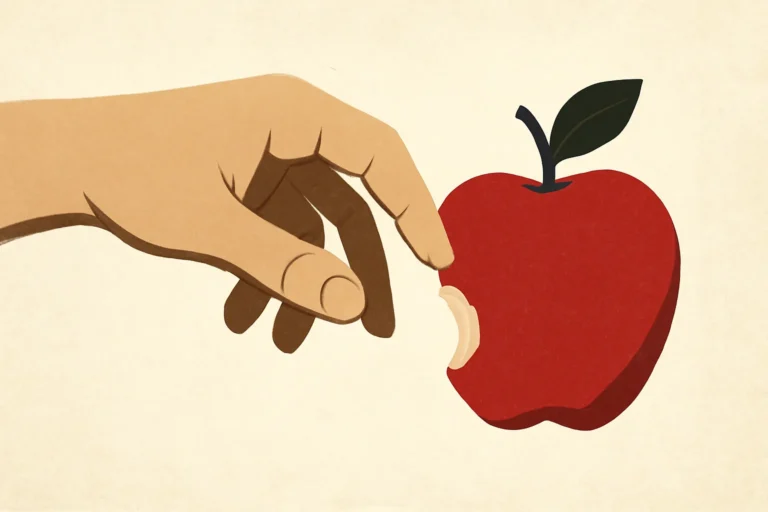
To properly begin, it helps to anchor the definitions. A clear understanding of temptation emphasizes the inner landscape: thoughts, cravings, and emotional pull that arise in response to stimuli, circumstances, or memories. A robust view sees temptation as a normal part of human life—an experience that does not automatically define character. In contrast, sin denotes a breach of moral law or religious law, often tied to intention, consent, and action. The difference between temptation and sin is thus a matter of what one does with the anticipation or pressure that temptation generates.
Two related distinctions help illuminate the topic:
Temptation as internal experience: It resides in the mind and feelings. It can include urges, fantasies, or rationalizations that occur before any outward deed.
Sin as outward consequence or willful act: It involves an actual choice to act, or to fail to act when one has a moral obligation to do so. Sin also can include neglect—an omission that carries moral weight.
Readers will encounter many formulations that express the same idea in different ways. Here are common ways to phrase the distinction, illustrating the difference between temptation and sin in various voices:
Difference between temptation and wrongdoing
Difference between temptation and moral failure
Distinction between temptation and immoral action
Temptation versus transgression: where is the line?
The gap between being tempted and committing a sin
From temptation to culpable conduct: understanding the path
Each phrasing highlights a facet of the same core distinction: temptation is a felt pull; sin is a chosen response that violates a standard. The semantic breadth of these phrases helps readers recognize that moral life involves ongoing discernment, not a single moment of verdict.
Central to grasping the moral distinction is the concept of free will or moral agency. Temptation tests a person’s resolve; it asks, in effect, “What will you do with this impulse?” Sin, by contrast, is the moment when a person makes a deliberate choice that contravenes a binding norm. In many religious and philosophical frameworks, human beings possess a capacity to reflect, to reframe desires, and to choose a different path even when pressures are strong.
Consider these important nuances:
Awareness of temptation is the first step toward choice. Ignorance does not relieve responsibility, but knowledge of one’s triggers can reduce harm.
Agency is exercised anew with each decision. The same temptation can be resisted in one moment and yielded to in another, depending on context, habit, and conscience.
Conscience serves as an inner guide that helps distinguish between normal desires and disordered cravings. A well-formed conscience does not condemn every urge; it evaluates whether acting on it aligns with moral duties.
Consequences matter. Sin typically carries not only personal guilt but also social or spiritual consequences, whereas temptation, in itself, leaves consequences to the choices that follow.
In ordinary life, temptations appear in many forms. Recognizing the difference between temptation and sin helps people respond proactively rather than react impulsively. Here are illustrative domains where the distinction plays out:
Aspiring to discipline—temptation to snack, procrastinate, or indulge a craving can be managed by planning and self-control, rather than accepting the urge as a proof of character.
Professional ethics—temptations to compromise integrity for gain, prestige, or convenience test one’s commitment to honesty and accountability. The choice to refuse aligns with moral standards even when pressure is intense.
Relationships—temptations to spite, manipulate, or betray trust require vigilance; acting on them constitutes a breach of ethical duties and harms others.
Power and authority—temptations to coerce or dominate test the distinction between leadership and tyranny. Answering with restraint preserves dignity and legitimacy.
Sexual ethics—temptations to objectify, exploit, or engage in immoral acts demand a careful distinction between thoughts and actions, and a commitment to consent, respect, and safety.
While temptation concerns the interior life, sin concerns the exterior outcome and the moral weight of intent. A concise way to describe the difference between temptation and sin within action is to focus on three elements: intent, knowledge, and consent.
Intent: If a person harbors genuine malicious intent to hurt someone, or to transgress a clearly defined moral rule, the likelihood that their action will be judged as sin is higher even if the act is thwarted.
Knowledge: Awareness that a choice is wrong affects culpability. If one does not know the rule or guideline, responsibility may be assessed differently, though ignorance is rarely a full excuse in mature moral systems.
Consent: Acting with approval or deliberate tolerance of a wrongful outcome increases culpability. Even if a voluntary act arises from strong temptation, choosing to endorse the act can constitute sin.
In discussions of the difference between temptation and sin, it is common to distinguish between temptation as a prompt and sin as a fault of will. The same impulse, reframed in moral language, can lead to a virtuous response (self-control, reform, repentance) or to a harmful action (harm to self or others). This distinction underlies many ethical frameworks, from religious to secular, because it emphasizes the power and responsibility of choice in shaping character.
A nuanced reading of temptation and sin places a premium on intention and accountability. In everyday discourse, people may experience guilt for being tempted, but healthy moral psychology teaches that temptation, in itself, is not a fault. What matters is how one responds to that temptation. When intention aligns with a commitment to the good, resisting temptation strengthens moral character; when intention aligns with harming others, the resulting act constitutes sin.
Consider these guiding questions for personal discernment:
Is there conscious awareness of what is right or wrong in the situation?
Is there freedom of choice to act otherwise, despite the temptation?
Are there consequences that affect others, or are there safeguards (like accountability, mentors, or community support) that help maintain integrity?
What would be the effect on one’s own conscience and on relationships if the tempting urge were acted upon?
Different traditions offer varied language for the same distinction. Although religious vocabularies differ, most share a common insight: temptation is an invitation that does not determine moral status by itself; sin is the meaningful breach that takes responsibility for one’s choices. Here are some representative threads:
In many Christian frameworks, temptation is seen as a test of obedience and faith. Jesus’ experience in the desert is often cited as an example of facing temptation without sin. The key difference highlighted is consent: one may be tempted (an interior struggle) but not consent to sin (a chosen violation). The process of repentance, forgiveness, and restoration demonstrates that temptation and sin are not identical states and that moral growth involves turning away from harm even when the temptation persists.
In Islam, the concepts of temptation (often described as whispers or trials) and sin (disobedience to God) are linked through restraint and accountability. Muslims believe that humans have a built-in capacity to resist temptation, and misstep occurs when one yields to disallowed desires without seeking forgiveness or reconciliation. In Judaism and Christian ethics, the distinction between inner urges and outward acts has long been a focus of rabbinic and pastoral teachings about integrity, repair, and community judgment.
From a secular perspective, the discussion often centers on volition, habits, and moral reasoning. Temptations are treated as cognitive biases or appetitive pulls that can be mitigated by planning, habit formation, and social supports. The difference between temptation and sin in these terms becomes a matter of how choices align with values, rules, or social norms, and how far a person allows impulses to steer actions.
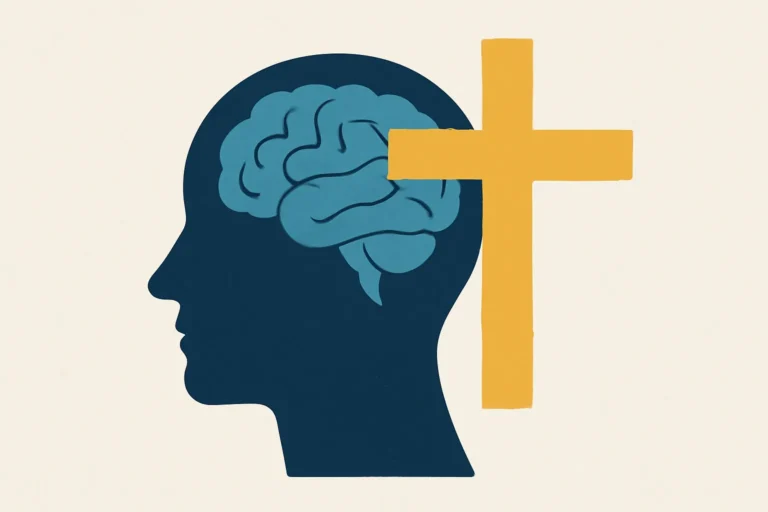
Modern psychology offers a complementary lens on the difference between temptation and sin. Temptation involves brain systems that motivate approach toward rewards, often involving the limbic system and dopaminergic pathways. Self-control engages executive functions in the prefrontal cortex. The moral struggle between immediate gratification and long-term values is a well-established driver of behavior. Here are some practical insights drawn from psychology:
Trigger awareness: People are more likely to resist temptation when they can name the trigger—an emotion, location, time of day, or social cue.
Delay and distract: A brief pause between temptation and action (even a few seconds) can dramatically reduce impulsive responses.
Reframe and revalue: Reassessing the perceived reward of the tempting option can weaken its pull.
Social accountability: Shared goals and accountable relationships increase the odds of choosing virtue over vice.
Habit formation: Replacing a tempting pattern with a healthier routine reduces the frequency of the trigger over time.
These findings reinforce the notion that temptation is not a moral verdict; it is a cognitive and affective state. The sin component arises when one endorses and acts on such urges in defiance of moral or legal norms. Integrating psychological strategies with moral understanding can empower people to navigate temptations without losing sight of their values.
For many readers, a central question is how to respond when confronted with tempting situations. The following guidance aims to help distinguish temptation from sin in real-life decisions, with concrete steps and safeguards:
Pause and assess: Before acting, take a moment to identify the urge, its source, and its potential consequences. Ask, “What is the true reward I seek here, and is it worth the risk?”
Consult conscience: Listen to your inner sense of right and wrong. If your conscience flags a behavior as wrong, treat that as a warning rather than a challenge to press forward.
Delay and distract: If possible, put space between thought and action. A brief delay often clarifies what is truly important.
Plan for triggers: Develop concrete strategies to avoid or modify environments that intensify temptation (e.g., removing certain apps, arranging accountability partnerships, or changing routines).
Seek support: Share struggles with trusted peers, mentors, or counselors. Accountability reduces the chance of acting on a damaging impulse.
Reframe the reward: Redirect attention to healthier, values-consistent rewards that satisfy the underlying need without causing harm.
Make amends when needed: If an action has already caused harm, engage in repair, repentance, or restitution where appropriate. This strengthens moral agency and integrity.
These practices do not erase temptation, but they empower individuals to respond in ways that honor their values. When repeatedly applied, they help narrow the gap between internal pull and external action, contributing to a robust sense of moral agency.
Several misunderstandings can obscure the difference between temptation and sin and hinder healthy moral reasoning. Here are some widely encountered myths, along with clarifications:
Myth: If you are tempted, you are already sinning. Clarification: Temptation is not sin in itself; it becomes sin only when one consents to or acts on the temptation contrary to moral law.
Myth: Having no temptation at all means you are morally flawless. Clarification: Temptations are a normal part of human experience. Courage and discernment are demonstrated by how one responds, not by the absence of temptation.
Myth: Temptation proves you lack faith or willpower. Clarification: Temptation tests faith and will but does not determine personal worth. Growth often comes from resisting temptation under pressure.
Myth: Sin is always dramatic or violent behavior. Clarification: Many sins involve subtle neglect, small lies, or violations that accumulate over time and erode moral trust.
Specific scenarios can help illuminate how the difference between temptation and sin operates in practice. The following short case studies offer diverse contexts:
A software engineer is offered a lucrative contract by a competitor who promises inside information and favorable references. The temptation is strong because the reward is immediate and tangible. The temptation lies in the lure of personal gain. The engineer must decide whether to accept the terms, disclose the conflict of interest, or refuse and risk losing the opportunity. Choosing to expose the pressure, decline the offer, and report it aligns with ethical standards and avoids sin.
In a friendship, someone discovers a hidden insecurity in another person and feels a surge of anger. The temptation is to lash out, spread rumors, or retaliate. The difference between temptation and sin here is whether the person acts on the impulse to harm. A wise response may involve cooling off, communicating boundaries, apologizing for any unkind thoughts, and seeking resolution. Acting to protect the relationship rather than to destroy it is a sign of moral maturity.
Someone with a history of impulsive behavior feels an urge to engage in risky behavior in a high-stress moment. The temptation tests their self-regulation. The moral question is not whether they felt the urge, but whether they will engage in actions that could cause serious harm. Building a plan—reducing exposure to risk, reaching out for support, and practicing mindfulness—helps maintain ethical boundaries and avoids sin.
Understanding the difference between temptation and sin is not merely an intellectual exercise. It shapes how people cultivate character, discipline, and resilience. By recognizing temptation as an interior experience and sin as a chosen action that violates moral norms, individuals can:
Develop a healthier relationship with their desires, reducing guilt when tempted and responsibility when choosing wrongly.
Strengthen accountability mechanisms through communities, mentors, or spiritual practices that reinforce ethical living.
Adopt practical tools for resisting temptation—delaying, reframing, planning, and seeking support—without denying the reality or validity of human craving.
Promote a compassionate, truthful approach to others who struggle with temptation, avoiding shaming while encouraging accountability.
Integrate insights from psychology, philosophy, and theology to form a coherent moral stance that respects human complexity.
To summarize the central message: temptation is the internal invitation to desire something that may or may not be harmful. It is a natural part of life and does not, by itself, constitute a moral failure. Sin arises when a person makes a deliberate, informed, and volitional choice to act in a way that violates a moral or divine standard. The line between the two is not a simple barrier but a dynamic space in which moral agency operates. By recognizing triggers, strengthening conscience, and cultivating healthy habits, individuals can navigate the tension between feeling pulled toward something and choosing a path that honors their values and commitments.