Adult Baptism Classes: What to Expect, Requirements, and FAQ
Adult baptism classes are designed to guide individuals through the decision to be baptized and to prepare for the public declaration of faith. In many churches, these programs are called baptism preparation courses, baptism instruction programs, or baptismal preparation sessions. The core purpose is to help you understand what baptism means within the church’s beliefs, how the ceremony will be conducted, and what is expected of you as a candidate. Whether you are exploring baptism for the first time or seeking to deepen your understanding of believer’s baptism, these courses provide a structured path that respects your pace, questions, and spiritual journey.
Entering into adult baptism instruction or believer’s baptism classes is often the first formal step in an intentional process of faith formation. The experience is typically encouraging, reflective, and practical, combining teaching, discussion, personal testimony, and prayer. While the exact format can vary from one congregation to another, most programs share several common elements designed to help you make an informed, heartfelt decision.
Course Structure
Most baptism preparation programs are scheduled as a series of sessions over several weeks. You can expect a blend of these components:
Guided teaching on the meaning of baptism, the symbolism of water, and the role of the church in the life of a believer.
Scripture-centered discussions that anchor the course in biblical teaching about faith, repentance, confession, and discipleship.
Personal testimonies from pastors, mentors, or other participants that illustrate how faith develops and grows through baptism.
Question-and-answer sessions that welcome doubts, curiosity, and real-life concerns.
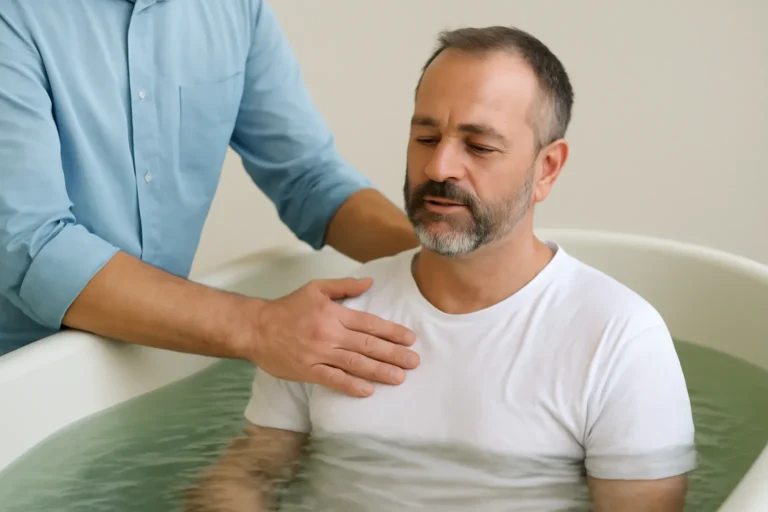
Practice or rehearsal for the baptism service, including how to present your testimony, what to wear, and what to expect during immersion or other modes of baptism used by the church.
Session Topics
While topics vary, typical sessions address the following themes:
The biblical basis for baptism in Christian tradition and how it relates to salvation and faith assurance.
Understanding the significance of the act—not merely a ritual, but a public declaration of faith and a commitment to follow Christ.
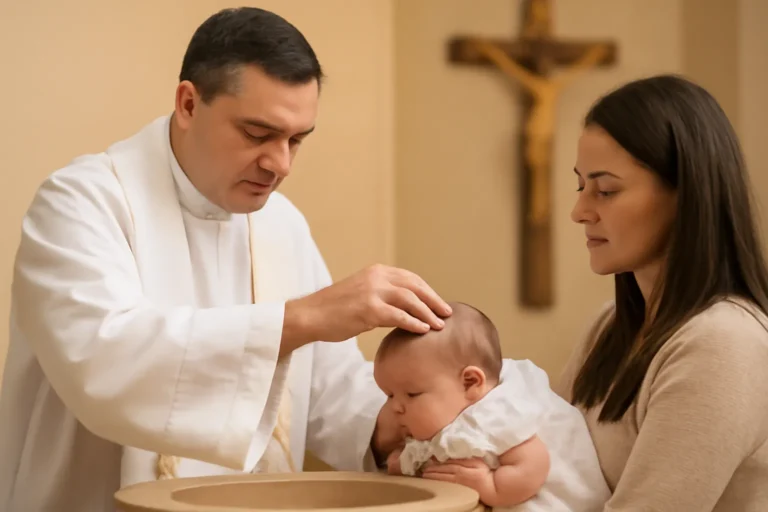
The difference between infant baptism and adult baptism (where applicable) and why some traditions reserve baptism for those who can consciously profess faith.
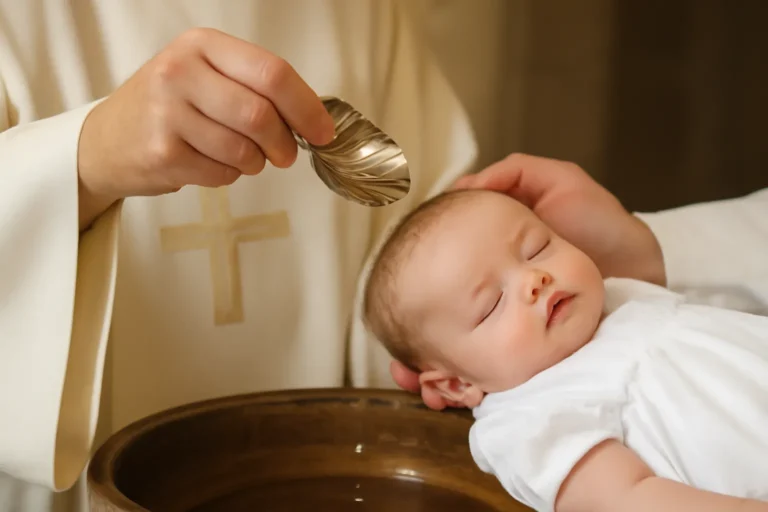
The mode and method of baptism used by the church (for example, immersion, affusion, or pouring) and the theological reasoning behind it.
The responsibilities of a baptized believer, including participation in a local church community, prayer, Bible study, and spiritual growth.
The accountability and support network that often accompanies baptism, such as mentors, small groups, and ongoing discipleship.
Duration and Format
Expect the program to span anywhere from four to eight weeks, though some churches offer condensed weekend intensives or longer curricula that extend to several months. The format typically includes a mix of:
In-person teaching sessions led by a pastor, deacon, or trained lay leaders.
Small-group discussions to encourage personal sharing and mutual encouragement.
Individual assignments such as short reflections, reading, or writing a short testimony.
Final preparation for the baptism service, including timing, venue, and what to expect during the ceremony itself.
Participation, Environment, and Etiquette
The tone of adult baptism classes is typically welcoming, respectful, and pastoral. Here are practical notes to help you prepare:
Open dialogue is encouraged, and leaders will invite questions at any point in the process.
There is no pressure or coercion; you participate because you are considering a personal commitment to Christ.
In many churches, confidentiality and pastoral care are emphasized; you can share honestly without fear of judgment.
Comfort and accessibility vary; some courses offer childcare, accessible scheduling, or online options for remote learners.
Entering into baptism preparation involves meeting certain criteria that demonstrate readiness, understanding, and alignment with the church’s core beliefs. The exact requirements can differ by denomination and local church, but there are common threads that most programs share. Being clear about expectations helps you determine whether you are ready to take this important step, and it helps the church provide you with the right kind of support.
Spiritual and Doctrinal Foundations
Faith in Jesus Christ as Lord and Savior, evidenced by a personal confession and a growing pattern of trust in God’s grace.
Evidence of repentance and desire to live a life of obedience to Jesus, not merely a one-time decision but ongoing discipleship.
A clear understanding of what baptism means in the local church—an outward profession of inward faith and an initiation into the body of believers.
Agreement with the church’s core beliefs and a willingness to submit to its leadership and pastoral guidance in matters of faith and practice.
Membership and Affiliation
Many churches require active membership or affiliation with a local congregation as a context for baptism and ongoing discipleship.
Some programs are open to guests, visitors, or new members, but you may be invited to pursue formal membership as a follow-up to baptism.
Personal Readiness and Commitment
A heart posture of humility, teachability, and receptivity to pastoral guidance.
Readiness to participate in a discipleship pathway after baptism, including regular worship, Bible study, and service opportunities.
Willingness to share your testimony as part of the baptism service, if requested by the church leadership.
Documentation and Administrative Steps
Submission of a statement of faith or a short testimony describing how you came to believe in Christ.
A registration form for the baptism class and the service date.
In some contexts, a letter of recommendation from a pastor or church leader may be requested.
Practical and Preparatory Steps
Completion of any preparatory readings or devotionals assigned by the teaching team.
Participation in pre-baptism interviews or conversations with a pastor to clarify beliefs and questions.
Attending the baptism service rehearsal and learning the logistics of the ceremony.
Practical Pathways: How to Enroll and What to Do Next
If you are considering baptism classes or any form of baptismal instruction, here are practical steps to guide you through the process:
Contact the church you’re interested in to ask about available baptism preparation programs, schedule, and eligibility.
Ask about online or hybrid options if you are not in close proximity to the church building.
Review the church’s statements of faith to ensure alignment with your beliefs and convictions.
Prepare a short testimony or personal narrative that you can share in class or at the baptism service, if requested.
Frequently Asked Questions about Adult Baptism Classes and Practices
Below are common questions people ask when they are exploring adult baptism training or baptism preparation. The answers provided here reflect typical church practice but may vary by denomination and local tradition.
What is believer’s baptism, and how does it differ from infant baptism?
Believer’s baptism is a practice in which a person is baptized after making a personal profession of faith in Jesus Christ. It emphasizes a conscious, voluntary decision to follow Christ. In contrast, infant baptism baptizes an infant with the expectation that the child will later profess faith; this practice is common in many traditions that emphasize covenantal grace and the church’s role in nurturing faith across generations. Adult baptism courses focus on the former approach, ensuring you understand what you are publicly declaring.
Do I have to be a member of the church to participate in baptism classes?
Most programs prefer or require some form of membership or active affiliation to ensure ongoing accountability and pastoral oversight. However, many churches welcome visitors or new attendees into the baptism preparation journey and can guide you toward membership as a subsequent step.
How long does the baptism preparation process usually take?
Typically, baptism classes run from four to eight weeks, though some churches offer shorter intensives or longer, more in-depth tracks. The length often reflects the depth of doctrinal teaching, time for personal testimony, and the practical arrangements for the baptism service.
Is baptism required for salvation?
There is a range of theological perspectives on this question. In most traditions, baptism is not considered the means of salvation itself, but rather a public declaration of faith and a step of obedience within the salvation experience. Some denominations hold that baptism is essential for church membership or the completion of the initiation into the body of Christ, while others emphasize faith alone for salvation and view baptism as a subsequent ordinance.
What might I be asked to share in my testimony?
Your testimony typically includes how you came to faith in Christ, what you understand about Jesus, how you have experienced God’s grace, and why you want to be baptized now. You will be guided by the teaching team, and you can choose to share as much or as little as you are comfortable with.
Are there online or hybrid options for baptism preparation?
Yes in many churches. Online or hybrid formats can include video teaching, digital discussion forums, and virtual meetups. If distance is a barrier, ask whether you can participate remotely and still be included in the baptism service.
What happens during the baptism service itself?
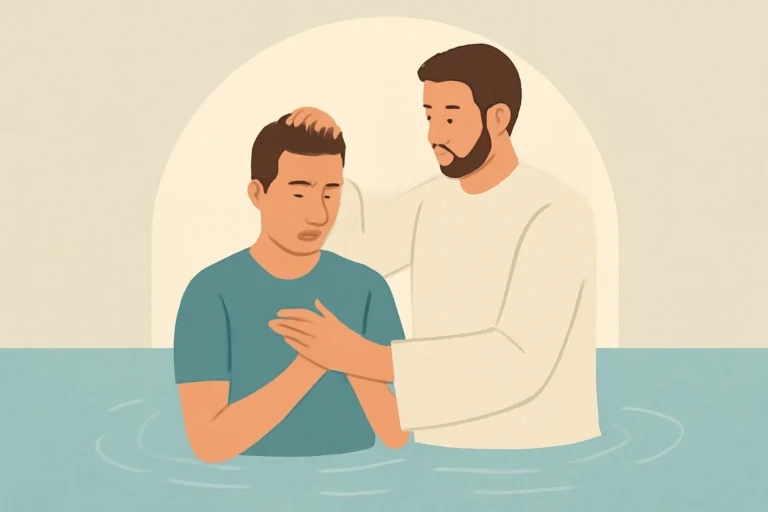
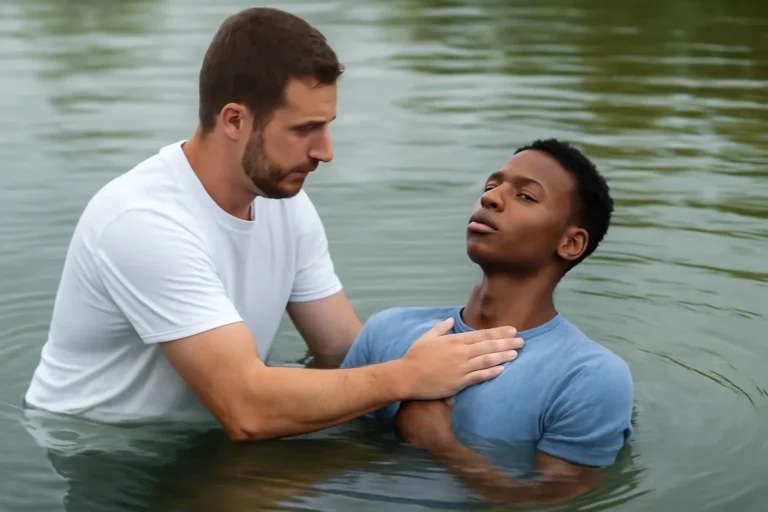
During the service, you will typically share a brief testimony, be asked to affirm your faith, and undergo the baptism act, often by immersion. Afterward, there is usually a public welcome into the community, with prayers and a blessing from church leadership. You will receive guidance about post-baptism discipleship and next steps in your faith journey.
What if I’m not ready to be baptized yet after completing the class?
That is absolutely okay. The baptism class is to help you understand the significance and decide when you feel ready to make the public commitment. In many churches, you can “pause” and continue to grow in faith and discipleship, returning later when you feel prepared to take the step.
Can I be baptized if I have been baptized before in another tradition?
Some traditions recognize previous baptisms, while others request re-baptism in the new church context as a reaffirmation of faith. A pastoral conversation can clarify whether your prior baptism meets the church’s doctrinal standards and whether re-baptism is appropriate.
What should I bring to baptism class days?
Bring a notebook or device for taking notes, a Bible if you use one for study, water bottle, and a willingness to participate. If there is a test or reflective assignment, complete it as directed by the teaching team. For the baptism service itself, you may receive guidance on appropriate attire.
Additional Considerations: Cultural and Denominational Variations
Different church traditions approach adult baptism with unique emphases. Some key variations you might encounter include:
Mode of baptism—immersion in water is most common in many evangelical communities, while other traditions may practice pouring or sprinkling.
Affirmation of faith—some programs require a formal profession of faith before baptism, while others encourage a personal testimony only during the service.
Discipleship pathway—many churches pair baptism with a continuing path of spiritual growth, such as small groups, service opportunities, and ongoing Bible study.
Pastoral mentorship—some programs assign a mentor or sponsor to accompany you through the journey, offering guidance and accountability.
In all cases, the overarching goal of adult baptism classes or baptismal instruction is to equip you with a clear understanding of the faith you profess and to support you as you step into a community that will nurture your spiritual growth. The training is designed to be both informative and transformative, helping you move from curiosity to conviction and from conviction to action in the context of a local church.
Putting It All Together: A Practical View of the Entire Process
To help you navigate the journey from initial interest to baptism day, here is a practical outline that many churches follow. Keep in mind that exact steps can vary, so always check with your local congregation for specifics.
Inquiry — You express interest in baptism and ask questions about the church’s beliefs, schedule, and requirements.
Information Session — A briefing on the baptism process, the theology of baptism, and the church’s expectations.
Registration — You enroll in the baptism class or track, sometimes submitting a short statement of faith or personal testimony.
Instruction — Attendance in the series of teaching sessions, discussion groups, and possibly a reading or reflection assignment.
Interview or Confirmation — A brief conversation with a pastor or mentor to confirm understanding and readiness, address questions, and discuss next steps.
Testimony Preparation — If requested, you prepare and present your personal testimony as part of the service.
Final Preparation — Rehearsal and logistical planning for the baptism day, including attire, location, and order of service.
Baptism Service — The public declaration of faith through baptism, followed by welcome and commissioning by the church community.
Post-Baptism Discipleship — Ongoing participation in worship services, Bible study, prayer, and service opportunities as a baptized believer.
Whether you call it baptismal preparation, baptism instruction, or adult baptism classes, the essence remains the same: a guided, thoughtful, and communal step toward a lifelong journey of faith. The purpose is not merely to perform a rite, but to cultivate a robust understanding of what it means to follow Christ in a local church context and to prepare you for the responsibilities and joys of living out your faith in daily life.
If you would like to learn more about specific programs, it is best to contact the church directly or visit their website. You can ask about upcoming baptism preparation sessions, available dates for baptisms, the exact requirements for participation, and whether any accommodations are available for your circumstances, such as translation services, accessibility needs, or remote participation options. The journey toward baptism is a meaningful personal decision, and most churches are eager to support you with care, clarity, and encouragement every step of the way.