How to Get Baptized as a Christian: A Step-by-Step Guide for New Believers
Baptism is a foundational step for many Christians as they begin or continue their walk of faith. For new believers, learning how to get baptized as a Christian can feel like a big, life-changing moment. This guide lays out a clear, step-by-step path, explains the spiritual meaning behind it, and offers practical steps to prepare, choose a church, and participate in the baptism in a way that honors God and strengthens your faith.
Baptism is a public declaration of allegiance to Jesus Christ and a symbolic act that communicates profound spiritual truths. Across many Christian traditions, baptism represents identification with the life, death, and resurrection of Jesus. It is often viewed as a response to faith, not a prerequisite for salvation, though in many churches it is a prerequisite for church membership or a public ministry role. In this section, you will find the core meanings, how different traditions view the practice, and why people choose to be baptized as a way of growing in faith.
Identification with Christ: Baptism is a visible sign that the believer identifies with Jesus’ death, burial, and resurrection. It symbolizes dying to the old life and rising to a new life in Christ.
Declaration of faith: It serves as a public confession of personal trust in Jesus as Lord and Savior.
Incorporation into the church: Baptism often marks entry into a local church community, where believers are nurtured and held accountable in their spiritual growth.
Cleansing and renewal: Many understand baptism as a symbol of spiritual cleansing and the gift of new life through the Holy Spirit.
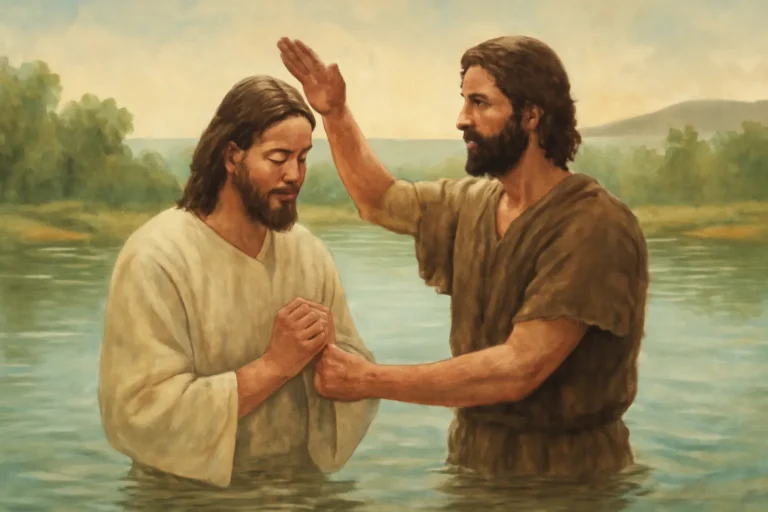
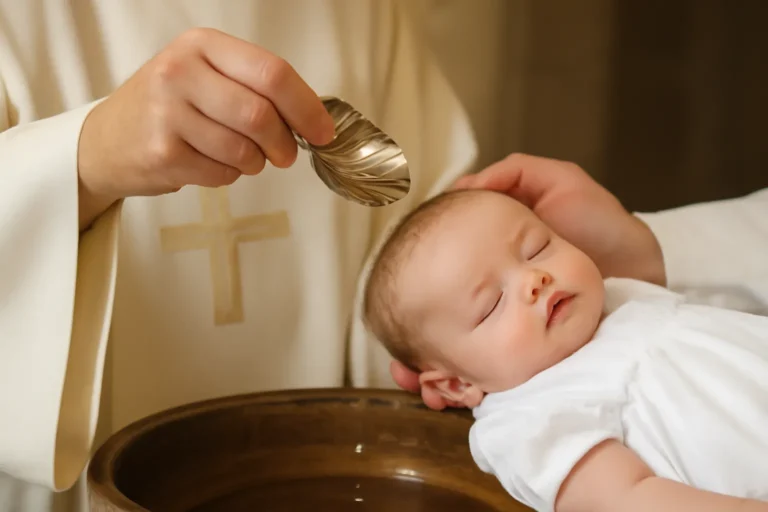
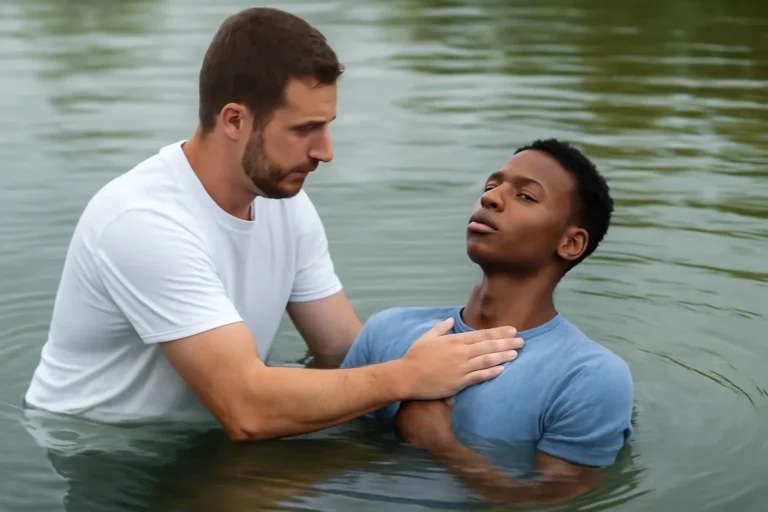
Different denominations emphasize different aspects of baptism. Some churches practice believer’s baptism by immersion—fully under water—while others perform sprinkling or pouring as a symbol of cleansing. Regardless of method, the underlying goal remains the same: to mark a turning point in your relationship with God and to invite you into a continuing journey of faith and obedience.
If you’re wondering how to get baptized as a Christian, the next sections will help you understand the spiritual prerequisites, practical steps, and the expectations you might encounter in most Christian communities. You’ll also find guidance on choosing the right church and preparing your heart for this important rite.
Preparing Your Heart: The Spiritual Foundation
Before you approach baptism, it is helpful to focus on the inner preparation that makes the ritual meaningful. The spiritual groundwork typically involves coming to faith in Jesus, turning away from sin (repentance), and expressing repentance through a personal confession of faith. This inner preparation creates a solid foundation for the outward sign of baptism.
Believe in Jesus as your Lord and Savior. In many traditions, baptism is connected to a personal decision to trust Jesus Christ. If you have not yet made that decision, prayerfully consider placing your faith in Him and asking Him to lead your life.
Repent and turn from the old patterns that may have defined your life apart from Christ. Repentance is more than regret; it is a deliberate turning toward God and away from ongoing sin.
Confess your faith openly, whether in prayer, with a pastor, or within your church community. A clear confession helps you articulate what you believe and why baptism matters to you.
Study the gospel and the basics of Christian faith. Understanding the story of Jesus, His death and resurrection, and the gift of grace helps you appreciate the significance of baptism.
As you prepare, consider journaling about your journey toward baptism. Write down questions, prayer requests, and moments when you sense God’s presence. Some people also benefit from meeting one-on-one with a pastor or a mentor who can answer questions and offer spiritual guidance.
One of the most important decisions in the baptism process is selecting the community where you will be baptized and where you will continue to grow in your faith. Different denominations have different understandings of baptism, access requirements, and church life. Here are practical considerations to help you decide where to take this step.
Baptism theology: Do you prefer believer’s baptism by immersion, or is sprinkling acceptable within your tradition? Some churches practice infant baptism, while others emphasize baptism after choosing to follow Christ as a conscious, personal decision.
Denominational beliefs: Explore core beliefs about salvation, grace, the authority of Scripture, and the church’s mission. A shared framework will help you grow in unity with the congregation.
Pastoral guidance and mentorship: Look for leaders who are accessible, willing to teach, and invested in your spiritual formation.
Church life: Consider the congregation’s worship style, rhythm of community involvement, small groups, and opportunities for service and growth.
Preparation requirements: Some churches require baptism classes, a statement of faith, or a baptism interview. Understanding these requirements ahead of time helps you plan.
It may be helpful to visit several churches, attend a baptism class, or speak with a pastor about your goals and questions. If you are moving to a new community or joining a family church, coordinate with them to ensure your baptism aligns with their practices and schedule.
What to Expect Before Baptism
Before taking part in the rite, you will likely go through a process designed to ensure you understand what you are doing and why it matters. This helps protect the integrity of the baptism and honors the grace of God that makes it meaningful.
Written or verbal profession of faith: You may be asked to articulate your faith publicly, either in a baptism class or during a church service.
Baptism preparation class: Many churches offer a class that covers the biblical basis for baptism, the symbolism involved, and what to expect on the day.
Pastoral interview: A short conversation with a pastor or church leader can help determine your understanding of the gospel and readiness for baptism.
Date and format: You will schedule a baptism date and learn whether immersion or another method will be used, depending on the church’s practice.
Testimony preparation: Some traditions invite you to prepare a brief testimony describing how you came to faith and what baptism means to you.
During this phase, you may feel a mix of excitement and nervousness. Both emotions are normal. Prayer, support from mentors, and careful study of Scripture can transform these feelings into a sense of peace and readiness for the public step you are about to take.
The Baptism Process: Step-by-Step Guide
This section provides a practical, structured path describing how to get baptized as a Christian. It includes a sequence of steps that many churches follow, while recognizing that exact practices vary by tradition. The goal is to prepare you for a meaningful experience that honors God and strengthens your faith.
Step 1: Decide to follow Jesus
The journey toward baptism begins with a personal decision to place your trust in Jesus as your Lord and Savior. This step is the spiritual core of the process, because baptism is an outward sign of an inward commitment. If you are still searching, it is appropriate to spend time in prayer, reading Scripture, and talking with a pastor or trusted faith mentor about what it means to trust Jesus with your life.
Step 2: Express your faith and repentance
Next, you will articulate your faith and your repentance from sin. This typically involves a clear, public or private confession of what you believe about Jesus and a commitment to follow Him. The confession of faith is a key element because baptism is a symbol of your relationship with God, not a magic ritual that grants salvation apart from faith.
Step 3: Talk to a pastor or church leader
Reach out to the church you have selected or plan to join. A pastor or ministry leader can explain the local baptism policy, invite you to a preparation class, and answer questions about the process. This conversation also helps you understand whether the church administers baptism by immersion, pouring, or sprinkling, and what language they use to describe the event.
Most churches require some form of preparation. This might be a short class, a written questionnaire, or a guided discussion about the meaning of baptism and what will happen on the day of the ceremony. Preparation helps you align your understanding with the church’s teaching and strengthens your resolve to live out your faith.
Step 5: Choose the mode of baptism
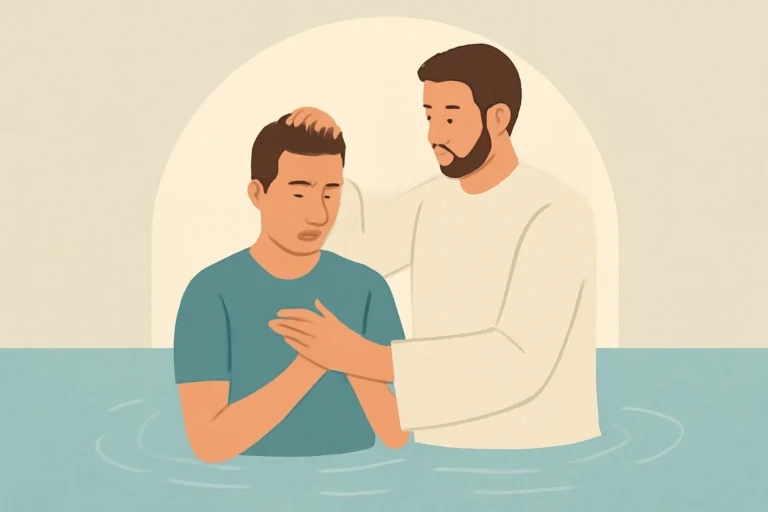
Based on your denomination, you will determine whether baptism is by immersion (being submerged in water), pouring, or sprinkling. Each mode carries its own symbolic emphasis—immersion often highlights death and resurrection, while pouring or sprinkling conveys cleansing and the pouring out of the Holy Spirit. Your church’s practice and theology will guide this choice.
Step 6: Receive instruction and signs of faith
Instruction might include learning basic tenets of faith, the church’s beliefs, and practical aspects of living as a Christian. You may also receive a certificate of baptism or a pledge card, and you may be asked to participate in a brief prayer or blessing by the pastor as part of the preparation.
Step 7: Baptism day and ceremony
On the day of baptism, you will typically be welcomed to the baptismal service, read a short testimony or a testimony read by the church, and then go through the water ceremony. The exact order can vary, but the essential elements are a public declaration of faith, the baptismal act itself, and a blessing from the church. If you are being baptized by immersion, you will be lowered into the water and raised up as a symbol of new life in Christ.
Step 8: Post-baptism blessing and integration
After baptism, you will often participate in a blessing or prayer over you, and you will be welcomed into the church’s community life. This step includes regular participation in worship, continued study of Scripture, and involvement in small groups or service opportunities to grow in faith and fellowship.
Step 9: Start your ongoing journey
Baptism is not the end of faith but a powerful beginning. Ongoing growth comes through worship, prayer, Scripture reading, community accountability, and service. Your church may offer baptism anniversaries, mentorship, and mission opportunities to help you mature as a disciple of Jesus.
Throughout these steps, remember that salvation and acceptance by God are not earned by baptism itself but are received by faith in Jesus. Baptism is the meaningful public sign that you have embraced that faith and are committed to following Him.
Your First Steps After Baptism
After you have been baptized, you enter a season of growth and accountability. Here are practical tips for making the most of this milestone and continuing to build your life in Christ.
Join a Bible study or group: Connect with others who can support you on your journey and help you understand the Scriptures in community.
Establish spiritual disciplines: Regular prayer, personal Bible reading, and consistent church attendance are foundational habits for spiritual growth.
Serve others: Look for volunteer opportunities in your church or local community as a way to live out your faith in practical ways.
Share your testimony: Be prepared to share what God has done in your life with friends, family, and fellow believers as your faith grows.
Seek mentorship: A trusted pastor, elder, or mature believer can help you navigate questions and challenges while you mature in your faith.
As you continue, you may find that your understanding of Baptism, your faith in Jesus, and your participation in the church deepen. The Holy Spirit continues to work in you, guiding, teaching, and strengthening you for a life of discipleship.
Many people have questions about baptism. Here are answers to common inquiries that can help you think clearly about this step in your faith journey.
Who should be baptized? In many traditions, baptism is for those who have consciously embraced faith in Jesus and can articulate their faith. Infant baptism is practiced in some denominations, while others reserve baptism to those who profess personal faith.
Is baptism required for salvation? Most evangelical churches teach that salvation comes by grace through faith in Jesus, not by the act of baptism itself. Baptism is a response to faith and a public profession of that faith.
What does baptism symbolize? It symbolizes identification with Christ’s death and resurrection, cleansing from sin, and entrance into the church community.
Can I be baptized more than once? In most traditions, baptism is a one-time act. If you were baptized as an infant or in a different tradition, there are theological discussions about whether a re-baptism is appropriate, depending on your beliefs and the church’s policy.
What if I’m nervous about being in front of people? It’s common to feel nervous. Many churches invite a quiet moment of reflection or a personal testimony given to the pastor and a small group before the public ceremony.
Special Scenarios: Infants, Re-baptism, and International Contexts
Baptism practices vary widely across traditions and cultures. Some situations require special consideration to ensure that the practice aligns with your faith and your church’s theology.
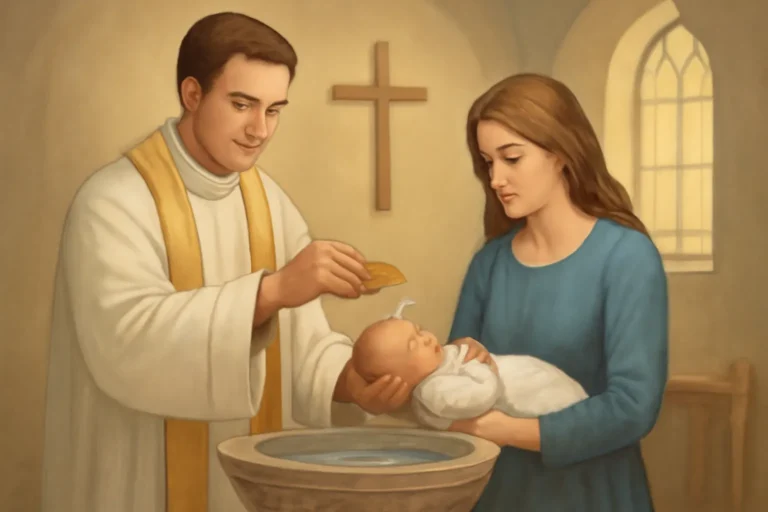
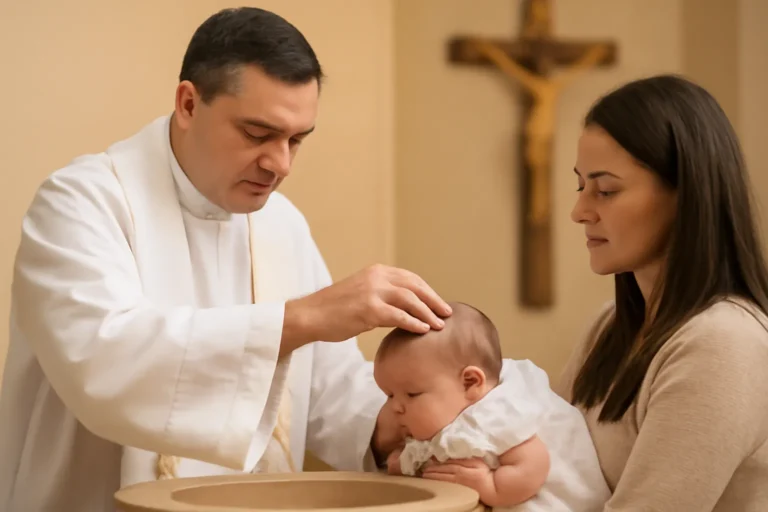
Infant baptism vs believer’s baptism: If you are exploring baptism for your child, you may be looking at infant baptism in some traditions or adult/believer’s baptism in others. Each approach reflects different understandings of faith transmission and church membership.
Re-baptism: If you have moved between churches with different baptism practices or if you felt your previous baptism did not reflect your personal faith, you might discuss the possibility of a reaffirmation or a baptism that aligns with your current understanding of the gospel.
Global and cultural considerations: In some countries, baptism logistics involve language, travel, and local customs. Plan with your church to ensure your experience is spiritually meaningful and practically comfortable.
Regardless of the scenario, the central goal remains the same: to live as a disciple of Jesus and to grow in relationship with God through the church community.
Here are quick definitions to help you understand key terms you may encounter as you explore baptism.
Baptism: A symbolic act of faith that publicly identifies a person with the life, death, and resurrection of Jesus.
Believer’s baptism: Baptism administered after a person has professed personal faith in Christ, commonly by immersion.
Immersion: A baptism method where the person is fully submerged in water, often associated with identifying with Christ’s death and resurrection.
Sprinkling or pouring: Baptism administered by sprinkling or pouring water, symbolizing cleansing and the outpouring of the Holy Spirit.
Public confession: A statement or testimony of faith made before the church community.
If you are considering baptized in your journey of faith, know that this step is a meaningful expression of your relationship with God and your commitment to live as a follower of Jesus. While the details can vary by church tradition, the heart of baptism remains the same: it is a public, faith-filled response to God’s grace. Take time to pray, seek counsel, and pursue a church community where your growth in faith can thrive. May your path toward baptism be marked by clarity, courage, and the joy of belonging to the body of Christ.