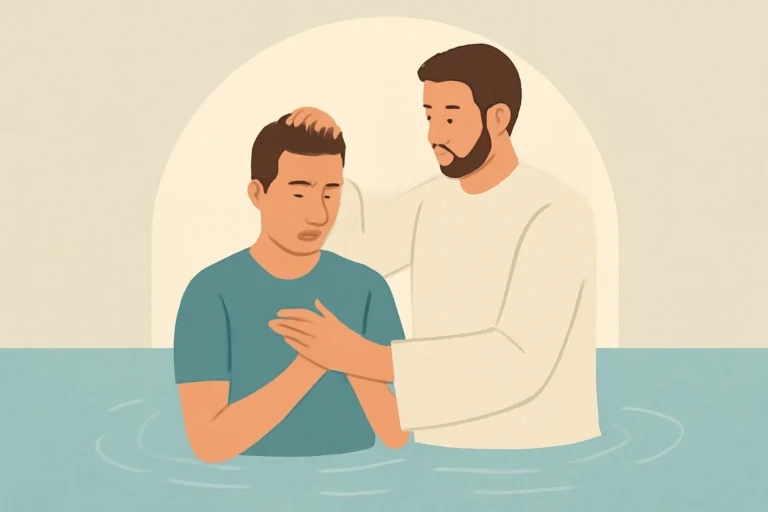
Catholic Baptism Requirements: Eligibility and Preparation
Baptism is the foundational sacrament in the Catholic Church, marking entry into the body of Christ and the community of believers. Understanding the various forms of baptism prerequisites helps families and individuals approach the rite with confidence. This article lays out the key concepts surrounding baptism eligibility, the preparation process, and the practical steps needed to begin, whether you are welcoming an infant into the faith, seeking baptism for a child, or entering the Church as an adult. It also explains the roles of sponsors, catechetical programs, and the sequence of events that lead to the celebration of this sacred rite.
Understanding the Purpose and Kind of Baptism
In Catholic teaching, baptism is not merely a rite of passage. It confers grace, forgives original sin, and initiates a person into the Church as a member of the Body of Christ. The Church recognizes two broad paths for receiving the sacrament of baptism:
Infant or child baptism, typically for children under the age of seven, when parents and sponsors assume responsibility for catechesis and faith formation until the child can participate more fully on their own.
Adult baptism (and baptism for children above the typical infant age), often through the Rite of Christian Initiation of Adults (RCIA) or, for older children, RCIC (Rite of Christian Initiation of Children).
Regardless of age, the essential elements remain consistent: a profession of faith, the invocation of the Holy Trinity, the pouring of water or immersion, and the reception of the sacramental signs that seal the believer with grace. This article will describe the baptism eligibility criteria and how preparation unfolds for different circumstances.
Eligibility for Baptism: Who May Be Baptized?
The eligibility requirements for baptism can vary by age, circumstance, and local diocesan policy. In general, the Catholic Church seeks to ensure that the person being baptized, or the parents and guardians seeking baptism for a child, intend to participate in and be formed by the Church. Two primary paths exist: infant/child baptism and adult baptism.
Infant and Child Baptism: Key Requirements
For infants or very young children, the primary baptism prerequisites concern the parents and the church community as a whole. The common requirements include:
Parental intent to raise the child in the Catholic faith. Parents typically promise to provide faith formation and to enroll the child in ongoing catechesis as they grow.
Parental baptismal status. At least one parent should be a baptized Catholic in good standing. If one parent is not Catholic, the couple may still be allowed to proceed, but additional provisions and assurances about faith formation are usually required.
Participation in baptismal preparation– classes or sessions. These programs help families understand the meaning of the sacrament and the responsibilities it entails.
Consent and scheduling considerations. The parish typically requires parental consent and coordination with the priest or sacramental coordinator to set a date that aligns with liturgical calendars.
Godparent requirements for the baptism, as described below, to serve as spiritual witnesses and mentors for the child’s faith life.
Some dioceses emphasize additional expectations, such as documentation (birth certificate, godparent declarations, and letters of eligibility), and ensuring the family’s readiness to participate in ongoing faith formation. It is common to encounter the phrase “baptism prerequisites for families” in parish materials, and families should view these requirements as part of a larger commitment to lifelong discipleship.
Adult and Older Child Baptism: Key Requirements
For those beyond the typical infant age, the Church’s policies emphasize explicit profession of faith and deliberate participation in catechetical instruction. The eligibility for adult baptism typically includes:
Consent to initiate catechesis. Adults who seek baptism enroll in ongoing formation that prepares them to profess the Creed and to participate meaningfully in the life of the Church.
Participation in RCIA or RCIC, depending on age and parish structure. These rites guide the candidate through catechesis, the profession of faith, and the reception of the sacraments at the appropriate time.
Faithful living and practice. Adults are expected to demonstrate a growing life of prayer, moral formation, and active participation in parish life as part of their preparation.
Celebration timing. In most dioceses, adults receive the Sacraments of Baptism, Confirmation, and the Eucharist together at the Easter Vigil or during the Easter season, depending on the parish.
In all cases, the Church asks that candidates and families approach the baptismal process with sincerity and commitment, recognizing that this sacrament marks a lifelong journey of faith and a communal belonging to the Church.
Preparation for Baptism: What to Expect
Preparation for baptism involves formation in the Catholic faith, liturgical understanding, and practical steps that ensure the ceremony is meaningful and valid. This preparation can take place over weeks or months, depending on parish schedules and the needs of the family or candidate. Key elements of the baptism preparation process include:
Initial meeting with the parish priest or sacramental coordinator to discuss the desire for baptism, the age of the person to be baptized, and the appropriate program.
Participation in baptismal catechesis or RCIA/RCIC sessions that cover Catholic beliefs, the meaning of the sacraments, and the responsibilities of a baptized Catholic.
Documentation gathering such as birth certificates, proof of eligibility for sponsors, and, when applicable, baptismal certificates of the parents or other required records.
Sponsor and godparent preparation, which often includes separate meetings to discuss their role, promises, and ability to support the candidate’s faith life.
Liturgical orientation to understand what happens during the Rite of Baptism, including the readings, the prayers, and the sign of the water.
Many parishes offer baptism preparation programs on weekends or evenings, sometimes in collaboration with other parishes in a shared clustered community. For adults, RCIA involves a structured curriculum that leads to full initiation through Baptism, Confirmation, and the Eucharist. For families, the preparation may include resources for home catechesis, along with a schedule for attending Sunday Mass and participating in parish life.
Sponsors, Godparents, and Community Roles
Two related questions frequently arise in the context of baptism sponsors: who can serve as a sponsor, and what obligations do they undertake? In general, the Church requires clear criteria for godparents and sponsors to ensure a stable spiritual witness for the baptized person.
Godparents and Sponsors: Eligibility and Responsibilities
One sponsor is required for infant baptism, though some communities may allow two sponsors of opposite sex. A second sponsor is encouraged to provide a complementary witness and support.
At least one sponsor must be a validly baptized Catholic who has received the Sacraments of Baptism, Confirmation, and Eucharist. They should be in good standing with the Catholic Church, meaning they regularly practice the faith and are free from canonical impediments.
The sponsor must be at least 16 years old, unless the diocesan policy provides a different threshold. This age requirement helps ensure maturity and an ability to guide the candidate in faith matters.
Spiritual eligibility. Sponsors should be leading lives of faith consistent with Church teaching. They must intend to support the baptismal promises and be a visible example of Christian living for the child or adult being baptized.
Non-Catholic Christian witnesses may be present in certain cases. If a Catholic sponsor is available, it is preferred; otherwise, the parish can sometimes accept a second sponsor who is a baptized Christian of another denomination to serve as a Christian witness, while a Catholic sponsor fulfills the role of faith formation and sacramental witness.
Parental consideration. If a parent is the sponsor, many dioceses do not allow them to serve as both parent and godparent to avoid conflicts of duties and responsibilities.
Beyond formal eligibility, sponsors are invited to participate in the baptismal journey by attending preparation sessions, meeting with the family, and committing to ongoing prayers and faith formation for the baptized person. The role extends beyond the ceremony and into the daily life of faith formation, catechesis, and moral guidance.
Required Preparatory Programs and Pathways
Across dioceses, there are standard pathways for baptism preparation that align with liturgical life and catechetical tradition. The two main routes are RCIA for adults and RCIC for older children, each with its own sequence of rites and stages.
RCIA: The Pathway for Adults Seeking Baptism
The Rite of Christian Initiation of Adults is a comprehensive pathway designed for adults who are exploring or preparing to join the Catholic Church. The RCIA experience typically includes:
Period of Inquiry where individuals ask questions about the Catholic faith and discern a call to baptism.
Catechumenate for those who become catechumens, engaging in deeper faith formation and study of Catholic doctrine.
Rite of Acceptance or Rite of Welcome, marking the individual’s entry into the order of catechumens and their commitment to continue learning.
Elect, where catechumens are tested in faith and prepare for baptism, confirmation, and Eucharist during the Easter Vigil or a designated time.
Baptism, Confirmation, and Eucharist are celebrated together for many RCIA participants, typically during the Easter season.
RCIA emphasizes community participation, ongoing formation, and the integration of new believers into parish life. The process helps adults articulate their faith in a mature way and prepares them for a lifelong journey within the Catholic tradition.
RCIC: Initiation for Older Children
For children who are older than the typical infant age, the Rite of Christian Initiation of Children (RCIC) follows a pastoral approach that mirrors RCIA while recognizing the child’s developmental needs. RCIC participants participate in catechesis, liturgical formation, and the sacraments at an age-appropriate pace. The journey often includes:
Age-appropriate catechesis focusing on the fundamentals of the faith, prayer, and the meaning of the sacraments.
Rites of Christian Initiation for Children, including entrances into the catechetical process, rites of Baptism for children when appropriate, and integration into the Eucharistic life.
Parental involvement as the primary catechists for young believers, with the parish providing ongoing support and formation.
Parishes often coordinate RCIC with school or youth ministry programs to create a comprehensive faith formation plan that extends beyond the sacramental moment.
The Baptism Rite: How the Ceremony Is Conducted
The baptism ceremony in the Catholic Church follows a liturgical pattern that emphasizes the grace conferred by the sacrament and the responsibilities of the faith community. While the details can vary by parish and rite, the core elements typically include:
Presentation of the candidate and prompting for the name to be given at baptism.
Profession of faith by the parents or the adult candidate and, for infants, the faith of the parents carried forward by their promises.
Renunciation of sin and professing of faith in the Holy Trinity, usually expressed in the form of a creed or baptismal promises.
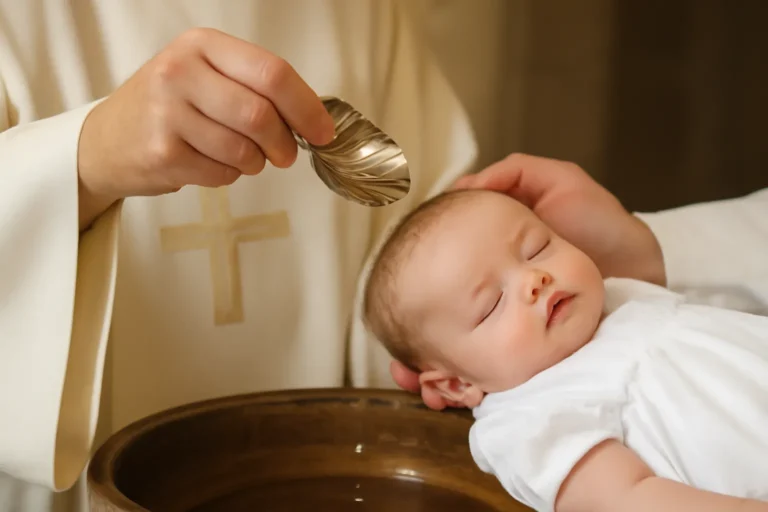
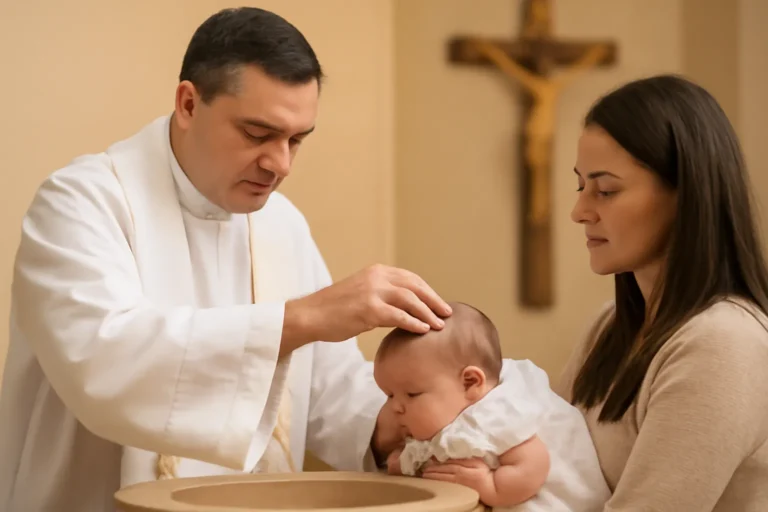
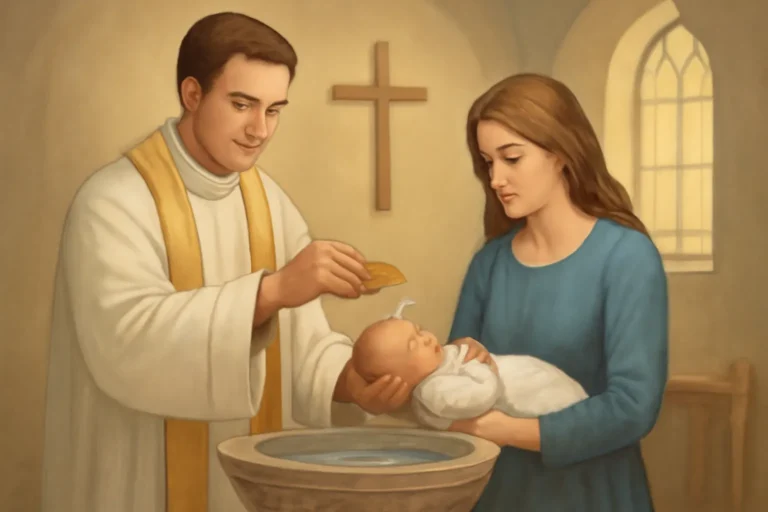
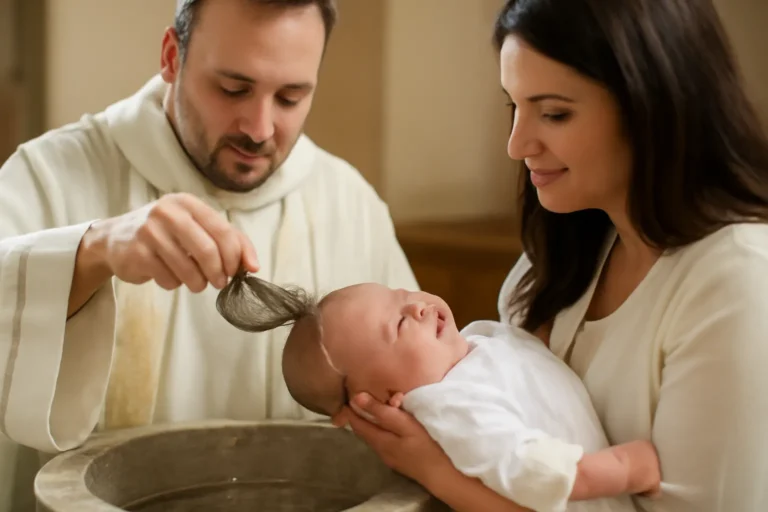
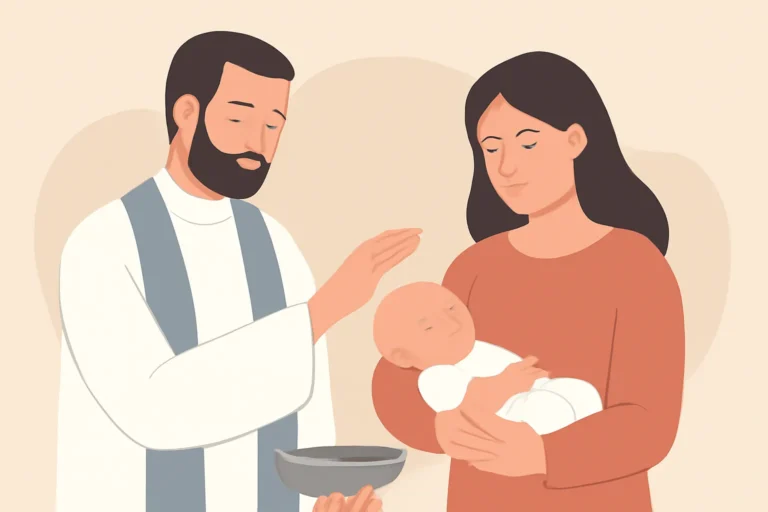
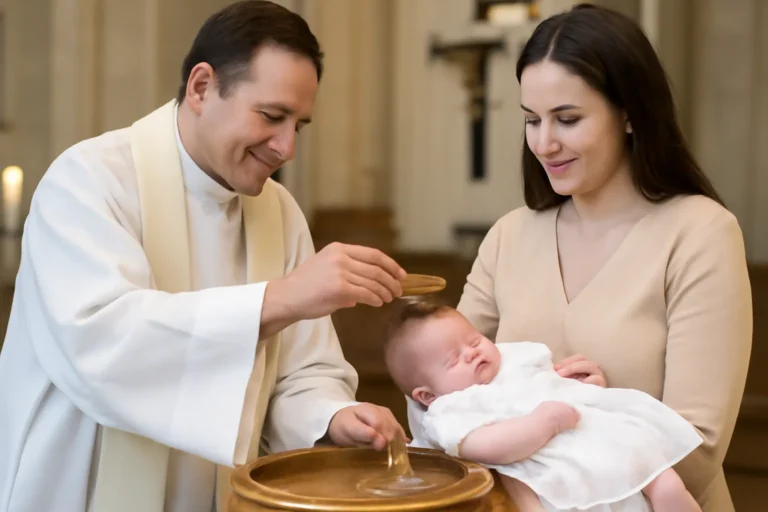
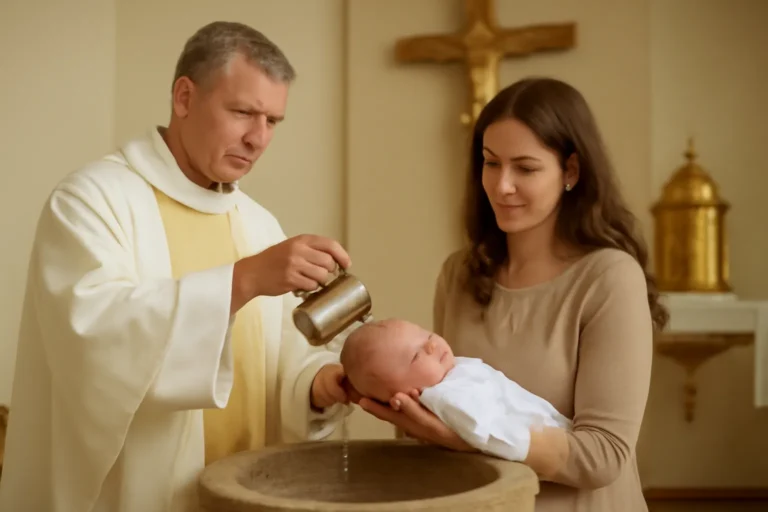
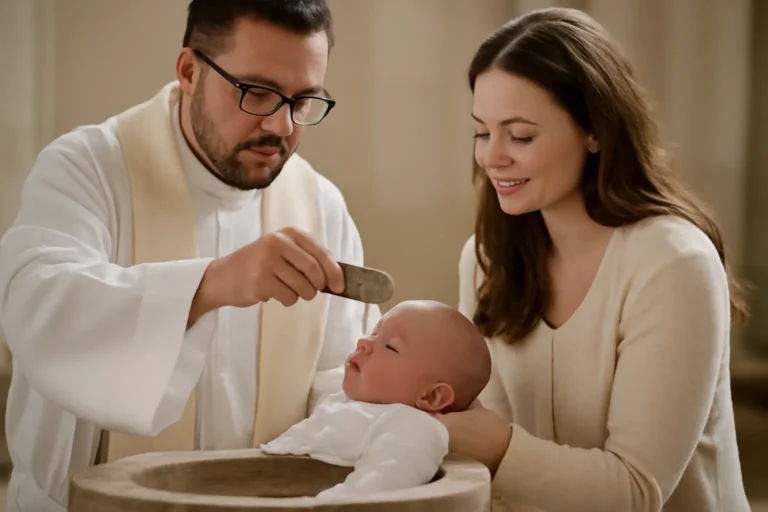
Water ritual—the pouring of water over the head (or immersion) while invoking the Trinitarian formula: “I baptize you in the name of the Father, and of the Son, and of the Holy Spirit.”
Chrism and other signs of initiation, including anointing with sacred chrism, the white garment, the baptismal candle, and sometimes a touch on the chest with the holy oil as a reminder of Baptismal identity.
Liturgical prayers and a blessing that accompany the moment of initiation, followed by the welcome into the Church community.
During the ceremony, the community is invited to witness the profession of faith and to commit to supporting the newly baptized person in a life of faith. Parents and sponsors participate actively by answering on behalf of the child and by renewing their own faith in a public setting. The ritual emphasizes both the inward grace received and the outward responsibilities that accompany Catholic life.
After Baptism: Ongoing Formation and Sacraments
Baptism is not the end of faith formation but rather the beginning of a lifelong journey. The Church encourages ongoing participation in the sacraments and in parish life. Important elements of life after baptism include:
First Holy Communion, typically celebrated after baptism for infants when they reach the appropriate age of reason or during adolescence for older children.
Confirmation, which strengthens the baptized person with the gifts of the Holy Spirit and deepens their commitment to the Christian life.
Regular participation in Mass, prayer, and community service as expressions of faith in action.
Continued catechesis through parish programs, home faith formation, and involvement in parish ministries.
Spiritual growth and moral formation, including living according to Catholic moral teaching and fostering a relationship with God through prayer and the sacraments.
For families and adult converts, the post-baptismal path includes resources for ongoing catechesis, spiritual retreats, and opportunities to connect with sponsors and parish communities to sustain faith growth.
Common Scenarios and FAQs
To help clarify practical questions, here are some frequently asked questions about catholic baptism requirements and related topics.
What documents are typically required to begin the baptism process? Common items include a birth certificate, proof of parental Catholic status (for infant baptism), sponsor letter of eligibility, and baptismal certificates if re-baptism is not involved. Parishes may request additional items such as a marriage certificate of the parents or proof of parish registration.
Can a non-Catholic parent have a child baptized in the Catholic Church? Yes, with the understanding that the non-Catholic parent agrees to support the child’s Catholic faith upbringing. Some parishes require the non-Catholic parent to participate in some form of catechesis or to acknowledge the Catholic faith publicly.
Are there age limits for infant baptism? Most parishes baptize infants or children up to age seven, but local policy may vary. If a child is older, RCIC is often the appropriate pathway in collaboration with the parish.
What if the parents or guardians do not attend church regularly? The parish will explain the expectations for ongoing participation and faith formation as part of the baptism prep. Regular Mass attendance and involvement in parish life are generally encouraged as part of a baptized life.
What are the responsibilities of godparents? Godparents are to be living witnesses of the Catholic faith, ready to support the child’s faith formation, and participate in the baptismal rites and subsequent catechesis. They commit to pray for the child and help guide them in their spiritual journey.
If you have questions about a specific diocesan rubric, it is best to contact your parish sacramental coordinator, as local requirements for baptism eligibility and the rite itself can vary slightly from one diocese to another.
To help families prepare for baptism prerequisites and the ceremony, here is practical guidance you can use as a checklist:
Contact your parish early to learn the schedule for baptism preparation and to reserve a date well in advance.
Attend a baptism preparation class or meet with the sacramental coordinator to understand the expectations, responsibilities, and steps involved.
Gather essential documents such as birth certificates, sponsor letters of eligibility, proof of baptism (if re-baptism is not necessary), and any diocesan forms required.
Choose and meet with sponsors or godparents to discuss their roles, responsibilities, and commitment to faith formation for the child.
Plan the liturgical details—date, time, attire, and any special elements you want to incorporate into the ceremony while respecting parish norms.
Prepare spiritually through prayer, reflection on the creed, and family faith practices that will help extend the grace of baptism into daily life.
Ensure ongoing catechesis is in place after baptism, so the child or adult can continue growing in the faith and participate fully in the sacraments.
Where to Begin: Next Steps
If you are considering baptism eligibility for an infant, child, or adult, the next steps typically involve contacting your local parish’s office, selecting a baptism preparation path (infant, RCIA, or RCIC), and scheduling an initial meeting with the priest or sacramental coordinator. Here are potential next steps you can initiate today:
Contact the parish office to request information about baptism requirements and to learn the available dates for preparation sessions and the ceremony.
Ask about required documentation and whether your diocese requires sponsor letters or confirmations of eligibility for godparents.
Begin attending Mass regularly to participate in the rhythm of parish life and to show a commitment to living as a baptized member of the Church.
If pursuing adult baptism, inquire about RCIA cohorts and the expected timeline for reception of the Sacraments at the Easter Vigil or another liturgical time.
Explore additional resources for faith formation, including family catechesis programs, youth ministry activities, and sacramental preparation materials for home use.
By following these steps and engaging fully with the parish community, you can navigate the baptism process with clarity and confidence, ensuring that the sacrament you receive or administer is meaningful, valid, and in harmony with Church teaching.
In summary, the Catholic Baptism Requirements: Eligibility and Preparation encompass a spectrum of guidelines designed to ensure that every baptism is a true and lasting initiation into the life of Christ and the Church. Whether you are seeking infant baptism, adult baptism, or baptism for an older child, the process emphasizes faith formation, community support, and a robust commitment to living out the Gospel. The role of sponsors, the availability of RCIA/RCIC pathways, and the liturgical richness of the baptismal rite all contribute to a spiritual experience that begins in the waters of baptism and continues throughout a lifetime of faith. If you approach these requirements with sincerity, prayer, and collaboration with your parish, you will find the journey to be transformative and deeply rooted in the life of the Church.