What Are the Seven Gifts of the Holy Spirit? A Comprehensive Guide
Across Christian thought, the Seven Gifts of the Holy Spirit are described as divine helps granted to believers to grow in faith, hope, and charity. These gifts are often presented as ways the Spirit equips the soul to discern truth, act courageously, and live with reverence before God. In this extensive guide, we explore what are the seven gifts of the Holy Spirit in depth, including their scriptural roots, practical expressions, and ways to cultivate them in everyday life. Whether you are studying Catholic teaching, preparing for confirmation, or simply curious about spiritual growth, this article aims to be a clear and thorough resource.
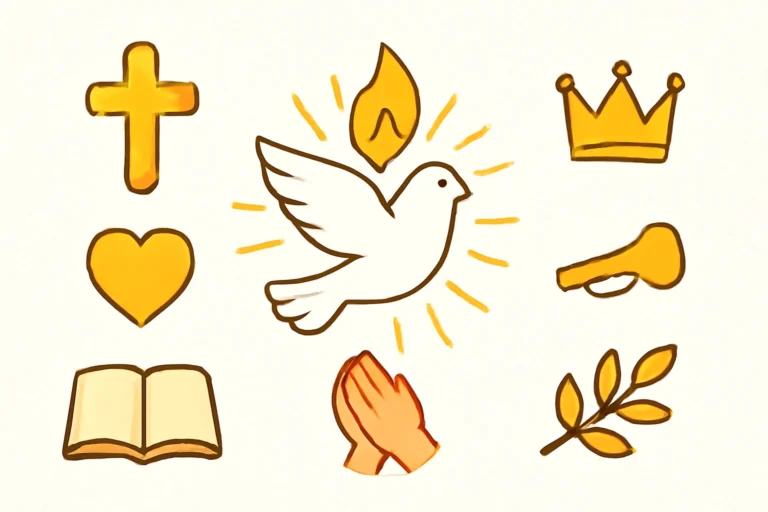
The phrase the seven gifts of the Holy Spirit refers to seven specific graces traditionally enumerated in Christian theology. They are not earned by human effort alone; rather, they are imparted by the Holy Spirit to strengthen the person for the path of discipleship. This collection of gifts is commonly listed as: Wisdom, Understanding, Counsel, Fortitude, Knowledge, Piety, and Fear of the Lord (sometimes rendered as Awe or Reverence). When someone asks, “What are the seven spiritual gifts?” or “How do these gifts function in a believer’s life?” the answer points to a spiritual grammar that helps a person see, judge, and choose in harmony with God’s will.
In many Christian traditions, these gifts are associated with the Sacrament of Confirmation, where the faithful are believed to be sealed with the Holy Spirit and strengthened to witness to Christ. The gifts are also understood as ongoing invitations to deepen prayer, study, and service. They are not merely abstract concepts; they are practical powers that shape character, decisions, and relationships. For those who want to explore further, the gifts are often described as instruments by which the Spirit forms virtue within the believer.
Scriptural Roots and Theological Context
The foundation for these gifts is rooted in the prophetic and wisdom-filled language of Scripture. A key passage often cited is Isaiah 11:2-3, which speaks of the Spirit resting upon the Messiah with a sevenfold fullness: “the spirit of wisdom and understanding, the spirit of counsel and might, the spirit of knowledge and fear of the Lord.” The same biblical imagery has guided generations of theologians to reflect on how God communicates, guides, and strengthens people in daily life.
Early Christian writers and patristic teachers further developed the idea of the gifts as distinct, yet interrelated, ways the Spirit assists believers. Over time, the list became a standard framework in catechesis and preaching, especially in the context of formation for leadership, service, and mission. The practical aim remains clear: to help the faithful interpret events with spiritual insight, act with courage, and honor God in communities and families.
For readers exploring the topic, it can be helpful to pair each gift with a short, memorable description. A common way to phrase them is to think of the seven gifts as tools for correct perception (wisdom and understanding), wise decision-making (counsel and knowledge), virtuous action (fortitude and piety), and holy reverence for the divine (fear of the Lord). This framing makes it easier to discuss how each gift shows up in real life.
The Gifts in Detail
Gift of Wisdom
The Gift of Wisdom is often described as the ability to see created realities from God’s perspective. It helps the believer evaluate life circumstances, priorities, and relationships in light of God’s goodness and plan. Wisdom enables a person to discern where true happiness lies and to align choices with ultimate truth, even when immediate instincts pull in another direction.
What wisdom looks like in daily life: choosing long-term good over momentary gain; recognizing what brings enduring peace; prioritizing virtues over convenience.
How to cultivate this gift: prayerful reflection on God’s goodness, study of holy wisdom literature, seeking counsel from mature believers, and practicing gratitude for the simple truths that reveal God’s presence.
Historical examples: saints and theologians who emphasized contemplative discernment and the ability to see beyond appearances.
The Wisdom gift is often linked with a sense of joy in knowing God and a disposition to seek the company of those who share the pursuit of truth. In the life of faith, wisdom helps interpret experiences, reason about moral choices, and recognize the deeper meaning behind events and relationships.
Gift of Understanding
The Gift of Understanding deepens the mind’s grasp of the meaning and significance of revealed truths. It elevates perception beyond surface appearances, helping a person comprehend mysteries of faith, the nature of God, and the intricate relationships within creation.
What understanding brings to a person: clearer insight into Christ’s teaching, a sense of the logical connections within Scripture, and the ability to see how faith intersects with daily life.
Ways to grow in this gift: prayerful study of Scripture, thoughtful dialogue with others, and time spent in contemplation that opens space for grace to illuminate truth.
Saintly exemplars: many saints are praised for their deep understanding of divine truth that shines through in their writings and example.
Understanding complements Wisdom by clarifying the meaning of what is perceived. Together, these two gifts support a discernment process that respects both the heart’s longing for God and the intellect’s capacity to grasp the truth more fully.
The Gift of Counsel, sometimes called “right judgment,” helps a person discern the best path in moral and practical matters. It is the capacity to seek and recognize holy guidance, to weigh options discernibly, and to offer wise advice to others in times of decision.
What counsel enables us to do: avoid harmful choices, guide others toward virtuous outcomes, and act with prudence in complex situations.
Ways to strengthen this gift: seek spiritual direction, listen deeply to others’ needs, and practice humility in giving advice.
Examples in life: making ethical business decisions, resolving family conflicts with patience, and steering communities toward just ends.
The Counsel gift is practical: it noodles through competing pressures and helps a person see the most life-giving option while honoring God’s will for the moment.
Gift of Fortitude
Known also as fortitude or courage, this gift strengthens the will to endure difficulty, persevere in the face of trials, and stand for righteousness even when it costs something. Fortitude is not a lack of fear but the resolution to act rightly despite fear or opposition.
What fortitude empowers: resilience in suffering, perseverance in faith, and steadfastness in doing good when it is hard.
How to nurture this quality: practice self-discipline, embrace small acts of sacrifice, and draw strength from prayer and community support.
Saintly examples: many martyrs, confessors, and saints who faced persecution with calm faith embody Fortitude in history.
Fortitude gives the courage to act with integrity even when success is uncertain. It invites a believer to endure while remaining rooted in God’s steadfast love and truth.
Gift of Knowledge
The Gift of Knowledge allows a person to understand creation’s relationship to the Creator and to see how God’s plan is at work in particular circumstances. It is a spiritual lens that reveals the divine significance of events, people, and even ordinary duties.
Practical expression: recognizing how ordinary choices fit into God’s larger purposes; seeing the moral dimensions of contemporary life; understanding how talents and resources can serve the common good.
Ways to develop knowledge: study, reflection on lived experience, and prayer that invites grace to illuminate truth in concrete situations.
Historical notes: the Gift of Knowledge has always been valued for guiding communities toward truth and justice through thoughtful discernment.
Knowledge helps believers connect theory and practice. It supports a robust faith that informs decisions in work, family, and public life without losing the sense of dependence on God.
The Gift of Piety is often associated with a loving, filial relationship toward God and a reverent devotion that overflows into service toward others. Piety cultivates sincerity, fidelity, and tenderness in prayer and worship.
What piety looks like: heartfelt prayer, regular participation in liturgy, and a generous spirit toward others as acts of love for God.
How to cultivate this gift: cultivate a rhythm of prayer, frequent reception of the sacraments, and acts of service that reflect God’s merciful love.
Saintly inspirations: figures known for compassionate devotion, humility, and a practical readiness to serve others reflect the spirit of Piety.
Piety shapes a believer’s interior life and outward actions so that love of God naturally flows into love of neighbor. It binds intellect, will, and feeling into a cohesive spiritual posture.
Gift of Fear of the Lord
The Gift of Fear of the Lord, sometimes described as awe and reverence before God, is a reverent awareness of God’s greatness and a concern not to offend Him by sin. It nurtures humility and a desire to please God above all else.
Expression in life: living with a sense of responsibility before God, avoiding sinful risk, and cultivating humility that keeps one teachable.
Ways to deepen this gift: prayer for greater reverence, participation in the sacraments, and prayerful contemplation of God’s majesty and mercy.
Illustrative saints: many holy men and women have shown how reverence for God shapes choices, attitudes, and relationships with others.
Fear of the Lord is not about terror; it is about rightly ordering one’s life in response to God’s holiness, goodness, and love. It is a protective, orienting gift that keeps a person from pride and from following harmful paths.
How the Gifts Are Received and Exercised
The Seven Gifts of the Holy Spirit are understood in most traditions as infused blessings that cooperate with human freedom. They are not earned through mere effort alone; instead, they are activated and strengthened as a person grows in life with God. Here are key ideas about receiving and exercising these gifts.
Initiation and growth: these gifts are especially associated with Confirmation in Catholic practice, but their growth is lifelong through prayer, study, and action in charity.
Prayer as a doorway: daily prayer, examination of conscience, and meditation on Scripture open space for the Spirit to act within you.
Sacraments and grace: participation in the sacraments strengthens the soul to use these gifts more effectively in moral decisions and service.
Practice and discernment: consciously seeking the good, asking for divine guidance, and patiently refining responses over time help the gifts mature.
A practical way to approach this is to adopt a simple routine: begin with a moment of prayer, read a short passage of Scripture or a spiritual text, reflect on a current decision or relationship, and ask the Holy Spirit to guide your judgment, courage, and compassion. In the course of life, the gifts become less theoretical and more reliably present in everyday choices.
Living with the Gifts in Daily Life
When a person embraces the Seven Gifts of the Holy Spirit, the effect can be seen in how one responds to challenges, treats others, and pursues truth. Here are practical arenas where these gifts can shape daily living.
In family life: wisdom and understanding guide parenthood and marriage; counsel helps address conflict; fortitude sustains endurance during difficult seasons; knowledge and piety deepen spiritual conversations with children; fear of the Lord fosters reverence for life and for others.
In work and vocation: fortitude supports perseverance under pressure; knowledge informs ethical decision-making; wisdom and understanding help leaders align goals with the common good; counsel assists in navigating professional dilemmas with compassion.
In community and service: generosity becomes deliberate; the gifts encourage constructive discernment in social outreach; piety and fear of the Lord anchor service in humility and respect for others’ dignity.
A helpful way to translate the theory of the gifts into practice is to pair each habit with a corresponding question. For example, when facing a tough decision, ask: “What does a wise and God-centered perspective suggest?” or “What would I do if I sought the Lord’s will above my own convenience?” These prompts invite the gifts to be active in everyday life.
As people explore what are the seven gifts of the Holy Spirit, a few questions commonly arise. Here are concise answers to some of the most frequent inquiries.
Are these gifts the same for everyone? While the gifts are given to all believers, each person may experience them in different measures and at different times, depending on discipline, grace, and life circumstances.
Do the gifts replace natural talents? No. The gifts work in harmony with natural abilities. They elevate and direct talents toward God and neighbor, helping a person use gifts in holy and fruitful ways.
Is one gift more important than another? In Catholic teaching and most Christian traditions, all seven gifts are valued as complementary. They function together and are meant to be cultivated in balance.
Can I grow in these gifts on my own? Growth typically involves prayer, reception of the sacraments, spiritual direction, study, and practice. Human effort and grace cooperate to deepen the gifts over time.
Saints, Scholars, and Everyday Witnesses
Across Christian history, many saints have exemplified these gifts in diverse ways. Some figures are celebrated for their intellectual clarity and doctrinal insight (Wisdom and Understanding), others for practical discernment (Counsel) or steadfast courage (Fortitude). There are also many laypeople—parents, teachers, healthcare workers, volunteers—whose daily fidelity shows how the gifts take shape in ordinary life.
For those who want concrete illustrations, the life stories of saints often illustrate how the gifts operate. A thinker who closely studies sacred truth can be described as embodying Wisdom and Knowledge; a pastor who guides a community through a crisis may embody Counsel and Fortitude; a mother or father who remains patient and prayerful in challenging circumstances demonstrates Piety and Fear of the Lord.
Frequently Asked Points About Practice and Prayer
If you are seeking a practical plan to cultivate the Seven Gifts of the Holy Spirit, consider these recommended practices:
Daily prayer that includes a short examination of conscience and petition for the gifts you need for the day.
Scripture meditation focused on passages that reveal divine wisdom, such as Psalms, Proverbs, and the Gospels.
Spiritual direction or mentorship from a trusted guide who can offer feedback on discernment and growth.
Community service that puts faith into action and tests your ability to act with courage and charity.
Participation in the sacraments, especially the Eucharist and Reconciliation, which sustain grace and inner freedom.
In practicing these disciplines, you may notice the gifts becoming more tangible in your decisions, your relationships, and your sense of purpose. The aim is not to collect gifts as trophies but to let them shape you into a more faithful, loving, and courageous follower of Christ.
Closing Reflections on a Comprehensive Guide
The question what are the seven gifts of the Holy Spirit invites a holistic view: these are not merely theological vocabulary but living energies that transform perception, choice, and action. They encourage a person to see the world with the mind of God, to decide with a morally integrated conscience, to endure with courage, to know with clarity, to love with devotion, and to stand in awe before the grandeur of the Creator. As a comprehensive guide, this overview offers a map to study the gifts in depth, while also inviting personal practice that makes the gifts real in daily life.
Whether you are preparing for a rite of initiation, seeking to strengthen your spiritual routine, or aiming to guide others in discernment and service, the Seven Gifts of the Holy Spirit provide a framework for growth that is both ancient and deeply relevant. By embracing wisdom, understanding, counsel, fortitude, knowledge, piety, and fear of the Lord, a believer may grow toward greater freedom, virtue, and closeness to God.