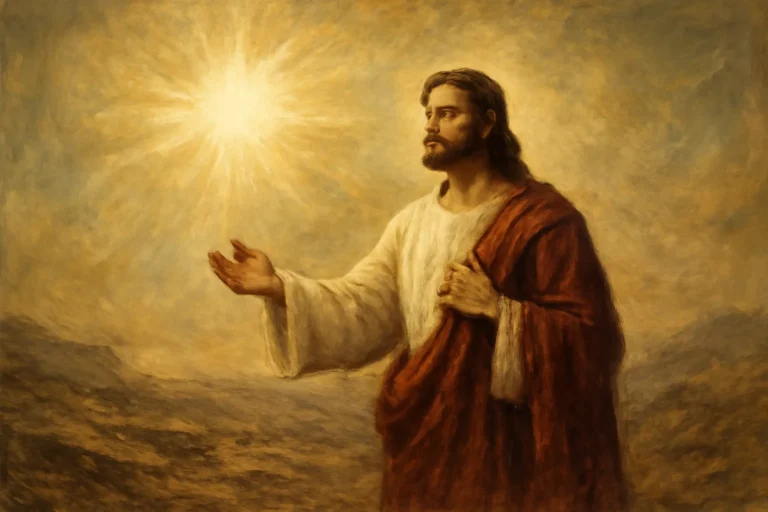
End Times in the Bible Timeline: Key Prophecies, Signs, and Events
The concept of the “end times” in the Bible refers to a sequence of prophetic revelations that describe how history moves toward a final confrontation, cosmic renewal, and the establishment of God’s eternal kingdom. Because biblical writers draw on complex imagery, genres, and layers of prophecy, readers often encounter a blend of predictive material, symbolic vision, and moral instruction. This article surveys the major threads in the biblical timeline commonly associated with the end times, highlighting key prophecies, signs, and events that scholars and readers have found meaningful across centuries. It uses variations in wording like end times, the last days, the day of the Lord, and the consummation to show how the Bible communicates the same broad arc through different voices and contexts.
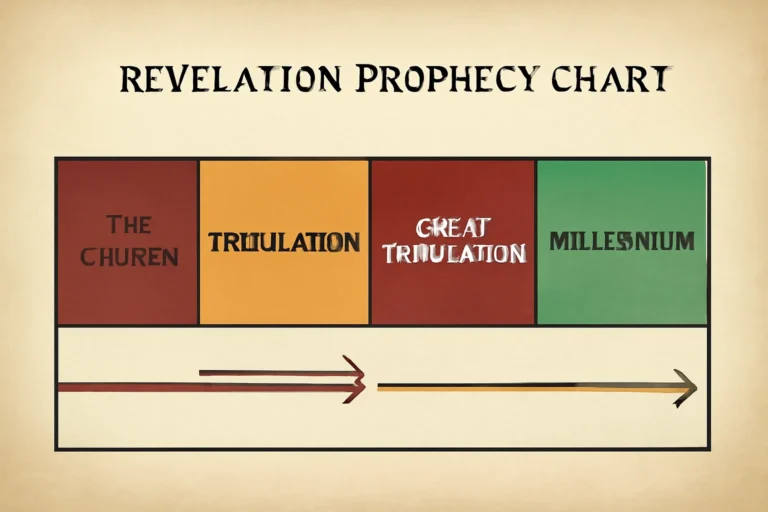
Rather than presenting one single, linearly dated chart, many readers find it helpful to imagine a framework that mirrors biblical anticipation. The timeline blends historical layers (the ancient world, the church era, and future fulfillment) with eschatological events (the tribulation, the return of Christ, and the final renewal). Below is a practical framework that captures the principal segments while noting that different traditions interpret timing and sequencing in distinct ways.
Past foundations: prophetic material from Daniel and the Prophets that points to cycles of judgment, restoration, and the coming Messiah.
The church age: the period in which the gospel spreads to all nations, the church grows, and the plan of God advances through mercy and mission.
Signs and elongation: observable signs that many associate with the approach of the end times—wars, famines, natural phenomena, and spiritual deception.
Tribulation and testing: a time of intensified difficulty and persecution that marks a decisive clash between divine justice and human pride.
The return of Christ: the visible Second Coming, bringing justice, victory over evil, and the establishment of divine rule.
The millennium and renewal: diverse interpretations about the kingdom’s duration and form, followed by final judgment and the creation of a new heaven and new earth.
Old Testament Foundations: Prophetic Threads that Reach Forward
Several Old Testament streams set the stage for later New Testament expectations about end times events. While not all details align perfectly with later revelations, these sources provide a shared vocabulary of hope, warning, and cosmic intervention.
Daniel and the Great Timelines
Daniel stands as a central anchor for biblical eschatology. The book begins with historical visions but closes with apocalyptic imagery in which empires rise and fall, culminating in a final, decisive intervention by God. Two themes recur across Daniel’s chapters:
Weeks of years or prophetic “time markers”: the famous 70 weeks prophecy (Daniel 9) has been read in multiple ways, but most traditions see it as a framework that compresses both near-term and far-reaching events into a divinely measured period.
Apocalyptic figures and powers: beasts, horns, and kingdoms symbolize political and spiritual forces that resist God and His people, signaling intensifying conflict before ultimate triumph.
Ezekiel and the Vision of Restoration
Ezekiel contributes vivid imagery about judgment and renewal that resonates with New Testament visions. His prophecies about dry bones becoming living beings (a metaphor for restoration) and the future temple imagery inform later expectations about a restored order under divine sovereignty. While Ezekiel’s setting is the exile and return of Israel, many readers hear an echo of the larger, cosmic agenda of God in the final chapters.
Isaiah’s Day of Salvation
Isaiah offers prophetic language about light breaking into darkness, nations streaming to the Lord, and the establishment of a righteous king. Many readers see anticipations of an era in which justice, peace, and healing characterize creation. The language about the “servant” and suffering, along with visions of a new heavens and new earth, is frequently cited in discussions of the end times.
New Testament Signals: Signs, Times, and the Church’s Mission
The New Testament grounds end-times thought in the Person and work of Jesus, the spread of the gospel, and the hope of resurrection and empire-shaping judgment. Jesus’ teaching, the letters of the apostles, and the visions of Revelation together offer a composite picture of what fans of biblical prophecy have called the last days, the day of the Lord, or the consummation of all things.
Jesus’ Olivet Discourse: Core Indicators
In Matthew 24 and parallel passages in Mark 13 and Luke 21, Jesus speaks about the signs that will precede the end. The emphasis is not merely on a schedule but on readiness and faithfulness. Key indicators include:
False messiahs and deceptive teaching
Wars, rumors of wars, and geopolitical upheaval
Natural disasters and cosmic disturbances
A time of persecution for believers and gospel proclamation to all nations
The distress of an unprecedented tribulation
Readers often notice a tension in this material: Jesus calls for watchfulness and ethical living now, while also pointing to future, climactic events. This dual focus is a hallmark of the biblical approach to end-time expectations.
Among the most studied sections are the apocalyptic visions in Revelation and the continuous prophecies in Daniel. These sections use symbolic language to describe spiritual realities, political forces, and ultimate destinies. Readers should be aware that interpretations vary, but there are common motifs that appear across traditions.
Revelation’s Three-Tiered Sequence
Many readers organize Revelation around three sequential cycles that echo Old Testament patterns:
The seals: a progressive unveiling of judgment and a cry for justice, culminating in divine vindication.
The trumpets: intensified judgments that escalate toward the climactic redemptive act.
The bowls: final expressions of God’s wrath designed to purify and restore creation.
Within these cycles stand pivotal figures and events, notably the rise of the Beast and his mark, the Beast’s image, and the ultimate defeat of evil through Christ’s return.
Daniel’s Vision Revisited
Daniel’s prophecies are frequently read as coordinated with Revelation. The Beasts from the sea, the little horn, and the anticipated emergence of a final judgment align with the New Testament’s climactic acts. The study of the 70 weeks provides a framework some readers use to connect the coming Messiah with the end of sacrifice and the establishment of an everlasting covenant.
Key Terms and Their Significance
On the way to understanding the end-times narrative, several technical terms recur and deserve clear attention:
Rapture: a term popular in some traditions to describe the moment when believers are gathered to meet Christ; its timing is debated among scholars.
Tribulation: a period of intense testing and pressure, often associated with persecution and divine judgments.
Antichrist and the Beast: symbolic figures representing ultimate opposition to God and to the truth of the gospel.
Armageddon: a symbolic name for the final, decisive conflict between cosmic good and cosmic evil.
Millennium: a debated period of thousand-year reign of Christ with various interpretive models.
New Creation and New Jerusalem: the culmination in which God dwells with humanity in a restored universe.
The Tribulation: Intense Trials and Cosmic Significance
The period traditionally labeled as the tribulation is described as a time of intensified earthly distress and spiritual testing. Across traditions, this era serves several functions: it reveals human hearts, fulfills divine judgments, and prepares the world for Christ’s return. Some scholars link the tribulation to a literal seven-year timeline, while others view it as symbolic of a longer period of testing that spans church history. Regardless of the exact chronology, common themes emerge:
Persecution of the faithful and witnessing in the face of pressure
Judgments poured out generically through seals, trumpets, and bowls
A climactic confession of faith by the church and a decisive victory by God
The Antichrist, the Beast, and the Mark of the Beast: Symbol and Reality
Two figures often discussed in end-times discourse are the Antichrist and the Beast described in Revelation and Daniel. These symbols function on multiple levels: they represent political power, religious deception, and ultimate rebellion against the divine order. The mark of the beast (a symbol of loyalty and allegiance) becomes a focal point for debates about how believers should respond to economic and social pressure under oppressive regimes. Interpreters disagree about whether these scenes point to a single historical moment or to ongoing patterns of opposition to the gospel. What remains consistent across readings is the call for vigilance, truthfulness, and faithfulness under pressure.
The Second Coming and the Final Conflict: Christ’s Return to Earth
A central pillar of biblical eschatology is the Second Coming of Jesus Christ. The New Testament presents this event as visible, personal, and transformative. It introduces a decisive moment when Christ defeats evil, judges the nations, and establishes justice. The term Armageddon appears in Revelation as a symbolic place where the forces of evil confront the forces of God, culminating in the final victory of the returning King. The coming of Christ is paired with the removal of moral and cosmic disorder, setting the stage for the next phases of the divine plan.
The Millennium and the Kingdom Reimagined: Amillennial, Premillennial, and Postmillennial Paths
Interpretations of the millennium differ sharply among Christian scholars and traditions. The three main views are:
Premillennialism: Christ returns before the millennium, inaugurating a thousand-year reign on earth that culminates in a final rebellion and the Great White Throne judgment.
Amillennialism: the millennium is a symbolic period spanning the church age, not a literal thousand-year physical reign, with Christ ruling in heaven now and in the present spiritual sense.
Postmillennialism: the church will gradually transform society toward a golden age through the spread of the gospel, culminating in Christ’s ultimate return after a long period of peace and righteousness.
Each position seeks to honor biblical texts, including passages about peace and justice, the suffering and renewal of creation, and the ultimate triumph of God. The differences are not just theoretical; they influence how communities read current events, ethics, and mission in light of prophecy.
The Final Judgment and the New Creation: The Culmination of the Timeline
After the climactic events of the end times, Christian theology typically envisions two interrelated outcomes: a final judgment and a restoration of all things. The Great White Throne Judgment or similar judgments are presented as the moment when every person is held to account for deeds and faith, with justice administered and mercy acknowledged. Following judgment, the text envisions a new heaven and new earth, a transformed cosmos where God dwells with humanity without sin, pain, or death. The New Jerusalem is described as a city with radiant beauty, perfect harmony, and an eternal relationship between God and His people. These terms invite readers to see the end times not merely as catastrophe but as a doorway into a restored creation where God’s purposes reach their full expression.
Practical Reading: How to Approach End Times Literature
Apocalyptic and prophetic material requires careful interpretation. Here are some guiding principles for readers seeking to understand the biblical timeline without getting overwhelmed by sensational readings:
Read within the context: End-times passages appear alongside moral exhortation, acts of worship, and historical narratives. Take the surrounding text seriously as part of the message.
Recognize genre and symbolism: Apocalyptic language uses symbols to convey spiritual reality. Numbers, beasts, and cosmic imagery often point to meanings beyond literal chronology.
Keep the overarching arc in view: The Bible narrates a movement from creation to fall, from promise to fulfillment, and from exile to homecoming. End-times language is part of that larger arc, not isolated predictions.
Balance hope with responsibility: The exhortations to holiness, mission, and love accompany the prophetic horizon. Read prophecy as an invitation to live faithfully now.
Historical Reception: How Christians Have Engaged the Timeline Over the Centuries
Throughout history, believers have engaged these prophecies with varying emphases—some focusing on imminent dates, others on a broader spiritual horizon. Key factors shaping interpretation include:
The experience of persecution or peace and prosperity in different eras
Advances in science and global events that prompt reflection on prophecy’s relevance
The interpretive traditions that emphasize doctrinal frameworks (for example, covenant theology, dispensationalism, or liturgical readings)
In all cases, the biblical timeline invites readers to maintain trust in God, to practice ethical discernment, and to participate in God’s mission in the present world while holding a hopeful posture toward the age to come.
Common Questions and Clarifications
Readers frequently ask about timing, sequence, and applicability. Here are concise clarifications grounded in biblical reflection:
Is the timing known? The Bible consistently urges vigilance rather than precise forecasting. Jesus’ own warnings emphasize readiness rather than exact dates.
Are there multiple end-time events? Many readers distinguish between a fulfilled portion of prophetic events in the first century and anticipated future fulfillments, with some events overlapping across eras.
What should I do while waiting? Faithful living, prayer, community worship, acts of justice, and sharing the gospel are repeatedly highlighted as appropriate responses to the biblical horizon.
How should I read troubling prophecies? Approach them with humility, seek sound scholarship, and interpret them in light of the gospel, the person of Christ, and the attribute of God as just and merciful.
Variation in Wording: Semantic Breadth for the End-Times Narrative
To capture the breadth of biblical language, readers encounter several interchangeable phrases. Each term highlights a facet of the same overall drama:
End times or the end of the ages – emphasizes the culmination of biblical history.
The last days – often used to describe the period of expectation in the New Testament era.
The day of the Lord – underscores divine sovereignty and timely intervention by God.
consummation or fulfillment – points to the final, comprehensive realization of God’s plan.
New creation – highlights the ultimate renewal beyond judgment, where God dwells with humanity.
Putting It All Together: A Coherent Picture of the End Times Timeline
While the details and timing remain subjects of discussion, the core sequence commonly described in scholarly and devotional literature can be summarized as follows. This outline reflects a synthesis of multiple biblical streams rather than a single, fixed timetable:
Foundational prophecies from Daniel, Isaiah, Ezekiel, and others establish the expectation of divine intervention and a righteous kingdom.
The church era expands the reach of the gospel to every tribe and nation, preparing a people for the day of the Lord.
Sinister powers and spiritual conflict intensify as deception and wickedness increase, testing faithfulness and purity of worship.
Judgments and trials unfold in symbolic cycles (seals, trumpets, bowls), not merely as punishment but as a purification leading to renewal.
The return of Christ comes with cosmic justice, the defeat of evil, and the establishment of divine order.
The millennium debate presents different frameworks for interpreting Christ’s reign, the church’s mission, and the nature of the kingdom in this age.
The final judgment and creation culminate in the removal of sin, the renewal of all things, and the eternal presence of God with His people.
This outline can serve as a scaffold for study, prayer, and discussion, while allowing room for the diversity of interpretations that Christians have developed across history. Regardless of exact chronology, readers are invited to live with hope, pursue justice, and cultivate faithfulness in anticipation of God’s ultimate purposes being fulfilled.
Further Reading and Study Tips
For readers who want to deepen their understanding, consider these approaches:
Compare parallel passages in the Synoptic Gospels (Matthew, Mark, Luke) with Revelation to see how Jesus’ predictions intersect with apocalyptic imagery.
Study Daniel’s prophecies alongside Revelation to explore thematic correspondences and symbolic language.
Consult different interpretive traditions to grasp how premillennial, amillennial, and postmillennial readings handle key passages about the kingdom and the final age.
Read with a focus on ethical exhortations—how prophecy both warns and calls readers to live with integrity, mercy, and hope.
Ultimately, the biblical timeline of the end times seeks to illuminate the trajectory of God’s eternal plan: a plan that moves from creation to fall, from promise to fulfillment, and from exile to homecoming in a New Creation where God dwells with his people in an era of lasting peace and joy.