What joining a church really means for you and your family
Joining a church is more than simply signing a piece of paper or attending a service. It is a decision to become part of a spiritual community that shares common beliefs, supports one another in everyday life, and participates in
collective worship, service, and growth. Because churches vary in doctrine, worship style, and
governance, the process of joining can look different from one congregation to another. Still, there are shared elements
across traditions—intention, learning, and engagement—that help newcomers transition into active membership with clarity and
confidence.
Step 1: Reflect on your beliefs and goals before choosing a church
Before you begin visiting churches, take some time for personal reflection. This helps you choose a congregation whose
beliefs, values, and practices align with your own. Consider these questions:
What do I believe about God, Jesus, the Bible, and salvation? How does the church articulate these beliefs?
What kind of worship and prayer style suits me? Traditional liturgy, contemporary songs, spontaneous prayer, or a blend?
What is my desired pace for involvement? Casual attendance, ongoing discipleship, or formal membership?
What values matter most? Mission, social justice, evangelism, small-group community, or family-focused ministry?
How important is church governance and accountability? Congregational voting, elder-led leadership, or a hierarchical structure?
It can also be helpful to review a church’s statement of faith or creed before you visit.
This gives you a snapshot of core convictions and helps you compare options.
Step 2: Attend services and observe with discernment
The best way to understand a church is to experience it in person. Plan a visit to multiple services if possible, and pay
attention to the following aspects:
How is the gospel proclaimed? Is the sermon centered on Jesus, Scripture, grace, and life transformation?
What is the atmosphere of the worship? Is it participatory, inspirational, reverent, or focused on outreach?
How are guests treated? Are there clear pathways for welcome, information, and follow-up?
What opportunities exist for involvement? Are there ministries for families, youth, seniors, and newcomers?
What is the pace for membership or deeper commitment? Do you offer classes, mentoring, or welcome teams?
After a visit, reflect on how you felt about the community, the clarity of teaching, and the sense of responsibility toward
neighbors and the world. A church that aligns with your values will often demonstrate a balance of worship, word, and
service that resonates with you.
Step 3: Start conversations with leaders and members
Personal conversations are invaluable. Speaking with a pastor, a church elder, or a member who has recently joined can provide
practical insight into the membership process, expectations, and the culture of the church.
Reach out to the church office to ask about upcoming welcome meetings, membership classes, or baptism preparation.
Ask thoughtful questions about doctrinal positions, baptism requirements, communion practices, and how you’ll be
supported as you grow.
Share your story with pastoral staff or a welcome team. Your testimony about faith, life, and goals helps
the church see how you might contribute and receive pastoral care.
As you engage these conversations, keep in mind that relationships matter as much as theology. A healthy
church community invites questions, growth, and accountability in a loving, transparent way.
Step 4: Learn the church’s core beliefs and practices
A clear understanding of what a church teaches is essential before committing. Most congregations offer a membership
class, new members orientation, or a period of catechesis where you study essential doctrine and
church expectations.
Understanding the core beliefs
In this phase, you may encounter a few recurring themes:
Authority of Scripture—how the Bible is interpreted and applied to daily life.
Person and work of Christ—the gospel, atonement, resurrection, and the path to salvation.
Trinity and God’s nature—how the church frames the relationship between Father, Son, and Holy Spirit.
Doctrine of salvation—grace, faith, repentance, and the role of good works.
Church polity—how leadership is structured and how decisions are made.
Sacraments or ordinances—baptism and communion, including timing and meaning.
You’ll also learn about everyday practices that shape membership, such as worship rhythms, prayer patterns, fellowship, and service commitments.
Worship style, theology, and daily life
Some churches emphasize a liturgical rhythm with set prayers and responsive readings, while others favor a
more informal or charismatic approach to prayer and gifts. Your goal is to find a place where
the teaching, worship, and community life align with your own sense of spiritual growth and moral formation.
Step 5: Explore different membership options
Not all churches label membership in exactly the same way. Some congregations distinguish between various forms of
involvement, such as full membership, associates, or baptism-based affiliation.
Common paths to belonging
Membership by confession of faith—you affirm the church’s core beliefs and commit to its community life.
Baptism-based membership—in many traditions, baptism is a gateway to formal membership or to the table.
By letter or transfer—membership is transferred from another church, often requiring a letter of
recommendation or discharge.
Affiliation through discipline or catechesis—some churches require completion of a “new members” class,
a short doctrinal survey, or a period of mentoring.
It’s important to ask about standing changes if you move, so your membership status remains clear and your
involvement continues smoothly across communities.
Step 6: Baptism, reaffirmation, and vows
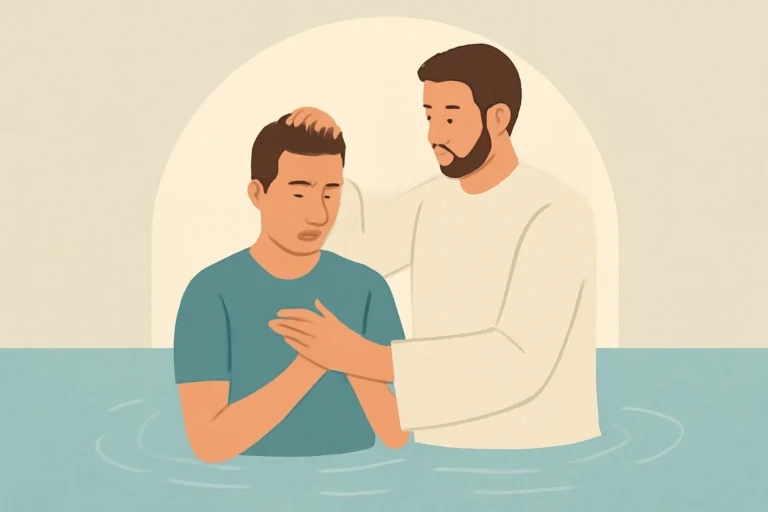
For many believers, baptism is a foundational step that publicly identifies them with Christ and with the church.
Some traditions also offer reaffirmation or infant baptism as part of their heritage. If baptism is required for membership in a
church you’re considering, you’ll typically encounter a baptism class and guidance on the timing, mode, and meaning.
Baptism as initiation—it marks the official entrance into the Christian community and is often tied to
membership eligibility.
Symbolic significance—water baptism symbolizes cleansing, new life, and identification with Jesus.
Practical considerations—you may need to schedule baptism on a specific Sunday or during a special service.
If you have already been baptized in another church, some congregations offer transfer of membership or
accept you as a believer’s baptism recipient, depending on doctrinal alignment and the church’s
policies.
Once you’ve completed the learning phase and prayed through your decision, the church will outline the formal steps
to become a member. This typically includes participating in a membership class, signing a membership covenant,
and meeting with leaders to confirm your readiness.
What to expect during the membership class
Overview of church history and mission
Statement of faith and key doctrinal positions
Commitment expectations, such as regular attendance, support (tithes or offerings), and service
Introduction to governance, leadership, and decision-making processes
Opportunities for mentorship, small groups, and care ministries
After completing the class, you may sign a membership covenant or declaration of intent. This is a mutual
promise: you commit to living out the church’s values, and the church commits to supporting your growth, accountability, and
care as a member.
Step 8: Onboarding and integration into the community
With formal membership in place, the next focus is integration. A warm, practical onboarding helps new members feel welcome
and begin contributing meaningfully to the life of the church.
Orientation and welcome teams—these groups help you learn about ministries, schedules, and how to
get plugged in.
Small groups or life groups—intimate settings for accountability, prayer, Bible study, and mutual care.
Volunteer opportunities—serve in kids’ ministry, hospitality, outreach, or worship teams to build
relationships and use your gifts.
Stewardship and generosity—learn the church’s approach to giving, budgeting, and financial involvement.
Pastoral care—establish a relationship with a pastor or elder who can support you during transitions and
life events.
Active members often find that mentorship and discipleship pathways accelerate growth. The goal
is not merely attendance but belonging through service, learning, and authentic fellowship.
What to expect in daily church life after joining
Being a member brings with it responsibilities and privileges. Expect a rhythm that weaves worship, learning, service, and
community into a balanced pattern. Common expectations include:
Regular attendance and participation in worship and teaching moments.
Engagement in a small group or accountability circle for prayer and support.
Stewardship of financial resources through tithes and offerings as a spiritual discipline.
Service in volunteer roles or outreach programs to share compassion and practical help with neighbors.
Care for one another—prayer, visitation, and practical assistance during times of illness, loss, or life changes.
A thoughtful onboarding plan helps you experience community life sooner rather than later. Many churches pair new members with
mentors, provide a calendar of upcoming events, and offer ongoing discipleship opportunities that deepen your faith and
relationships.
Variations on how to join a church: scenarios you might encounter
Every church has its own flavor and formalities. Here are common scenarios and how they typically unfold:
Traditional membership after completion of a class, baptism (where required), and signing a covenant.
Membership by transfer from another church, often with a brief meeting to establish compatibility.
Young adult or student pathways that emphasize mentorship, campus outreach, and flexible attendance.
First-time commitment with a special emphasis on catechesis and foundational teaching before formal acceptance.
Non-member participation in ministries while pursuing formal membership later.
Home church affiliation for family units that travel or live in multiple locations, with clear transfer rules.
No matter the path, the underlying aim stays the same: to become part of a community that champions growth in faith, equips
you for service, and offers spiritual care.
If you’re still deciding, here are answers to frequent questions people ask when considering church membership:
Do I need to be baptized to join? In many traditions baptism is part of membership, but some churches accept
believers’ baptism or a baptism from another denomination. Clarify the policy with the church you’re considering.
What if I’ve already been baptized in another church? Often this can be acknowledged through a letter of transfer
or recognition of baptism, depending on doctrinal alignment and the church’s rules.
Can I stay anonymous while I explore? Some churches offer guest or newcomer pathways that allow you to participate
without immediate commitment, which can be a comfortable way to learn and observe.
How long does it take to become a member? The timeline varies; it can be a few weeks for some churches or several months in
others, especially if there is a teaching track or baptism involved.
What happens after I join? You’ll be invited to participate in ongoing worship, teaching, fellowship, and service,
with opportunities for mentorship and leadership development as you grow.
Ethical and practical considerations to keep in mind
When you join a church, you are agreeing to participate in a community that has commitments and expectations. Consider these
practical and ethical points:
Respect for church governance—understand who leads, how decisions are made, and how you can engage
constructively within that framework.
Transparency and honesty—be open about your faith journey, questions, and needs. A healthy church welcomes
inquiry and dialogue.
Pastoral care—know how care is provided during difficult times and who to contact for counseling or support.
Community boundaries—recognize boundaries between church life and other aspects of life to maintain healthy
relationships and avoid burnout.
Volunteer commitments—if you choose to serve, balance your time, gifts, and responsibilities to sustain your
life and faith.
Remember, the most meaningful memberships are built on trust, shared mission, and a genuine regard for one another’s well-being.
Take the time you need to prayerfully consider your path and to find a community that aligns with your values and calling.
Tips for a smoother joining experience
To help your journey be as smooth and meaningful as possible, consider these practical tips:
Keep your questions ready for pastors, elders, and members—clarity reduces hesitation and helps you
commit with confidence.
Attend multiple settings—a single Sunday may not reveal the full church culture. Attend midweek gatherings,
outreach events, and Sunday school or youth group if available.
Track your spiritual growth—keep a journal or notes on sermons, Bible study insights, and what you sense God is
teaching you through the church’s community life.
Pray through the process—seek discernment, peace, and alignment with God’s will for your life and your
family’s life.
Engage respectfully with differences—in any diverse faith community, you may encounter varied interpretations;
approach conversations with humility and curiosity rather than confrontation.
Final thoughts: choosing where to plant roots
The decision to join a church is deeply personal and consequential. It shapes not only your spiritual life but also your relationships, service, and daily routines. A church that invites you to grow in faith, learn the scriptures,
practice hospitality, and extend compassion to the world around you can become a meaningful home for you and your family.
If you plan to share this article or refer others to it, consider highlighting the following key phrases: membership process, baptism, confession of faith, membership covenant, small groups, leadership, hospitality, and service opportunities.
Each church may name and emphasize these components differently, but they remain central to a healthy journey into church
life.