Understanding the Decision: What It Means to Convert
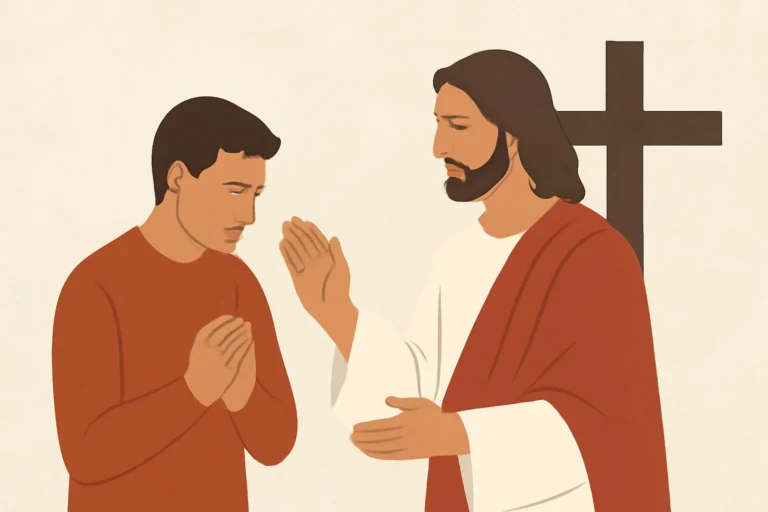
Deciding to become a Christian is a personal journey that often involves wrestling with questions of identity, purpose, and relationship with a higher purpose. For many people, conversion begins not with a hurried decision, but with a sustained exploration of the claims about Jesus Christ, the meaning of forgiveness, and the role of faith in daily life. If you are asking how you convert to Christianity, you are asking a question that has different answers in different traditions, but some core elements tend to recur across paths of conversion. At its heart, conversion is about turning toward Jesus, entrusting one’s life to His leadership, and joining a community that seeks to follow Him together. Becoming a Christian is best understood as a relational shift: from independence or doubt to a new relationship with God mediated by faith in Christ and nurtured within a community of believers.
What It Means to Take the Step: Core Beliefs to Consider
Before pursuing steps or methods, it helps to pause with some essential questions. What do Christians believe about God, about Jesus, and about life after death? What is the role of grace, repentance, and faith in the process? Here are foundational ideas that often shape the decision to convert:
God loves the world and offers forgiveness and reconciliation through Jesus Christ.
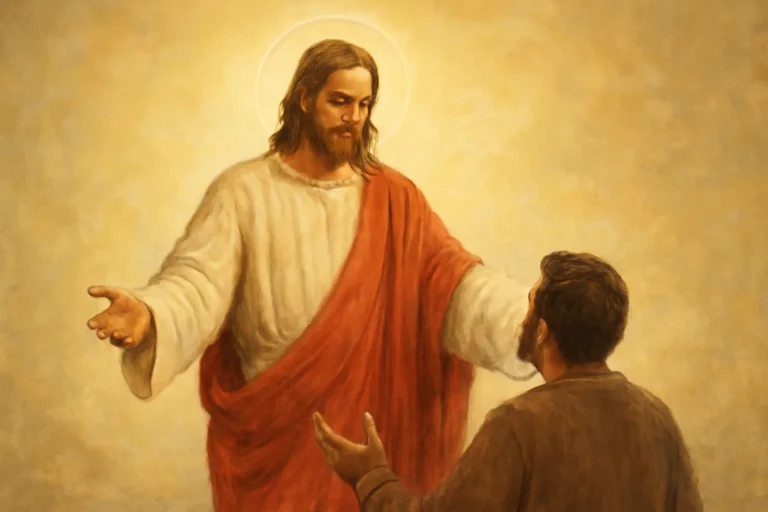
Jesus is the central figure of Christianity, believed to be the Son of God who lived a sinless life, died on the cross for humanity, and rose again.
Salvation is by grace through faith, not earned by good works alone, and is received as a gift when a person trusts Christ.
Repentance and faith go together: turning away from self-reliance and turning toward God in trust and obedience.
Discipleship involves lifelong growth in following Jesus, learning the Bible, praying, and loving others.
People describe their experience of conversion in many ways—some emphasize a decisive moment, others a gradual awakening. What matters is alignment with the core message of Christian faith and a sincere desire to pursue Christ in community. If you’re exploring how do you convert to Christianity with integrity, take time to study these beliefs, talk with trusted mentors, and observe how they play out in real life among believers.
Paths to Christianity: How Do People Move Toward Faith?
There are many ways people approach the question how do you convert to christianity, and the path you take may be shaped by your background, culture, and church tradition. The following broad pathways are commonly described across Christian communities:
Personal study and invitation: Reading the Bible, engaging with Christian literature, and being invited into conversation by a friend or mentor can lead to a personal decision to trust Christ.
Wholistic catechesis or discipleship: Some churches offer structured classes or mentorship programs that explain Christian beliefs, prayer, and living as a disciple before baptism.
Civic or life-transition moments: People often move toward faith during significant life events—births, marriages, losses, or crises—that prompt questions about meaning and hope.
Liturgical or sacramental pathways: In traditions such as Roman Catholic, Orthodox, or some Protestant denominations, conversion emphasizes sacraments (like baptism and Eucharist) within a liturgical life.
Church community immersion: Joining a local church, serving alongside others, and participating in worship can nurture a sense of belonging and belief that invites deeper commitment.
Regardless of the path, the essential question remains: what does it take to become a Christian in practical terms? The answer often boils down to three simultaneous rhythms: hearing the gospel, responding in faith, and entering a community that sustains growth.
Steps Involved in the Conversion Process
While the specifics vary by tradition, a practical guide to how to become a Christian typically includes a combination of belief, commitment, and public affirmation. The following steps are common across many churches and ministries:
Hear or read the message of the gospel
Affirm belief in Jesus Christ as Lord and Savior
Repentance and faith: turn from self-rule and place trust in Christ
Express a personal decision through prayer or a formal declaration
Public profession of faith and baptism (where appropriate to tradition)
Join a local Christian community to grow in faith and serve others
Step 1: Understanding the Gospel
The Gospel is the heart of Christian faith. It proclaims that God created people to know Him, that humanity has fallen into sin, and that Jesus Christ offers forgiveness and new life through His death and resurrection. In practical terms, this means recognizing that no one earns God’s approval on their own and that Jesus invites us to trust Him personally. If you are asking how you convert to christianity, this is the place to start—by listening to and absorbing the claims about Jesus and the offer of God’s grace.
Step 2: Personal Repentance and Faith
Repentance involves a change of mind and heart toward sin and self-sufficiency, followed by trust in Christ’s atoning work. Faith is not merely intellectual assent; it is trust that Jesus is who He claimed to be and that His sacrifice is enough for you. Practically, this can look like praying a simple, honest prayer in which you acknowledge your need for forgiveness and invite Jesus to lead your life. Different traditions frame prayer differently, but the centerpiece remains a personal decision to rely on Jesus.
Step 3: Public Profession of Faith (Baptism)
Publicly identifying with Christ is a meaningful milestone in many Christian communities. Baptism is commonly understood as an outward sign of an inward decision: it represents dying to the old self and rising to new life in Christ. Some traditions practice infant baptism, while others require a personal profession of faith followed by baptism by immersion. If you are asking how should I proceed with baptism, speak with a pastor or church leader about the denomination’s practice and the prerequisites they require for baptism.
Step 4: Joining a Community and Beginning Discipleship
Conversion is rarely an isolated event. It is the start of a lifelong journey in which you are formed by teaching, worship, service, and fellowship. Finding a church family, attending regularly, joining a small group, and beginning a pathway of spiritual formation help you grow as a disciple. This step addresses how you become part of a Christian community and how you maintain accountability, encouragement, and opportunities to serve.
Practical Guide: Daily Practices That Support the New Life
After the initial decisions, practical rhythms help you mature in faith. The following habits are common across many Christian traditions and can be adapted to fit your context:
Prayer as conversation with God—both structured and spontaneous
Scripture reading to know God’s will and grow in wisdom
Worship and corporate gatherings to celebrate God’s goodness with others
Fellowship and service: engaging with others, volunteering, and caring for those in need
Confession and accountability to receive grace and correction within a trusted community
Ethical living: letting your daily decisions reflect Christ’s lordship in work, family, and society
In practice, you may begin with a simple daily routine: a few minutes of prayer, a short reading from a Gospel or a devotional, and a moment to reflect on how you can live out your faith that day. The goal is not perfection but growing trust in God and consistent steps of obedience.
What Happens Next: Growth, Community, and Life as a Christian
Once you have taken the key steps—hearing the gospel, trusting Christ, and joining a community—the ongoing life of a Christian unfolds in discipleship. Here are some aspects to anticipate as you continue your journey:
Spiritual growth: understanding Scripture, refining beliefs, and applying faith to everyday situations
Formation in character: patience, humility, integrity, and love for others
Service to others: using talents and resources to bless neighbors, the poor, and the church
Hope in God’s promises: looking forward to God’s faithfulness in life and eternity
Remember that conversion is not a one-time event alone, but a lifelong path of following Jesus. Different forms of Christian faith emphasize varied elements—some prioritize sacramental life, others place more emphasis on personal evangelism, and still others highlight social and ethical action. The important thing is to stay anchored in Christ and connected to a community that fosters growth.
Common Questions and What They Mean for Your Journey
People often ask practical questions as they consider conversion. Here are answers to some of the most common inquiries, framed to respect diverse traditions while offering clear guidance.
Q: How do you convert to Christianity if you were not raised in a church?
A: You can begin by exploring the gospel, asking questions, and connecting with a local church or Christian mentor. Many people start with a Bible reading plan, attend a class for newcomers, and participate in community life to learn what it means to follow Jesus.
Q: Is baptism necessary for salvation?
A: Views on baptism vary by tradition. In many churches, baptism is a public declaration of faith and an essential step in discipleship, though salvation is understood as received through faith in Christ. Check with a local church about their beliefs and practice.
Q: Can I convert to Christianity if I have doubts?
A: Yes. Doubt is common in the faith journey. Honest questions can deepen understanding and strengthen faith when pursued within a supportive community and thoughtful study.
Q: What if I come from a different religion or background?
A: Many people come to Christianity from diverse backgrounds. The process typically involves learning about Christian beliefs, testing them against personal experience, and deciding how to live in light of Christ’s teachings.
Q: How long does the conversion process take?
A: It varies widely. Some people experience a decisive moment, while others grow gradually over months or years. The important factor is ongoing trust in Christ and ongoing participation in a church community.
Choosing a Community: How to Find the Right Church for Your Path
Joining a supportive community is a crucial part of conversion for many people. The right church can provide sound teaching, accountability, worship, and opportunities to serve. When considering where to plant roots, you might ask:
Do they proclaim the gospel clearly and center their life on Jesus?
What is the church’s view on baptism and membership?
How does the community foster Bible study and spiritual growth?
Is there space for questions, doubt, and diverse perspectives?
What emphasis does the church place on outreach and service?
Remember that you may need to visit a few communities before deciding where to belong. It is reasonable to observe Sunday services, attend a small group, and speak with pastors or church leaders about doctrinal beliefs and practice. The right fit will feel welcoming to your questions and committed to helping you follow Christ with integrity.
Resources and Next Steps: Practical Aids for the Journey
Whether you are at the start of your exploration or in the early days of following Jesus, there are practical resources that can guide you. Consider the following categories as you plan your next steps:
Scripture access: a readable Bible translation, a Gospel-focused reading plan, and study aids
Devotional guides: daily reflections that help you pray and apply Scripture
Communities and mentors: local churches, small groups, and seasoned Christians who can walk with you
Church-instruction resources: baptism classes, catechism materials, and discipleship programs
Prayer and worship resources: devotional apps, journals, and music that encourage a habit of worship
If you are asking how to convert to christianity in a practical sense, your next steps might include reading a Gospel (such as the Gospel of Mark or Matthew), praying for clarity and openness, reaching out to a church for guidance, and attending a baptism or membership class if you’re ready. There is no universal timetable; what matters is a genuine turning toward Christ and a commitment to grow in Him within a community.
Common Pitfalls to Avoid on the Path to Faith
As with any serious life decision, there are potential missteps to watch for. Being aware of these can help you stay focused on the core of Christian faith and avoid distorting motives:
Rushing a decision without genuine belief or understanding
Seeking only emotional experience rather than a lasting relationship with Jesus
Treating baptism as a mere formality without ongoing discipleship
Joining a church for social status rather than to grow in faith and serve others
Ignoring doctrinal differences that may shape beliefs about salvation, scripture, and sacraments
By approaching conversion with sincerity, humility, and a willingness to learn, you can navigate these potential pitfalls. The aim is a durable, life-changing relationship with God through Jesus, expressed within a loving Christian community.
For anyone asking how do you convert to Christianity, the synthesis of belief, transformation, and community is a reliable compass. Whether you are just starting to ask questions or you are preparing to take formal steps, the journey is characterized by three enduring commitments:
Faith in Christ: trust in who Jesus is and what He has accomplished for you
Repentance and turning toward God: a decision to realign life with Jesus’ lordship
Participation in a Christian community: baptism where appropriate, regular worship, and shared life with others in faith
As you consider your next steps, it can be helpful to write down questions, meet with a pastor or mentor, and read Scripture with a plan. If you would like, you can set a small, achievable milestone—perhaps attending a church service for a month, engaging in a Bible study, or asking a friend to walk with you through a few key gospel passages. The path you choose will likely be as unique as your story, and that is a strength—not a weakness. The Christian faith has long been defined not by a single moment of decision alone, but by a sustained journey of trust, learning, and love poured out toward God and neighbor.