Baptism and Church Membership: A Guide for New Believers
Baptism and church membership are foundational practices in the life of many Christian communities. For new believers, these steps symbolize entry into the life of faith, incorporation into a spiritual family, and a public witness to the grace of God. This guide offers a thorough overview of both baptism and church membership, explaining their meanings, how they relate to each other, and what to expect as you begin or pursue these commitments within a local church.
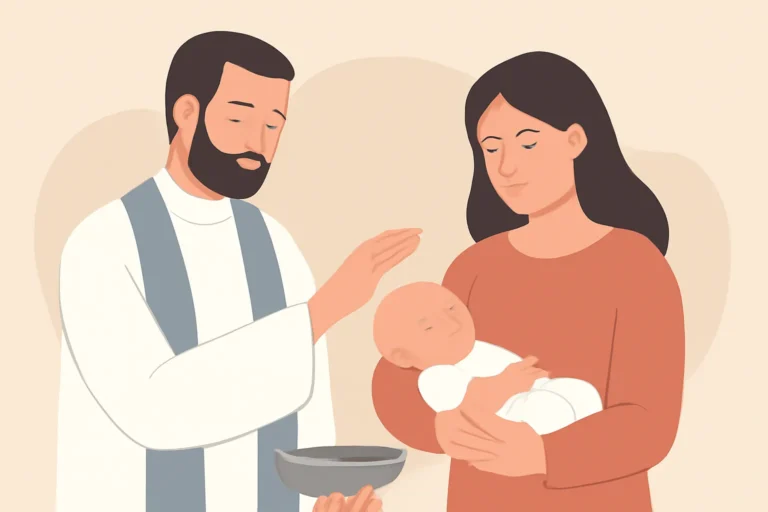
Baptism is an ordinance rooted in the teachings and example of Jesus Christ. It is commonly understood as a twofold act: a public declaration of faith and a sign of grace extended to the believer. Scripture describes baptism as a baptismal identification with Christ’s death, burial, and resurrection, often symbolized by immersion in water or by another appropriate method depending on tradition. Most churches emphasize that baptism does not earn salvation by itself; rather, it confirms and communicates the believer’s trust in Christ and marks the starting point of a lifelong journey of discipleship.
The Symbolic Meaning
Key elements of baptism include:
Public confession of faith in Jesus Christ as Lord and Savior.
Identification with Christ in his death and resurrection, signaling a new life.
Inclusion into the body of Christ—the church—where believers are welcomed into a spiritual family.
Grace witnessed through the community, which supports and encourages the new believer in faith and obedience.
Different Christian traditions emphasize different aspects of baptism. Some practice infant baptism as a sign of God’s covenant with families and the church; others emphasize believer’s baptism as a conscious decision made by someone who can articulate faith. Regardless of the particular emphasis, baptism is typically understood as a meaningful, grace-filled step in the Christian journey.
Different Approaches to Baptism
Infant Baptism
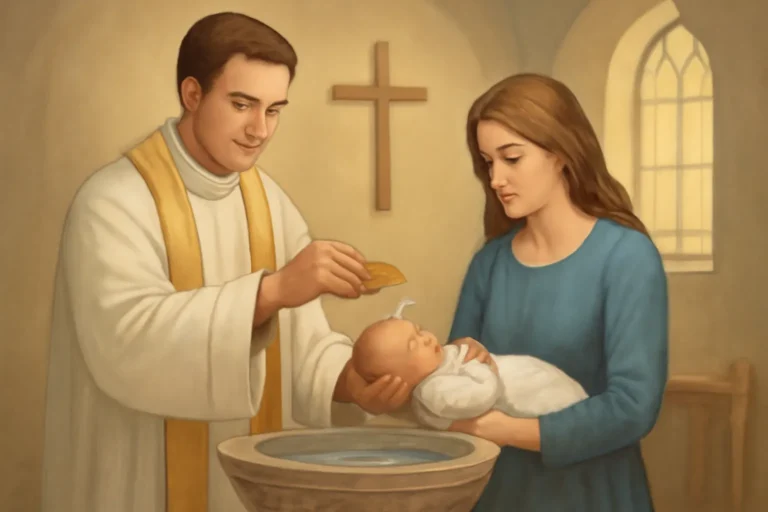
In many historical and liturgical traditions, infant baptism is valued as a way to mark the infant as part of the covenant community. Proponents argue that it signifies God’s grace extended to the child and that the family commits to raise the child in the faith. In these contexts, baptism often goes hand in hand with ongoing catechesis, instruction, and later, confirmation or profession of personal faith as the child grows into maturity.
Believer’s Baptism
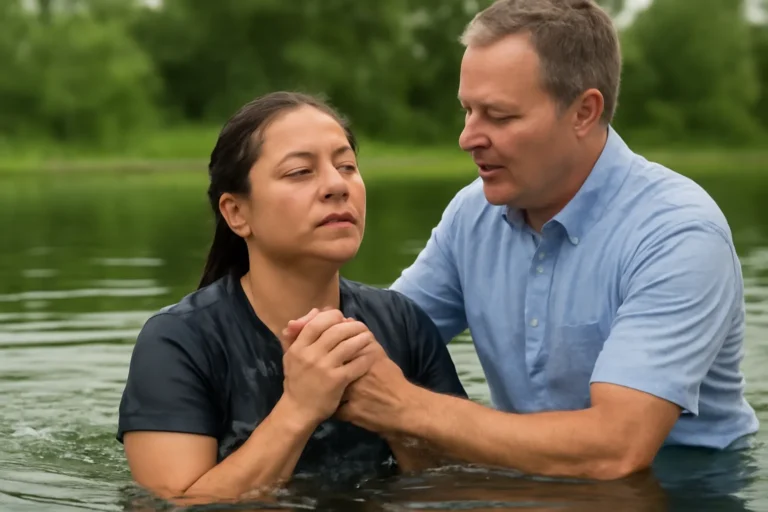
In other traditions, baptism is reserved for those who have professed personal faith in Christ. This practice emphasizes that baptism follows repentance and trust in Jesus, making the act a deliberate profession of faith. Advocates contend that this approach respects the biblical pattern of individuals choosing to follow Christ and then publicly declaring that decision through baptism.
Modes and Methods
Different churches may use various methods, including:
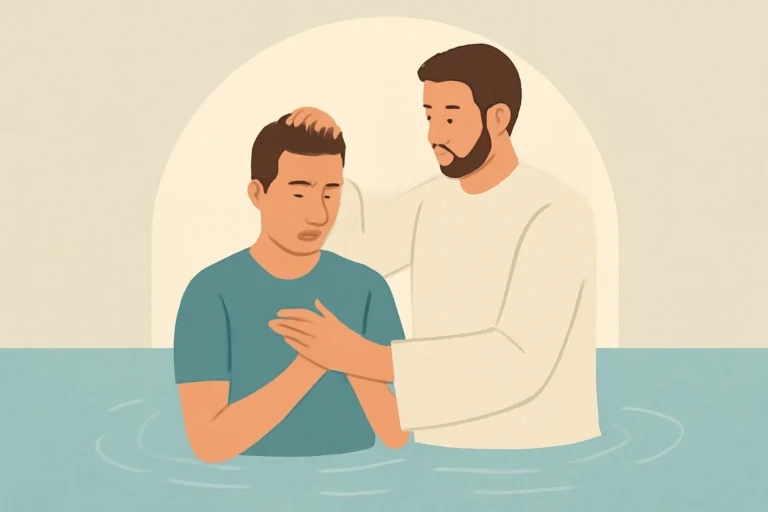
immersion (submersion under water), commonly practiced in many Evangelical and Baptist churches
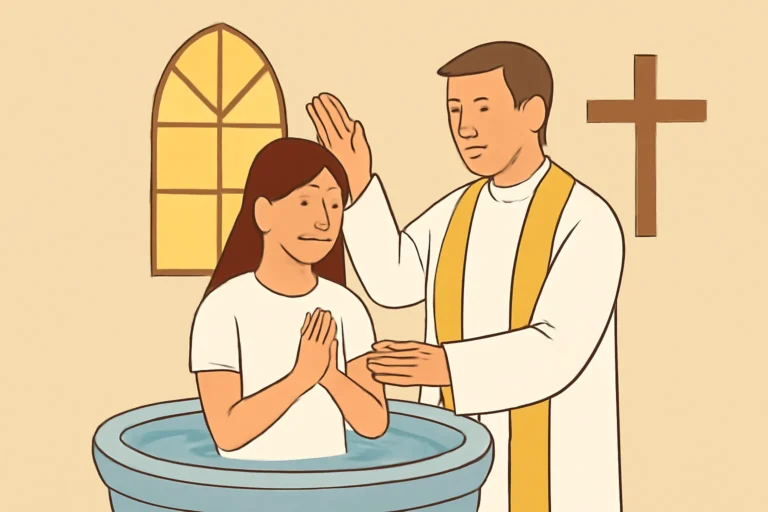
pouring (pouring water over the head), used by several historic mainline churches
sprinkling (sprinkling or dowsing with water), found in some traditional denominations
Regardless of the method, the underlying purpose remains the same: a visible symbol of inward faith and belonging to Christ and his people.
Baptism and the Local Church
Every local church views baptism as a gateway into the life of the congregation, yet how the practice is integrated can vary. Some communities baptize new believers during a worship service, while others schedule baptisms at special occasions or small gatherings. In many churches, baptism is followed by a welcome into the church’s membership process, signaling a transition from outsider to participant in the life and mission of the church.
Church membership is more than a ceremonial affiliation. It represents a formal commitment to participate in the life, mission, and governance of a local church. Membership indicates:
A shared confession of faith and adherence to the church’s core beliefs
Willingness to use one’s gifts for the benefit of the church and community
Accountability within a faith community, helping one another pursue spiritual growth
Participation in the church’s mission through worship, teaching, service, and outreach
While baptism is a personal experience, membership connects the individual to a specific spiritual family with shared commitments. In many traditions, the two practices are connected: baptism may be a prerequisite or a symbolic precursor to formal membership, especially when baptism is understood as the entry point into the visible church.
The Covenant and Commitments
Many churches describe membership as entering into a church covenant, a formal agreement outlining expectations for worship, service, financial support, personal holiness, and mutual care. The covenant expresses a vision of life together as God’s people: reciprocal encouragement, accountability, and responsible stewardship for God’s mission locally and globally.
Who Should Be a Member? Understanding Eligibility
Membership criteria vary among denominations, congregations, and cultural contexts. Yet there are common principles often observed across churches:
Profession of faith in Christ and agreement with the church’s core beliefs
Evidence of a transformed life that aligns with the teachings of Jesus
A willingness to participate in corporate worship, community life, and the ministry of the church
Completion of a pre-membership process, baptism if required, and basic doctrinal instruction
Acceptance of the church’s covenant and its governance and leadership structures
If you have questions about eligibility, speak with a pastor or membership pastor. Churches value clarity and mutual consent as you discern whether you belong in a local congregation.
The Relationship Between Baptism and Membership
In many Christian communities, baptism and membership are tightly linked, while in others they are distinct steps that can occur at different times. Key ways they relate include:
Sequential path: Some churches require baptism as a gateway or prerequisite for formal membership, while others treat baptism as a symbol that accompanies or follows one’s formal admission into the church family.
Public profession: Both acts function as public declarations—baptism declares faith in Christ, and membership publicly commits to the church community and its mission.
Formation and accountability: Baptism initiates a process of discipleship within the community, and membership strengthens accountability through intentional relationships, teaching, and shared responsibilities.
Grace and responsibility: While baptism is about grace received through faith, membership is about grace expressed in community life and service to others.
Understanding this relationship helps new believers navigate the path ahead with clarity and confidence. It is common to encounter both continuity and variation in different church contexts, and healthy churches strive to honor scripture while honoring conscience and local practice.
Steps to Become a Member
Connect with a local church: Attend services, join a small group, or participate in a ministry to begin forming relationships with the congregation.
Explore doctrinal alignment: Review the church’s statement of faith or doctrinal commitments to assess whether you share the core beliefs.
Engage in a pre-membership or discovery process: Many churches offer a class or interview to help you understand the church’s culture, values, and expectations.
Address baptism status: If you have not yet been baptized, discuss with church leaders whether baptism is required for membership or whether your prior baptism is recognized. If baptism is required, you may schedule the ceremony according to the church’s calendar and theology.
Profess faith or confirm profession: In some settings, you will publicly profess your faith before the congregation, or undergo a confirmation process that affirms your baptismal or faith commitments.
Take the membership vow or sign the covenant: By signing or verbally agreeing to the church covenant, you enter into formal membership and receive access to the responsibilities and privileges of church life.
Join a ministry or service team: Begin contributing your gifts and abilities to the church’s mission, whether through worship, teaching, mercy ministries, or outreach.
Throughout this process, you’ll receive pastoral guidance, mentorship, and opportunities to ask questions. The goal is not merely to tick boxes but to be formed as a disciple who both loves God and loves neighbors within a local community.
The Covenant Community: What Members Commit To
Worship, Doctrine, and Life Together
The life of a member is anchored in regular worship, alignment with the church’s doctrinal commitments, and active participation in the life of the body. This includes studying the Bible, praying with others, and growing in grace and truth alongside fellow believers.
Service and Stewardship
Membership involves stewarding one’s gifts, time, and resources for the benefit of the church and the broader world. Members are often encouraged to:
Serve in ministries that fit their gifts
Support the church financially and with acts of service
Participate in outreach and mission efforts
Accountability and Care
Healthy local churches cultivate a culture of mutual accountability. This means loving admonition when needed, encouragement in spiritual disciplines, and practical support in times of trial. Accountability is designed to build up the body in love and to help each member persevere in faith and obedience.
Relationships and Community Life
Being part of a congregation is about belonging to a spiritual family. It means pursuing mature relationships, practicing hospitality, and caring for neighbors—especially those who are vulnerable or in need. The church community functions as a place where people learn to love, forgive, and grow in Christ together.
Life After Baptism and Membership: Discipleship in the Local Church
Beyond the formal acts of baptism and membership, the ongoing journey of a believer is shaped by being discipled and by discipling others. Local churches support this through:
Teaching and Bible study that deepen understanding of the gospel, character formation, and ethical living
Small groups or life-on-life communities for accountability and mutual care
Mentorship and leadership development to prepare members for service in the church and in the broader world
Prayer and worship as ongoing practices that sustain spiritual vitality
Missional living that invites members to serve their neighbors and participate in God’s redemptive work
As you move forward, you may discover your particular gifts and calling within God’s broader plan. Churches encourage you to steward your gifts by serving in ways that reflect Christ’s love and truth in your community.
Approach baptism and membership with a posture of humility, repentance, and faith. Recognize that both steps are about God’s grace at work in you and your response of trust, obedience, and love. The goal is not merely to complete a ceremony but to enter into an enduring relationship with Christ and his people.
Content to Consider
When preparing for baptism or a member’s class, consider the following:
Personal testimony—Are you able to articulate how you came to faith in Christ and what he means to you?
Doctrinal alignment—Are you comfortable with the church’s core beliefs and its biblical interpretation?
Community fit—Do you feel drawn to the church’s fellowship, mission, and leadership style?
Spiritual growth plan—What steps will you take to grow in grace, prayer, and obedience in the coming year?
Common Scenarios and How They Are Handled
Some typical questions new believers ask include:
Can I be baptized if I was baptized as an infant? Some churches recognize infant baptism as a stand-alone sign of God’s grace, while others require a believer’s baptism after a profession of faith. If you are unsure, consult with the church’s leadership to determine whether a reaffirmation or a believer’s baptism is appropriate.
Is baptism necessary for salvation? Most traditions teach that salvation comes by faith in Christ alone, not by baptism. Baptism is a response to God’s grace and a public sign of the inward change that God is already working in the believer.
Do I have to join a specific church? While some people begin with baptism in one tradition and then transfer membership to another, many find a local church where they can commit to worship, service, and fellowship with that community.
Infant baptism is not a substitute for personal faith but rather a marker within a covenantal framework. In traditions that practice infant baptism, the church often accompanies the child’s growth with catechesis, mentorship, and a path toward a personal declaration of faith when appropriate.
What if I was baptized in a different denomination?
Many churches recognize baptism administered by other believers’ communities, especially if the baptism was performed with the Trinitarian formula and a genuine profession of faith. If there is any question, church leadership can review the baptismal record and determine whether it stands for the local congregation’s practice or whether a reaffirmation is desired.
How does church membership relate to church governance?
In some churches, members participate in governance through voting on leadership, budgets, and policy matters. In other settings, leadership decisions are made by pastors, elders, or a council, with membership providing accountability and support for those decisions. Understanding your church’s governance helps you participate responsibly and respectfully in the church’s mission.
Resources for New Believers
As you embark on baptism and membership, consider these practical resources and opportunities commonly offered by churches:
New Believers Class or Foundations Course—Foundational teaching on the gospel, prayer, Bible study, and spiritual disciplines
Membership Preparation Packet—A guide outlining the covenant, expectations, and commitments
Baptism Classes—Instructions on the meaning, significance, and procedure for baptism within the local church
Mentor or Sponsor Pairings—A seasoned believer helps you navigate questions and family life in the faith
Ministry Opportunities—Guidance on how to serve in worship, hospitality, outreach, or mercy ministries
Engaging with these resources helps you grow in knowledge, courage, and joy as you enter the waters of baptism and take your place within a community of believers. You’ll discover that the journey is enriched by regular worship, Bible study, corporate prayer, andgiver-hearted service as you grow toward mature discipleship.
Baptism and church membership are more than ceremonial milestones; they are relational and transformative decisions. They invite you into a story bigger than yourself—the story of God redeeming a world through Jesus Christ and inviting people to participate in his mission. Whether you are stepping into believer’s baptism, reaffirming an infant baptism, or joining a church covenant as a member, you are responding to God’s invitation to belong, serve, and grow in grace.
As you pursue these commitments, you will likely encounter questions, moments of doubt, and times of spiritual renewal. Lean into the community of faith that surrounds you, seek guidance from trusted pastors and mentors, and commit to lifelong growth in the grace of God. The journey of faith is not a single act but a continuous path of obedience, love, and faithfulness—the path that leads toward greater likeness to Christ and deeper participation in his purposes for the world.