What Is a Chaplain? Definition, Roles, and How They Help
A chaplain is a trained professional who provides spiritual care, emotional support, and ethical guidance to people in organized settings outside a traditional church or temple. The term covers a broad family of roles, from clergy members assigned to an institution to lay people who offer religious or spiritual services in secular environments. Across the world, chaplains serve in hospitals, military settings, prisons, universities, police and fire departments, hospices, and community organizations. While the word “chaplain” has religious roots, modern chaplaincy is often interfaith or ecumenical, focused on serving individuals of diverse beliefs, backgrounds, and needs. This article explains what a chaplain is, outlines the core roles they perform, and describes how chaplains help people during times of celebration, stress, illness, grief, and transition.
At its most basic, a chaplain is a person who offers pastoral care and spiritual support within institutions. The scope can be wide, spanning different faith traditions as well as secular perspectives. In many systems, chaplains are not limited to a single faith tradition; instead, they provide inclusive, patient-centered care that respects a person’s beliefs, values, and rituals. This means a chaplain may:
Offer prayer, meditation, or ritual according to the person’s tradition or, when requested, provide a neutral vigil or reflection without endorsing a particular faith.
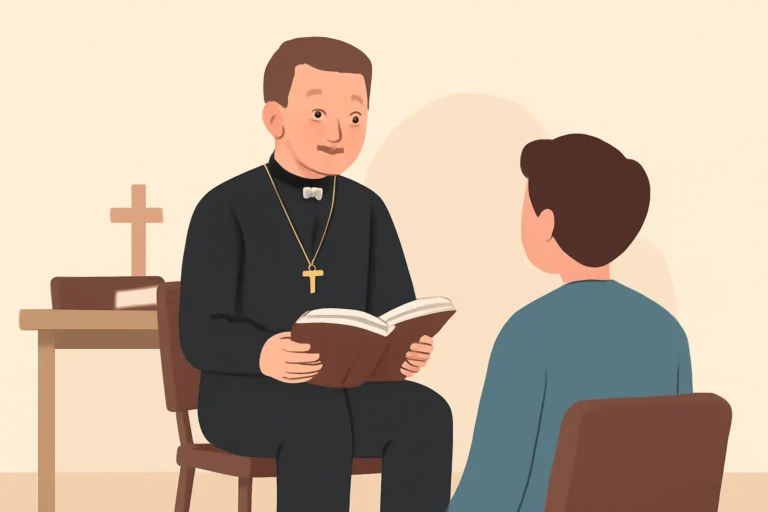
Provide emotional and spiritual support to patients, residents, or detainees facing illness, loss, or major life decisions.
Assist families and loved ones with bereavement, memorial practices, and end-of-life planning.
Coordinate with other healthcare, legal, or administrative staff to ensure that spiritual and cultural needs are respected as part of holistic care.
Offer crisis intervention and confidential listening during emergencies or traumatic events.
Because chaplaincy often operates in institutional settings, a chaplain’s work is both professional and relational. They typically adhere to standards of ethics, confidentiality, and professional boundaries, while also maintaining respect for the beliefs and rituals of individuals they serve. In many places, the chaplain’s role is defined by the sponsoring organization (such as a hospital, a university, or the military) and guided by national associations that set training and practice norms.
Core Roles and Responsibilities
The role of a chaplain is multifaceted. While duties vary by setting, several core responsibilities are common across most chaplaincies:
Pastoral care and emotional support: Listening with empathy, helping individuals articulate fears or hopes, and offering comfort during difficult times.
Spiritual care and religious services: Conducting or arranging worship, sacraments, rites, or blessings as appropriate to the person’s tradition, or providing secular rituals when requested.
Crisis response and trauma support: Providing immediate, compassionate presence after accidents, disasters, or shocks, and guiding people toward coping resources.
Ethical and existential reflection: Facilitating conversations about values, meaning, and decisions when individuals face life-altering choices.
End-of-life care and grief support: Assisting with advance directives, palliative care discussions, funeral or memorial planning, and bereavement follow-up for families and staff.
Advocacy and cultural competence: Advocating for patient or client preferences and ensuring care respects diverse cultural and religious identities.
Ritual leadership and sacraments: Leading or coordinating rites such as blessings, prayers, or rites of passage in line with client preferences and institutional policy.
Interfaith and interreligious dialogue: Serving as a bridge among different belief systems, facilitating tolerance, understanding, and collaborative care.
Education and training: Providing spiritual care education to staff and contributing to ethics discussions, palliative care teams, or hospital rounds.
In practice, chaplains blend elements from theology, psychology, counseling, and pastoral tradition to meet the needs of the whole person—body, mind, spirit, and community. This integrative approach distinguishes chaplaincy from other forms of religious leadership that focus exclusively on worship or doctrine.
Settings and Contexts: Where Chaplains Serve
Chaplains work in a remarkable variety of environments. The following settings illustrate how chaplaincy can be tailored to different populations and purposes.
Healthcare facilities (hospitals, clinics, hospices): Providing spiritual support to patients and families, aiding in discernment around medical decisions, and supporting staff resilience.
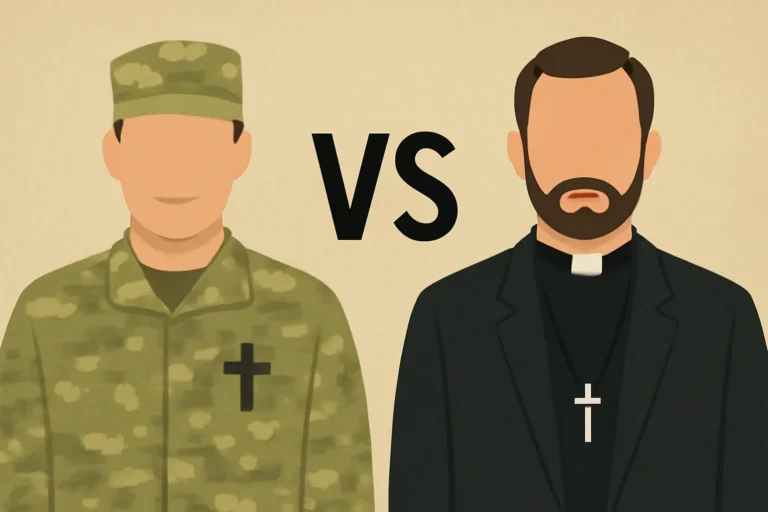
Military and veterans’ communities: Offering moral support, ceremony guidance, trauma-informed care, and rites for service members, veterans, and their families.
Prisons and detention centers: Providing confidential counseling, rehabilitation-focused conversations, and support for redemption, hope, and dignity.
Educational institutions (colleges, universities, seminaries): Supporting students, faculty, and staff with life transitions, chaplaincy programs, and interfaith activities.
Emergency services and disaster response: Deploying as part of crisis teams to sustain communities affected by disasters or mass-casualty events.
Hospice and palliative care: Emphasizing meaning-making and comfort at the end of life, while supporting families and caregivers.
Corporate and community organizations: Providing spiritual care, ethical guidance, and wellness support in non-medical workplace settings.
Some chaplains specialize in one setting, while others work in multiple contexts. In many systems, secular or religiously affiliated organizations collaborate to recruit chaplains who can address a broad spectrum of beliefs. This flexibility is a hallmark of the modern chaplaincy, enabling inclusive outreach and meaningful care across diverse populations.
Training, Certification, and Pathways into Chaplaincy
Becoming a chaplain usually involves a combination of spiritual formation, formal education, and clinical practice. The exact requirements can differ by country, denomination, and setting, but several common threads recur across pathways.
Ordination or commissioning: In many faith traditions, chaplains are ordained clergy or formally commissioned as religious leaders. Some chaplains, however, are lay professionals who hold degrees in related fields and are endorsed by sponsoring organizations.
Educational background: A bachelor’s degree is often a baseline, with many chaplains earning advanced degrees in theology, ministry, pastoral care, counseling, social work, or related fields.
Clinical Pastoral Education (CPE): A central component of professional chaplaincy is CPE, which provides supervised, experiential learning in real clinical settings. CPE emphasizes reflective practice, communication, ethics, and teamwork.
Professional associations and certifications: Chaplains may pursue accreditation or certification through associations such as the Association of Professional Chaplains (APC), the National Association of Catholic Chaplains (NACC), the National Association of Jewish Chaplains (NAJC), or other regional bodies. These bodies establish standards for practice, continuing education, and ethical conduct.
Interfaith and cultural competence training: Given the diversity of populations served, chaplains often undertake education in world religions, cultural humility, and conflict resolution to build trust and effective care.
Background checks and safeguarding: In settings like healthcare and youth services, rigorous safeguarding checks are common to protect vulnerable populations.
There is also a distinction between clergy-led chaplaincy and non-ordained chaplaincy. Some settings may require or prefer ordained clergy, while others actively recruit qualified lay professionals who bring specialized skills (for example, in psychology, social work, or counseling). The common thread is a commitment to ethical care, respect for autonomy, and a skillful approach to spiritual and existential questions.
Skills and Competencies: What Makes a Chaplain Effective
Successful chaplains cultivate a blend of interpersonal, theological, and practical abilities. Key competencies commonly highlighted by training programs and professional codes include:
Active listening and empathetic communication: The ability to listen without judgment, reflecting back what is said and validating emotions.
Spiritual assessment and needs identification: Understanding a person’s beliefs, rituals, and sources of meaning to tailor care.
Cultural humility and interfaith literacy: Respecting diverse faith traditions and worldviews, and engaging with them respectfully.
Boundaries and ethics: Maintaining professional boundaries while offering authentic presence; understanding confidentiality and consent.
Crisis intervention and debriefing: Providing immediate support in emergencies and helping individuals and teams process traumatic events.
Ritual leadership and ceremonial competence: Leading or coordinating rituals that convey meaning and dignity.
Collaborative teamwork: Working with doctors, nurses, social workers, therapists, teachers, and administrators to integrate spiritual care into overall care plans.
Self-care and resilience: Practices that sustain one’s own well-being to prevent burnout in demanding contexts.
In practice, chaplains draw on a toolkit that includes counseling skills, pastoral theology, spiritual direction, grief work, and ethical reflection. They may also act as advocates—educating staff on how to honor religious and spiritual needs and helping organizations design spaces (like prayer rooms or quiet rooms) that support diverse forms of worship and reflection.
Interfaith and Cultural Considerations in Chaplaincy
Modern chaplaincy often centers on interfaith engagement and cultural sensitivity. In diverse societies, chaplains may serve people who identify with many faiths, none, or multiple spiritual paths. The aim is not conversion but respectful accompaniment—to walk with individuals as they explore beliefs, rituals, and sources of meaning during significant life events. Important aspects include:
Neutral presence when requested: Providing a non-judgmental space for reflection, prayer, or quiet observation according to personal preference.
Ritual adaptation: Modifying traditional practices to be inclusive (for example, offering dietary accommodations, gender-inclusive ceremony leaders, or flexible timing for rites).
Language and communication: Using accessible language, avoiding assumptions, and recognizing religious language that may be unfamiliar to the person receiving care.
Family and community involvement: Recognizing the role of families and communities in different cultures while maintaining patient-centered care.
Interfaith chaplaincy emphasizes collaboration with other religious leaders, community groups, and campus or hospital chaplaincy programs to ensure broad access to spiritual care. It also requires ongoing learning about contemporary religious landscapes, minority faith communities, and secular or humanistic perspectives that may influence a person’s sense of meaning and identity.
Ethics, Boundaries, and Professional Standards
Chaplains operate under robust ethical norms designed to protect individuals and maintain trust. Key ethical considerations include:
Confidentiality and privacy: Information shared with a chaplain is typically confidential, with exceptions for safety concerns or mandated reporting, depending on jurisdiction.
Respect for autonomy: Individuals’ beliefs, decisions, and rituals are honored even if they differ from the chaplain’s own beliefs or the institution’s preferences.
Non-coercion: Chaplains do not pressure people to adopt a particular faith or worldview; they offer support and information to aid informed choices.
Boundaries: Professional boundaries protect both the care receiver and the chaplain, including limits on advice, physical contact, and roles within multidisciplinary teams.
Multidisciplinary collaboration: Chaplains work alongside clinicians, social workers, nurses, and administrators, contributing to holistic care while respecting professional scopes of practice.
Competence and accountability: Ongoing education, supervision, and reflective practice ensure that chaplains remain effective and ethical in their work.
Because ethos and expectations vary by setting, institutions typically publish codes of conduct or standards for chaplains. Adherence to these guidelines helps maintain trust with patients, residents, students, prisoners, service members, and staff who rely on chaplains for steady, compassionate care during vulnerable moments.
Common Myths about Chaplains
Several widespread misconceptions can obscure the true nature of chaplaincy. Here are some clarifications that help distinguish true chaplaincy from myths.
Myth: A chaplain only helps people of their own faith. Reality: Most chaplains practice in an interfaith or secular-adjacent framework, offering support to people of diverse beliefs, including those with no religious affiliation.
Myth: Chaplains only conduct religious services. Reality: While leading prayers or rituals is common, chaplains provide ongoing counseling, crisis support, ethical reflection, and resource coordination beyond worship.
Myth: Chaplains are substitute for doctors, therapists, or priests. Reality: Chaplaincy complements medical and mental health care by addressing meaning, values, and spiritual well-being as part of comprehensive care.
Myth: Anyone can be a chaplain without training. Reality: Professional chaplaincy typically requires formal education, supervision, and clinical experience, as well as adherence to ethical standards.
How Chaplains Help in Practice: Real-World Impacts
Chaplains make a tangible difference in everyday lives. Their support often occurs at pivotal moments—moments that can shape decisions, relationships, and future well-being. Here are examples of how chaplains assist individuals and communities.
During illness and medical decision-making: Chaplains help patients and families articulate values, understand treatment options, and consider goals of care in alignment with beliefs and preferences.
In times of grief and loss: They offer comfort, ritual options, memory-making activities, and grief support groups that acknowledge different expressions of mourning.
For trauma and emergencies: In crisis, chaplains provide a steady presence, help with immediate coping strategies, and mobilize resources for survival and recovery.
In end-of-life care: They support spiritual and existential questions, assist with advance directives, and ensure dignity and meaning at the end of life for patients and families.
On campuses and in workplaces: Chaplains foster inclusive communities, provide confidential counseling, and facilitate discussions about purpose, stress, and moral questions that arise in school or work life.
With incarcerated individuals: They offer respectful dialogue, restorative practices, and opportunities for personal growth and hope within the justice system.
Beyond direct encounters, chaplains contribute to organizational resilience by training staff in compassionate communication, supporting teams after difficult events, and helping institutions reflect on ethical implications of policies and practices. In short, the impact of spiritual care and pastoral presence can be measured in both personal sense of meaning and collective well-being.
Accessing Chaplaincy Services: How to Request Care
Knowing how to engage a chaplain can be essential when navigating complex institutions. The process may vary, but these steps are commonly used across settings:
Ask for the chaplaincy department: In hospitals, hospices, or universities, request contact with the chaplaincy service through patient services, social work, or the main information desk.
Explain your needs: Share your beliefs, preferences, any rituals you want honored, and whether you would like confidential one-on-one support or group activities.
Clarify expectations: Indicate whether you want religious rituals, spiritual counseling, or general emotional support without religious content.
Involve family or caregivers when appropriate: With consent, family members can participate in spiritual care planning or bereavement support.
Follow up: If ongoing support is needed, schedule follow-up meetings or access to resources such as chaplain-led groups, counseling referrals, or crisis hotlines.
For individuals who are not in a formal institution, many chaplains provide community-based spiritual care through churches, temples, mosques, mosques, or independent centers. Some organizations offer online or telephone chaplaincy for people in remote areas or those who prefer remote support.
Becoming a Chaplain: Steps, Pathways, and Considerations
For those drawn to the field, pursuing chaplaincy involves a blend of education, spiritual formation, and supervised experience. While paths differ by region and tradition, the following sequence captures common routes to practice:
Clarify your calling and fit: Reflect on whether you want to serve within a specific faith community, an interfaith context, or in secular spiritual care. Consider the populations you want to serve and the settings you prefer.
Complete formal education: Obtain foundational and advanced degrees in theology, ministry, pastoral care, counseling, social work, or related disciplines.
Engage in clinical pastoral education (CPE): Participate in supervised clinical work in hospital, hospice, or community settings to develop practical skills and professional credibility.
Seek endorsement or sponsorship: Many chaplains work under the endorsement of a religious denomination or a sponsoring organization that supports their credentialing and deployment.
Obtain certification or licensure: Pursue professional credentials through national or regional associations, which may require supervised practice hours, written examinations, and ongoing education.
Engage in ongoing professional development: Maintain competence through continuing education, supervision, and participation in ethics discussions and interfaith training.
Prospective chaplains should also explore practical considerations, such as localization of practice (the country or region’s legal frameworks around religious care), the level of clinical supervision available, and opportunities for interdisciplinary collaboration. Some regions emphasize chaplaincy as a distinct profession with formalized, statutory requirements, while others treat it as a specialized function within religious or healthcare organizations.
Types and Titles: Variations in Chaplaincy Practice
Because chaplaincy crosses cultures and organizations, there are several titles and designations you may encounter. These reflect the setting, the sponsoring body, and the person’s training. Examples include:
Hospital chaplain or clinical chaplain: Usually part of a hospital’s spiritual care department, offering services to patients, families, and staff.
Military chaplain: Serves service members and their families, often within a branch of the armed forces, with a focus on morale, ethics, and religious accommodation.
Prison chaplain: Provides religious services, counseling, and rehabilitation support within correctional facilities.
Academia chaplain or campus pastor: Supports students and faculty in campus life, interfaith dialogue, and spiritual programming.
Hospice chaplain or palliative care chaplain: Focuses on comfort, meaning, and end-of-life support for patients and families.
Community chaplain or church-based hospital chaplain: Works outside of large institutions, often within community organizations or faith communities.
Although the titles vary, the underlying aim remains consistent: to provide compassionate care that honors the person’s beliefs, values, and choices while supporting overall well-being within the settings they inhabit.
Impact and Outcomes: Why Chaplains Matter
When people reflect on the value of spiritual care, several outcomes are frequently cited. While measuring the impact of chaplaincy can be challenging—since care is deeply personal and often qualitative—the following effects are widely reported:
Improved sense of meaning: People facing illness, loss, or moral ambiguity often find renewed purpose or clarity through conversations with a chaplain.
Enhanced coping and resilience: Spiritual and emotional support can bolster resilience during crisis and recovery, reducing feelings of isolation.
Better communication with care teams: Chaplains help translate patient values into care plans, facilitating more collaborative decision-making.
Support for families and caregivers: Bereavement resources, ritual options, and presence during difficult decisions support loved ones and care providers alike.
Ethical and reflective practice: Chaplains contribute to ethical deliberations in healthcare, education, and public service, helping organizations navigate complex moral questions.
The presence of a chaplain in a setting often contributes to a culture of empathy and dignity. Even when spiritual beliefs are personal or private, the availability of compassionate, nonjudgmental presence can improve the experience of care and community life.
Frequently Asked Questions
Here are concise answers to common questions about chaplains and chaplaincy:
Do chaplains push religion? No. The aim is to support individual beliefs and values, and to respect diverse or secular perspectives. Chaplains do not coerce religious adherence.
Can I request a chaplain for someone else? Yes, in most settings you can request spiritual care for a relative or friend with the person’s consent and in accordance with institutional policy.
What if I’m not part of a faith tradition? Chaplains are often equipped to support people who have no formal faith, are exploring their beliefs, or follow ethical or philosophical worldviews; they can provide meaning-centered care and non-religious rituals if desired.
How do I know if I need chaplaincy services? If you are facing a life-changing event, emotional distress, questions about values or meaning, or want help coordinating spiritual rituals or family communications, a chaplain can be a helpful resource.
Conclusion
The role of a chaplain is to accompany people through some of life’s most challenging moments with care, dignity, and respect. Whether in a hospital, a prison, a military base, a university, or a hospice, chaplains bring a unique blend of empathy, spiritual guidance, and ethical reflection that complements medical, psychological, and social supports. Though the term can evoke a single image of religious leadership, the modern chaplaincy is diverse, inclusive, and oriented toward serving the whole person in the context of their life, beliefs, and community. If you or someone you know is navigating illness, loss, or a difficult decision, consider reaching out to the local chaplaincy office or religious-sponsored care network to learn about available options and how spiritual care can support healing, resilience, and meaning-making.