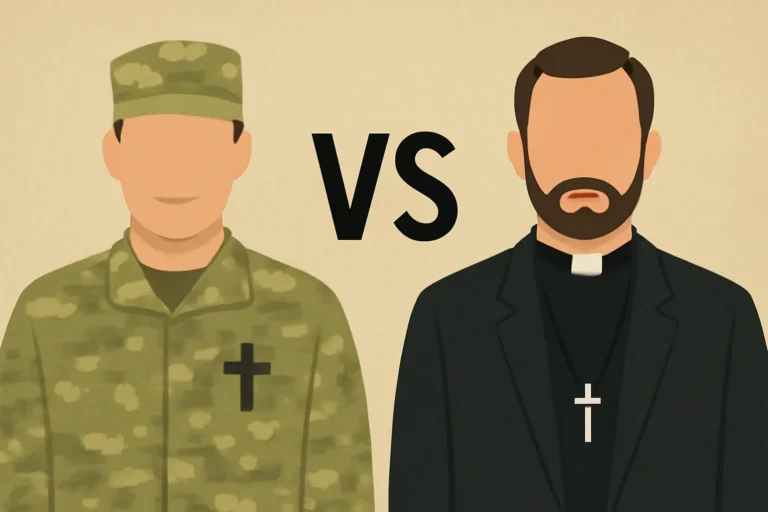
A chaplain is a professional who provides spiritual care, pastoral support, and ethical guidance to people of diverse faiths and beliefs across a wide range of settings. The core mission is to accompany individuals and communities through times of illness, crisis, transition, and loss, offering a respectful, compassionate presence that honors each person’s beliefs and values. While the word “chaplain” appears in many institutional contexts—hospitals, military settings, universities, prisons, and corporate environments—the underlying purpose remains consistent: to support human flourishing by addressing spiritual, existential, and emotional needs as part of holistic care.
The duties of a chaplain are multifaceted and often require collaboration with physicians, nurses, social workers, spiritual leaders from other traditions, psychologists, and administrative staff. Practically, chaplains blend clinical sensitivity, interfaith literacy, and cultural humility to respond to difficult moments with steadiness, discretion, and respect. This article outlines the typical chaplain job description—covering duties, responsibilities, and qualifications—while also recognizing that specific roles may adapt to local policies, organizational missions, and the unique communities served.
Key Duties and Responsibilities
The following list captures common responsibilities across settings, with notes on how duties may vary by context. Organizations may tailor these items to align with their mission, patient or client population, and regulatory requirements.
Provide direct spiritual and emotional care to patients, residents, students, service members, employees, and families through listening, presence, and supportive dialogue.
Courtship of trust and building rapport with individuals from diverse religious, spiritual, and secular backgrounds to ensure inclusive care.
Conduct or participate in religious rituals and sacraments when requested and appropriate, including prayer, blessing, anointing, rites of passage, memorial services, and end-of-life practices, coordinating with other spiritual care providers as needed.
Offer crisis intervention during acute events, such as medical emergencies, grief surges, trauma, and ethical dilemmas, applying evidence-based communication and debriefing techniques.
Provide counseling and existential support to address questions of meaning, purpose, moral distress, and life transition, often using brief therapy approaches and reflective listening.
Collaborate with care teams to integrate spiritual care into care plans, patient rounds, case conferences, and discharge planning, ensuring alignment with medical and psychosocial goals.
Advise on ethical and culturally informed decision-making, offering perspectives rooted in compassion, respect for autonomy, and sensitivity to cultural values.
Maintain thorough documentation of encounters, care plans, and outcomes in appropriate systems, ensuring privacy and compliance with relevant laws and policies.
Lead or participate in spiritual care rounds, multidisciplinary rounds, and in-service trainings to raise awareness about spiritual distress and coping resources.
Manage or coordinate chaplaincy services by scheduling visits, responding to after-hours needs, and maintaining staffing coverage for on-call duties.
Educate staff and volunteers about recognizing spiritual distress, communicating with patients who have differing beliefs, and providing culturally respectful care.
Engage in community outreach and partnerships with faith communities, cultural organizations, and volunteer groups to strengthen support networks for clients and patients.
Support end-of-life care and bereavement by guiding conversations about goals of care, comfort measures, memorial services, and post-loss healing resources for families and staff.
Respect confidentiality and professional boundaries, while recognizing the limits of confidentiality in safety-critical situations and mandated reporting where applicable.
A chaplain’s preparation combines formal theological study with practical clinical experience. Employers seek candidates who demonstrate solid knowledge, spiritual maturity, and readiness for complex interpersonal work.
Academic degrees: Most chaplains hold a Master of Divinity (MDiv) or a Master of Arts in Theology or Religious Studies; some roles may accept a Master of Theological Studies (MTS) or equivalent, depending on the setting and credentialing requirements.
Clinical Pastoral Education (CPE): This is a cornerstone of professional preparation in many countries, providing supervised, hands-on pastoral education in clinical settings. CPE fosters reflective practice, teamwork, and real-world problem solving in patient-centered care.
Supervised chaplaincy residency or internship programs
Spiritual care certification from recognized bodies (where available), such as boards or associations that certify chaplains in healthcare, military, or community settings.
Interfaith and cross-cultural training to work effectively with people from diverse faith traditions, secular belief systems, and cultural backgrounds.
Continuing education to stay current with best practices in pastoral care, ethics, trauma-informed care, and patient rights.
Legal and ethical literacy to understand patient confidentiality, consent, religious liberty, and institutional policies that govern spiritual care.
In practice, a strong candidate will present a combination of rigorous academic study and demonstrated clinical competence. Some settings emphasize broader interfaith competencies, while others prioritize a specific religious tradition. Regardless of track, ongoing professional development is essential for maintaining credibility and effectiveness.
Experience, Skills, and Core Competencies
Beyond formal education, the most effective chaplains cultivate a suite of competencies that enable compassionate and proficient service delivery.
Active listening and empathic communication to understand concerns, hopes, fears, and values.
Cross-cultural competence and religious literacy to engage respectfully with people from different traditions and belief systems.
Interpersonal diplomacy to navigate group dynamics, family conflicts, and disagreements among care teams.
Ethical discernment and moral reasoning when confronted with moral distress, competing priorities, or patient autonomy issues.
Boundary management and self-awareness to prevent burnout and maintain professional integrity.
Problem-solving and crisis intervention to respond calmly to emergencies, grief, and acute suffering.
Collaborative teamwork with physicians, nurses, social workers, pastors or imams from other traditions, and administrators.
Documentation and record-keeping that meets professional standards and privacy requirements.
Public speaking and worship leadership for ceremonies, services, memorials, or prayer vigils when appropriate.
Advocacy and community engagement to connect clients with resources and to raise awareness of spiritual care needs within organizations.
Note that the exact mix of skills may differ by role. For example, a hospital chaplain often emphasizes clinical collaboration and crisis support, whereas a university chaplain may prioritize student development, campus programming, and interfaith engagement.
Work Settings and Specializations
Chaplaincy is practiced in a range of environments. Each setting shapes the expectations, daily routines, and scope of responsibilities. The following subsections outline common specializations and how they impact a chaplain’s job description.
Hospital and Healthcare Chaplaincy
In medical settings, chaplains provide timely spiritual care to patients and families facing illness, injury, and hospitalization. Roles include participating in rounds, comforting families during critical moments, and supporting staff coping with stress. Common tasks include advance care planning conversations, contact with palliative care teams, bereavement follow-up, and grief counseling.
Military and Veteran Affairs Chaplaincy
Military chaplains operate within the armed forces or veterans’ organizations, offering spiritual resilience, ethical guidance, and rites of service. They often provide consolation and morale support to service members and their families, conduct religious services in diverse settings, and navigate issues related to deployment, trauma, and transition to civilian life.
Campus chaplains serve students, faculty, and staff through interfaith programming, counseling services, and religious accommodations. They may lead campus worship, coordinate student faith groups, provide crisis support, and partner with student affairs to foster inclusive communities.
Prison and Community Corrections Chaplaincy
In correctional settings, chaplains address spiritual well-being, rehabilitative support, and humane care for incarcerated individuals. They may collaborate with probation, parole, and social services to facilitate programs that aid reintegration and moral development while maintaining security requirements.
Hospice and End-of-Life Care Chaplaincy
End-of-life chaplains focus on meaning-centered conversations, bereavement planning, and sensory or ritual support that honors dying clients and their families. They work closely with palliative care teams to ensure comfort, dignity, and spiritual peace during transition.
Corporate and Industrial Chaplaincy
In business or industrial environments, chaplains provide employee support services, crisis counseling, and programs that advance well-being, ethics, and workplace inclusion. They may coordinate with human resources and safety departments to address morale, burnout, and moral distress among staff.
Community and Faith-Based Chaplaincy
In non-profit or faith-based organizations, chaplains offer outreach, interfaith dialogue, and community resilience programs. They often serve as liaisons between faith communities, social service providers, and the broader public, promoting social cohesion and healing after crises.
Qualities of an Effective Chaplain
Beyond technical competencies, certain personal attributes distinguish skilled chaplains. These qualities enable authentic presence and effective care across contexts.
Compassionate presence and a steady, nonjudgmental demeanor.
Humility and curiosity when engaging with diverse beliefs and practices.
Flexibility and adaptability to respond to shifting needs and emergencies.
Integrity and discretion to protect confidentiality and maintain trust.
Cultural humility and ongoing self-reflection about biases.
Spiritual resilience to sustain energy and empathy during demanding work cycles.
Collaboration mindset and willingness to work within multidisciplinary teams.
Ethical, Legal, and Professional Standards
Chaplaincy operates within a framework of ethics and law designed to protect patients, clients, and professionals. Adherence to these standards is essential for safe, respectful practice.
Confidentiality and privacy, including adherence to applicable laws (such as HIPAA in the United States) and organizational policies.
Informed consent for spiritual care and respectful engagement with patient or client autonomy.
Boundaries and professional conduct to prevent dual relationships that could impair judgment.
Non-discrimination and equity in providing care regardless of race, gender, religion, or background.
Safeguarding and mandated reporting as required by law and policy when safety concerns arise.
Ethical decision-making frameworks to support morally complex situations, including end-of-life and organ donation discussions.
Supervision and accountability through mentorship, peer review, and formal performance evaluations.
Career Path, Advancement, and Employers
Opportunities for progression in chaplaincy often involve expanding leadership responsibility, broader programmatic impact, and specialization. Employers typically include healthcare systems, military branches, universities, corrections agencies, faith-based organizations, and community service providers.
Entry roles such as chaplain resident, pastoral care associate, or student chaplain, designed to gain supervised experience.
Mid-career opportunities include senior chaplain, department supervisor, or program coordinator, with oversight of clinical teams and service design.
Leadership tracks may lead to roles like Chief Chaplain, Director of Spiritual Care, or Head of Pastoral Services, encompassing strategic planning, policy development, and budget management.
Specialist tracks might focus on trauma-informed care, palliative care, bereavement, interfaith education, or somatic/spiritual integration in healing.
Credentialing and certification can support advancement by signaling expertise to employers and ensuring consistent standards of practice.
Career growth is often shaped by ongoing education, demonstrated impact on patient and staff wellbeing, and a proven ability to collaborate across disciplines while preserving the dignity and autonomy of those served.
Assessment, Documentation, and Quality Improvement
Healthcare and community organizations value measurable outcomes and transparent processes. Chaplains contribute to quality improvement through documentation, program evaluation, and evidence-based practices.
Encounter documentation that records spiritual assessments, interventions, patient goals, and outcomes.
Care planning integration by aligning spiritual care with medical and psychosocial plans.
Quality indicators such as patient/family satisfaction, reductions in anxiety or distress, and staff perceived support.
Outcome measurement through validated tools, feedback loops, and case audits to inform service design.
Risk management and safety by recognizing potential conflicts, safeguarding issues, and ethical concerns early.
Diversity, Inclusion, and Interfaith Work
A central strength of the chaplain profession is its commitment to diversity and inclusion. Chaplains work with people across a spectrum of faiths, spiritual practices, and secular worldviews, demanding ongoing learning and adaptive communication styles.
Interfaith competencies to honor multiple traditions and facilitate respectful dialogue.
Religious literacy to understand major believers’ practices, dietary laws, rituals, and sacred times.
Advocacy for patient choice and respect for spiritual preferences in settings with diverse populations.
Inclusive programming that welcomes non-religious identities, seasonal and cultural observances, and community rituals.
Common Challenges and Rewards in Chaplaincy
Working as a chaplain can be deeply fulfilling yet demanding. Understanding both the challenges and rewards helps prospective professionals prepare for the realities of the role.
Challenges may include emotional fatigue, exposure to severe illness and grief, high-stakes decision-making, and navigating complex family dynamics.
Rewards include witnessing moments of meaning, easing suffering, supporting staff during crises, and contributing to holistic care that honors human dignity.
Self-care and supervision are essential to sustain long-term effectiveness, including reflective practice, peer consultation, and access to clinical supervision.
Frequently Asked Questions
To help readers understand practical aspects of chaplain work, here are answers to common questions about the role, training, and day-to-day duties.
Do chaplains have to be ordained? Not always. Some chaplaincy settings require ordination within a specific faith tradition, while others accept non-ordained candidates with appropriate theological education and CPE experience.
What is CPE and why is it important? Clinical Pastoral Education is a supervised, hands-on training component essential for developing clinical skills in pastoral care and integrating spiritual care into healthcare teams.
How do chaplains document their work? Most organizations use electronic health records or case management systems to document assessments, interventions, goals, and outcomes, while maintaining confidentiality.
What certifications are common? Certification may come from professional associations (e.g., healthcare chaplaincy boards, military chaplaincy programs, or interfaith organizations). Requirements vary by country and sector.
What distinguishes hospital chaplains from campus chaplains? Hospital chaplains focus on medical contexts, patient comfort, and family support; campus chaplains focus on student development, community building, and campus-life programming, with attention to interfaith engagement.
Closing Thoughts: The Value of Chaplaincy in Modern Institutions
The chaplain job description is not limited to ritual leadership; it encompasses a broad set of professional responsibilities designed to meet people where they are, honoring their healing journeys, and facilitating resilience in the face of hardship. Effective chaplains bridge the gap between spiritual life and everyday care, acting as advocates for dignity, supporters of family and staff, and partners in care who remind institutional systems of the humanity at the heart of every patient, student, service member, or employee. By combining academic knowledge, clinical practice, and deep relational skills, chaplains contribute to healthier organizations and more compassionate communities.