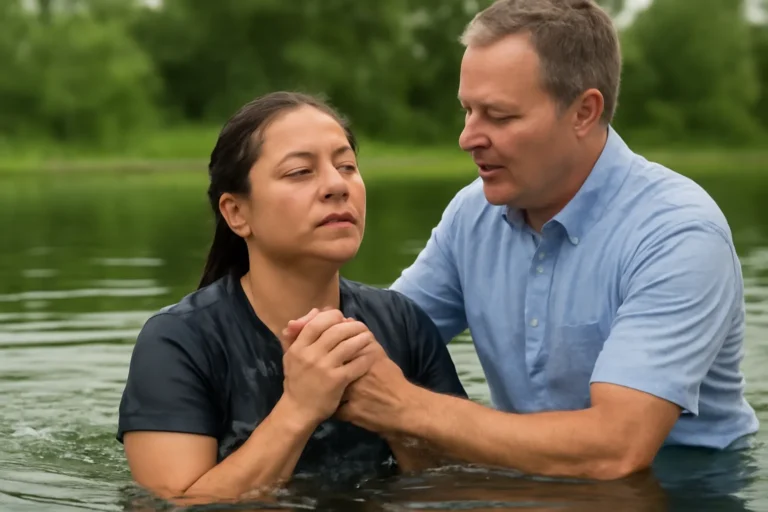
Baptismal Regeneration Debate: Key Arguments and History
The topic of baptismal regeneration has loomed large in Christian theology for centuries, shaping how different Christian communities understand the relationship between the sacrament, faith, and salvation. This article surveys the major strands of the baptismal-regeneration debate, traces its historical development, surveys the key scriptural and doctrinal arguments, and considers how these positions have influenced practice, pastoral care, and ecumenical dialogue. While many traditions affirm that baptism is deeply tied to grace, the precise mechanism, timing, and necessity of the regeneration attributed to baptism have been, and remain, vigorously debated. Throughout, the aim is to illuminate the spectrum of views, the reasons they have persisted, and the practical implications for church life.
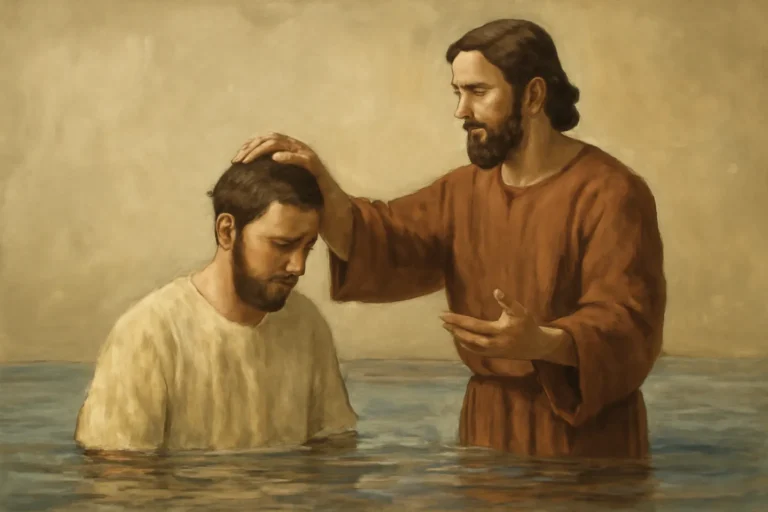
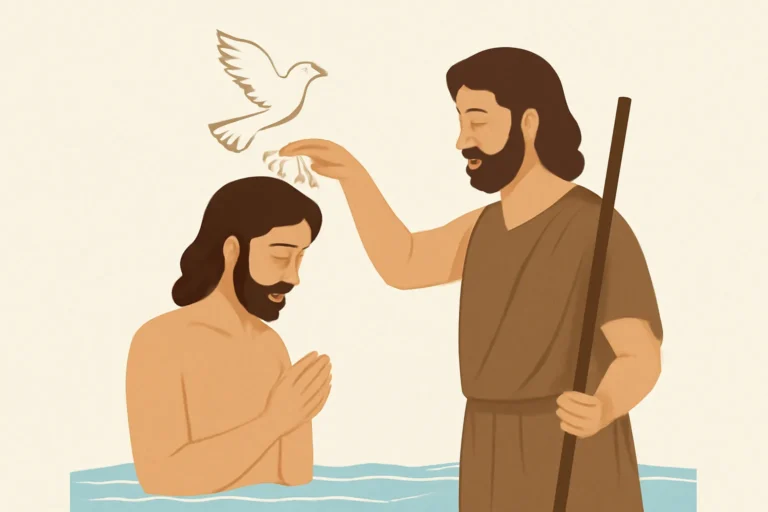
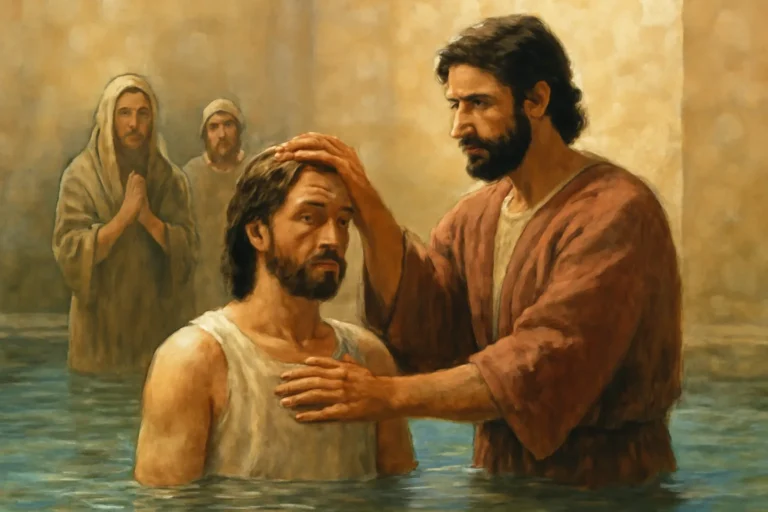
Before entering the thick of arguments, it is helpful to distinguish several related terms that often appear in the debate. Baptism refers to the Christian rite involving water, naming, and an initiatory, confessional act. Regeneration (in this context) denotes the theological claim that a person is made new, transformed, or inherently granted a new life by grace through baptism. When people speak of the baptismal-regeneration debate, they are often weighing whether this regeneration is a direct, automatic effect of the sacrament or whether it is inseparably linked to faith, repentance, and the work of the Holy Spirit in response to grace.
The earliest centuries of Christianity treated baptism as a defining rite of entry into the church and as a sign of cleansing from sin. Over time, patristic teachers like Aquinas and Augustine helped articulate how baptism relates to salvation, sin, and the life of faith. By the middle ages, the sacramental system of the Latin church emphasized the efficacy of baptism as a conduit of grace. In the Reformation era, reformers questioned whether baptism itself regenerates in and of itself or whether it works strictly through the instrument of faith. This moment of tension gave rise to enduring differences that are still visible in contemporary debates about baptism, grace, and salvation.
The major theological camps and positions
The Catholic and Eastern Orthodox understanding
In the baptismal-regeneration framework endorsed by the Roman Catholic and Eastern Orthodox traditions, baptism is a means of grace that itself conveys spiritual effects. The baptismal act is viewed as more than a memorial; it is a real communication of divine life. Key features include:
Regeneration and cleansing are considered to occur in baptism, particularly with infants where a reception of grace is not contingent on personal prior faith but on the sacramental action of God through the church.
The remission of original sin and the incorporation into the body of Christ are often presented as foundational outcomes of baptism.
The sacrament is efficacious ex opere operato, meaning that its grace is dispensed by the action of the rite itself, though some theologians emphasize the harmony of divine grace with the respondent’s faith or desire.
In this view, the emphasis is less on baptism as a purely symbolic sign and more on baptism as a real, salvific operation. The debate within catholic sacramental theology centers on clarifying the extent to which regeneration is automatic versus dependent on accompanying faith or the broader life of discipleship.
The Reformed, Lutheran, and many Protestant perspectives
In the baptism-aligned reformational frameworks of groups such as Lutherans, Reformed churches, and many Anglican bodies, baptism remains a crucial and grace-filled rite, but the interpretation of its effect differs. The common threads include a strong emphasis on the following:
Baptism as a sign and seal of God’s promises, visible incorporation into the church, and the initiation into the life of faith.
The necessity of faith expressed or anticipated in the baptismal moment, and the belief that baptism does not guarantee regeneration apart from faith and trust in Christ.
The distinction between the external sign and the internal grace that the Spirit works in a person’s heart, sometimes summarized as the distinction between sacramental effectiveness and personal appropriation of grace through faith.
A frequent way to describe the difference from the Catholic view is to say that baptism is not automatic regeneration but still a powerful conduit of divine blessing. The precise balance among the baptismal rite’s efficacy, personal response, and the grace of the Spirit varies among Lutheran and Reformed theologians, leading to a spectrum rather than a single uniform stance.
Anglican and some Lutheran nuance
In many Anglican and some Lutheran contexts, the language of the baptismal-regeneration debate centers on the “via media” approach: baptism is integral to salvation history and the church’s life, but the internal transformation may be tied to faith, the Holy Spirit’s work, and ongoing discipleship. The Anglican tradition often emphasizes both the efficacy of the sacrament and the necessity of ongoing faith, sometimes phrased as the “regeneration through baptism and faith” approach.
Anabaptist, Baptist, and evangelical perspectives
In the baptismal regeneration debate within Anabaptist and many Baptist circles, the dominant claim is that baptism itself does not regenerate; rather, it serves as a confession of faith, a sign of repentance, and a symbol of cleansing and new life that accompanies personal trust in Christ. For these communities, the order of salvation is often emphasized as faith precedes baptism, with baptism serving as an ordinance rather than a sacrament that conveys grace automatically.
Nevertheless, some evangelical and Pentecostal traditions affirm a stronger sense that baptism is closely tied to conversion and obedience, while they may still insist that true regeneration ultimately rests in the personal encounter with the Holy Spirit and the conversion of the heart, rather than in the act of water itself.
Scriptural arguments in the baptismal-regeneration dialogue
A central dimension of the baptismal-regeneration discussion is how various passages of Scripture are interpreted. Both sides appeal to biblical texts that describe baptism, salvation, and new birth, but they emphasize different meanings and contexts.
Texts used by proponents of regeneration through baptism
John 3:5 (“Unless one is born of water and the Spirit, he cannot enter the kingdom of God”) is cited as a foundational text by many who argue that water baptism participates in the regeneration process, especially when paired with the Spirit’s work.
Mark 16:16 (“Whoever believes and is baptized will be saved”) is often presented to show a link between belief, baptism, and salvation, though interpreters disagree on the precise logic and temporal sequence.
Acts 2:38 (“Repent and be baptized for the forgiveness of sins”) is used to illustrate baptism’s role in the reception of grace and forgiveness in the post-Pentecost church.
Galatians 3:27 (“as many of you as were baptized into Christ have put on Christ”) is cited as a way to connect baptism with the believer’s incorporation into Christ and his saving work.
Romans 6:3-4 (baptism as participation in Christ’s death and resurrection) is interpreted to mean a transformative effect of baptism in the life of the believer.
1 Peter 3:21 (baptism, which corresponds to this, now saves you—not as a removal of dirt from the body, but as an appeal to God for a good conscience) is cited to emphasize the theological nuance that the water itself is not magical but linked to divine action and conscience.
Colossians 2:12 (buried with him in baptism, raised through faith) is read as showing baptism’s connection to inner faith and spiritual renewal.
Texts used by critics or those advocating caution about regeneration through baptism
Romans 2:28-29 and related passages emphasize inward circumcision of the heart, suggesting that external rites alone do not guarantee salvation without inner faith.
Ephesians 2:8-9 emphasizes grace through faith, which critics note can support the priority of faith over ritual action in salvation, while still allowing baptism to function as a sign of grace.
Titus 3:5 speaks of salvation not by works but by the washing of renewal and the renewing of the Spirit, which some interpret as underscoring the Spirit’s primacy and baptism as a sign rather than an automatic cause of regeneration.
The strength of this scriptural dialogue lies in the diversity of hermeneutical approaches. Supporters of regeneration through baptism often see baptism as a divinely ordained means by which grace is conferred, while critics argue that regeneration is a work of the Spirit in response to faith, and baptism is a responsive step within that process.
Historical development and key figures in the debate
Early church and patristic foundations
In the early centuries, baptism was primarily understood as the primary rite of initiation, with expectations of cleansing from sin and new life. The early church Fathers spoke of baptism as a transformation that includes forgiveness, birth into the new life, and incorporation into the church. The precise mechanism—whether grace is conferred automatically through the rite or conditioned on faith—was not always sharply distinguished. The broad consensus, however, was that baptism is closely connected to the saving work of God through Christ and the Spirit.
As theological language matured, theologians such as Aquinas developed a robust sacramental framework in which the exterior act of baptism bears a real, efficacious effect on the soul. The Reformers challenged this language by asking whether the rite itself regenerates or whether regeneration remains the work of God’s Spirit received by faith. Figures like Martin Luther and John Calvin offered nuanced positions: baptism as a meaningful sign of grace and public confession, with regeneration tied to faith and God’s promises rather than to the rite in isolation.
Reformation divergences and the Anabaptist challenge
The Anabaptist and early Baptist movements insisted on believer’s baptism as a voluntary response to the gospel, arguing that regeneration is not conferred by the water but through personal faith in Christ. This stance prompted a sustained debate about the nature of sacraments or ordinances and whether baptism can be both an outward sign and a means of grace at once. The resulting divergence shaped centuries of church practice, from infant baptists to congregationalists.
In the modern era, many churches have sought to articulate positions that preserve historical fidelity while addressing pastoral concerns. Some theologians emphasize a robust sacramental theology that sees baptism as a true initiation into the divine life, while others emphasize the pedagogical and symbolic dimensions of baptism, highlighting faith, repentance, and discipleship as essential for reception of grace. The trajectory reflects a broader ecumenical question: how to hold together the beauty of church ritual with the diverse ways God works in individuals’ lives.
Arguments assessment: coherence, context, and practical impact
The baptismal-regeneration debate is not merely a theoretical dispute; it has practical consequences for preaching, catechesis, infant versus adult baptism, and pastoral care. Here are some cross-cutting themes.
Cohesion of grace and faith: Many traditions argue that grace is universally given, but human reception of that grace in baptism is linked to or completed by faith. The question, then, is how the sacrament and faith interact in the saving process.
Role of baptism in salvation: Is baptism indispensable for salvation as a salvific necessity, or is it a crucial sign without which some may still be saved by Christ? Different traditions answer this differently, with significant pastoral implications for infant baptism, infant faith, and adult conversion experiences.
Original sin and incorporation: The notion that baptism removes original sin and incorporates a person into Christ’s body has historically been a central claim in many traditions, but how this occurs—the mechanics of regeneration—remains debated.
Faith’s necessity and public confession: Some communities emphasize baptism’s role as public confession and obedience, while others emphasize its transformative effect as a means of grace that explicitly changes the person’s status before God.
Pastoral sensitivity: For churches that practice infant baptism, the debate informs catechesis, the expectations placed on godparents, and the ongoing nurture of faith within families and communities.
A nuanced view often appears as a synthesis: baptism is a means of grace that God uses to incorporate believers into the life of Christ, while the full regeneration of the heart is also the fruit of the Spirit’s work in response to faith. In this sense, the debate remains relevant to contemporary theology and pastoral practice, as congregations seek to honor the integrity of the rite while affirming the central importance of personal faith and transformation.
Implications for worship, catechesis, and ecumenical dialogue
Across Christian traditions, the way the baptismal question is framed shapes how churches teach about sin, grace, and salvation. The following are representative implications that emerge from the different positions in the baptismal-regeneration debate:
Worship and liturgical pacing: Communities that emphasize regeneration through baptism may place stronger liturgical emphasis on the moment of baptism as a saving event, while those who emphasize faith-first models may frame baptism as a rite of initiation that reveals faith already present in the believer.
Catechesis and baptismal preparation: The preparation process often differs; if baptism is regenerative, education focuses on understanding the sacrament’s efficacy; if baptism signals faith, education emphasizes personal faith formation and repentance.
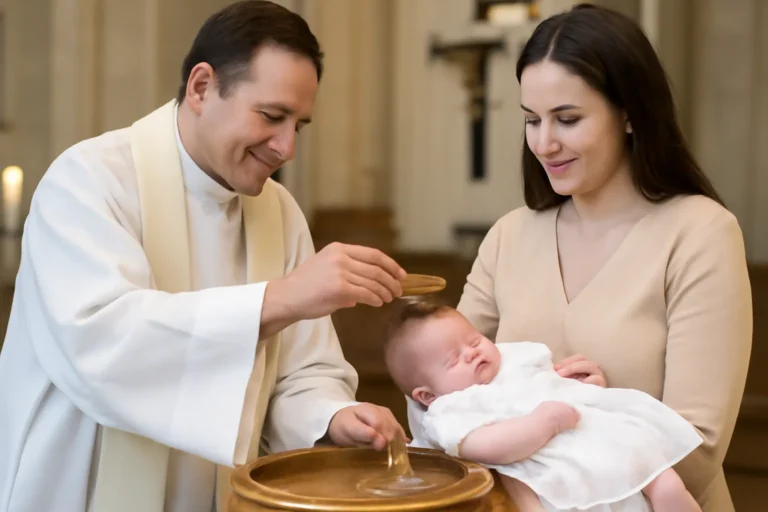
Infant baptism policy: Debates about infant baptism often involve questions of regeneration and timing. Some traditions hold that infants receive grace through baptism even before explicit faith, while others insist that infant faith must be anticipated by the infant community and later confessed by the baptized person.
Pastoral care: How pastors explain baptism to families and new members can reflect a tradition’s stance on regeneration. Clarity about grace, faith, and ongoing sanctification helps avoid confusion about the permanence or sufficiency of the rite.
Ecumenical dialogue: The persistence of differing convictions about baptism invites careful dialogue. By listening to opposing interpretations, communities can identify shared convictions—such as the central importance of baptism for Christian identity—while acknowledging differences about the theological mechanism of salvation.
In recent decades, scholars and theologians have continued to revisit the baptismal-regeneration question in light of biblical studies, historical theology, and pastoral needs. Several trends are notable:
A move toward multidimensional sacraments: Some theologians propose that baptism functions in a multi-layered way—as a sign, seal, and instrument of grace—without reducing its significance to a single effect. This approach allows for a robust sense of grace while acknowledging the autonomy of the believer’s response.
Greater attention to the Spirit’s work: Contemporary exegesis often emphasizes the Holy Spirit’s role in regeneration beyond the visible rite, arguing that baptism participates in a larger narrative of grace that culminates in personal conversion and ongoing sanctification.
The rise of baptismal pedagogy that foregrounds catechesis and discipleship: Churches increasingly connect baptism to lifelong formation, social responsibility, and mission, making the rite part of a broader conversion process rather than a single event.
Interdenominational dialogue about believer’s baptism and infant baptism: As ecumenical collaboration grows, dialog partners recognize that both practices reflect deep commitments to the gospel, while remaining divided on the precise mechanism tying baptism to regeneration.
Key questions that continue to drive the conversation
Is regeneration primarily a divine act that baptism communicates, or is regeneration primarily the work of the Spirit in response to personal faith, with baptism serving as a public sign?
To what extent should baptism be required for salvation, and how should churches respond to cases of faith without baptism or baptism without personal faith?
What is the most faithful way to counsel infants, children, and adults who are preparing for baptism in communities with diverse doctrinal emphases?
How can the church maintain a coherent view of grace that is both sacramental and Spirit-driven without lapsing into legalism or antinomianism?
Conclusion and ongoing work
The baptismal-regeneration debate is not simply an antiquarian dispute; it remains a living dialogue that shapes how Christians understand grace, faith, and the holy mystery of the church. Across traditions, the core consensus is that baptism is a central, defining practice within the Christian life. Yet there is legitimate variation regarding how baptism relates to regeneration, how much weight is given to the rite itself, and how the Spirit works through faith and formation to produce a life of obedience and holiness. By engaging the historical arguments, examining the biblical texts with careful exegesis, and listening to pastoral needs in diverse communities, churches can articulate a coherent theology that honors both the sacred gift of baptism and the transformative power of God’s grace in the believer’s life.
If you are exploring this topic for study, preaching, or personal reflection, consider using the following guiding ideas: baptism is a profound gift through which God communicates grace; the spirit-led transformation that follows is essential; and the church’s life around baptism—catechesis, pastoral care, and liturgical practice—should aim to nurture faithful disciples who live out the gospel in everyday life. The enduring question—how exactly baptism relates to regeneration—invites humility, scholarly honesty, and pastoral sensitivity as Christians seek to be faithful to Scripture, to the historic witness of the church, and to the Spirit’s ongoing work in the world.