Church Planting: A Practical Guide to Starting and Growing Your Congregation
Embarking on the journey of church planting is both a noble calling and a demanding undertaking. It requires a clear sense of mission, practical leadership, and a sustainable model that can endure the changing rhythms of a community. This guide aims to equip pastors, ministry teams, and lay leaders with actionable steps, tested principles, and thoughtful considerations for launching and growing a healthy congregation. Throughout, you will encounter variations of the theme—church-starting, seed church development, planting new churches, and reproducing congregations—to reflect the breadth of practice in this field. By weaving together strategy, discipleship, and stewardship, you can increase the likelihood that your plant will thrive and multiply in a way that honors God and serves people.
Every successful church-planting effort rests on a few enduring convictions. These principles shape decisions about culture, programs, and partnerships. The sections that follow unpack these convictions into concrete steps you can adapt to your context.
Relationship with God and gospel clarity
The most enduring churches grow out of a robust spiritual core. A gospel-centered mindset keeps the mission focused on Jesus, repentance, faith, and transformation. Create space for prayer, Bible study, and worship from the outset, so that the life of the plant remains anchored in a living relationship with Christ.
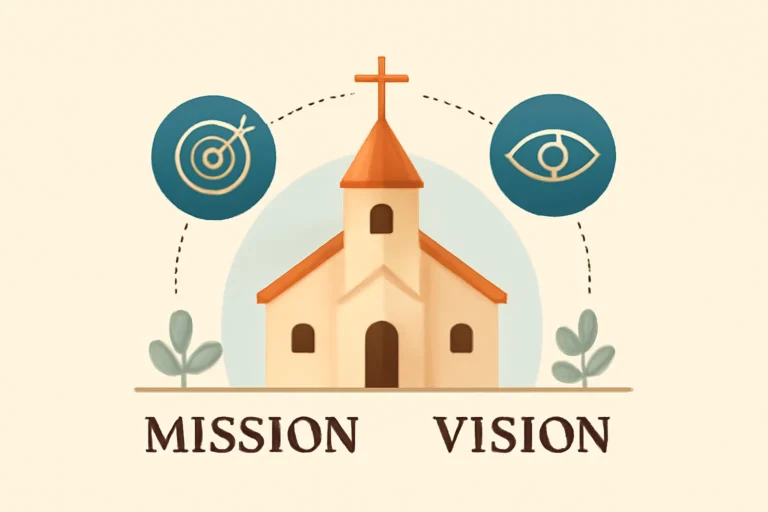
Clear vision and mission
A vision statement is not a slogan; it is a compass. It should articulate who you are reaching, what you are hoping to see, and how you will measure progress. This vision informs the launch plan, the weekly rhythm, and the decisions about resources and risk.
Missional alignment
Think of the plant as a movement-friendly entity rather than a single event. Align the plant with a larger missional pipeline—connections with established churches, parachurch partners, and community organizations that can accelerate impact. A broad but coherent mission ecosystem reduces duplication and expands reach.
Sustainable leadership
Healthy growth emerges when leadership is scalable. Build a pipeline of potential leaders, invest in their development, and design governance structures that can weather transitions. Think in terms of leadership development and disciple-making as ongoing processes rather than one-time programs.
Contextual relevance
A successful new congregation respects its neighborhood’s culture, language, and needs while maintaining the core message. This balance—between fidelity and flexibility—helps a plant gain credibility and attract diverse participants.
Foundational steps: prayer, research, and partnerships
Before any concrete launch plan, practical groundwork pays enormous dividends. The early phase should combine spiritual direction with data gathering and relationship building.
Prayer and discernment
Begin with a season of focused prayer, seeking alignment with God’s call and confirmation from trusted mentors. A prayerful startup posture helps the team stay humble, dependent, and adaptable.
Neighborhood scan and demographic understanding
Conduct a thorough community assessment to identify demographics, unmet needs, and potential partnerships. Consider factors such as age distribution, housing patterns, socioeconomic status, language groups, and existing religious institutions. The goal is not to replicate a model from elsewhere but to respond to a particular context with sensitivity and relevance.
Map the neighborhood and traffic patterns to determine feasible meeting places.
Identify key community assets and stakeholders (schools, clinics, non-profits, civic groups).
Understand barriers to church involvement (work schedules, transportation, trust issues).
Partnerships and launch networks
Strong partnerships accelerate momentum. Seek alignment with converted churches, denominational networks, and local leaders who share your values. Partnerships should be structured with clear expectations, shared accountability, and mutual benefit.
Establish a formal planting partnership with a sustaining church or mission organization.
Engage mentors or coaches who can provide accountability and wisdom.
Agree on a launch team that represents a variety of gifts and perspectives.
Designing the launch plan: location, strategy, and the first year
A thoughtful launch plan translates vision into tangible actions. The plan should cover a timeline, a geography-centered strategy, a worship and discipleship rhythm, and concrete metrics.
The decision about where and how to gather determines accessibility, perceived legitimacy, and long-term viability. Evaluate options such as:
Renting a facility in a high-traffic area with good visibility.
Hosting informal gatherings in homes or community centers to build intimacy and trust.
Partnering with existing organizations that provide space and legitimacy.
Each choice has trade-offs between cost, reach, and cultural resonance. In a new church effort, you may experiment with multiple venues during the first year while keeping the core mission intact.
Worship, teaching, and discipleship rhythm
A healthy plant establishes a cadence that is both welcoming to newcomers and challenging for growth in maturity. A typical first-year rhythm might include:
Weekly gathering with engaging worship, biblical teaching, and accessible language.
Regular discipleship pathways that guide new believers into deeper faith and service.
Small groups, missional community evenings, and service projects to foster belonging and practical faith.
Be intentional about avoiding information overload. The aim is to help people move from familiarity to belonging and from belonging to actively participating.
Launch team and staffing plan
Assemble a launch team that blends gifting across leadership, administration, outreach, and care. Outline a staffing plan for the first 12–24 months, recognizing that a church plant often relies heavily on volunteers and shared leadership.
Roles such as pastor/leader, worship facilitator, kids/youth director, small-group shepherds, and hospitality team.
Clear expectations, onboarding processes, and ongoing training.
Contingency plans for illness, vacation, and leadership transitions.
Building the organism: governance, finances, and accountability
Beyond vision, a church plant must establish robust systems that support growth without sacrificing flexibility. Governance, financial stewardship, and accountability form the backbone of a durable ministry.
Governance and accountability structures
Define a governance framework early. Depending on your context, this may include a board or a council, with documented policies for decision-making, conflict resolution, and spiritual oversight. Ensure that governance is transparent, biblical, and accountable to the mission and the community served.
Conflict-of-interest policies and ethical guidelines.
Clear lines of communication between the leadership and the launch team.
Regular reviews of mission alignment and program effectiveness.
Financial stewardship and fundraising
Financial health is essential for continuity. Develop a realistic budget for the first 18–24 months, including expenses for space, equipment, ministries, and staff, plus a reserve fund for contingencies. Build a diversified funding strategy that may include:
Grants or seed funding from partner organizations.
Regular giving from a growing congregation.
One-time gifts or special campaigns tied to specific ministry goals.
Transparency in reporting and accountability measures for spending build trust and encourage generosity. Consider publishing annual financial summaries and regular updates to partners and stakeholders.
Volunteer management and culture
Planting a church usually relies on volunteers to multiply impact. Create a volunteer pipeline with clear on-ramps for newcomers and ongoing opportunities for service. A healthy volunteer culture emphasizes:
Welcoming environments that reduce barriers to participation.
Meaningful roles aligned with gifts and interests.
Recognition, care, and spiritual formation for volunteers.
Discipleship and community transformation
At the heart of every church plant is the aim to form Christ-followers who live out their faith in daily life. This involves intentional discipleship, community service, and relational evangelism that is natural rather than coercive.
Discipleship pathways and multipliers
Design pathways that help people move from curiosity to commitment to leadership. Consider:
Intro to faith and basic Bible literacy sessions for newcomers.
Core discipleship programs that deepen knowledge of Scripture and practical application.
Leadership tracks that empower laypeople to lead teams and start new small groups.
Leverage small groups as the primary context for growing character, accountability, and mutual care. A multiplication mindset means training people to become tutors, mentors, and planters themselves.
Missional service and community impact
Church planting succeeds when the plant is seen as a neighbor who serves. Align ministry with real local needs through service projects, partnerships with nonprofits, and the creation of spaces for dialogue and healing. A service-first posture communicates care before confrontation and invites participation from diverse backgrounds.
Host community events that address practical needs (financial literacy, mental health seminars, family support).
Offer language-accessible programming if there are multilingual groups in the area.
Collaborate with local schools and civic organizations for ongoing engagement.
The opening weeks set the tone for future growth. A successful launch day is not the finish line but the beginning of a sustained pattern of hospitality, worship, and invitation.
Pre-launch readiness
In the months leading up to launch, focus on:
Finalizing the worship experience, including guest-friendly elements and clear gospel messaging.
Training volunteers and rehearsing the welcome, parking, and hospitality systems.
Building a robust Welcome Team to ensure every newcomer receives a clear next step.
Launch day best practices
On the day itself, aim for a warm, organized, and spiritually meaningful gathering. Consider:
Clear signage and accessible information about the church’s mission and ministries.
A personal invitation tradition—encourage attendees to invite at least one friend or neighbor.
Easy next-step options—baptism, membership, small-group sign-ups, and volunteer opportunities.
After launch, maintain momentum through consistent communication, follow-up with visitors, and a strong focus on integrating newcomers into communities of faith and service.
Growth strategies: reproduction and scalable multiplication
One of the most compelling aspects of church planting is the potential for reproduction. A reproducing plant can seed additional church-planting movements within the same region or beyond. The following strategies emphasize scalability while preserving core values.
Developing an expansion model
As you gain traction, design a model that can be replicated. Elements of a scalable approach include:
Clear criteria for plant readiness, leadership, and support from the parent church or network.
Structured coaching and oversight to maintain quality across multiple plants.
Distinct but complementary identities so new congregations can serve different communities without turf wars.
Training and coaching cohorts
Offer ongoing training cohorts for new plant teams and satellite sites. A coaching culture helps sustain quality discipleship, ensures fidelity to the mission, and fosters mutual accountability.
Regional training days focused on practical topics (worship planning, small-group leadership, care ministry).
Peer learning communities where pastors share lessons from failures and successes.
Mentoring relationships between established pastors and new plant leaders.
Risk management, resilience, and long-term health
Every venture carries risk. A prudent plant includes risk assessment and resilience planning to weather uncertainty, leadership changes, and external pressures.
Identifying risks
Common challenges include:
Financial shortfalls during the early years.
Leadership vacancies due to burnout or relocation.
Community resistance or misunderstanding of the church’s role.
Overextension of volunteers and staff without sustainable systems.
Mitigation strategies
Mitigation involves diversification, process clarity, and ongoing evaluation. Key actions include:
Maintaining reserves and conservative budgeting to protect against revenue dips.
Cross-training team members so operations continue during absences.
Regular feedback loops with the congregation and community partners to adjust programs as needed.
Evaluation and continuous improvement
Implement metrics that reflect both inputs and outcomes. Examples include:
Attendance trends and newcomer retention rates.
Number of discipleship enrollments and small-group participation.
Volunteer engagement levels and leadership transitions.
Community impact indicators such as service hours or partnerships formed.
Use quarterly reviews to celebrate wins, diagnose weaknesses, and recalibrate goals. A learning organization mindset helps a church plant stay nimble and faithful over time.
Case studies and practical illustrations
While every context is unique, drawing from real-world examples can illuminate principles in action. The following brief profiles illustrate how different plants approached the same challenges with creativity and perseverance.
Case study: urban multi-site development
In a dense urban setting, a church plant began with a language-specific gathering while simultaneously piloting a traditional worship service. The strategy combined cultural relevance with scalability, allowing the plant to reach immigrant families while providing a path toward broader church life. Partnerships with local schools and businesses created a canopy of trust that facilitated outreach and service opportunities.
Case study: rural renewal and stewardship
A rural community faced population decline and aging infrastructure. The plant leaned into community stewardship, establishing a food pantry, after-school tutoring, and neighborhood events. By prioritizing neighbor-love over program breadth, the plant gained credibility and became a hub for local collaboration, eventually spawning a second plant in a neighboring village.
Case study: church-planting with a denomination network
A new church started within a supportive network that provided mission funding, coaching, and shared resources. The plant benefited from a built-in accountability structure and a framework for sustainable leadership development, which helped ensure continuity as volunteers transitioned to new roles and as the church grew.
Practical checklists for planters and launch teams
Building a successful plant requires concrete tasks organized in a way that teams can execute. The following checklists offer a practical way to track progress and stay on course.
Pre-launch checklist
Clarify mission, vision, and core values with the launch team.
Complete community assessment and identify two to three primary outreach targets.
Secure space or venues and establish a worship format.
Form a launch team with defined roles and onboarding plans.
Develop a simple, repeatable discipleship track for newcomers.
Set an initial budget, identify potential donors, and establish reporting norms.
First-year operational checklist
Launch with a welcoming culture and straightforward visitor pathways.
Implement a small-group system and begin leadership development pathways.
Establish volunteer pipelines for worship, care, and outreach.
Launch service days and community service initiatives to embed in the neighborhood.
Review metrics quarterly and adjust plans as needed.
Growth and reproduction checklist
Identify and train potential leaders for new plants or satellite sites.
Formalize a replication process, including governance, funding, and coaching.
Maintain quality control without stifling innovation.
Evaluate new plant launches for readiness and context.
Common questions and thoughtful answers
Planting a church invites a variety of questions from teams and communities. Here are concise, practical responses to several frequent inquiries.
How long does it take to establish a healthy new church? A typical trajectory ranges from 12 to 36 months to reach a stable rhythm, with maturity developing over several years. Status depends on leadership, partnerships, and community receptivity.
What if our plans don’t gain traction? Revisit the core assumptions—community needs, outreach strategies, and leadership sustainability. Use feedback, data, and prayer to pivot respectfully while maintaining core values.
Is it better to plant alone or with a partner church? Partnerships can provide mentorship, resources, and legitimacy, but require alignment around governance, mission, and culture. Choose a model that matches your context and safeguards gospel integrity.
How do we measure success beyond attendance? Track disciple-making outcomes, volunteer engagement, community impact, and leadership development. A multidimensional view gives a fuller picture of vitality.
Final reflections on growing a church and planting others
Church planting is a journey of faith, courage, and careful stewardship. The aim is to cultivate reproducing congregations that can sustain vibrant worship, deep discipleship, and compassionate service long after the initial team moves on. By marrying spiritual formation with practical systems, planting teams can build resilient organisms that adapt to local realities while maintaining a consistent core message. Remember that success is not merely about the number of attendees but about the transformation of lives and the creation of spaces where people encounter the love of Christ, belong to a friendly spiritual family, and discover a compelling purpose in mission.
As you navigate the path of planting churches, stay encouraged by progress, learn from setbacks, and celebrate seasons of growth. The work of starting and expanding a congregation is a collaborative endeavor—one that involves pastors, lay leaders, volunteers, partners, and neighbors. When done well, a church plant becomes a lasting gift to a community, a beacon of hope, and a blueprint for future church-starting ventures that multiply the gospel’s reach through courageous leadership and faithful service.