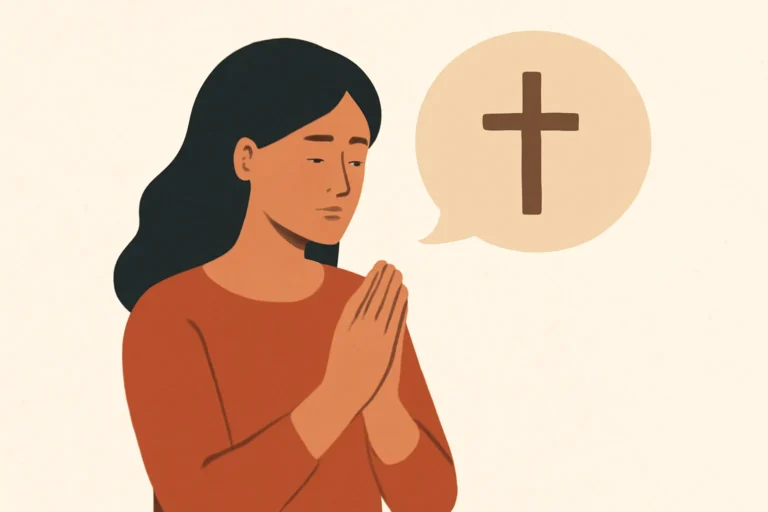
When considering how to start a prayer off, many people wonder if there is a universal formula that always works. The truth is, prayers begin in the heart, long before the words are spoken. The way you begin sets a tone for the entire moment: it shapes your focus, your posture, and your sense of connection to something larger than yourself. The starting points below are practical, flexible, and designed to help you find an approach that feels authentic to you. Think of this as a toolbox you can dip into, rather than a rigid script you must follow.
In this section you will find guidance on creating the right atmosphere, choosing language that fits your tradition or belief system, and using intentional opening phrases that help shift from daily busyness into contemplative space. Whether you are praying alone, with family, or in a group, beginning well often makes the rest of the prayer feel more natural.
What makes an effective start?
Clarity of purpose: know why you are praying in that moment (gratitude, guidance, comfort, intercession, or praise).
Breath and pace: a slow, deliberate pace helps you center yourself and invites listening.
Appropriate tone: consider your tradition and the setting, and let it guide your word choice—humble, reverent, hopeful, or intimate.
Honesty: begin where you truly are—whether you feel hopeful, uncertain, relieved, or burdened.
Quick tips for a calm opening
Pause for a breath or two to anchor your attention.
Silence distractions or let them fade into the background.
Use a short phrase that centers you before you speak a longer prayer.
Invite a sense of reverence or trust, even if you are praying on your own.
Opening with Gratitude: How to Start a Prayer Off with Thanks
Many people find that gratitude is a powerful doorway into prayer. A thankful posture softens the heart and helps you recognize blessings you might otherwise overlook. You can begin with a single word, a sentence, or a short observation about your day. The key is to name something real and specific rather than offering a generic compliment.
Expressing thanks for everyday blessings
When you start by acknowledging the ordinary, you invite a sense of abundance into your prayer. Consider phrases like “Thank you for the breath I take with each moment,” or “I am grateful for this quiet moment in my day.” These openings connect everyday experience to a larger sense of purpose.
Gratitude that deepens connection
Gratitude can also be content-specific: recognizing someone’s kindness, the comfort of a home, or the resilience of a friend. You might say, “Thank you for the support of those around me,” or “I am thankful for the opportunity to learn from my mistakes.” Such statements set a cooperative tone between the one praying and the divine or the universe as you understand it.
Examples of gratitude-based starters
“I begin by giving thanks for this day and for the chance to learn and grow.”
“Grateful for the simple gifts—the sun, the air, the chance to rest in your presence.”
“Thank you for the people in my life who remind me to be better.”
Adoration and Reverence: How to Start a Prayer Off in Praise
Opening a prayer with adoration places the focus on the divine’s character or the sacred nature of the relationship you are cultivating. This can be a powerful way to begin praying with reverence and to invite a sense of awe into your moment.
Depending on your tradition, you may call upon a name or attribute—God, Spirit, divine Wisdom, Creator, or Love. You can use a phrase that reflects who you are addressing, and then a brief statement about who you perceive them to be, such as “O Creator of all, you are the source of mercy and light.”
Short adoration starters
“Great Maker of the universe, I pause to acknowledge your presence.”
“Pure Source of love, you are beyond my full understanding, and I honor that mystery.”
“Ruler of mercy, your wisdom guides every breath I take.”
Invoking Guidance and Help: How to Start a Prayer Off Seeking Insight
If you are at a crossroads or facing a difficult decision, you may want to begin with a request for guidance. Framing your opening as a desire to listen and learn sets a collaborative tone between you and the divine or your inner conscience.
Framing a request for direction
Consider openings like “I come seeking clarity for the path ahead.” or “Please guide me to choose what is best for the greater good.” You can add a note about your intention to listen more than you speak.
How to invite listening over speaking
A useful approach is to invite a period of quiet after your opening line: “Speak to my heart, and help me discern what truth I need to hear.” Then give yourself a moment of silence to listen for impressions, feelings, or insights that arrive.
Petition and Intercession: How to Start a Prayer Off for Others
When you begin a prayer that involves others—whether neighbors, family, or a global community—center the opening on care, empathy, and responsibility. A thoughtful start can transform your internal space from concern to constructive energy.
Opening phrases for others
You might begin with “I lift up those who are suffering today,” or “I bring before you the needs of my community.” The aim is to acknowledge others and set the intention for your intercession.
Guided intercession starters
“May your mercy be with all who face hardship.”
“I ask for healing, courage, and relief for those affected by illness.”
“Bless the hands that work to protect and care for vulnerable people.”
How to Start a Prayer Off: Language Variations for Different Contexts
There is no single script that works best in every setting. Different contexts—personal prayer, family devotional time, or communal worship—benefit from different openings. Here are variations you can adapt to your situation, keeping the intention clear while letting your voice remain genuine.
Personal daily practice
For a private moment, you may favor simplicity and immediacy: “Here I am, open and listening.” or “I come to you with honesty about where I am today.” Short and direct openings often feel more authentic in personal prayer.
Family or group prayer
In a group, you can introduce a sense of shared intention. Consider openings like “Together, we offer our thanks and ask for strength for the days ahead.” or “As a community, we pause to listen and care for one another.” A collective opening helps everyone settle into the moment.
Interfaith or interreligious contexts
In settings that include diverse beliefs, you may choose inclusive language that respects various paths toward the sacred. Openings such as “May all beings be blessed with compassion and peace,” or “We open this time with reverence for the mystery that connects us all.” can invite mutual respect while maintaining personal sincerity.
Worship or ritual services
For formal occasions, you might begin with a liturgical phrase or a traditional call to reflection. A ceremonial opening might include a remembered line, a creed, or a short invocation that aligns with the service’s framework.
Starting Phrases That Work Across Traditions
If you want a practical list you can memorize or adapt quickly, here are ready-to-use starters designed to be flexible and inclusive. These phrases can help you transition into deeper prayer without feeling stiff or contrived.
Opening lines for focus and grounding
“I pause to center my heart and mind.”
“I quiet the noise around me and listen within.”
“I turn my attention to what matters today.”
Opening lines for humility and surrender
“I come as I am, with a humble heart.”
“Not my will, but yours, be done in this moment.”
“I yield to a greater wisdom beyond my own plans.”
“I trust the path before me and seek the courage to walk it.”
“Let this time renew my spirit and broaden my vision.”
Practical Structure: How to Start a Prayer Off with Confidence
If you prefer a more concrete approach, you can follow a simple structure that works well in many traditions: Opening Connection, Expressing Intention, Inviting Response, and Transitioning to the Core Prayer. You can adapt this framework to fit a few minutes or a much longer moment of prayer.
Step-by-step framework
Opening Connection: address the sacred, name the moment, and set your tone.
Expressing Intention: articulate why you are praying and what you seek (guidance, peace, compassion, gratitude).
Inviting Response: invite inner stillness, listening, or divine guidance to enter your heart.
Transition to the body of the prayer: move into supplication, adoration, confession, or intercession as appropriate.
Example of a concise starter using this structure
“O Mystery beyond measure, I begin with gratitude for this breath and this day. I seek clarity and calm in the choices before me. Please guide my heart toward what is true and kind. Amen.”
Adapting length to context
A short, focused opening can be just as meaningful as a longer invocation. If you have five minutes, you can start with a brief expression of gratitude or a single line of adoration, then proceed to your main content. If you have a longer window, you can expand each segment, moving from opening through reflection, intercession, and closing with humility.
Incorporating Personal Language and Authentic Voice
One of the most important aspects of starting a prayer well is letting your own voice come through. Your words should reflect how you actually speak, even when you are addressing the sacred. This authenticity helps you stay connected to the moment and to your own inner truth.
Tips for personalizing your opening
Use concrete images: light, breath, quiet, nature, or a familiar room can ground your prayer in real sensory details.
Speak as you would to a trusted friend, but with reverence for the sacred context.
Balance vulnerability and respect: acknowledge struggles while inviting grace or guidance.
Avoiding clichés while staying soulful
It’s easy to lean on familiar phrases. A practical strategy is to take a moment to rephrase cliches in your own words. For example, instead of “Bless this day,” you might say “May I approach today with kindness and courage.” Small shifts can make a big difference in how genuine your opening feels.
Cultural and Religious Sensibilities: Respectful Openings
Different traditions emphasize different ways to begin. If you dress your opening in language that respects your own lineage or the beliefs of those present, the moment feels more inclusive and meaningful. You can also bridge gaps by using inclusive phrases that honor shared values such as love, mercy, compassion, and care for others.
Inclusive language examples
“To the Source of all life, I come with an open heart.”
“In the spirit of compassion, I lift up this moment of prayer.”
“May we be guided by wisdom and kindness as we begin.”
Even seasoned practitioners sometimes stumble into habits that make openings feel forced or inauthentic. Here are some practical notes to help you avoid common pitfalls and keep your opening crisp, sincere, and focused.
Over-structuring
It’s easy to lapse into a spoken script that feels wooden. Allow room for spontaneity. You can have a loose framework, but don’t feel obligated to fill every word with perfect cadence.
Forgetting the purpose
If you begin without a clear intent, you may drift. Pause briefly to name your aim—gratitude, guidance, healing, or another intention—before you speak.
Rigid tone
A too-formal or too-frantic voice can create distance. Aim for a tone that matches your inner state and the setting you’re in.
Using HTML Structure to Organize Your Prayer-Inspired Content
If you are creating a page about how to start a prayer off, using clear headings and lists can help readers navigate the many options. This section demonstrates how to structure content in HTML to be both readable and SEO-friendly, while preserving the contemplative spirit of the topic.
Introduction to the concept of starting a prayer with intention and authenticity.
Sections on gratitude, adoration, guidance, intercession, and personal voice.
Practical tips, examples, and variations for different contexts.
Respectful considerations for diverse traditions and inclusive language.
Accessible and readable formatting tips
Use bold sparingly to emphasize key phrases like “begin with gratitude” or “seek guidance”.
Provide short paragraphs and meaningful breaks to reduce cognitive load for readers.
Intersperse lists (ul/ol) with short sections to aid scanning and retention.
Acknowledging Silence: The Power of Stillness at the Start
A brief moment of silence before you begin can dramatically change the quality of your opening. Silence gives space for your heart to listen, for your breath to harmonize, and for the intention to settle. This is sometimes overlooked, but it remains one of the most effective tools for starting a prayer well.
How to incorporate a pause
Count three slow breaths in your head before you speak.
Feel the weight of the moment and allow it to arrive slowly.
Let the silence carry your opening words, rather than rushing to fill the space.
Mini-practices for different settings
Home practice: a two-beat inhale, a two-beat exhale, then begin.
Group setting: invite the group into a short shared pause before speaking.
Public service or ceremony: start with a universal phrase that invites contemplation.
Examples of Complete Openings: Model Phrases You Can Adapt
Sometimes the best way to learn how to start a prayer off is to see ready-made openings you can tailor to your voice. Below are several sample starters categorized by tone. Use them as templates—modify the wording until they feel truly yours.
Minimalist openings
“I pause, I listen, I speak from the heart.”
“Here I am, in this moment.”
Warm and personal openings
“Dear Creator, thank you for another day and for the chances to grow.”
“Loving Spirit, I come with an open heart and a willing spirit.”
Uniformly respectful openings for diverse audiences
“In the spirit of compassion and service, I begin.”
“We begin this time with reverence for the mystery we share.”
Putting It All Together: A Sample Flow for How to Start a Prayer Off
If you want to see how the pieces fit together, here is a sample flow you can model. It integrates gratitude, a moment of stillness, a request for guidance, and a transition into the body of a prayer.
Open with stillness: “I take a slow breath and settle into this moment.”
Express intention: “I come with a grateful and humble heart.”
Offer a concise opening statement: “Thank you for the blessings I have and the strength to face today.”
Invite the rest of the prayer: “May I listen as I speak, and may kindness guide my words.”
This flow can be adapted to many contexts. For a formal service, you might begin with a traditional invocation and then move into more personal language. For a quiet, personal moment, you may start with a simple sentence and then proceed to your core reflections.
Closing Thoughts: The Ongoing Practice of Starting Well
How you begin a prayer often influences how you experience the rest of the moment. By incorporating intentional openings, you create a bridge from daily life into a space of reflection, connection, and growth. The goal is not to produce the perfect sentence but to cultivate a genuine moment of encounter—whether that encounter is with the divine, the sacred, or the deepest part of yourself.
Try this quick exercise: write down five different opening phrases that reflect your current mood, then choose one to begin your next prayer. You can rotate through gratitude, adoration, guidance, intercession, and humility to keep the practice fresh while staying true to your intention.
Encouragement for consistency
Consistency matters more than perfection. Schedule a few minutes daily or weekly for opening your prayer in a deliberate way. The practice of starting well compounds over time, helping you cultivate a more intentional, centered, and compassionate approach to prayer.
Whether you are asking how to start a prayer off in a few sentences or investing in a longer, more ceremonial opening, your effort to begin with clarity, sincerity, and reverence will shape the entire experience. The more you practice beginning in a grounded, authentic way, the more natural it becomes to connect with the sacred—whatever you call it, and however you express it.