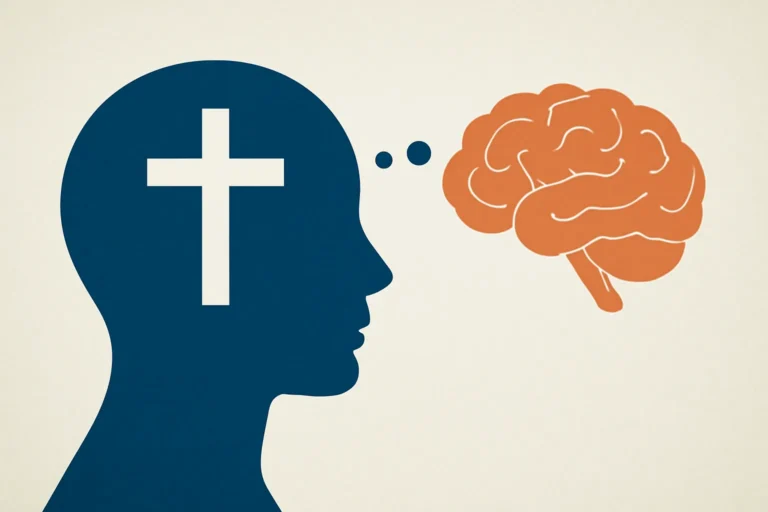
Biblical counseling is a framework for helping people with their personal, emotional, relational, and spiritual struggles by grounding the process in Scriptural truths and a theocentric understanding of human nature. Advocates often emphasize that lasting change comes through repentance, faith, and obedience to God, rather than merely altering behavior or alleviating symptoms. In this approach, the Bible is viewed as the primary source of authority for how to interpret life, pain, and the path to healing.
A hallmark of biblical counseling is the conviction that human beings are made in the image of God and therefore have intrinsic worth, commensurate with moral responsibility before a holy Creator. Counselors operating from this perspective tend to integrate pastoral wisdom, discipleship practices, and the study of biblical ethics with the person’s emotional and relational needs. The goal is not only to reduce distress but to align a person’s heart with God’s purposes, cultivate true confession, and restore healthy patterns of living in light of divine revelation.
In practice, biblical counseling often includes:
Prayer and spiritual disciplines as ongoing resources for growth
Nouthetic truth-telling or careful confrontation when sins are involved (where appropriate and ethically applied)
Scripture-centered interpretation of life events, thoughts, and affections
Church involvement and accountability through community and leadership
Pastoral care that seeks to shepherd the whole person—heart, mind, will, and behavior
Some strands within biblical counseling may emphasize strict adherence to a particular model, such as the nouthetic approach pioneered by Jay Adams. Others incorporate broader biblical counseling concepts without tying themselves to a single framework. Regardless of the specific flavor, the underlying conviction remains: the truth of Scripture shapes every dimension of care, from understanding the problem to guiding practical steps toward restoration.
What Christian Counseling Encompasses
Christian counseling is a broader umbrella that includes work done within Christian communities but also emphasizes integration of faith with psychological science and mental health practices. Practitioners may hold credentials in psychology or counseling alongside theological training, and they are often comfortable collaborating with medical professionals when needed. The central aim of Christian counseling is to help clients experience healing, growth, and spiritual maturity, while acknowledging the realities of mental health from both a spiritual and a clinical perspective.
In contrast to a strictly Scriptural-only stance, Christian counseling frequently adopts an ecumenical or pluralistic posture toward sources of wisdom. This can mean drawing on cognitive-behavioral techniques, attachment theory, trauma-informed care, mindfulness-based approaches, or other evidence-based methods, all interpreted through a Christian lens. The emphasis is on holistic wellbeing—addressing thoughts, emotions, relationships, and life meaning—while considering biblical values and spiritual life.
Practical offerings in Christian counseling often include:
Collaborative care with other health professionals when mental illness is involved
Evidence-based techniques adapted for a faith context
Pastoral integration where counselors work alongside pastors, churches, or faith-based organizations
Ethical boundaries that respect client safety, confidentiality, and professional standards
Spiritual assessment that helps clients explore beliefs, values, and the role of faith in coping
In many Christian counseling settings, the Bible remains a central reference point, but it is not the sole arbiter of truth. Instead, practitioners may present a comprehensive worldview that welcomes medical knowledge and psychological research while interpreting them within a Christian framework.
Core Differences in Theology, Authority, and Aim
Understanding how biblical counseling and Christian counseling differ begins with examining their theological assumptions, sources of authority, and goals for clients. While there is overlap, the distinctions matter for what is emphasized in practice, how clients are greeted, and how change is described.
Authority structure: Biblical counseling treats Scripture as the primary and final authority for life transformation, often prioritizing moral and spiritual diagnosis and change through repentance and obedience. Christian counseling, by contrast, tends to adopt a more layered authority model that includes Scripture, but also clinical science, professional ethics, and person-centered care as legitimate guides to healing.
View of human problem: Biblical counseling typically frames problems in terms of sin, heart orientation, and relational brokenness before God; it emphasizes heart change as the primary mechanism for relief. Christian counseling addresses psychological processes, trauma, learned behavior, and neurobiological factors, viewing sin and illness as intertwined with mental health conditions that may require medical or therapeutic intervention.
Change mechanism: In biblical counseling, the mechanism of change is often repentance, faith, and obedience to Scripture, with spiritual disciplines generating transformation. In Christian counseling, change may result from a combination of therapeutic techniques, faith formation, grief processing, skill-building, and spiritual support.
Role of psychology: Biblical counselors might emphasize caution with secular psychology, sometimes viewing it as helpful only to the extent that it aligns with Scripture. Christian counselors typically integrate psychological theories and techniques as compatible tools, provided they are aligned with biblical values and do not undermine spiritual formation.
Approach to suffering: Biblical counseling might interpret suffering primarily as a spiritual opportunity for growth and sanctification, while Christian counseling often validates legitimate mental health experiences, including mood disorders, anxiety, and trauma, viewing them through both spiritual and clinical lenses.
Both approaches often share a common conviction: people need support, meaning, and a path to hope. Where they diverge is in emphasis and the kinds of resources deemed most central for healing. The result can be complementary rather than oppositional, especially when practitioners recognize the value of integrating Scriptural guidance with evidence-based mental health care.
Methods, Techniques, and Practical Tools
When comparing biblical counseling methods with Christian counseling methods, the practical tools and conversations can look different in the room, even as the end goal remains similar. Here are a few distinguishing features to consider.
Biblical Counseling Methods
In the biblical counseling framework, sessions may center around a few core practices:
Scripture-led problem diagnosis—identifying how thoughts, feelings, and actions align with or deviate from biblical norms
Nouthetic confrontation (where appropriate)—gently and truthfully pointing clients toward Scripture when sin is identified, with a goal of repentance
Spiritual disciplines—prayer, worship, Bible study, memorization, and confession as ongoing resources
Church-based accountability—integrating the client’s faith community for support and accountability
Pastoral care—the counselor functions like a pastor in seeking spiritual formation, not just symptom relief
Cautions in this approach include ensuring consent for spiritual direction, avoiding coercive tactics, and recognizing when a client’s needs exceed what Scripture alone can address—at which point referral to a medical or mental health professional may be appropriate.
Christian Counseling Methods
In Christian counseling, the toolbox often blends spiritual guidance with established psychological strategies:
Assessment rooted in multiple domains—spiritual, emotional, cognitive, relational, and physical health
Evidence-based therapeutic techniques—such as cognitive restructuring, behavioral activation, trauma-informed care, or mindfulness approaches adapted for faith contexts
Ethical collaboration—clear boundaries with clients, confidentiality, and transparency about the counselor’s training
Integrated treatment planning—plans that combine spiritual goals with clinical milestones
Collaboration with other professionals—referrals to psychiatrists, physicians, or social workers when appropriate
The adaptive nature of Christian counseling means that it can address complex mental health concerns with professional rigor while maintaining a spiritually meaningful framework. This approach often appeals to individuals who want faith-informed care that respects modern psychology and medical science.
Training Paths and Professional Context
The training environments for biblical counseling and Christian counseling can differ, shaping perspectives and practice styles. It helps to understand the typical pathways and credentialing that professionals pursue.
Biblical Counseling often centers on theological education combined with specialized biblical counseling training. Common tracks include a Master of Divinity (M.Div.), Doctor of Ministry (D.Min.) with a focus on pastoral care, or biblically focused counseling programs affiliated with churches or denominations. Some professionals align with organizations like the Association of Certified Biblical Counselors (ACBC) or national networks that promote scriptural counseling standards.
Christian Counseling typically requires formal mental health credentials, such as a Master’s or Doctoral degree in counseling, psychology, or social work, followed by licensure in the relevant state or country. Practitioners may complete additional faith-based training, supervision, and certificates in pastoral or faith-based counseling, while maintaining clinical competence in therapies with evidence for efficacy.
Ethical frameworks differ accordingly: biblical counselors may foreground spiritual care ethics and church accountability, while Christian counselors emphasize clinical ethics, client autonomy, and professional standards recognized by licensing boards.
Regardless of the name on the door, effective counseling rests on clear ethical boundaries and a commitment to client safety. The differences in emphasis should not undermine the fundamental obligations to respect, protect, and empower clients.
Confidentiality and its limits, especially when there is risk of harm or mandated reporting
Informed consent that explains the approach, expected outcomes, and potential risks
Competence to treat particular issues (e.g., trauma, severe mood disorders) through appropriate referrals
Non-coercion—ensuring clients are free to make their own decisions about change and faith commitments
Respect for autonomy—honoring clients’ beliefs and values, even when they differ from the counselor’s own
A thoughtful practitioner will articulate how Scripture-based counsel is integrated with empathy, validation, and scientifically informed methods. In practice, this means being transparent about the role of faith, the limits of spiritual counsel, and the possible need for medical or psychological intervention.
Church and Community Implications
The way a church or faith community engages counseling can influence whether people access biblical counseling, Christian counseling, or a blend of both. Communities often shape norms around pastoral care, accountability, and the use of mental health resources.
Pastoral care as a caregiver resource—pastors and lay leaders may offer short-term, Scripture-centered support or act as gateways to professional counselors
Referral networks—churches might maintain lists of recommended counselors who align with their beliefs and ethical standards
Stigma considerations—communities differ in how openly mental health concerns are discussed; integrative approaches can reduce stigma by normalizing professional care
Discipleship pathways—discipleship programs can complement counseling by fostering spiritual growth alongside mental health healing
When churches intentionally bridge biblical wisdom with clinical care, they often create a more welcoming environment for people dealing with anxiety, depression, relational conflict, or trauma. The goal is to help individuals experience durable healing that honors both their faith and their wellbeing.
Common Questions and Misconceptions
As people explore biblical counseling versus Christian counseling, certain questions tend to arise. Addressing these can help individuals and communities choose an approach that best fits their needs.
Is biblical counseling anti-psychology? Not inherently. While some proponents advocate limited reliance on secular psychology, many biblical counselors acknowledge the value of psychological research when aligned with Scripture. The key question is whether the approach respects the autonomy and welfare of the client and avoids doctrinal overreach.
Can Christian counseling be spiritually shallow? It can be as spiritually rich as the practitioner’s training, integrity, and worldview allow. The risk lies in neglecting clinical standards or failing to address serious mental health concerns with appropriate medical referral.
Is one approach always better? There is no universal answer. The best fit depends on the client’s beliefs, the nature and severity of the presenting problem, the availability of qualified providers, and the client’s readiness for change. Some people respond best to Scripture-focused work, while others benefit from integrative therapies that combine faith with evidence-based psychological techniques.
How do they handle trauma? Biblical counseling may address trauma through spiritual interpretation, healing ceremonies, and relational restoration, while Christian counseling may implement trauma-informed care and evidence-based therapies while weaving in faith elements.
Case Scenarios: Choosing Between Approaches
Real-life decisions about counseling approaches are nuanced. Here are illustrative scenarios that highlight how a pastoral, biblical, or integrated Christian counseling stance might respond.
Scenario A: A person experiences chronic guilt and shame after past sins, with relational strain and a desire for moral reform. A biblical counseling approach might emphasize repentance, forgiveness from God, and practical steps to restore relationships, with Scripture guiding the moral framework. If depression or anxiety is severe, the counselor may refer for medical evaluation while continuing spiritual guidance.
Scenario B: A survivor of childhood trauma seeks care and wants a faith-informed plan. Christian counseling that integrates trauma-focused therapies (e.g., EMDR, trauma-focused CBT) with spiritual support can be effective, acknowledging the trauma’s impact while offering biblical hope and meaning.
Scenario C: An individual wrestles with faith, doubt, and existential questions, alongside interpersonal conflict. A mixed approach could combine philosophical and theological exploration with cognitive-behavioral strategies and coping skills, maintaining spiritual conversation and Scripture engagement.
Scenario D: A couple facing communication difficulties and attachment issues approaches counseling. An integrated Christian counseling model could address patterns of safe attachment, empathetic communication, and spiritual practices that strengthen marital bonding alongside scripture-based counseling about forgiveness and reconciliation.
Bridging the Gap: Integrative Paths for Today’s Counseling
Many practitioners today intentionally bridge biblical and clinical approaches to serve diverse client needs. These integrative paths aim to preserve the integrity of faith commitments while acknowledging the legitimacy and rigor of modern psychology. Some common integrative strategies include:
Thematic alignment—ensuring that cognitive, emotional, and relational targets align with biblical truths about the person, sin, and redemption
Ethical dual allegiance—holding professional standards in mental health care while maintaining fidelity to faith commitments
Collaborative care—working with physicians, psychiatrists, and other specialists as part of a holistic treatment plan
Contextualized therapies—adapting therapies to fit a client’s faith background without compromising efficacy or safety
Church integration—connecting clients with church-based resources, accountability groups, and spiritual formation opportunities
The outcome of integrative work is often a more resilient form of healing that respects the person’s beliefs while engaging scientifically validated methods. It can also reduce stigma by validating mental health care within a faith community, showing that care for the soul and care for the brain are not mutually exclusive.
Choosing a Path: Practical Considerations
If you are evaluating which approach might serve you or a loved one best, here are practical considerations to guide your decision.
Your beliefs about Scripture, spirituality, and the nature of change. Do you want a counseling approach that centers on Scripture as the ultimate authority, or one that integrates faith with clinical science?
The severity of mental health concerns—for complex mental health issues, professional clinical care is often essential, with spiritual support as needed.
Availability of trained providers—some communities have robust networks of Christian counselors with psychology credentials, others have more biblically oriented practitioners or pastoral care options.
Ethical comfort—consider whether you prefer a setting that emphasizes pastoral authority or a setting that adheres to licensure and evidence-based practice standards.
Support systems—the role of family, church, and community can significantly influence progress and accountability in either approach.
A Balanced Epitome: Common Ground and Respectful Distinctions
Despite their differences, biblical counseling and Christian counseling share a common aim: to assist people in experiencing meaningful, hopeful change within a framework that honors God and supports human flourishing. Some of the most helpful elements arise when practitioners consciously acknowledge the other’s strengths:
Respect for personhood and the inherent dignity of each client
Compassionate listening that validates pain and offers practical guidance
Hope-centered care that emphasizes restoration, renewal, and the possibility of growth
Accountability to a community that encourages accountability, accountability in faith, and accountability in mental health care
When these elements are present, the distinction between biblical counseling and Christian counseling becomes less a wall and more a spectrum. Clients can benefit from approaches that honor their faith commitments while utilizing best practices from psychology and medicine. The healthiest outcomes often emerge from collaboration—whether within a church setting, a Christian counseling practice, or a clinical environment that has a clearly defined faith integration plan.
In sum, the debate between biblical counseling and Christian counseling is less about a binary choice and more about a continuum of care that honors Scripture, respects clinical evidence, and prioritizes the welfare of the person in front of the counselor. The best practice is often contextual, culturally aware, and tailored to the individual’s faith commitments, mental health needs, and relationships. As communities grow in wisdom, it is possible to build a system of care that seamlessly blends spiritual formation with mental health expertise, so that people can experience true healing—body, heart, and soul.
Whether you lean toward a primarily Scriptural approach, a clinically integrated approach, or a thoughtful combination of both, the overarching aim remains the same: to honor God in the care of people, to treat the whole person with dignity, and to empower individuals to pursue healing, reconciliation, and lasting peace.