At its core, systematic theology is the disciplined effort to articulate an integrated, coherent account of what a Christian tradition teaches about God, creation, humanity, salvation, the church, and the end things. It seeks to organize biblical data and doctrinal insights into a logical system that makes sense across the different parts of the faith. In practice, it is the process of taking scattered biblical texts, historical teachings, and reasoned reflection and presenting them as a unified whole.
A widely used way to phrase the systematic theology definition emphasizes its function rather than its merely descriptive content. It is not simply a catalog of beliefs; it is a methodological project that asks how all the parts of Christian teaching relate to one another and reflect a consistent picture of who God is, what he has done, how people respond, and what lies ahead. Because this project tries to cover broad territory, it naturally assumes certain normative aims: clarity, coherence, continuity with Scripture, and relevance for faithfulness in worship, doctrine, and life.
The phrase systematic theology definition can also be stated in several equivalent ways. Some scholars describe it as thematic theology organized into a coherent system, others as doctrinal synthesis that correlates biblical passages with the historic creeds and confessions, and still others as the endeavor to present truths about God and reality in a way that makes the relationships among truths intelligible. What all these formulations share is the conviction that theology should be more than piecemeal exegesis; it should be a comprehensive, reasoned, and connected presentation of the faith.
In contemporary usage, the term also carries implicit distinctions. Some writers speak of systematizing theology to emphasize the ordering aspect, while others use doctrinal synthesis to underline the harmonization of clues from Scripture, tradition, and reason. Still others highlight thematic coherence, asking how God’s revelation unfolds in different domains such as God, humanity, sin, salvation, and destiny. Across these variants, the core idea remains: systematic theology is about comprehensive thinking that binds diverse biblical and historical data into a single, intelligible framework.
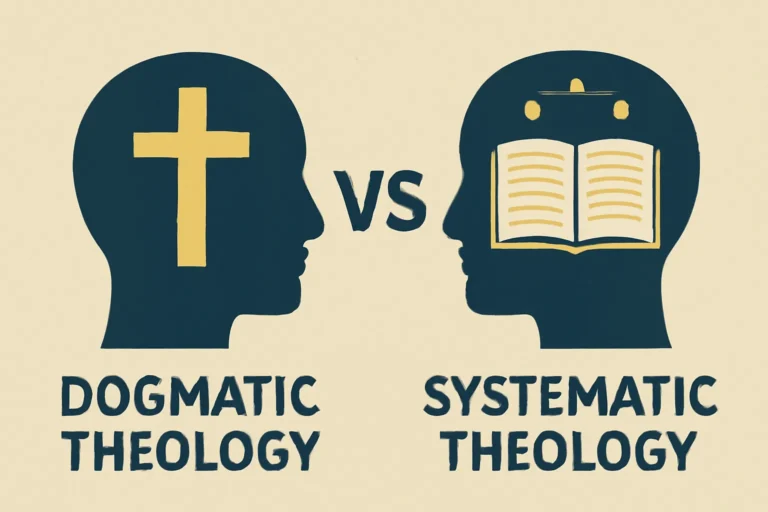
It is helpful to note that there are different emphases within systematic theology as it is practiced in various Christian traditions. Some emphasize dogmatic formulations that arise from ecumenical councils and confessional statements; others highlight a more pastoral and exegetical approach, prioritizing careful interpretation of the text and application to life. The common aim is to articulate a sturdy, defensible, and pastorally trustworthy account of what Christians ought to believe about God, the world, and human destiny.
Why Systematic Theology Matters
The practical significance of systematic theology extends far beyond the academy. When correctly pursued, it helps a church and its members to think clearly about what they believe, why they believe it, and how those beliefs should shape daily living. The following considerations highlight why this field matters.
Clarity and accuracy: Systematic theology helps believers articulate doctrine in precise language, reducing confusion and avoiding misrepresentation of core convictions. By naming categories and defining terms, it becomes easier to discuss sensitive topics with accuracy and charity.
Preaching and teaching: For pastors and teachers, a robust system provides a framework for catechesis, sermons, and theological education. It enables consistent exposition of Scripture, anchored in a coherent set of beliefs.
Apologetics and engagement: When Christians interact with skeptics, other religions, or secular culture, a systematic framework offers reasons for hope and a way to demonstrate intellectual integrity while staying loyal to biblical witness.
Pastoral care and life application: Theology is not detached from life. A coherent system informs ethics, pastoral counseling, desires for justice, and the guidance of moral decision-making in families and communities.
Historical continuity and unity: Systematic theology helps preserve the unity of the faith by linking contemporary questions to the church’s inherited beliefs and the witness of earlier generations.
Protection against drift: A well-ordered system helps prevent doctrinal drift by identifying tensions, inconsistencies, or omissions that could erode core convictions over time.
Critics of systematic theology sometimes fear it can become rigid or overly rational. A thoughtful and pastoral approach, however, treats tradition not as a cage but as a treasure of communal discernment that must be tested by Scripture, reinterpreted with humility, and applied with sensitivity to modern contexts. The best practice balances fidelity to the biblical witness with relevance to contemporary life, acknowledging that a system is a tool for understanding—not a tyrant over interpretation.
In this sense, systematic theology is not a replacement for the authority of Scripture but a means of clarifying, defending, and communicating that authority in a form that can be grasped, debated, and lived out within a believing community.
Core Concepts in Systematic Theology
The core of systematic theology can be described through several interconnected domains. Each domain addresses a particular aspect of the faith, and together they form a comprehensive picture of Christian truth. Below are major themes, each accompanied by concise explanations and common questions that arise in this field.
Foundational: Sources, Authority, and Method
A foundational concern in systematic theology is where theological knowledge comes from and how it is to be known. Most traditions orient their approach around a set of primary sources and methodological commitments:
Scripture as the primary authority for faith and life. The affirmation that the Bible is inspired, authoritative, and sufficient for understanding God and salvation is central to most systematic theologies.
Tradition in its broad sense refers to the historical teachings of the church, creeds, confessions, and the observable faith of the Christian community across generations.
Reason and philosophical reflection provide tools to interpret texts, analyze arguments, and articulate coherent claims about reality.
Experience includes personal and communal instances of faith, worship, and ethical living that test or illuminate doctrinal claims.
The balance among these sources differs among traditions. Some lean more heavily on Scripture as the norming norm, while others emphasize the consensual wisdom of church fathers and ecumenical councils. Across traditions, exegesis (critical interpretation of the Bible) and systematization (structuring the insights that emerge) are paired in a way that seeks fidelity to the text and coherence with the rest of the system.
Major Doctrinal Categories
Bibliology
Bibliology is the doctrine concerning Scripture itself—its nature, authority, sufficiency, and reliability. Questions in this domain include: What is the nature of divine revelation? How are the biblical books inspired? How is Scripture to be interpreted in light of its historical and literary contexts? A robust discussion here lays the groundwork for all other theological claims.
Theology Proper (God)
Theology Proper concerns the nature of God—the one being who is Father, Son, and Spirit in the Christian confession. Key topics include the existence and attributes of God, the Trinity, God’s will and providence, and the relationship between God’s sovereignty and human freedom. A well-formed account seeks to protect awe and worship, not speculative abstraction, while maintaining intellectual honesty about paradoxes and mystery.
Christology
Christology studies the person and work of Jesus Christ. Central questions include the nature of Christ (fully God and fully human), the meaning of atonement, the incarnation, resurrection, and the ongoing role of Christ in history and salvation. The aim is to understand how Jesus’ identity and actions accomplish redemption and reveal God to humanity.
Pneumatology focuses on the Holy Spirit—the Spirit’s identity, presence, gifts, and role in sanctification, assurance, and mission. This domain explores how the Spirit works in regeneration, empowerment for service, illumination of Scripture, and guidance for the church’s life and witness.
Anthropology
Anthropology asks about human nature: created in the image of God, the meaning of personhood, the conditions of sin, and the implications for identity, vocation, and relationships. The discussion often intersects with ethics, anthropology’s anthropology, and the image-bearing reality that shapes moral responsibility.
Hamartiology
Hamartiology is the doctrine of sin. It addresses the origin, presence, and consequences of sin, as well as the universal need for salvation. It interacts with anthropology and soteriology to explain the human predicament and the divine rescue that follows.
Soteriology
Soteriology explains how God saves—often broken into topics like justification, regeneration, sanctification, and glorification. This domain clarifies the means, means, and results of salvation, including faith, grace, adoption, and the final transformation of the believer.
Ecclesiology
Ecclesiology is the doctrine of the church: its nature, governance, ordinances or sacraments, discipline, and mission. Questions here include the meaning of the church as the body of Christ, the role of leaders and offices, and how the church participates in God’s redemptive work in the world.
Eschatology
Eschatology deals with the last things—destiny, judgment, the consummation of creation, and the ultimate goal of God’s redemptive plan. This domain provides hope, helps believers interpret suffering, and shapes ethical and missional commitments in light of God’s promised future.
Method and Coherence: How the System Is Built
A central concern in systematic theology is coherence—the sense that the system hangs together and does not rely on arbitrary assumptions. The method typically involves:
Careful exegesis of Scripture to identify the data that bear on a given topic.
Thematic synthesis to group related passages and concepts into a unified framework.
Harmonization of apparent biblical tensions (for example, between divine sovereignty and human responsibility) in ways that preserve essential commitments.
Engagement with the historical tradition to test and refine current formulations against the church’s living memory.
Method in systematic theology must remain open to revision in light of new exegesis, better hermeneutics, and updated pastoral needs. A healthy system invites critique and correction while maintaining a stable core that reflects the Bible’s own overarching message.
Historical Perspectives and Variants
Throughout church history, different streams of systematic theology have emerged. Some emphasize the creedal horizon—the early ecumenical creeds and later confessional statements—as authoritative summaries of doctrine. Others prioritize a philosophical or analytic approach, using rigorous argumentation to defend doctrinal claims in modern languages and contexts. Still others adopt a pastoral-spirited approach, focusing on how doctrine shapes life, worship, and mission in local churches.
The variations are not merely historical curiosities. They shape how communities answer questions like: How should we understand the nature of God in light of science? How should we interpret miracles in a modern world? How do we balance fidelity to tradition with needed reform? In every case, the aim remains to present a credible and compassionate account of the faith that is faithful to Scripture and intelligible to people today.
Common Critiques and Constructive Responses
It is common to encounter criticisms of systematic theology, such as concerns about over-systematization, reductionism, or the risk of dogmatism. Proponents respond by emphasizing:
The humble use of terms that can be revised or clarified as Scripture is studied more deeply.
Inclusivity of voices from diverse traditions within limits that protect core gospel truths.
Pastoral sensitivity—the system should guide ministers and teachers to nurture faith and love, not simply win doctrinal debates.
The most constructive approach sees systematic theology as a dynamic map of the Christian mind: it highlights the terrain, identifies the main routes, and invites travelers to reconsider paths in light of the Bible and the church’s wisdom. It is less about final, unassailable opinions and more about reliable, coherent understanding that can be tested, revised, and applied in life.
Practical Applications: How Systematic Theology Shapes Faith and Life
The value of systematic theology becomes clearer when we consider its practical outputs. Below are several ways in which this discipline influences worship, teaching, ethics, and community life.
Worship and liturgy: A coherent account of who God is and what he has done informs hymns, prayers, and corporate worship, helping a community adore the Triune God in truth and with reverence.
Pastoral care: Counseling, shepherding, and discipleship are enriched when pastors can articulate a robust theological framework that addresses questions about meaning, identity, and purpose.
Ethics and moral decision-making: Doctrines about human nature, sin, grace, and redemption feed moral reflection on justice, mercy, sexuality, and community life in a way that is consistent with the gospel.
Mission and apologetics: Understanding who God is and what he is doing in the world helps Christians articulate a clear mission and present persuasive reasons for faith to outsiders.
Catechesis and education: Systematic structure supports lay catechesis, youth and adult education, and the formation of a shared vocabulary for church members.
Ecumenical dialogue: A well-articulated system can provide common ground for constructive conversation with other traditions, while guarding essential convictions that define one’s own tradition.
In applied settings, theologians and church leaders often translate abstract categories into concrete questions. For example:
How does a doctrine of election relate to human responsibility in a given pastoral context?
What does grace mean for social justice, poverty, and communal healing?
How should believers think about suffering, miracles, and eschatological hope in times of crisis?
These conversations demonstrate that systematic theology is not an isolated discipline but a practical tool for shaping gospel-centered living in a complex world.
Closing Reflections: The Role of Theological Synthesis in Faith
In sum, a thoughtful definition of systematic theology centers on its aim to present the Christian faith as a coherent whole built from Scripture, tested by history, guarded by the community of faith, and applied in daily life. Its core concepts—ranging from Scripture and God to salvation, the church, and the last things—provide a structured map for exploring the truths Christians confess. The best implementations of systematic theology honor both the mystery of God and the moral weight of God’s revelation, inviting believers into a deeper trust, worship, and service.
Whether one approaches theology from a strictly confessional standpoint or from a more exploratory, ecumenical posture, the systematic theology project remains a central discipline for maintaining doctrinal integrity while seeking to translate faith into wisdom for life. The aim is not to settle every question once and for all but to cultivate a robust, coherent, and compassionate articulation of the Christian confession—one that holds fast to the gospel while remaining open to the Spirit’s ongoing work in the church and in the world.