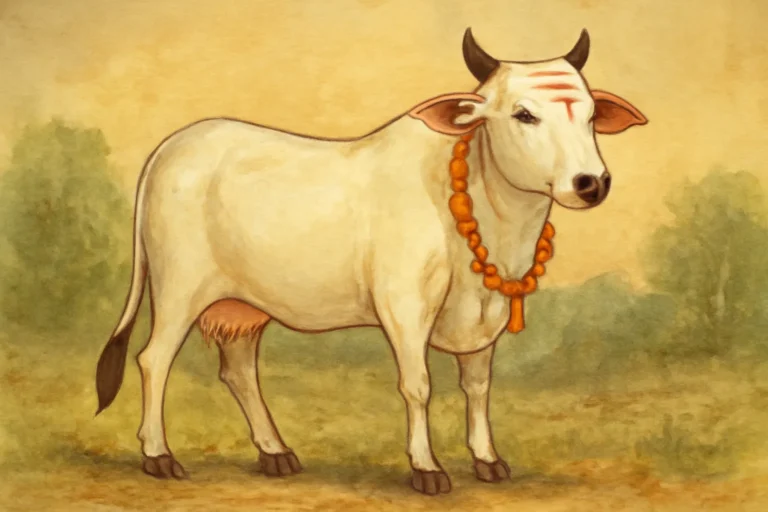
In Hindu thought, the sacred cow is more than a respected animal. It embodies a complex blend of symbolism, myth, ethics, and everyday practice that reflects core Hindu values. Across regions, communities, and generations, the cow has been associated with nourishment, fertility, and the sustaining power of life itself. This article surveys the many threads that weave together to explain why is the cow sacred to Hinduism in such a profound and pervasive way. We will explore scriptural foundations, mythic narratives, ethical dimensions, practical roles in agriculture, and modern attitudes toward cows in a faith that treats the animal with a special kind of reverence.
The sacred status of the cow in Hindu thought
One of the most enduring features of Hinduism is its insistence on ahimsa, or nonviolence, and on recognizing the sacredness of all living beings. The cow sits at the intersection of these ethical commitments and the material realities of Indian life. In many communities, the cow is seen as a nourisher who provides milk, a fertility symbol of the land, and a ritual companion in ceremonies. The idea of the cow as a mother symbol—often invoked as Gau Mata or Go-Mata—is not merely poetic; it expresses a worldview in which the health of society is tied to the well-being of the animal that sustains it.
Nourishment: Milk, curd, ghee, and other dairy products sustain people, especially children and the elderly, making the cow a living resource for daily life.
Fertility and abundance: A healthy herd is associated with bountiful harvests and the fertility of the soil.
Symbol of selflessness: The cow’s gentle nature and constant provisioning are read as a model of yielding and generosity.
Earthliness: The cow’s role as a nourisher mirrors the Earth’s own capacity to nurture, echoing the belief that the goddess Prithvi (Earth) is a living, sustaining power.
In Hindu ethics, nonviolence toward living beings is not a mere abstention from harm; it is a positive path that acknowledges the interconnectedness of life. Because cows are considered to embody gentleness and usefulness, damaging or killing them has long been viewed with particular severity in many Hindu communities. This reflects a deeper conviction that reverence for life extends across species boundaries and underpins social and ecological harmony.
Scriptural foundations: where the sacred cow appears in Hindu texts
Vedas and Upanishads: early echoes of reverence
While the Vedas do not provide a single manifesto declaring cows universally sacred, they include strong associations between cows and prosperity, ritual purity, and cosmic order. In various hymns, cows are linked to abundance and the goddess-like status of the animal through imagery of nourishment and life-giving power. Over time, these motifs crystallized into a more formal veneration that later texts would treat as a normative ideal. In the Upanishads, the idea of life-enhancing beings and the sanctity of living creatures often appears in discussions of dharma and the interconnected web of life, laying groundwork for later ritual and cultural practices centered on the cow.
Puranas, legends, and the mythic dimension
In the Puranic narratives, the cow becomes a living conduit of divine energy. The most famous myth is that of Kamadhenu, the wish-fulfilling divine cow who grants all desires. Kamadhenu is often described as the mother of all cows and is associated with the surplus that sustains the gods and, by extension, the world of humans. This myth is more than a fantasy; it encodes a social truth: the cow embodies plenitude and sustenance, and the protection of cows is a guardian of communal welfare. In many stories, the presence of Kamadhenu or a surrogate cow is a sign of prosperity and divine favor, while slaughter or mistreatment is treated as a disruption of cosmic order.
Another thread in the Puranic corpus is the reverence for go-dhana (cow-wealth) and the idea that cows contribute to the community as a living repository of resources. The narratives in texts like the Bhagavata Purana and various regional Puranas repeatedly connect cows with sages, temple rites, and village-level auspiciousness. Taken together, these myths reinforce a public ethic: the cow’s welfare is tied to the health of the whole social fabric.
Epics and moral imagination: the cow in Mahabharata and Ramayana
In the epic narratives, cows frequently appear as symbols of dharma, charity, and community responsibility. In the Ramayana and the Mahabharata, acts of dairy provisioning, protection of herd animals, and ritual offerings involving cow-derived products become markers of virtue or fidelity. The moral economy of these stories emphasizes care for the vulnerable, sharing of resources, and restraint in violence against beings that sustain human life. This literary landscape contributes to the everyday expectation that Hindus will treat cows with honor and protect their well-being as part of living a virtuous life.
Symbolic dimensions: why the cow carries such dense meaning
The cow as a symbol of life-sustaining energy
Milk and dairy products are seen as abundant life-giving fluids. In many Hindu households, the ritual use of milk, yogurt, butter, and ghee during festivals and rites mirrors the belief that the cow embodies life energy and that sharing these gifts with others is a noble act. The practice of feeding guests, shaping offerings, and using cow-derived products in agrarian rituals reinforces a worldview in which life’s sustenance must be safeguarded and shared. The go-dhana economy—where cows provide not just milk but also dung and urine used for fuel, fertilizer, and rituals—embodies a holistic approach to living in harmony with nature.
Go-mata as a maternal model: protection, care, and nourishment
The term Go-Mata (cow mother) casts the animal as a maternal figure who nurtures all beings. This maternal framing invites a sense of duty toward the vulnerable and the dependent. In ritual and daily life, caring for cows—feeding them, sheltering them, ensuring their health—becomes an ethical practice that mirrors caring for one’s own family. The “mother cow” metaphor also raises questions about how society protects those who contribute most to communal well-being, inviting a discussion about generosity, stewardship, and responsibility toward living beings who sustain humans.
Ethical and philosophical dimensions: what the reverence teaches
Nonviolence, compassion, and social harmony
At its core, the reverence for cows reflects a broader ethical vision. Ahimsa is not only a personal restraint from harm but a social project that seeks to minimize suffering. The cow, as a symbol of life-giving sustenance, becomes a focal point for debates about violence, food systems, and ecological balance. In this light, protecting cows is linked to protecting the vulnerable, preserving ecological integrity, and honoring the delicate dependencies that hold a community together.
Dharma and the ecology of life
In Hindu thought, dharma includes duties toward family, society, and nature. The symbolic status of the cow helps articulate a practical domain of duty: to prevent cruelty to animals, to maintain humane treatment of livestock, and to ensure that animal welfare is considered in agricultural and economic planning. The sacred status of cows becomes a reminder of the larger order—how human actions impact the cosmos and how human communities depend on the gifts of living beings.
Agriculture, economy, and the material life of cows
Gavya: the five products and their uses
In traditional Indian agriculture and ritual life, the gavya (cow-derived substances)—milk, curd, ghee, urine, and dung—play central roles. These products are used not only in food and cooking but also in rituals, medicine, and farming. dung, for instance, is a fuel and a fertilizer, while urine is used in various cleansing and medicinal practices. The five products of the cow symbolize a natural, closed-loop system that sustains farm families and village life. This systemic view reinforces the idea that the cow is more than a domestic animal; it is an economic and ecological cornerstone of agrarian communities.
Milk and dairy products—traditionally abundant in many parts of India—have shaped social and ritual life for centuries. The cow’s daily contribution to nutrition supports the physical and intellectual work of communities. Moreover, the practice of distributing dairy products during festivals or as alms reflects an ideal of sharing wealth and resources, reinforcing social bonds and mutual care. The reverence for the cow thus also encodes a model of distributive justice within rural economies.
Cultural practices, rituals, and public reverence
Gau Puja and ceremonial respect
Across many regions, people engage in Gau Puja (cow worship) during festivals or at specific life-cycle moments. In these observances, a cow may be washed, fed special foods, adorned with garlands, and given offerings. These rituals are not mere superstition; they are public expressions of gratitude for the cow’s life-sustaining role and a reminder of the duty to care for other living beings. Such ceremonies strengthen community identity and provide a shared ritual language through which people articulate their values.
The cow’s sacred status also intersects with social and political life. In many regions, cows are protected through social norms, local ordinances, and, in some cases, state-level laws that regulate slaughter. While the specifics vary, the underlying idea remains: cows are not simply livestock but carriers of cultural memory and moral responsibility. The public reverence for cows often serves as a touchstone for debates about animal welfare, rural livelihoods, and ethical food systems within Hindu-majority societies.
Regional variations and the diversity of reverence
Hinduism is not monolithic, and regional practices reflect the rich diversity within the tradition. In some communities, cow protection is tied to caste dynamics, agrarian history, and temple-centered worship. In others, goats or other livestock may play a larger role in ritual life, but cows retain a symbolic preeminence due to their central place in dairy economies and mythic associations. This regional variation does not negate the core idea that the cow stands for life-giving power, but it does illuminate how the sacred status is lived out differently across landscapes, climates, and cultural histories. The variations also show that the cow’s sacredness is not a single doctrine but a family of practices that share common themes—nourishment, protection, and reverence for life.
Common questions and clarified understandings
Frequently asked questions
Is the cow worshipped as a god in Hinduism? Not typically as a god in the day-to-day sense, but the cow is venerated as a sacred symbol and treated with extraordinary respect in many communities. The reverence is about recognizing the cow’s role in sustaining life, rather than worshipping the animal as an independent deity.
What makes the cow a symbol rather than just an animal? Its milk, dung, and other products sustain households; it represents fertility, nourishment, and Earth’s generosity. Mythic narratives—like Kamadhenu—elevate the animal to a plane where it embodies universal abundance.
Why is nonviolence emphasized in relation to cows? Because harming the cow is seen as harming life-support systems that provide food, fertility, and ecological balance. The reverence for the cow reinforces a broader ethical commitment to nonviolence toward all beings.
How does this reverence affect modern life? In contemporary India and abroad, cow protection movements, dietary choices, and agricultural policies are often influenced by this traditional symbolism. The relationship between culture, religion, and public policy can be complex and context-dependent.
Are all Hindus cow-protective? Attitudes vary widely. While many Hindus revere cows and support protection, others may focus on different aspects of dharma or have diverse dietary and ethical practices. The shared thread remains the cow’s emblematic role in nurturing life and upholding social harmony.
For many Hindus, the cow’s sacred status shapes daily routines, educational narratives, and community identity. Children learn from a young age that the cow is a symbol of life-sustaining power and that compassion toward animals reflects a mature, ethical worldview. In temples and homes, cows often inhabit spaces that are treated with respect—sacred groves, temple yards, or village commons—where they can graze, drink water, and receive offerings. This everyday reverence translates into a practical ethic: care for the vulnerable, sustainable farming practices, and a culture of sharing resources that strengthens the social fabric.
Educational programs and cultural ceremonies frequently emphasize the cow’s place within a larger ecology. Farmers who rely on cow dung for fertilizer and cow urine-based preparations for pest control illustrate a practical knowledge system that predates modern industrial approaches. In this way, the sacred cow becomes a teacher of sustainable living, reminding communities that spiritual ideas can translate into tangible, earth-friendly practices.
Across India and among Hindu communities abroad, the cow’s sanctity is expressed in diverse manners. Some regions emphasize dampened violence toward cows through law and policy, while others highlight freedom of religious practice and local devotion. Still others integrate the cow into festival cycles that celebrate agricultural rhythms, ancestral lineage, and temple patronage. Through these variations, the central idea remains consistent: the cow offers a steady, life-enhancing presence that the community seeks to protect and honor.
Different sects and movements may stress different aspects of the cow’s symbolism—some focusing on the goddess-like aspects of the goddess Bhu Devi or Parvati as protector of cattle, others on the practical agricultural benefits of cows in rural life. This plurality reflects the broader Hindu understanding that sacredness is not a single doctrine but a living, adaptable tradition that can accommodate local customs, ecological conditions, and historical changes while preserving core ethical commitments.
Understanding the sacred status of the cow in Hinduism offers practical insights for engaging with cultural heritage, food systems, and environmental ethics. Here are some key takeaways:
Ethical grounding: The cow’s reverence anchors broader commitments to nonviolence, compassion, and care for the vulnerable in society.
Cultural literacy: Knowing the narratives about Kamadhenu and Gau Mata helps explain many rituals, food practices, and social norms observed in Hindu communities.
Agricultural wisdom: The gavya economy demonstrates how traditional knowledge linked animal husbandry to soil health, crop yields, and sustainable farming.
Religious pluralism: The sacred cow shows how myth, ritual, and ethical philosophy intermingle in Hindu life, offering a model for plural, adaptive religious practice.
Global resonance: As vegetarianism and animal welfare become global concerns, the cow’s symbolic status provides a rich case study of how religion shapes environmental ethics, public policy, and personal choices.
The question why is the cow sacred to Hinduism invites a multi-layered answer. It is not only about ritual veneration or dietary customs; it is about a worldview in which nourishment, care, and ecological balance are woven into the fabric of spiritual life. It is about recognizing the cow as a living symbol of the life-sustaining forces that sustain communities, ecosystems, and the future. It is about upholding a tradition that values gentleness, generosity, and the duty to protect those who give us life. In this sense, the sacred cow remains a compelling articulation of Hinduism’s enduring concern with the moral coherence of life—how we live with, and for, one another and the living world we share.