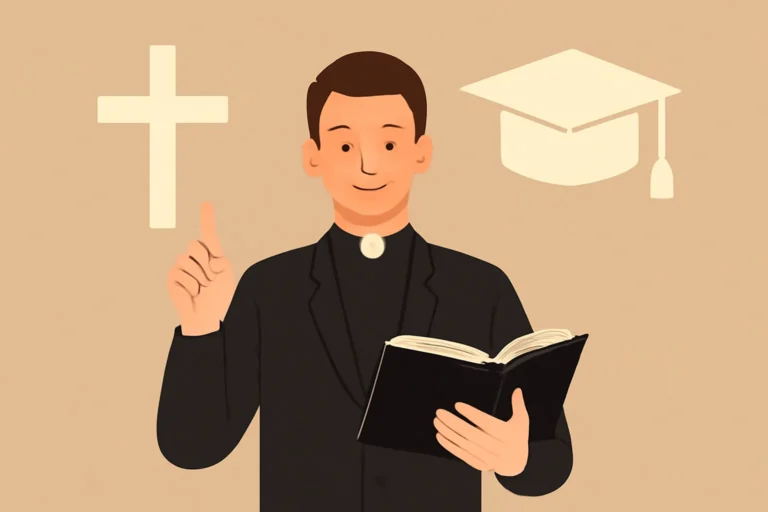
Theology Courses for Laypeople: A Practical Beginner’s Guide
The journey into theology can be deeply rewarding for laypeople who want to understand their faith more clearly, engage respectfully with others, and grow in personal wisdom. This practical beginner’s guide highlights theology courses for laypeople—courses designed for non-professional readers, not priests or graduate students. The aim is to equip curious learners with usable knowledge, clear concepts, and skills they can apply in daily life, church life, community conversations, and personal study. Whether you are exploring a new tradition, strengthening your own beliefs, or seeking to lead discussions with confidence, there is a path that fits your interests, time, and budget. Below you’ll find a comprehensive map to help you choose wisely, start strong, and build a sustained habit of learning in the field of theology.
People who engage theology for lay audiences often discover several practical benefits. First, a solid foundation in theological ideas fosters clear thinking and respectful dialogue, enabling you to articulate what you believe and why you hold it in ways that are accessible to others. Second, theological study provides scriptural literacy and historical awareness, helping you distinguish context, metaphor, and intention in sacred texts. Third, you gain a sense of moral reasoning and discernment that can inform personal decision‑making, social engagement, and leadership in faith communities. Fourth, many programs emphasize spiritual formation—not just how to think, but how to pray, practice, and live what you learn. Finally, you have opportunities to connect with others who share your interests, creating learning communities that encourage accountability and mutual growth.
What counts as a theology course for laypeople
Theology courses designed for non-specialists differ from seminary or doctoral studies in several meaningful ways. They are typically structured to be approachable yet rigorous, with a focus on understanding, application, and dialogue rather than professional credentialing. Here are common characteristics to look for when you search for theology courses for laypeople:
Clear learning objectives and practical outcomes you can apply in your life or ministry.
Accessible language that explains difficult ideas without assuming prior academic training.
Shorter duration (often weeks rather than semesters) and flexible schedules.
Opportunities for discussions, reflections, and applied assignments rather than heavy theory alone.
A focus on real-world application—for example, in pastoral care, teaching, apologetics, youth ministry, or interfaith dialogue.
Credentials or certificates that recognize completion, not degree-level qualification.
Core topics commonly offered in lay-friendly theology curricula
Across many providers, you will encounter a core set of topics that tend to recur in theology courses for laypeople. Here are some of the most common and useful areas to consider as you assemble your personal study plan:
Biblical studies: overview of the biblical canon, methods of interpretation, historical context, and how to read sacred texts with discernment.
Theology basics (often labeled as systematic theology or introductory theology): key doctrines about God, creation, Christ, the Holy Spirit, salvation, and the church.
Church history: major periods, figures, and movements that shaped Christian faith and practice, helping you see continuity and change over time.
Practical theology (sometimes called applied theology): how beliefs inform action—preaching, teaching, pastoral care, and daily discipleship.
Moral theology or Christian ethics: moral reasoning, virtue, justice, mercy, and how to apply ethical principles in contemporary problems.
Spiritual formation or spiritual disciplines: practices like prayer, contemplation, Bible study methods, and spiritual direction concepts.
Liturgy and sacraments: understanding worship structures, rites, symbols, and their meaning for faith communities.
World religions and interfaith dialogue: broad exposure to beliefs outside one’s own tradition, cultivating respect and informed conversation.
Apologetics and reasoned faith: how to defend beliefs respectfully, engage questions, and relate faith to culture and science.
Church polity and leadership (non-degree level): how churches organize, govern, and care for members, including basics of governance and accountability.
How to choose a course that fits your goals
Choosing the right theology for laypeople course starts with clarifying your goals. Are you studying for personal enrichment, to participate more effectively in a community conversation, to begin a path toward lay leadership, or to explore a potential faith transition? Answering these questions helps you select courses that align with your needs. Here are practical considerations to guide your decision:
Your learning goals: Do you want a broad overview or a focused study on a single topic (e.g., biblical interpretation or Christian ethics)?
Starting level: Look for course descriptions that indicate the intended audience. If it’s labeled as “beginner” or “introductory,” it’s typically appropriate for laypeople.
Format and pace: Do you prefer online self-paced learning, live online sessions, or in-person classes at a church or community center?
Instructor background: Read bios to learn about the instructor’s qualifications, experience in teaching lay audiences, and their approach to faith and learning.
Course length and time commitment: Short courses (4–6 weeks) are easier to fit into busy schedules than long semestral classes.
Assessment and feedback: Some courses offer quizzes or reflection papers; others emphasize discussion and journaling. Decide what kind of feedback you want.
Cost and value: Compare tuition, materials, and potential certificates with the value you place on credentialing and personal growth.
Accreditation and credentials: For most lay learning, a certificate of completion is sufficient; for professional or academic recognition, check whether the program offers accredited or non-accredited certificates.
Clear syllabus with weekly objectives and readings
Transparent reading lists, including primary sources and accessible secondary sources
Instructor who demonstrates experience teaching lay audiences
Opportunities for discussion and community engagement
Student feedback and demonstrated improvement through assignments
Accessibility features and reasonable accommodations if needed
Formats and delivery modes for theology courses for laypeople
In today’s landscape, you have multiple routes to engage with theology for laypeople. Each format has its own strengths, rhythms, and constraints. Here’s a useful overview to help you pick a mode that suits your life while maintaining momentum in your study:
Online courses
Online courses are popular for their flexibility and breadth. They can be asynchronous, with prerecorded lectures, readings, and discussion boards, or live, with scheduled webinars and real-time Q&A. Online formats enable you to study from anywhere, access a wide range of instructors, and often find courses at a lower cost. They are particularly suitable for introductory theology and foundational topics that lay a broad base for future study.
In-person courses
In-person options—often offered through churches, campus extension programs, or community centers—provide immediate interaction, embodied community, and real-time feedback. They can be especially valuable for those who learn best through live discussion, group activities, and structured, weekly rhythms. If your goal includes building relationships within a local faith community, in-person courses can be especially fruitful.
Hybrid and blended formats
Blended models combine online and face-to-face elements, allowing you to pace your independent work while still benefiting from periodic group discussions, workshops, and guided practice. This format can offer the best of both worlds—flexibility and community—especially for those balancing work, family, and study.
Audits, certificates, and credentials
Many providers offer options to audit courses for free or at a reduced rate, with the possibility of earning a certificate of completion or a micro-credential. If you’re exploring theology for laypeople as a hobby or personal growth path, auditing can be a cost-effective way to access the material. If you want to document your learning for job or volunteer opportunities, a certificate may be worth the investment.
Starting points for different backgrounds
People come to theology courses for laypeople from diverse backgrounds, with varying levels of familiarity with religious concepts. Here are tailored paths to help you begin where you are:
For newcomers with little prior exposure
Begin with broad, accessible introductions that demystify core ideas. Look for courses labeled as introductory theology, foundations of faith, or theology for beginners. Expect clear explanations of terms like divinity, salvation, grace, and incarnation. A gentle start often includes:
Overview of major traditions and how they differ in belief and practice
Basic methods of reading sacred texts and understanding historical context
Foundations of ethical thinking within a faith tradition
Introduction to spiritual practices that support prayer and reflection
For seekers from a particular tradition
If you are exploring a tradition different from your upbringing, seek courses that emphasize comparative theology, interfaith dialogue, and the historical development of that tradition. You’ll gain insights into how beliefs emerged, how communities interpreted sacred texts, and how to engage respectfully with adherents of other faiths. Practical options include:
Introductory courses in systematic theology from a specific tradition
Historical surveys that illuminate major reformations, councils, and turning points
Ethical and social teaching within that tradition and its contemporary applications
Interfaith education emphasizes understanding, dialogue, and peacebuilding. Look for courses focusing on world religions, religious pluralism, and religious literacy. These programs help you navigate conversations about belief, culture, and ethics in a global context, which is increasingly relevant in diverse communities and professional settings.
Short courses, certificate programs, and long-term study
Your time horizon shapes your approach. The field offers a spectrum from brief, highly focused modules to longer, integrative programs. Here are common pathways you might consider as you plan:
Short courses (2–8 weeks): ideal for quick introductions to topics like biblical interpretation, Christian ethics, or prayer practices.
Certificate programs (a few months to a year): provide a coherent sequence around a theme—examples include biblical studies certificate, ethics in public life certificate, or spiritual formation certificate.
Non-degree programs and non-credit tracks: allow deeper study without the commitment to a degree, often ideal for busy adults.
Community college or university extension courses: accessible and affordable ways to obtain structured learning with professional instructors.
Longer-term study (one to two years): for learners who want a more integrated understanding, perhaps culminating in a capstone project, a portfolio, or a leadership track in a faith community.
As you consider options, you can design a practical sequence. For example, start with a 6-week introduction to the Bible, then move to a 12-week foundational course in Christian theology, followed by a 6-week course on spiritual disciplines. This kind of progressive path helps you build confidence while expanding your vocabulary and conceptual toolkit.
Practical outcomes and skills you’ll gain
Participation in theology courses for laypeople yields tangible benefits beyond mere knowledge. Here are some of the most valuable outcomes:
Critical reading and interpretation skills: learn to analyze texts, identify assumptions, and distinguish literary devices from doctrine.
Clear communication: practice explaining complex ideas to peers, family, and community members in accessible language.
Historical awareness: place beliefs within their historical and cultural settings, which helps you avoid anachronisms.
Ethical reflection: apply theological principles to everyday decisions—business, social justice, family, and civic life.
Dialogical competence: engage respectfully with people who hold different beliefs, strengthening your own convictions while honoring others.
Practices of formation: cultivate disciplines such as prayer, contemplation, or service that integrate study with spiritual growth.
Community leadership skills: for those who want to facilitate discussions, teach, or lead study groups within church or campus settings.
Common myths and misperceptions about theology courses
Several beliefs circulate about theology for laypeople that deserve careful consideration. Addressing these can help you set realistic expectations and choose courses that truly meet your needs:
Myth: “Theology is only for clergy or academia.” Reality: There are rich, accessible options designed specifically for lay audiences, with practical aims and supportive instruction.
Myth: “Theology is dry and abstract.” Reality: Many courses connect doctrine to daily life, family, work, and community service through concrete case studies and discussions.
Myth: “All theology is partisan or doctrinal battles.” Reality: A balanced lay theology program often includes diverse perspectives, constructive dialogue, and emphasis on truth-seeking rather than winning debates.
Myth: “Theology won’t impact my spiritual practice.” Reality: For many learners, understanding belief systems deepens prayer, worship, and spiritual discernment.
Building a personal study plan that sticks
A well-designed plan helps you translate intention into consistent progress. Here is a practical approach to craft your own layperson-friendly study plan that sustains momentum over weeks and months:
Define clear goals. What do you want to achieve in the next 3 months, 6 months, or year? Examples: “understand the Gospel narrative more deeply,” “be able to discuss Christian ethics in public life,” or “build a small group for Bible study.”
Assess your time. Realistically map out how many hours per week you can devote to study, including reading, video lectures, reflections, and discussion.
Choose a realistic sequence. Start with an introductory theology course, then move to a foundational course, and then a topic that matters most to you (for example, biblical studies or spiritual formation).
Schedule accountability. Join or form a study group, find an accountability partner, or enroll in a course with cohort discussions to stay motivated.
Integrate study with practice. Pair study with spiritual disciplines, journal reflections, or service activities to deepen learning.
Track progress and adjust. Review what you’ve learned, revise goals as needed, and celebrate milestones to maintain energy.
Engaging with theology courses for laypeople is often enriched by connecting with additional resources and community networks. The following options can broaden your understanding and support you throughout your learning journey:
Church or faith community study groups: Many churches host regular Bible and theology study circles, providing peer support and opportunities to discuss applications in real life.
Library and scholarly resources: Public libraries and university libraries offer access to accessible commentaries, introductory textbooks, and lay-friendly journals.
Online platforms and courses: Reputable providers offer a range of courses with reviews, sample lectures, and learner forums. Look for courses with trial periods or syllabi you can preview.
Discussion forums and peer networks: Online communities focused on theology for lay readers can provide feedback, questions, and different viewpoints.
Reading lists and study guides: Many courses publish recommended readings, which you can borrow or purchase to deepen understanding.
Mentors and spiritual directors: If you value personal guidance, a mentor or spiritual director can help you integrate learning with faith formation.
Practical starter recommendations for beginners
If you’re just beginning your journey, here are practical starter paths that tend to work well for theology for laypeople learners. These suggestions emphasize accessible entry points, clear progression, and a balance of theory and practice:
Intro to Bible and theology (4–6 weeks): A foundational overview that introduces how to read the Bible, basic hermeneutics, and core Christian doctrines.
Foundations in Christian ethics (6–8 weeks): Focus on moral reasoning, issues of justice, mercy, and practical decision-making in everyday life.
Prayer, spirituality, and formation (4–6 weeks): Explore various spiritual disciplines and how they shape character and action.
World religions and interfaith dialogue (6–10 weeks): Build respectful understanding of other faiths and gain tools for constructive conversation.
Church history and worldview (8–12 weeks): Learn how churches have formed beliefs and practices across eras and cultures.
What to do next: turning study into ongoing growth
Once you have completed an initial set of courses, you can keep the momentum by designating ongoing learning as a personal priority. Consider these practical next steps to integrate theology into lifelong learning:
Continue with a more specialized track. If you’ve enjoyed biblical studies, you might pursue a deeper 8–12 week course on a specific book or theme (e.g., the Gospels, Pauline letters, or prophecy).
Lead or co-lead a study group. Take on a leadership role to teach, facilitate discussions, and help others learn, thereby reinforcing your own understanding.
Develop a habit of reflective practice. Pair each new reading with a journaling exercise or a 15-minute weekly reflection on how it applies to your life and community.
Explore credentialing options. If you value formal recognition, select certificate pathways or micro-credentials that align with your goals.
Engage in local service projects. Apply theological insights to real-world settings—volunteering, community organizing, or ethical leadership in local groups.
Frequently asked questions about theology courses for laypeople
Readers often have practical questions as they explore their options. Here are answers to some of the most common inquiries:
Is theology for laypeople compatible with faith communities? Yes. For many, courses strengthen participation in church life, give language for teaching, and support healthy dialogue with others in the community.
Do I need a background in philosophy or ancient languages? Not for most introductory or foundational courses. Many programs assume no prior training and teach concepts from the ground up.
Can I study theology while working full-time? Absolutely. Many providers offer flexible online options, asynchronous modules, and short-term cohorts designed for busy adults.
What should I do if I fear doctrinal disagreements? Seek courses that promote respectful dialogue, present multiple perspectives, and emphasize discernment and humility in discussion.
Final reflections: embracing a practical, life‑affirming approach to theology
The field of theology is not only about acquiring information; it is about shaping character, forming a worldview that helps you live with integrity, and equipping you to contribute positively to your community. For theology courses for laypeople, the best options are those that balance clarity with depth, practice with theory, and personal growth with social engagement. By choosing courses thoughtfully, you create a pathway that is not merely educational but transformative—one that broadens your understanding, sharpens your reasoning, enriches your worship, and strengthens your relationships with others who hold diverse beliefs. The right entry point, pursued with consistency and supported by a learning community, can open doors to meaningful conversation, confident leadership, and a more integrated life of faith and service.