Doctrine of Last Things Study: A Comprehensive Theological Guide
The doctrine of last things, also known as eschatology, is a central pillar of systematic theology and biblical interpretation. It concerns what lies beyond the present age, how history moves toward a culmination, and how God will renew and judge all things. This field of study is not merely speculative; it shapes worship, vocation, ethics, and hope. By surveying eschatological teaching, students and readers gain a coherent map for understanding death, life after death, the resurrection, the final judgment, the fate of the cosmos, and the creation of a new order. The aim of this guide is to present a comprehensive, careful, and historically grounded overview of the eschatology as discipline—sometimes called the theology of last things or the end-times study—in a way that is accessible for both newcomers and seasoned readers.
Scope and Significance of the Doctrine of Last Things
The scope of eschatology extends from the individual’s final moments to the cosmic culmination of all creation. It raises questions such as: What happens at death? Is there an intermediate state? What is the nature of the final judgment? Will the world be renewed or replaced? How will God’s promises be fulfilled in history and eternity? These questions are not merely speculative; they influence pastoral care, worship, and mission.
A robust study of the last things helps Christians maintain a balanced posture between the already-not-yet tension of the present age and the confidence of coming fulfillment. It also guards against two extremes: over-ascetic withdrawal from earthly affairs on one side, and sensationalized or sensationalist predictions on the other. Informed eschatology invites believers to live with hope, to engage in holiness, and to participate in God’s mission with a clear sense of ultimate purpose.
Why the last things matter for daily life
Hopeful realism: The doctrine anchors present suffering in the certainty of God’s future restoration.
Moral urgency: The expectation of accountability motivates ethical decisions in personal life, work, and community.
Worship and liturgy: Eschatological imagination shapes prayers, songs, and sacraments that anticipate fullness.
Church unity: Shared beliefs about the end times can either unify or divide; hence careful, charitable dialogue is essential.
Historical Overview of the Doctrine
Early Christian Foundations
The early church inherited Jewish eschatology and reinterpreted it in light of Christ’s life, death, and resurrection. The proclamation of the kingdom of God was central, and believers anticipated the return of Christ with a sense of immediacy and hope. The New Testament letters emphasize resurrection as the basis for transformed existence, and they foreground the parousia (the second coming) as a future event that would reveal the fullness of God’s reign.
Medieval and Reformation Developments
Throughout the medieval period, scholars reflected on the intermediate state (often discussed in terms of purgation or purging in various traditions) and the eventual restoration of all things. The Reformation era brought renewed emphasis on scriptural authority, justification, and the hope of the final judgment. Debates about the nature of the millennium, if any, and the interpretation of prophetic passages became focal points for many reformers, leading to diverse positions that would later crystallize into distinct traditions.
Modern Interpretations
In the modern era, a broad spectrum of positions has emerged, reflecting advances in biblical studies, historical criticism, and philosophical reflection. Some theologians foreground a figurative reading of apocalyptic literature, while others defend a more literal framework. Debates about the millennium, the use of symbolic language in Revelation, and the relationship between the church and the state have become salient features of contemporary eschatology.
A foundational element is understanding what happens when a person dies. Some traditions affirm a conscious intermediate state, where the soul experiences immediate presence or absence of God until the final resurrection. Others emphasize a more comprehensive resurrection at the end of the age, with the fate of each person revealed at the final judgment. Regardless of the view, the aim is to orient living in light of mortality and the promise of eternal life with God.
Resurrection of the Dead and the Judgment
Central to the last things study is the belief that the dead will be raised and judged by God. The nature of this judgment—whether believers are judged for reward, or whether condemnation applies only to the unrighteous—varies among traditions. Yet most affirm a decisive public accountability that confirms God’s justice and mercy. The bodily resurrection of the just and the unjust is a frequent motif, highlighting continuity between this life and the life to come.
Heaven, Hell, and the New Creation
The ultimate destiny of humanity and the cosmos is described using a range of images: heaven as divine presence, a new creation that replaces or renews the old order, and a place or state where righteousness dwells forever. The language of heaven and hell serves as a moral and existential map: entrance into the eternal presence of God or exclusion from it. The precise interpretation of these realities—whether as literal geographies, symbolic states, or a combination of both—remains a lively field of discussion.
Eschatological Timeframes and the End of the Age
A distinguishing feature of eschatology is how time itself is understood. Some traditions emphasize a future, imminent return of Christ and a sequence of events that culminate in the final consummation. Others propose a more realized eschatology, where the kingdom advances in the present era through the church’s mission and spiritual renewal, culminating in a transformation rather than a single abrupt event. A third group keeps a suspenseful tension between present blessings and future promises, guarding against both cynicism and sensationalism.
Classes of Eschatology: Major Frameworks
Premillennialism
In this view, Christ returns before a literal thousand-year reign on earth. The belief emphasizes a future, visible reign of Christ with a dramatic sequence of end-times events. Supporters often argue that the promise of restoration includes tangible political and social renewal in the Holy Land and among nations.
Amillennialism
Amillennialism interprets the millennium as a symbolic or figurative period represented by the present church age, culminating in the final judgment and the creation of the new heavens and new earth. Proponents stress that the gospel advances through the Spirit’s work in the church rather than through a single literal millennium.
Postmillennialism
Postmillennialism holds that the gospel will progressively triumph, leading to a long era of peace and righteousness before Christ’s return. This framework places significant emphasis on the transformative power of the gospel in history, culture, and social structures.
Preterism
Preterism interprets many prophetic passages as having largely or entirely fulfilled in the first century, especially in relation to the destruction of Jerusalem and the coming of the kingdom in a spiritual sense. There are partial and full preterist variants, with different implications for heralding the end times and the nature of final events.
Futurism and Other Variants
Futurism looks for many prophetic fulfillments to occur in the future, particularly surrounding eschatological events in the book of Revelation. Some scholars combine futurist readings with symbolic or typological elements, creating hybrid frameworks that seek to reconcile biblical imagery with historical realities.
The study of last things benefits from respectful dialogue among these frameworks. Each approach offers advantages for faithful living, while also presenting challenges. A mature theological method weighs scriptural evidence, patristic testimony, historical development, and practical consequences before forming a coherent position.
Methodology for Studying the Last Things
Scripture, Context, and Hermeneutics
Scholarly work in eschatology begins with careful exegesis of biblical texts, recognizing literary genres (apocalyptic, prophetic, wisdom literature), historical context, and the canonical trajectory. A sound method integrates grammatical-historical exegesis with sound hermeneutics, avoiding both over-literalism and under-interpretation of figurative language.
Systematic Theology and Doctrinal Coherence
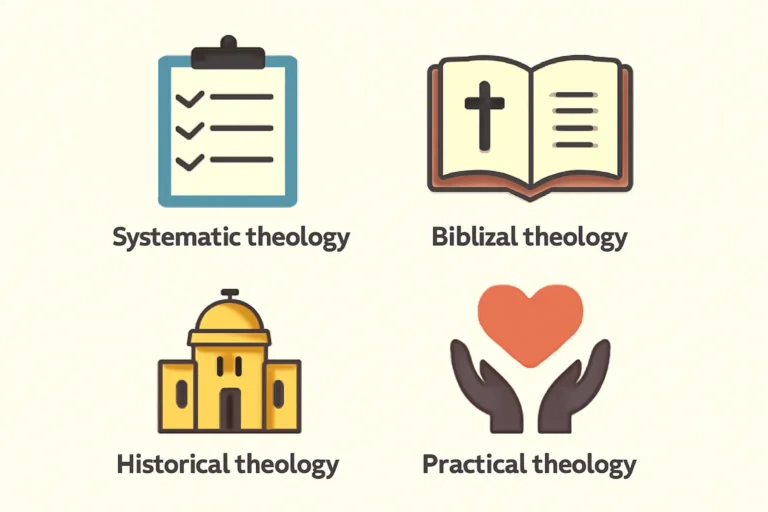
Eschatology is often paired with the broader task of systematic theology, ensuring that doctrines of God, creation, salvation, and judgment align with the end-times statements. A coherent eschatology will harmonize with Christology (the person and work of Jesus), ecclesiology (the church), and soteriology (the doctrines of salvation).
Patristic and Historical Perspectives
Studying the last things benefits from engagement with the church fathers and later theologians. Patristic writings illuminate how early believers understood anticipation, kingdom expectation, and the correlation between Scripture and real-world events. Historical theology helps parse how controversies shaped current positions and encourages humility in present debates.
Practical Pedagogy and Pastoral Application
An effective study of eschatology should translate theory into practice. This involves pastoral counseling, teaching, and worship planning that rightly reflect ultimate realities while remaining faithful to the gospel’s present benefits. A healthy approach avoids sensationalism and rejects fatalism, offering a constructive path for discipleship.
Critical Discernment and Community Dialogue
Given the diversity of interpretations, critical discernment and charitable dialogue within local churches and scholarly communities are essential. Communities often benefit from structured study guides, debate formats, and careful exegesis exercises that cultivate humility, clarity, and mutual enrichment.
A robust eschatological mindset can enrich worship by lifting voices toward the hope of the new creation and the presence of God. Prayers frequently center on longing for justice, peace, healing, and the ultimate fulfillment of God’s promises.
Ethics and Mission
Expectations about the end times influence ethical decisions and missional priorities. If the horizon of history is oriented toward a renewed creation, Christians may emphasize social justice, reconciliation, and stewardship as expressions of living in light of eternity.
Suffering, Lament, and Courage
The last things can provide language for lament in the face of pain and injustice, while also offering courage grounded in the certainty that God will ultimately make all things right. This balance helps believers endure trials without denying the seriousness of present brokenness.
Hopeful Realism for Community Life
The doctrine of last things invites congregations to cultivate a hopeful realism about the present world, recognizing both the good gifts of creation and the brokenness that awaits final transformation. This posture fosters unity, resilience, and hospitality within communities.
Common Questions and Debates
What is the difference between heaven and the new creation?
Most traditions distinguish between a current, conscious presence with God (often described as heaven) and the renewed, renewed material order described as the new creation. The exact relationship between these realities varies, but both are affirmations of God’s ultimate renewal of all things.
Do Christians go through a physical resurrection, or is it spiritual?
The majority of classical Christianity affirms a bodily resurrection at the end of the age, though some views emphasize the continuity of spiritual life with a transformed body. The precise mechanics of resurrection are less central to salvation than the assurance that God will restore life in a tangible, communal, and enduring way.
Most theologians caution against fixed, calendar-based predictions. The biblical witness emphasizes readiness and watchfulness rather than precision about dates. A healthy stance maintains seriousness about ethical living in light of divine judgment while avoiding sensationalism.
What role does Israel and the church play in last things?
Views diverge on the relationship between Israel and the church in eschatology. Some frameworks see a continued alignment with national Israel in prophecies, while others interpret these passages through a spiritualized or universal church-centered lens. The important point across traditions is that God’s promises to all nations find their fulfillment in Christ and his kingdom.
How does purgatory or intermediate purification relate to the final salvation?
Concepts of purification after death appear in certain traditions and have sparked lively debate. While some Christian contexts treat purgation as a distinct theological category, others affirm immediate entrance into God’s presence or wait for the final resurrection. The central concern is the integrity of God’s justice and mercy, and how these are reconciled in the age to come.
Resources and Pathways for Further Study
Foundational Texts
The Bible: key passages in both prophetic/apocalyptic and epistolary literature that frame eschatological expectations.
Church Fathers: Augustine, Irenaeus, and other early writers who shaped the trajectory of biblical interpretation about the end times.
Reformation-era works that helped clarify the authority of Scripture in eschatological matters.
Classic Theological Treatises
Systematic theologies that address eschatology within the broader framework of creation, salvation, and judgment.
Commentaries and expositions on Daniel, Ezekiel, Revelation, and other prophetic/apocalyptic literature.
Contemporary Works
Modern eschatology textbooks that compare eschatological frameworks across traditions.
Monographs and journals that engage biblical studies, historical theology, and practical theology related to last things.
Online and Community Resources
Academic journals in theology departments that publish articles on eschatology, heaven, hell, and resurrection.
Educational websites and study guides that present balanced, well-sourced perspectives for classroom or small-group study.
Study Approaches for Students
Begin with a solid biblical survey of end-times themes across Testaments.
Cross-check interpretations with patristic and historical theologies to understand how views evolved.
Engage with multiple frameworks to appreciate strengths and weaknesses of each approach.
Apply insights to pastoral contexts, especially preaching, counseling, and worship planning.
Closing Reflections on the Doctrine of Last Things
The study of the end-times doctrine is not merely an academic exercise; it is a companion for faith, hope, and mission. By engaging with the eschatology of the kingdom, believers recognize that God’s purposes embrace history, life, death, and eternity. A thoughtful approach invites humility, as believers compare interpretations with one another while remaining anchored in the core gospel: God has acted decisively in Christ to redeem a people for himself and to renew all things. In practical terms, this means living with hopeful perseverance, pursuing justice and mercy, and worshiping with the conviction that God’s future will overflow into the present in transformative ways. The study of last things, in sum, nourishes faithfulness today while pointing beyond the present age to the glorious consummation of all things in Christ.
For readers seeking a lasting framework, a careful, patient engagement with diverse perspectives will yield a mature, robust, and pastoral eschatology. The end of all things is not merely a horizon to dread or an event to predict; it is the gracious, hopeful forecast of God’s reconciled new creation, where every tear is wiped away and every promise is fulfilled in the presence of God.