Preparing for Baptism Testimony: Craft Your Faith Story
A baptism testimony is more than a personal narrative; it is a witness to how grace has touched your life and how you have chosen to follow Christ. The goal is not to perform or to argue theology, but to share a clear, authentic account of God’s work in you. This article offers a practical, step‑by‑step approach to crafting your faith story, organizing your thoughts, and delivering a testimony that is honest, compelling, and appropriate for the context of baptism.
Whether you are preparing for an adult baptism, infant baptism with a family witness, or a confession of faith within a church setting, the process remains the same at its heart: reflect, articulate, refine, and present. By thoughtfully preparing, you can communicate the core meaning of your journey—what you believed, what you experienced, and how your life is being guided by your faith.
What a Baptism Testimony Aims to Do
A well-prepared testimony serves several purposes. It creates a bridge between your personal life and the shared beliefs of the church community. It:
Affirms your decision to follow Jesus and to be baptized as a public declaration of faith.
Encourages others who may be at different stages of their own faith journey.
Celebrates God’s grace in your life and the transforming work of the Spirit.
Clarifies the essential elements of your conversion story for listeners who are learning about faith.
When you prepare with intention, your testimony can be memorable, concise, and meaningful. It should center on what God has done in your life, rather than what you have accomplished on your own.
Core Elements of a Personal Faith Story
A coherent faith story typically includes a few dependable elements. You can think of them as the backbone of your testimony:
Background: a brief picture of life before God’s grace—your questions, struggles, or honest longings.
Search and Response: how you encountered God’s message, the moment you began to seek, and the response you made in surrender or trust.
Turning Point: the decisive moment when you invited Jesus into your life, trusted in Him, or received the gift of grace.
Transformation: how things began to change—confidence, hope, peace, or new purpose emerging in everyday life.
Commitment: baptism itself as a public expression of faith and a step of obedience in the church community.
Life After: ongoing growth, Christian disciplines, and relationships shaped by faith.
You may find that some elements come more naturally than others. It is okay to emphasize certain parts of your story if they are particularly meaningful or illustrative of grace. The key is to be authentic while staying clear and respectful about theological nuances.
Variations and Ways to Tell Your Story
Different traditions and communities highlight diverse aspects of baptism and testimony. You can adapt your narrative to fit the context while remaining true to your experience. Consider these variations:
Adult baptism narratives often emphasize a conscious turning toward faith, a clear decision, and a personal testimony of belief.
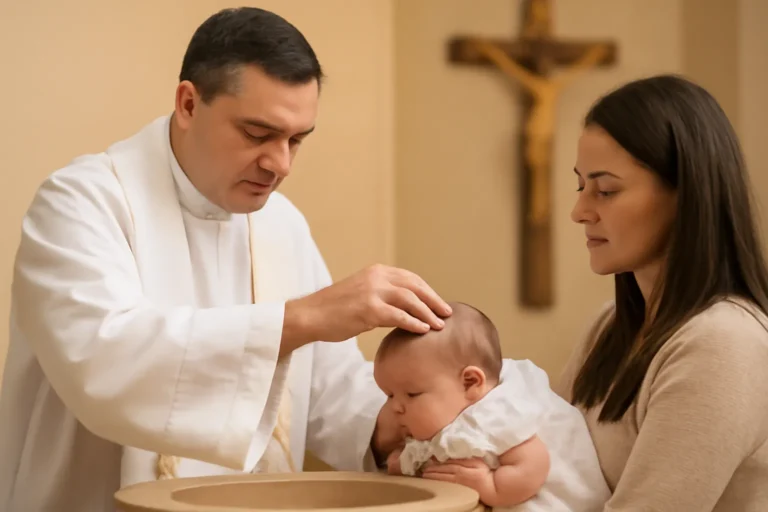
Infant baptism with a testimony may center on the family’s faith journey, promises made by the parents and congregation, and the child’s future walk with God as they grow.
Conversion stories in some traditions highlight dramatic moments or a crisis of belief that led to new life in Christ, while others emphasize gradual formation and ongoing discipleship.
Recommitment testimonies focus on renewed commitment after a season of drift or hardship and can still culminate in baptism as a testament to renewed faith.
Community-centered testimonies may foreground the role of mentor, church, or small group in guiding your faith and celebrating your baptism.
Regardless of the path, keep the core truth front and center: God’s grace made a difference in your life, and you are choosing to follow Jesus in baptism as a visible sign of that grace.
Structuring Your Testimony: A Practical Outline
A clear structure helps both you and your listeners stay focused. Use the following outline as a flexible template that you can adapt to your context.
Opening: A brief greeting and a one‑sentence purpose for sharing your testimony. You might say your name, your church, and a concise statement of faith.
Life Before Faith: A short depiction of what life looked like before encountering God’s grace.
Search or Question: Describe the moment you began to seek truth, or the stirrings that led you to reconsider your beliefs.
Turning Point: The moment you chose to trust Jesus, repent, accept grace, or respond to the gospel.
New Life in Christ: What changed when you believed—inner peace, hope, joy, or a changed purpose.
Baptism as Commitment: Why baptism matters to you now and what you are proclaiming through this public act.
Life After Baptism: How faith continues to shape daily decisions, relationships, and service.
Closing Blessing or Challenge: A hopeful note for listeners and a call to consider their own journeys.
Before You Met Christ
This section invites honesty about struggle, doubt, or longing. It can include questions you were wrestling with, such as questions about meaning, forgiveness, or love. Framing this honestly helps listeners connect with your journey.
The Moment of Decision
Here you describe the decisive moment without sensationalizing. It may be a quiet trust, a prayer spoken aloud, or a turning point discovered through grace. Focus on what you felt and chose, not merely on what happened around you.
Life After Baptism
Explain how your daily life begins to reflect faith—acts of love, honesty, service, or spiritual disciplines. This helps listeners see the ongoing work of transformation.
Language, Tone, and Cultural Sensitivity
The way you tell your story matters as much as the content. Use language that is accessible and respectful to a diverse audience. Consider the following:
Clarity: Express concepts in simple terms. Avoid heavy theological jargon that might distract from your core message.
Authenticity: Speak in your natural voice. A conversational tone is often most effective when sharing a personal story.
Specificity: Include concrete details that illustrate your experience—moments, people, places, or Scripture verses that were meaningful.
Respect: Be mindful of different beliefs within the wider community. Focus on your own journey rather than critiquing others’ paths.
Hope: Emphasize grace, transformation, and the positive impact of faith on relationships and purpose.
Practice and Preparation Methods
Preparation combines reflection, writing, and rehearsal. The more you practice, the more confident you will feel when you share your testimony in a worship service or baptismal gathering.
Journal prompts: Reflect on your life before faith, your turning point, and your life after faith. Write short responses to prompts like, “What did I fear before Jesus?” or “What hope came after trusting Christ?”
Drafts: Create a written draft, then a spoken version. Aim for a concise length—typically 2–4 minutes for public sharing.
Feedback: Seek feedback from a trusted mentor, pastor, or friend who shares your church’s values. Ask them to check for clarity, tone, and length.
Voice and rhythm: Practice speaking slowly, with natural pauses. Use moments of stillness to let important phrases land.
Context adaptation: Adjust your draft for different settings—large congregations, smaller groups, or informal gatherings—without compromising the core message.
Prayerful reflection: Spend time in prayer, seeking guidance to speak truthfully and with humility.
Delivering your testimony with poise helps your audience stay attentive and receptive. Consider these practical tips:
Keep it concise: Around two to four minutes tends to be effective in most settings.
Lead with a core message: Start with a central idea, such as “God’s grace changed my life.”
Use concrete details: Names, places, or moments add texture and credibility.
Pause for emphasis: Use natural pauses to allow important points to settle in.
Be mindful of pace: Speak at a comfortable pace; avoid rushing through the story.
Nonverbal cues: Maintain appropriate eye contact, a calm posture, and a warm facial expression.
End with invitation: If appropriate, invite others to reflect on their own journey or to consider baptism within their church context.
Denominational Considerations and Adaptations
Baptism and testimony can take on different shapes across traditions. Understanding these nuances helps ensure your story resonates with your church family while remaining faithful to your own experience.
Infant baptism traditions often emphasize the covenant promises of the church and the ongoing decision of the believer as they come to personal faith. If you are presenting a testimony in this setting, focus on how your faith in Christ has grown since the baptism and how you now understand the commitment you inherited.
Adult or believer’s baptism emphasizes a conscious personal decision to follow Jesus. Your testimony will typically center on the moment you believed and the transformation that followed.
Communal or congregational testimonies may stress the role of the church in your life—discipleship, mentoring relationships, or service opportunities that shaped your faith.
Catholic, Anglican, and Orthodox contexts may value linking personal testimony to baptismal grace within sacraments, liturgy, and tradition. When applicable, you can weave in the significance of baptism as a covenant with the Body of Christ and a source of ongoing grace.
The key is to adapt while preserving honesty, humility, and clarity about your relationship with Christ and the meaning of baptism in your community.
Final Prep Checklist and Timeline
A practical schedule helps you move from reflection to delivery with confidence. Use this timeline as a guide, adjusting it to fit your church’s baptism date and your personal pace.
6–8 weeks before — Start with reflection: answer prompts about your life before Christ, the turning point, and life after faith. Gather key people who encouraged you and moments that stand out.
4–5 weeks before — Write a first draft. Focus on a clear arc: before, turning point, after. Don’t worry about length; you’ll edit.
3–4 weeks before — Seek feedback from a trusted mentor or pastor. Revise for clarity, tone, and conciseness. Remove less essential details.
2 weeks before — Practice aloud. Time your delivery. Note places where you stumble and smooth them out. Consider writing a shorter version for a smaller audience if needed.
1 week before — Final revision and prayer. Ensure your language is appropriate for the setting. Confirm any guidelines your church has about testimonies (length, content, or Scripture references).
Day before — Rest and mental preparation. Visualize a calm, confident delivery. If you plan to use notes, keep them brief and readable.
Sample Outline and Example Texts
Below is a compact example that follows the practical outline. Use it as a template or as a source of phrases you might adapt with your own details.
Opening: Hello, my name is Anna, and I belong to Riverside Church. I share this testimony to celebrate God’s faithfulness and to testify to His grace in my life.
Life Before Faith: I grew up with familiar answers about God, but I often felt empty and searched for meaning in achievements and approval from others. I did not see how God could be real in everyday life.
Moment of Decision: A friend invited me to a campus Bible study, where I encountered the message of Jesus simply and clearly: that God loves us, forgives our sins, and invites us into a new life. In that moment I chose to trust Jesus, even though I was afraid to change.
Life After Baptism: Since trusting Christ, I have found hope in prayer, more honest relationships, and a desire to serve others. I learned to depend on God’s grace rather than my own performance.
Baptism as Commitment: Today I am being baptized as a public sign that I belong to Jesus and that I want to walk with Him for the rest of my days.
Closing: My prayer for you is that you would seek God earnestly and consider what He might be calling you to today. May you experience His grace as I have.
You can also adapt the sample into a shorter version for a youth group or create a longer version for a formal baptism service. The important thing is to keep the core message intact: God’s love, your response to that love, and your ongoing journey in faith.
Practical Prompts and Promises to Help You Write
If you’re stuck or unsure where to begin, consider these prompts to spark memory and language. They can help you craft a clear, personal testimony that remains true to your experience.
Describe a moment when you felt God’s presence or sensed His invitation in your life.
Recall a verse or passage that became meaningful to you on your faith journey and how it guided your decisions.
Identify a person or a community that played a pivotal role in your growth and how they helped you move toward baptism.
Explain what baptism means to you now and what you hope to demonstrate to others through this public step.
Think about questions you still have and how your faith provides answers or a way to live with the questions.
Resources to Support Your Preparation
The journey of crafting a baptism testimony is both spiritual and practical. The resources below can support you in various ways, from devotional reading to writing templates.
Scripture references: Consider memorizing or referencing a few verses that anchor your testimony (for example, Romans 3:23–24, John 3:16, Titus 3:4–7, Ephesians 2:8–9).
Writing templates: Use a simple three‑paragraph template or the eight‑step outline described above to structure your draft.
Mentor or pastor guidance: Ask for feedback on content, tone, and length to ensure the message is appropriate for baptism services.
Public speaking practice: Rehearse in small groups, then in front of a trusted friend to build confidence and reduce anxiety.
Closing Thoughts: Embracing Your Story with Humility and Hope
Preparing a baptism testimony is an invitation to articulate a life redirected by grace. It respects your personal history while pointing toward God’s ongoing work in the present and future. As you write and practice, remember that the most impactful testimonies are not about perfection but about authenticity, transparency, and the transformative power of faith. Your story matters because it testifies to God’s faithfulness in real life—your life.
If you feel uncertain, take the next small step: jot down one sentence that summarizes your turning point, then add one or two sentences about life after faith. Repeat this exercise over a few days, weaving the pieces together into a smooth narrative. Before you know it, you will have a ready‑to‑share baptism testimony that communicates grace, gratitude, and growth.