Understanding the Baptism Process: A Comprehensive Guide to Preparation, Ceremony, and Aftercare
The baptism process is a sacred practice across many Christian traditions, marking an initiation into the faith and a public confession of belief. While the details can vary by denomination, culture, and local custom, the central ideas—public profession of faith, cleansing symbolism, and incorporation into the community—remain consistent. This article offers a thorough, step-by-step tour of the entire journey: preparation, the rite itself, and the ongoing aftercare that supports a new member of the spiritual family. Throughout, key terms are emphasized to help readers grasp the core concepts and engage meaningfully with their own faith communities.
The Preparatory Phase: Getting Ready for the Rite
Preparation for baptism is more than a logistical checklist. It is a period of catechesis, prayer, and discernment that helps candidates and families understand what the ceremony signifies and what responsibilities come with it. Different traditions emphasize different aspects of preparation, from doctrinal instruction to personal reflection and community welcome.
Clarifying the Meaning and Choosing the Form
Before entering the water, many communities encourage or require a period of study and conversation. This helps both parents and prospective believers articulate what baptism means in their context and determine the appropriate form of the rite. Some key questions to consider include:
What is the theological meaning of baptism in this community? Is it primarily a symbol of cleansing, a sign of covenant, or the actual reception of grace?
Should the ceremony be conducted by immersion, pouring (affusion), or sprinkling? Denominational norms, local tradition, and practical considerations often guide this choice.
If the candidate is an infant or young child, what commitments are expected from parents and godparents or sponsors?
What duration of study or catechesis is required before the rite, and who will provide it?
Choosing a Sponsor or Godparent and Involving the Family
In many communities, the presence of sponsors or godparents is an important aspect of the baptismal process. These individuals pledge to support the new believer or child in their spiritual development, serve as moral exemplars, and assist in the religious upbringing. Considerations include:
Are potential sponsors aligned with the faith tradition and the community’s values?
Do sponsors understand their responsibilities, including ongoing spiritual guidance and attendance at future celebrations or milestones?
How will the family participate in the preparation phase, including attending instruction sessions or private conversations with a pastor, priest, or catechist?
Practical Steps for Preparation
Beyond doctrinal study, several practical steps help ensure a smooth and meaningful preparation period. The following checklist provides a framework that many families find useful, though local expectations may differ:
Schedule an initial meeting with the clergy or a designated catechist to discuss the goals and requirements for baptism.
Identify and confirm sponsors or godparents, ensuring they meet the community’s criteria and are prepared to participate.
Complete any required catechesis classes or home-study materials, and engage in guided conversations about faith statements and baptismal vows.
Prepare a personal or family statement of faith or testimony if requested by the community, expressing beliefs, hopes, and commitments.
Review the logistics of the ceremony, including venue, date, and whether the rite will include immersion, pouring, or sprinkling.
Discuss post-baptism expectations, such as participation in the ongoing life of the church, sacramental life (like regular communion), and opportunities for service.
The Ceremony: What Happens During the Rite
The baptism ceremony itself is a structured moment of public witness. Although the exact format varies, most rites share a common arc: proclamation of faith, renunciation of sin, profession of faith, and the act of baptism itself, followed by blessings and integration into the faith community.
While local customs differ, many baptism ceremonies include a sequence similar to the following stages:
Processional and welcome: The congregation greets the candidate and family; the liturgy begins with an invitation to worship and a reminder of the significance of baptism.
Renunciation of sin and profession of faith: The candidate or the parents on behalf of an infant, along with sponsors, renounce sin and profess their belief in God, the Father, Son, and Holy Spirit.
Affirmation of the covenant: The congregation is invited to affirm their own baptismal vows and to support the candidate as they begin this new life in Christ.
The water rite: The central action of the ceremony—either immersion, pouring, or sprinkling—forms the symbolic core of the rite.
Anointing and symbols: In some traditions, the candidate may be anointed with oil (chrism) as a sign of consecration and blessing. Additional symbols, such as a baptismal candle or a white garment, may accompany the rite.
Receiving the community’s blessing: The officiant pronounces a benediction or blessing, often inviting the congregation to welcome the new member.
Communion and fellowship: Depending on the tradition, the baptism service may conclude with a shared meal or a time of fellowship, reinforcing the sense of community.
Step-by-Step Details of the Water Rite
The water rite is the defining moment of the ceremony. Here is a typical sequence, adaptable to different traditions:
Preparation by the candidate and sponsors: The candidate (or parents, in the case of an infant) stands near the font or baptismal pool. Sponsors or godparents stand nearby as witnesses and supporters.
Pronouncement of intent: The officiant explains the intent of baptism, the promise to live in faith, and the meaning of water as cleansing and renewal.
Immersion, pouring, or sprinkling with water: The actual baptism is performed according to the chosen mode:
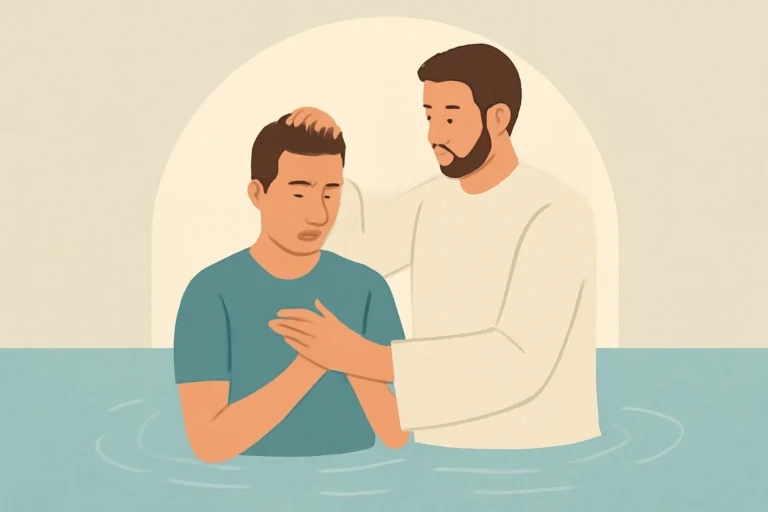
Immersion: The candidate is fully submerged in water and then lifted out, symbolizing death to old life and new life in Christ.
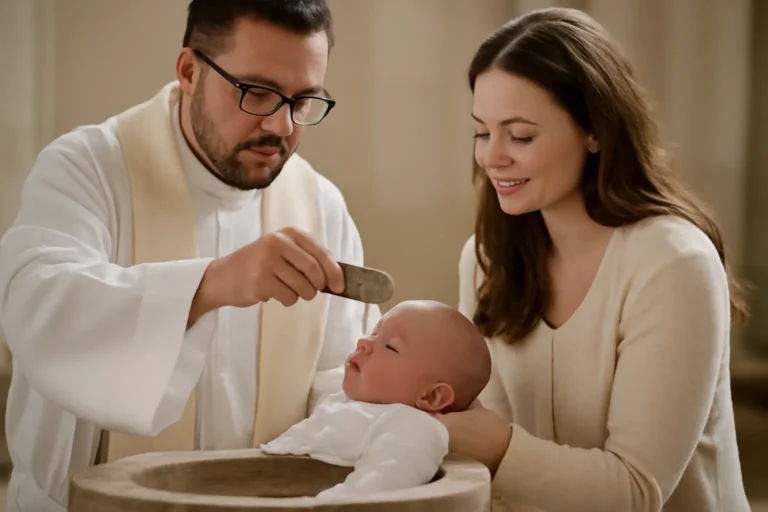
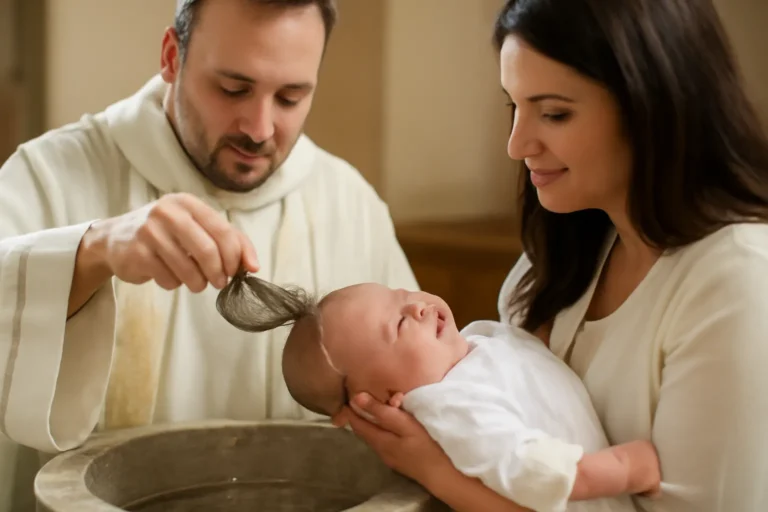
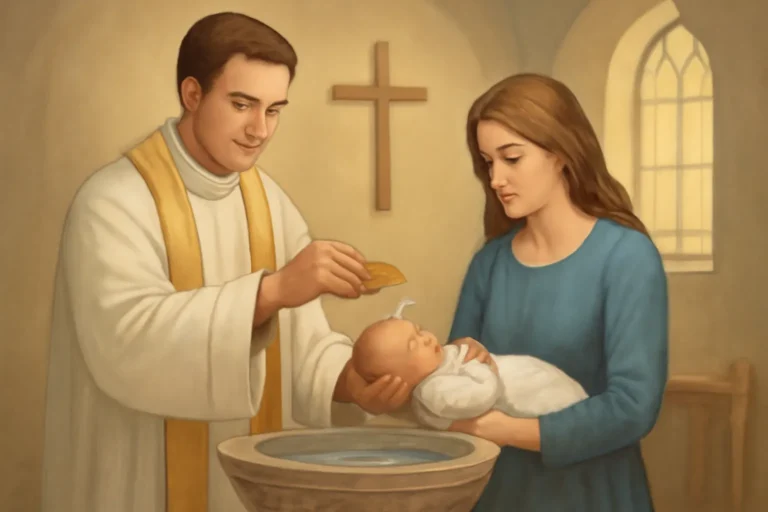
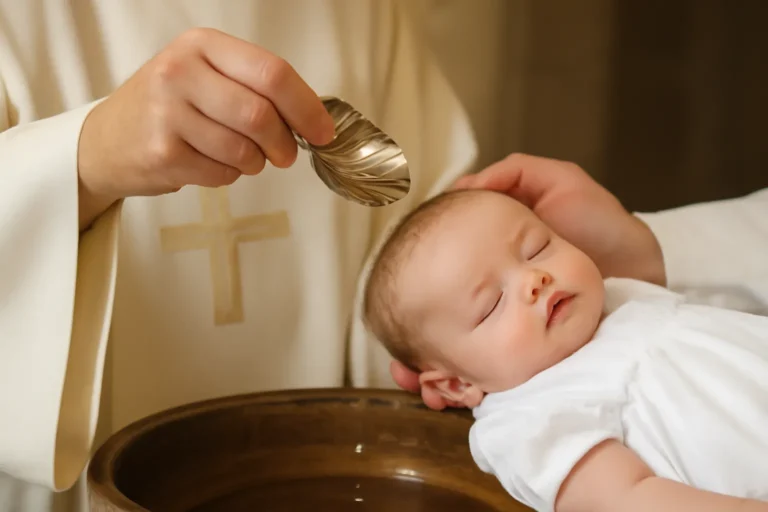
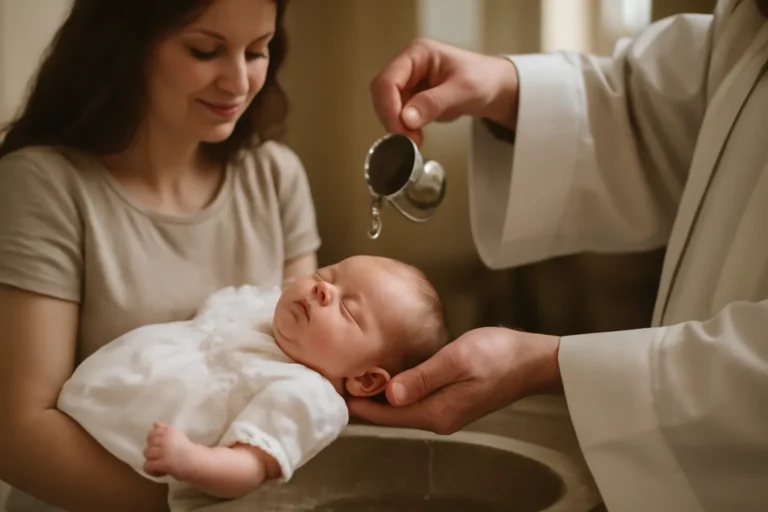
Pouring (affusion): Water is poured over the head or cradled area, symbolizing cleansing and the outpouring of grace.
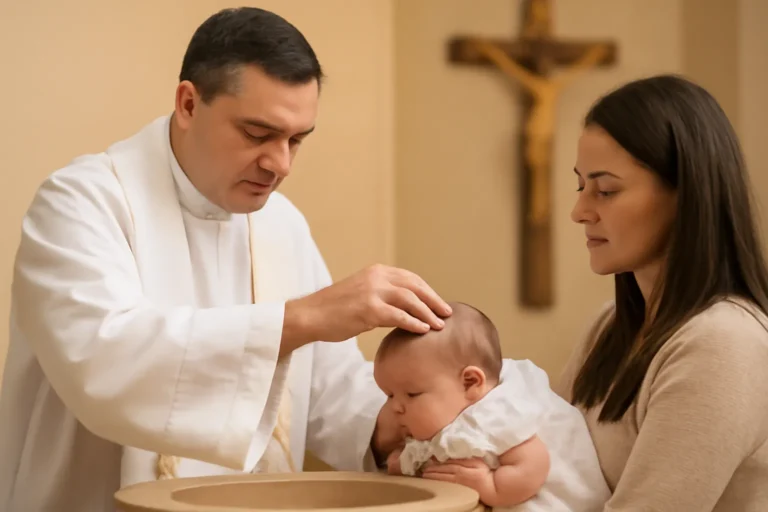
Sprinkling: Water is lightly sprinkled on the forehead as a gentle sign of purification and new life.
Nomination of baptismal vows: The candidate or family makes the vows again, often with the congregation echoing or affirming the commitments.
Concluding blessing: The officiant pronounces the baptism as a public entrance into the faith community, sometimes followed by a blessing over the entire assembly.
Role of the Clergy, Deacons, and Congregation
The people involved in the rite contribute to its meaning and its lasting impact. Roles can include:
Clergy: Lead the service, interpret the symbolism, and guide the spiritual implications of baptism for the candidate and family.
Deacons or ministers: Assist with practical details, readings, and prayers; help coordinate the moving parts of the service.
Congregation: Welcome the baptized person into the body of Christ, commit to ongoing nurture, and participate in the conviction that the new member belongs to the faith family.
Godparents or sponsors: Stand as witnesses, offer spiritual mentorship, and support the family in the years ahead.
Special Considerations for Infant and Child Baptism
Infant baptism often includes promises and commitments from parents and sponsors, rather than from the child directly. In many traditions, the ceremony emphasizes the child’s future initiation into the life of faith as the child grows. Elements that frequently occur in infant baptism include:
Parental vows renouncing sin and committing to raise the child in the faith.
Sponsorial commitments by godparents to support the child’s spiritual upbringing.
Introduction of the child into the church’s life, sometimes with the lighting of a baptismal candle as a sign of Christ’s light.
Variations in the Baptism Process Across Traditions
The rite of baptism is celebrated in many different Christian contexts, each bringing its own flavor, symbolism, and liturgical cadence. The following subsections highlight several common variations, illustrating how the core meanings remain while the outer forms differ.
In Catholic, Orthodox, Anglican, and many Protestant communities, infant baptism is a central practice. Common elements include:
Affirmation of faith by the sponsors on behalf of the infant.
Use of a baptismal font with multiple generations of believers often represented nearby.
Often a longer catechetical pathway for the child as they grow, leading to a deeper understanding of the faith and continued participation.
Believer’s Baptism and Baptism by Immersion
Many Baptist, Pentecostal, and evangelical communities emphasize believer’s baptism—the profession of faith by someone who has consciously embraced the gospel. The baptism is typically performed by immersion and is strongly tied to a personal confession of faith. Key characteristics include:
The baptism is reserved for those who have made a voluntary declaration of faith in Jesus Christ.
Immersion symbolizes death to the old life and rising to new life in Christ.
Often followed by a public commitment to serve and grow in the faith community.
Affusion and Sprinkling in Various Traditions
Some churches prefer affusion (pouring) or sprinkling as a mode of baptism, whether for practical reasons or theological emphasis. This approach can appear in Anglican, Lutheran, Methodist, and some Reformed traditions. Points to consider include:
Symbolic significance of water flow and cleansing that aligns with the community’s liturgical rhythm.
Comfort and accessibility considerations for infants, elderly, or those with medical restrictions.
Consistency with other sacraments or rites observed by the denomination.
The Role of the Spirit and Prayerful Emphasis
Across many traditions, baptism is viewed as a convergence of human response and divine grace. Prayer, the invocation of the Holy Spirit, and the community’s intercession are often highlighted as essential elements that accompany the rite. This spiritual dimension may include:
A prayer of blessing for the candidate and family.
Intercessions for the church’s mission and the growth of the baptized member in faith and service.
Emphasis on ongoing spiritual formation and participation in the church’s life beyond the ceremony.
Aftercare: Nurturing Life After the Baptism
The moment of baptism is the beginning of a lifelong journey. Aftercare focuses on spiritual formation, community integration, and practical steps that help the baptized person grow in faith and service. The aftercare process is shaped by tradition, local leadership, and the needs of the individual or family.
Immediate Post-Baptism Steps
Right after the ceremony, families and new members often engage in activities that reinforce the significance of the moment and set a path for ongoing growth:
Public welcome: The church usually announces the baptism to the broader community, inviting prayers and support.
Distribution of resources: Information about worship opportunities, catechesis classes, and volunteer or service options is often provided.
Contact with the mentor or sponsor: Sponsors or godparents may offer follow-up conversations, guidance, and spiritual practices to begin integrating faith into daily life.
Many readers come to this topic with practical questions about timing, eligibility, and personal readiness. Here are some frequently asked questions and concise answers that reflect common practice across traditions. Keep in mind that exact details can vary by church, region, and denomination.
Is baptism required for salvation?
This is a nuanced question with different answers depending on tradition. In many communities, baptism is understood as a vital symbol of faith and entry into the community of believers rather than a sole means of salvation. Some traditions emphasize baptism as essential to grace, while others view it as an obedient response to grace already given. Always consult your local clergy to understand the specific teaching and practice of your church.
What if the candidate is unable to attend a class or preparation sessions?
Churches often provide accommodations, such as private tutoring, make-up sessions, or alternative forms of instruction. The goal is to ensure that the candidate (or parent and sponsors, in the case of infant baptism) understands the meaning and commitments involved and can participate meaningfully in the rite.
In most traditions, baptism is a once-for-all sacramental act because it represents an irreversible spiritual entering into the faith. Some communities, however, may permit reaffirmation of baptism or a separate rite of blessing in exceptional circumstances. Always follow the guidance of the local church leadership.
How soon after birth or conversion can baptism occur?
The timing varies widely. Some traditions baptize infants soon after birth, while others require a period of catechesis or a confirmation process. For adult converts, the process might align with a period of instruction, confession of faith, and readiness to embrace the vows of the baptismal rite.
Planning a baptism involves coordinating with church leadership, family, and sponsors, as well as understanding the church’s calendar and liturgical inclusions. The following practical notes can help ensure a smooth process and a meaningful ceremony:
Coordinate with church leadership early to reserve the date, confirm the form of the water rite, and arrange for any music, readings, or prayer teams.
Prepare the candidate’s statement of faith if required, especially for believer’s baptism, and ensure sponsors understand their responsibilities.
Arrange for care and consideration of accessibility for families with babies or individuals with special needs.
Communicate expectations to guests about the meaning of the ceremony and the posture of respect required in the sacred space.
In sum, the baptism process is a rich pathway that includes thoughtful preparation, a solemn and symbolic rite, and a supportive aftercare program. Across history and across denominations, baptism has remained a powerful act of initiation, identity, and belonging within a faith community. While the form of the rite—immersion, pouring, or sprinkling—may differ, the underlying purpose persists: to welcome a person into the life of the church, to signify cleansing and new life, and to invite ongoing formation in faith, hope, and love.
As you consider baptism for yourself or a loved one, seek guidance from your local faith community. Engage in honest conversations about the meaning, commitments, and practical steps involved. With careful preparation, a ceremony that reflects your tradition, and a clear path for ongoing nurture, baptism can be a transformative starting point for a lifelong journey of belief and service.