Jerusalem in Christianity: Its Significance, History, and Role in Christian Faith
Jerusalem holds a singular and enduring place in Christianity. Known in religious memory as the Holy City, it is more than a geographical center; it is a symbolic archive of salvation history, a locus for the life of Jesus, and a perpetual invitation to readers and believers to encounter the roots of faith. For Christians, the city represents a convergence of prophecy and fulfillment, of temple worship and Christian witness, of persecution and proclamation. It is a place where the sacred and the ordinary meet, where the events of the gospel narrative unfolded, and where the church has gathered for centuries to remember, celebrate, and expect the fulfillment of promises. In ordinary speech and in liturgical language alike, this ancient terrain is described as the sacred metropolis, a phrase that captures both awe and accountability to the stories that have shaped millions of hearts.
Jerusalem in Christian Imagination: The Holy City and Its Meaning
The Christian imagination has often used Jerusalem as a shorthand for a larger drama: the drama of God’s plan for humanity, the drama of mercy entering history, and the drama of human faith tested by conflict and pilgrimage. In many Christian traditions, the Holy City is not merely a place on a map; it is a narrative arena where hope and judgment brush against each other. The city’s layered meanings include:
Jerusalem as fulfillment of prophecy: Christian readers frequently view events in the city as the moment when centuries of expectation converge in Jesus’ ministry, death, and resurrection.
Jerusalem as witness to witness-bearing communities: the early church, persecuted and resilient, carried the memory of the city’s pressures and opportunities into its preaching and mission.
Jerusalem as pilgrimage for believers across centuries: the desire to walk where Jesus walked has shaped popular devotion, scholarly study, and ecclesial life.
Jerusalem as eschatological symbol in some streams of Christian eschatology: the city is read as a sign of the coming renewal of all things and the ultimate home of God with humanity.
Across different Christian communities, the phrase the city of David and the city of Zion appear as biblical idioms that reconnect to both the historical Davidic capital and the theological hope of Jerusalem as the place where God’s promises are drawn into human history. In sermons, creeds, and devotional literature, such language often appears in close proximity to calls to repentance, hospitality, and peacemaking. Christians may invoke Jerusalem to remind themselves of the fragile moment when grace entered the world and invited humanity to respond with faith, courage, and charity.
A Brief History: From Ancient Israel to the Early Church
The city’s significance in Christian thought grows out of a longer history that predates the Christian era. To speak of Jerusalem in Christian terms often requires listening to its pre-Christian and inter-Christian memory:
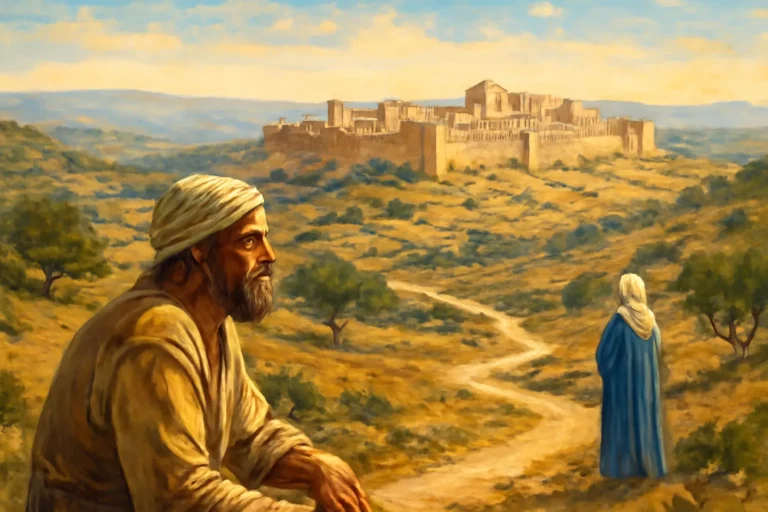
Ancient city and political capital: In the biblical narratives, Jerusalem emerges as a political and religious hub in the late monarchy period. For the biblical writers, it becomes the seat of a covenantal people and the place where God’s presence is intimately tied to the temple-building project.
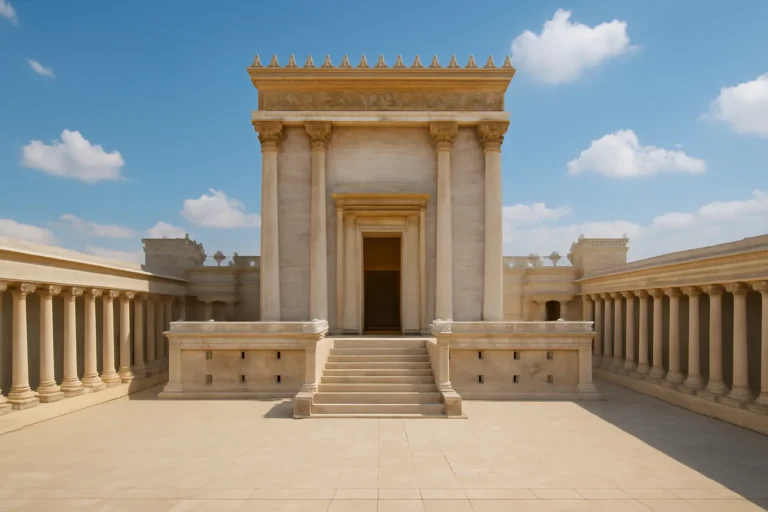
Temple era and temple worship: The first great temple in the city stood as the center of worship for the Israelite people. Its destruction and rebuilding, and the longing for restoration, shape both Jewish memory and the Second Temple period during which Jesus and his followers lived.
Roman period and early Christian emergence: By the time of Jesus, the city is a Roman provincial capital with a diverse population. The public spaces, the sacred sites, and the political tensions of this era set the stage for the gospel narratives that would become central to Christian faith.
Crucial turning points for Christianity: In Christian tradition, the events that unfold in and around Jerusalem—from the triumphal entry to crucifixion, burial, and resurrection—are interpreted as the decisive acts of God’s salvation. The Ascension, traditionally located on the Mount of Olives near the city, and the descent of the Holy Spirit at Pentecost, further anchor the Christian narrative in this urban landscape.
The later centuries witness a city that changes hands and faces continual flux: it remains a focal point for pilgrimage, controversy, and theological debate. The church’s history in the Holy Land involves interactions with Jewish communities, early Muslim rule, crusades, and a long arc of Christian presence that has grown more diffuse but deeply rooted. Regardless of political regimes, Christian communities have kept alive the memory that the city’s streets and sanctuaries hold up a mirror to faith and hope.
The Gospels and the Geography of Salvation: Jerusalem in the New Testament
In the New Testament, the narrative arc of Jesus’ life and the earliest Christian proclamation are inseparably linked to Jerusalem. The city provides the setting for several pivotal episodes that Christians interpret as the core of the gospel:
Triumphal entry into the city, where Jesus is welcomed by crowds and confronted with the political and religious dynamics of his mission.
Cleansing of the Temple, a dramatic moment that critiques the exploitation of sacred space and sets a tension-filled stage for later events.
Arrest, trial, and crucifixion at Golgotha, the hill outside the walls, where the crucified one is believed to bear the weights of human sin and divine mercy.
Burial and resurrection in proximity to the city, an event seen as the definitive vindication of Jesus’ claims and the dawn of new life for followers.
Ascension and Pentecost, the return to the heavens and the sending of the Spirit, which anchor the Christian church’s mission to Jerusalem and beyond.
The Upper Room and the Temple area of the city are described in the Acts of the Apostles as sites of early Christian worship, fellowship, and the gathering of disciples. For readers of the gospel texts, these locations function not merely as backdrops but as active participants in the shaping of Christian faith. The city is portrayed as a place where Jesus’ message encounters both welcome and resistance, a crucible that reveals the depth of divine love and the cost of discipleship.
Key biblical events tied to Jerusalem
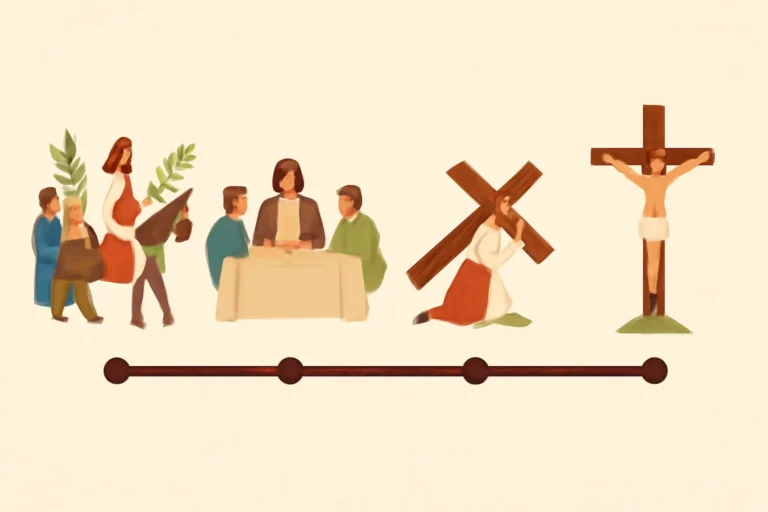
The entry into Jerusalem on Palm Sunday, signaling recognition of Jesus as a public figure and the gathering of diverse expectations around his mission.
The Last Supper, often associated with Passover, where Jesus commissioning his followers begins to redefine the meaning of remembrance and covenant in communal meals.
The arrest and trial, where religious and political authorities test Jesus’ allegiance and expose the fragility and resilience of faith under pressure.
The crucifixion on a hill outside the urban center, a decisive act that Christians interpret as the substitutionary and salvific moment of Christ’s death.
The empty tomb and the resurrection appearances, which anchor Christian hope in victory over death and the ongoing presence of the risen Lord among the believers.
Sacred Sites and their Theologies
Across the Christian world, the geography of Jerusalem is inscribed in sacred memory through a constellation of holy sites. Each place carries layered theological meanings and contributes to the church’s liturgical life:
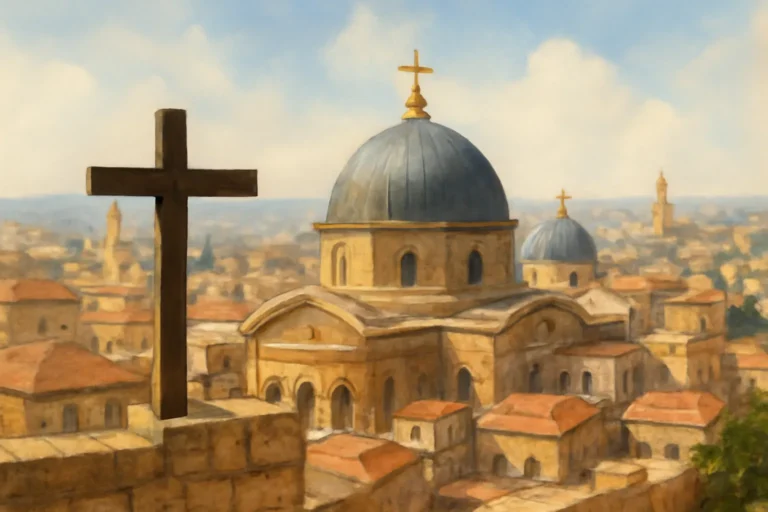
Church of the Holy Sepulchre: A central pilgrimage site that believers associate with Golgotha and Jesus’ tomb. Its sanctity is connected to the church’s long history of worship, ecumenical presence, and the liturgical memory of Easter.
Mount of Olives and Bethany: Traditional locations of key events in Jesus’ last days, including the ascension, and a focal point for contemplation about God’s kingdom advancing through history.
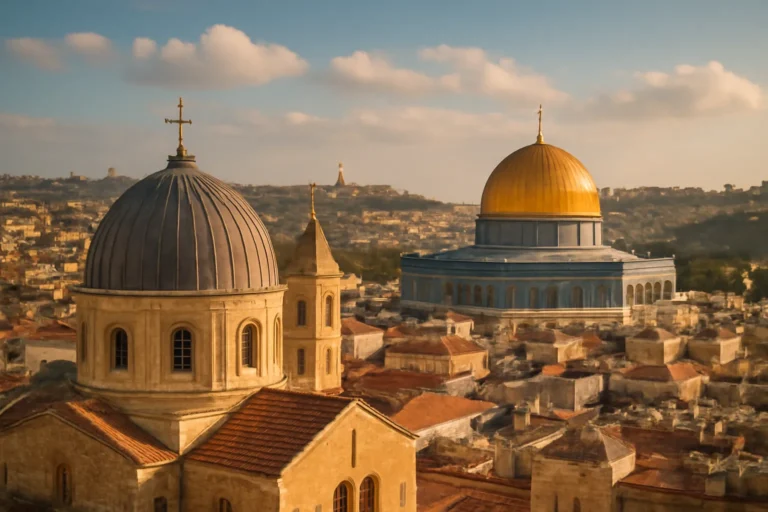
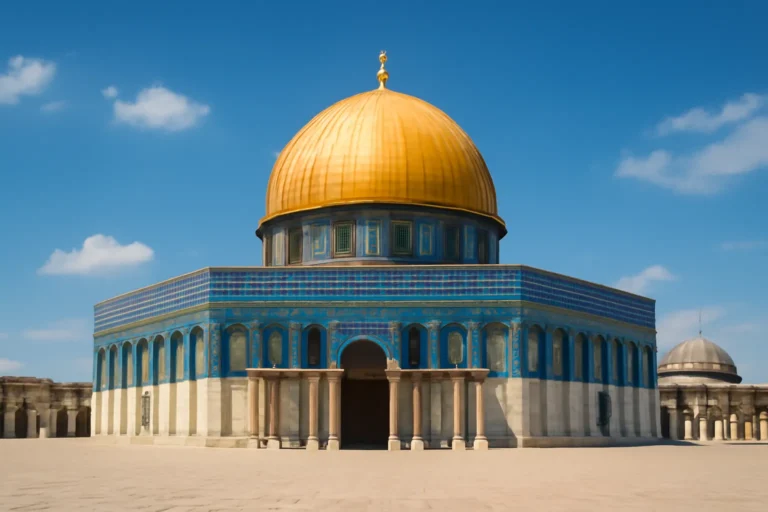
Temple Mount and the surrounding sacred landscape: While the site’s later histories reflect complex religious dynamics, Christian readers often encounter it as a symbol of the divine presence in the biblical narrative and the longing for restoration of a rightful worship in the fullness of time.
Mount Zion: Often understood as a symbol for God’s city, the heavenly or eschatological Jerusalem, and the church’s continued life as a spiritual Jerusalem in mission and worship.
City of David: A historic frame for understanding the city’s ancient roots and the biblical memory that informs Christian meditation on kingship, covenant, and divine faithfulness.
The interplay between these sites demonstrates how Jerusalem acts as a living catechism—an ongoing teacher—where devotion, architecture, liturgy, and history intersect to shape how Christians think about God’s presence with humanity. The way communities honor these spaces, imagine their meanings, and connect them with contemporary life reveals how deeply faith is tied to memory and place.
Jerusalem in Liturgical Life and Christian Practice
The memory of Jerusalem informs worship and the rhythms of the church calendar. Across denominations, Holy Week, Easter, and Pentecost converge in a shared vocabulary that looks back to the city as the cradle of the Gospel and forward to its universal reach. Several practice patterns highlight this link:
Holy Week devotion includes readings, processions, and prayers that retell the events in and around the Holy City, inviting believers to participate in the path of Jesus from entry to cross to resurrection.
Pilgrimage to sacred sites in the Levant has historically been a major form of Christian devotion, though modern geopolitical realities shape how and whether such journeys are undertaken. Pilgrims seek to touch the stones, walk the Via Dolorosa, and join in the prayers of local Christian communities.
Liturgical theology uses the city as a frame for teaching about God’s plan for Israel and the Church, the unity of Jew and Gentile, and the hope of new creation that is anticipated in Revelation’s vision of the heavenly city.
Scriptural exegesis often reads parables and miracles with an eye to the geography of Jerusalem, recognizing that many chapters of the gospel narratives are inseparable from the spaces where they occurred.
Ecumenical Perspectives and Theologies
Different Christian traditions have nuanced ways of speaking about Jerusalem and its role in faith. The Catholic, Orthodox, and Protestant families of churches each approach the city with distinctive liturgical languages, historical memories, and theological emphases:
Catholic and Orthodox voices often emphasize the unity of worship in the city’s ancient churches, the veneration of relics and sanctuaries, and the continuity of apostolic witness that finds expression in pilgrimage and ecclesial life.
Protestant reflections tend to highlight the city as a focal point for biblical exegesis, mission, and the collective memory of Jesus’ public ministry in a public space. For many Protestant readers, Jerusalem is a powerful reminder of the universal call to witness to the gospel in every era and place.
Interfaith and ecumenical conversations recognize the shared layers of reverence that the city holds for Jews, Muslims, and Christians alike. This shared reverence invites Christians to engage with questions about peace, justice, and the dignity of all peoples who consider Jerusalem holy.
Jerusalem and Eschatology: The End Times and the City
The city also occupies a place in Christian eschatology, where readers envision a future fulfillment that involves the city’s spiritual renewal. For some Christian traditions, the New Jerusalem described in the final book of the Bible represents the consummation of God’s covenant with humanity, a heavenly city where God dwells with his people and where pain, tears, and death have been vanquished. While not all theologians agree on the details, the imagery invites Christians to interpret current history in light of a horizon that promises reconciliation, justice, and peace. In this sense, real questions about justice inThe New Jerusalem become ethical commitments for present-day faith communities—to work for peace in conflict zones, to support the vulnerable, and to imagine communities that reflect the divine intention for all people.
In the modern era, the city remains a focal point for political, cultural, and religious life. Its continuity and change present a unique case study for how Christians understand the relationship between faith and place. The contemporary city:
Maintains a rich tapestry of Christian institutions, including churches, seminaries, and missionary organizations that retain the memory of the earliest church in the Holy Land.
Is a site of ongoing dialogue about religious coexistence, hospitality, and the responsibilities of spiritual communities to work for peace and mutual respect among different faith groups.
Continues to inspire art, music, scholarship, and literature, with countless voices drawing from its gospel-era geography to interpret present reality and future hope.
Christians today who engage with Jerusalem—whether as pilgrims, scholars, or lay readers—do so with a sense of historical gravity and hopeful expectation. The city’s memory invites disciplined interpretation: to honor the events that transformed the world, to respect the lives of those who sustain faith within its limits, and to exercise responsibility in the city’s fragile political and religious landscape. The vocation of Christian witness in the Holy Land is often cast as a call to reconciliation and service—a reminder that the Christian drama is not merely about private belief but about public life and shared humanity.
Sites, Symbolism, and Spiritual Practice
For many believers, visiting Jerusalem offers a concrete way to connect doctrine with geography. The symbolism of the city is woven into daily prayer and annual celebrations. When Christians reflect on the biblical Topography of the Holy Land, they often consider:
The Via Dolorosa, the Stations of the Cross path believed to trace Jesus’ steps to Golgotha, as a motif for carrying one’s own burdens and offering them in solidarity with Christ.
The Church of the Holy Sepulchre, which embodies the union of suffering and triumph that defines the Christian gospel and invites a contemplative gaze upon the mystery of resurrection.
The Mount of Olives and the nearby hills, which invite a meditation on the coming of the Spirit and the promise of the kingdom that is both already present and not yet fully realized.
In addition to these iconic places, Christians are often taught to read the city’s biblical geography as a way to ground faith in historical memory. The City of David and Zion are invoked as theological metaphors for justice, providence, and the cosmic reconciliation of all things. When the church recalls these landmarks in sermons, catechesis, or Bible study, it is participating in a living tradition that turns place into pedagogy—an invitation to move from textual understanding to lived faith.
Concluding Reflections: Jerusalem as a Living Memory and a Living Hope
The significance of Jerusalem in Christian faith lies not only in what happened there two millennia ago but also in how the city continues to shape the life of the church today. It remains a living memory that binds communities across time—an archive of revelation, a witness to endurance, and a beacon for the future. The Christian engagement with the sacred geography of the Holy City teaches that faith is not merely about belief in abstract truths but about a dynamic encounter with history, sacred space, and the people who carry the faith forward. Whether approached as a site of pilgrim longing, a theatre of gospel proclamation, or a symbol of divine promise, Jerusalem invites Christians to participate in the ongoing drama of salvation, to stand with honesty in the tension between human frailty and divine faithfulness, and to work for a world where the peace of God, which surpasses all understanding, governs the affairs of nations, communities, and hearts.