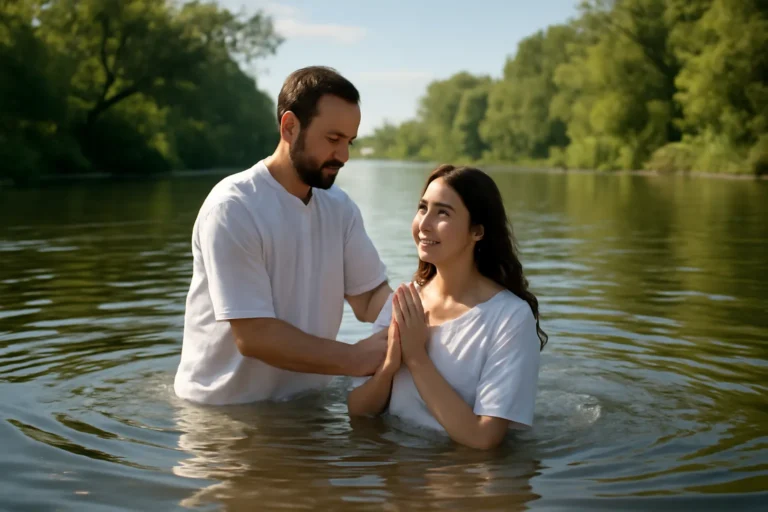
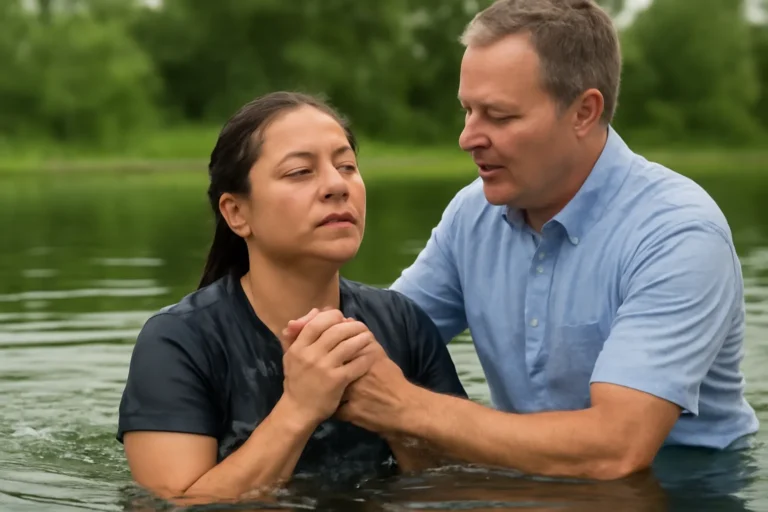
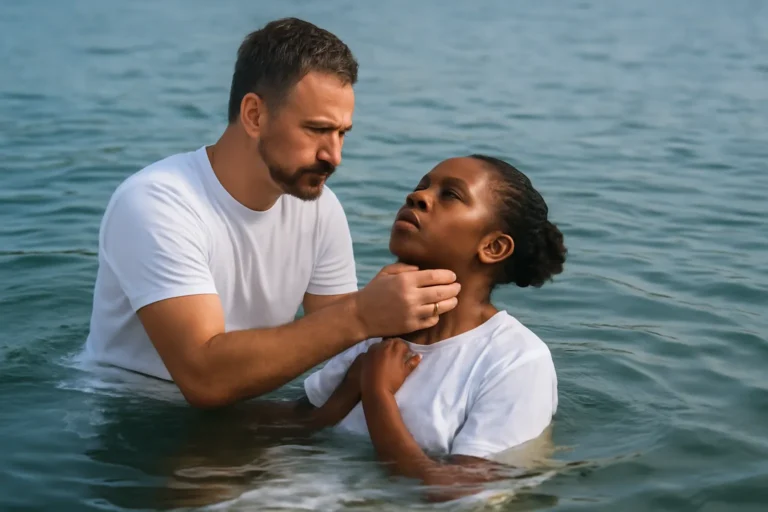
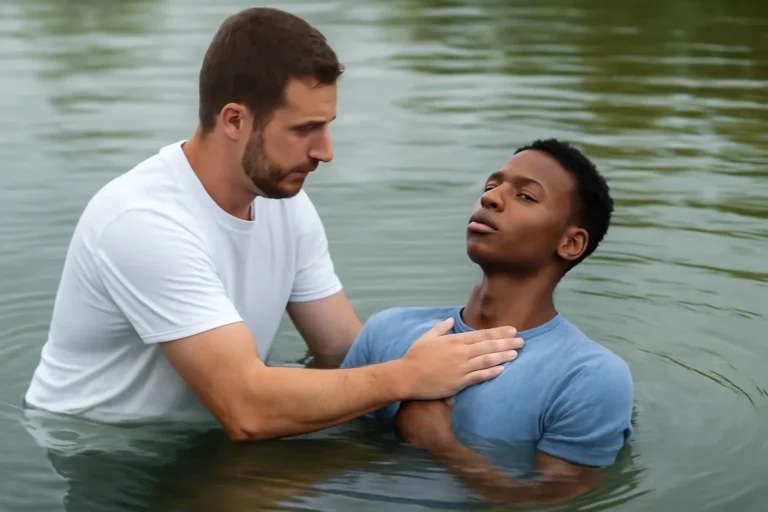
River Baptism: Meaning, History, and Step-by-Step Guide
Baptism conducted in living water—often a river—has long captivated Christians as a vivid symbol of entry into the faith community. This article explores the meaning, the historical development, and a practical, step-by-step guide to performing a river baptism. Whether you call it the baptism in the river, river baptism, or immersion in a river, the core idea remains consistent: water serves as a visible sign of inward transformation, public profession, and spiritual rebirth.
River baptism is not merely a physical act; it is a carefully chosen symbolic action with several layers of meaning. In many Christian traditions, water is a universal sign that communicates fundamental truths about the human person and God’s promises. The following facets are commonly emphasized in conversations about river baptism:
Purification and cleansing: Water conveys cleansing from sin and moral renewal. Immersion or partial immersion is understood as a washing that marks the removal of the old life and the beginning of a new life in Christ.
Identification with Christ’s death and resurrection: In many denominations, the act of going under the surface represents dying to the old self, while emerging from the water signals rising to new life in Christ, mirroring the death and resurrection motif at the heart of Christian faith.
Public profession and corporate belonging: River baptism is typically a public rite. By stepping into a flowing river, a person openly declares allegiance to Christ and signals entry into the community of believers.
Participation in creation and continuity with the biblical narrative: Rivers and bodies of living water are deeply rooted in biblical imagery—think of the Jordan River, the crossing of the Red Sea, or the streams of salvation language in prophetic literature. The river itself becomes a conduit for grace and an accessible place for initiation.
Symbolic continuity with the early church: The early Christians often baptized in natural water as circumstances allowed, linking the modern practice to a lineage that stretches back to the first followers of Jesus.
Historical roots and milestones
The historical development of the river baptism has several notable features. While today many congregations have dedicated baptismal fonts, baptism in natural water sources remains a meaningful practice in various traditions. Here are some historical touchpoints that illuminate how the ritual has evolved and why it persists in many places:
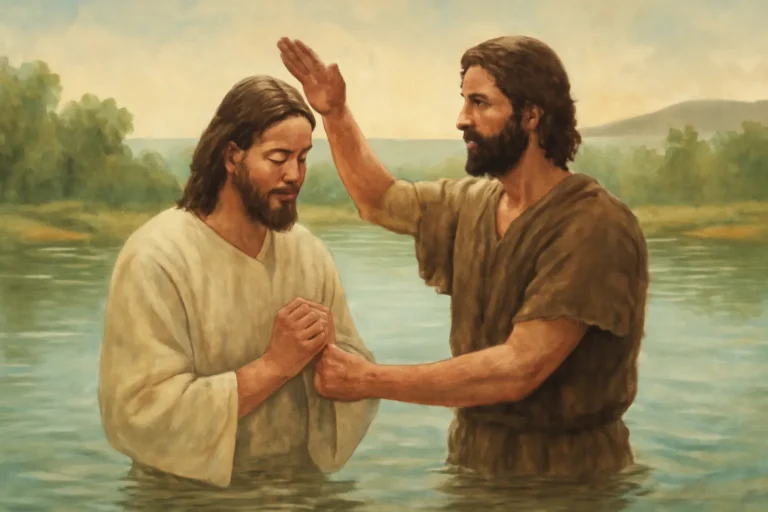
John the Baptist’s river-centered ministry: In the Gospels, John’s baptism took place in the Jordan River, and his message about repentance and preparation for the Messiah shaped early understandings of baptism as a ceremo ny of turning toward God. This archetypal scene anchors the ritual’s symbolism in living water and covenant renewal.
The Jordan as a symbol of covenant renewal: The Jordan River became a powerful biblical symbol of crossing from old life into the promised future. This association enriched river baptisms in Christian communities that valued a lineage connected to biblical events.
Didache and early Christian practice: Early Christian writers and communities referenced baptism in living water as a primary mode of initiation. While other modalities existed, immersion in natural water was celebrated for its immediacy and corporeal clarity.
Patristic and medieval developments: Across centuries, various regions adopted river or outdoor settings for baptism, particularly where built baptismal fonts were scarce or where the congregation gathered near rivers for catechesis and evangelism.
Reformation era and modern diversity: The Reformation sparked renewed emphasis on believer’s baptism and public profession, leading to a broader acceptance of outdoor or river baptism as a meaningful form of initiation in many Protestant communities, alongside the established church’s sacraments.
The river as venue: geography, symbolism, and practical significance
Choosing the river as the setting for a baptism invites a distinctive atmosphere. The natural environment adds aesthetic, emotional, and theological dimensions that indoor spaces may not replicate. Consider these aspects when planning a river baptism:
Flowing water and ongoing life: The movement of water symbolizes the Spirit’s ongoing work in a believer’s life and the continuous renewal of the community.
Accessibility and symbolism of open spaces: Rivers are public and natural, making the rite visible to the broader community and rooted in the ordinary world rather than a secluded indoor space.
Weather and seasonality: The conditions of the day—temperatures, rain, current strength, and water clarity—greatly influence safety and the pacing of the ceremony. Some communities prefer warmer climates or carefully managed river sections during certain seasons.
Environmental and cultural sensitivities: River locations must be chosen with respect for local ecosystems, landowners, and public safety regulations. When shared with communities that depend on the river for livelihood, organizers often coordinate with authorities and stakeholders to minimize disruption and ensure safety.
Across Christian traditions, river baptism takes on varied meanings and practical implementations. While some churches emphasize complete immersion in living water, others practice symbolic immersion or a combination of immersion and affusion (pouring). Here are some broad tendencies you may encounter:
Baptist and evangelical traditions: Often emphasize full immersion as the normative mode for adult baptism, with the river providing a natural setting for a clear, public confession of faith.
Anabaptist and Mennonite communities: Similar emphasis on believer’s baptism by immersion, frequently conducted in rivers or other natural bodies of water as a tangible act of obedience and community witness.
Catholic and Orthodox contexts: River baptisms are less common as a normative practice; baptism is typically administered by immersion at a font or with pouring, followed by chrismation or confirmation in some traditions. When rivers are used, they reinforce the sacramental character of baptism within the broader liturgical life.
Mainline Protestant churches (Lutheran, Anglican, Methodist): May employ immersion, sprinkling, or pouring, depending on liturgical season, location, and pastoral discretion. The river is often a meaningful backdrop for public profession and community participation.
Safety, ethics, and logistical considerations
Holding a river baptism requires careful planning to ensure safety, respect for the environment, and genuine spiritual integrity. The natural setting introduces risks that indoor venues do not pose to the same degree. Below are practical guidelines commonly observed by churches and ministries that practice river immersion:
Legal permissions and permissions: Secure permission from landowners or local authorities when the riverbank is publicly accessible or privately owned. Ensure compliance with local regulations on gatherings, water use, and safety.
Water conditions assessment: Check current strength, depth, water temperature, clarity, and potential hazards (rocks, eddies, undertows). Avoid baptisms in fast-moving currents or in areas with entangling vegetation or hazardous debris.
Weather and seasonality: Avoid baptisms during floods, storms, or extreme cold. Have a flexible plan and alternative indoor space or sheltered area if conditions worsen.
Safety equipment and personnel: Designate water safety volunteers, have life jackets available for participants who need them, and maintain a first-aid kit. Ensure that trained leaders or lifeguards are present if the water is deep or hazardous.
Clothing and accessibility: Advise participants to wear modest, comfortable clothing suitable for getting wet—often white garments or robes are used for the ritual expressions. Provide towels and dry clothes for after the rite.
Environmental stewardship: Use biodegradable soaps sparingly if cleansing rites require washing, and be mindful of river ecosystems. Leave no trace, and avoid contaminating the water with detergents or personal items.
Pastoral sensitivity and inclusivity: Ensure the rite respects participants’ ages, physical ability, and emotional readiness. Provide alternatives for those who cannot participate in immersion due to health or safety reasons.
Step-by-step guide to performing a river baptism
For those who are preparing to guide a river baptism, a well-structured plan helps ensure the ceremony remains meaningful, safe, and legally compliant. The following step-by-step guide offers a practical framework that can be adapted to different denominations and local contexts. Throughout this section, you will see variations of the rite described as river baptism or baptism in the river, depending on the specific phrasing you prefer.
Preparation and prerequisites
Confirm doctrinal alignment: Ensure that the person seeking baptism has made a personal profession of faith appropriate to your tradition. document prerequisites, such as catechesis or testimony, as required by your community.
Obtain permissions: Secure permission from landowners or local authorities and check safety regulations for the chosen site. Ensure that the location is accessible to participants, witnesses, and emergency services if needed.
Develop a ceremony plan: Outline the order of service, including prayers, scriptural readings, declaration of faith, the moment of immersion, and closing remarks. Identify who will lead each segment and what roles lay participants will have (readers, translators, musicians).
Assemble necessary materials: Gather towels, clean robes or garments suitable for modesty, a change area, a portable platform or stepping stones if needed, a container with water for rinsing, and a basic first-aid kit.
Coordinate with the local context: Inform the congregation and any nearby communities about the event to minimize disruption and to invite support and prayer. Consider inviting family and friends to participate in the celebration as witnesses.
Pastoral counsel and confession of faith: Provide a brief pre-ritual moment for the candidate or adult participant to share a simple testimony of faith and intent. For infants or young children, ensure parental confirmation and the appropriate blessing is arranged.
Wardrobe and modesty: Recommend modest swimwear or white robes with appropriate coverage. Have a robe or towel ready for quick changes after the immersion.
Witnesses and community roles: Invite family, sponsors, or church members to serve as witnesses, to offer blessing, or to read a relevant passage from Scripture during the service.
Choosing the location and setting up
Site assessment: Visit the site beforehand to evaluate safety, footing, and accessibility. Identify a spot where shallow depth and calm water can be achieved without undue risk.
Define the ritual space: Establish a clear boundary for the ceremony using simple markers or natural cues. Ensure a space for the candidate, clergy, witnesses, and spectators to observe with respect.
Prepare water essentials: If natural water is cooler or lacks clarity, consider ways to rinse after immersion and to ensure the person’s comfort during the ceremony.
The rite itself: sequence and language
Opening prayer and invitation: Begin with a brief invocation that asks for God’s presence, wisdom, and safety throughout the ceremony.
Scripture reading and reflection: Include a short passage that highlights cleansing, renewal, or surrender to God’s will. A reading may be followed by a brief reflection from the leader.
Declaration of faith and profession: The candidate or participant declares their belief and intention to follow Christ. The congregation may respond with a reaffirmation of faith or a blessing.
The moment of immersion or partial immersion: The person is slowly immersed in the river or water is poured on their head, depending on the tradition. If immersion is used, the process symbolizes the death and resurrection motif; if pouring is preferred, emphasis is placed on cleansing and initiation through the Spirit.
Emergence and blessing: As the participant rises from the water, a blessing is pronounced. A prayer of blessing can acknowledge new life, spiritual gifts, and responsibilities within the faith community.
Post-ritual prayer and communal blessing: Conclude with prayers for the participant, the river setting, and the community. Invite witnesses to celebrate and support the new member in their journey.
Aftercare and documentation
Immediate care and warmth: Provide a dry place, a towel, and a change of clothing. Ensure the participant is physically comfortable and supported after coming out of the water.
Spiritual follow-up: Offer resources for ongoing growth, such as baptismal catechesis, small groups, or mentoring relationships tailored to the new believer’s context.
Record-keeping and consent: Document the baptism according to your church’s or denomination’s procedures. Obtain consent for publication or sharing of the event with the congregation if appropriate, and preserve baptismal records in a designated secure location.
Public testimony and celebration: Consider a post-ceremony gathering or a short testimony session where the new believer can share how this moment is shaping their faith journey.
Variations and related rites
Although a river setting is a powerful and symbolic choice, there are variations in how river immersion can be conducted and how the rite is framed within broader liturgical life. Here are some common alternatives and related practices you might encounter:
Full immersion vs. partial immersion: Some communities perform a complete submersion, while others use a partial immersion or pouring as a symbol of cleansing and spiritual renewal. The theological emphasis can guide which method is chosen.
Adult baptism vs. infant baptism: River baptism is more commonly associated with adult or confessing-believer baptism, where individuals articulate personal faith. Infant baptism in a river is rare in many traditions, though some communities practice a water blessing or a blessing ceremony for infants in natural settings.
Corporate or community blessing: In some contexts, the river rite is followed by a larger communal blessing or reception, highlighting the newly initiated member’s integration into the church body.
Parallel rites: In several traditions, the river baptism is paired with confirmation, first communion, or a commitment ceremony to emphasize continued discipleship beyond the initial act of initiation.
Many traditions affirm that baptism is valid through the appropriate form and intention, which can occur in rivers, fonts, or other water sources. The key often centers on inner faith, repentance, and the community’s recognition of the rite.
What should I wear for river baptism?
Wear modest, comfortable clothing suitable for getting wet. A simple approach is to wear a white robe or a swimsuit covered by a robe or towel. Bring a change of clothes, a towel, and a dry area for comfort after the rite.
What if someone cannot participate in immersion due to health or safety concerns?
Respect alternative expressions of initiation, such as pouring, laying on of hands and blessing, or a non-immersive confession of faith. The pastoral leadership should discern a suitable approach that honors the person’s wellbeing while remaining faithful to doctrinal commitments.
How is the occasion recorded or documented?
Church records typically document the date, location, name of the participant, and the form of baptism (immersion, pouring, etc.). If images or video are shared publicly, obtain consent and consider privacy concerns.
How can I ensure a river baptism remains safe and respectful?
Prioritize safety with trained leaders, water safety volunteers, and clear emergency plans. Respect the river’s ecology and the surrounding community’s needs. Communicate clearly with all participants about expectations, limitations, and spiritual significance.
Practical reflections for churches, pastors, and lay leaders
Rivers have carried the stories of faith for generations. A river baptism invites both organizers and participants into a space where nature becomes a partner in spiritual formation. The following reflections can help communities approach the rite with reverence and good stewardship:
The rhythm of the ritual: The sequence of confession, immersion, and blessing mirrors the spiritual arc of entering a life of discipleship—identifying with Christ’s death and resurrection and committing to a journey of ongoing growth.
Community witness: The presence of witnesses at the river emphasizes the communal nature of faith. The church may use the moment to publicly affirm the candidate’s path and to celebrate with the wider neighborhood.
Continual formation: A river baptism should be understood as the door to deeper discipleship rather than a solitary milestone. Follow-up programs, mentorship, and opportunities for service reinforce the transformative significance of the rite.
Ecumenical sensitivity: Recognize and honor how different traditions understand baptism while maintaining a posture of unity in shared faith. When planning a public event, communicate respectfully about the symbolic meanings across communities.
Across centuries and cultures, river or outdoor baptisms have captured the imagination of believers as a tangible sign of God’s grace entering the lives of people in a raw, unmediated way. The flowing water serves as a living metaphor for spiritual refreshment, renewal, and a surrender to the divine will. While the practice may vary—from immersion in a river to pouring water over the head, or to adopting an indoor equivalent—the heart of the rite remains the same: a public, faithful act that marks a turning toward God and a commitment to follow the way of Jesus. In this light, river baptism is less about the setting and more about the enduring message of transformation that water can symbolize when exercised with care, reverence, and love for the broader church and creation.
For communities seeking to explore river baptism meaningfully, the goal is not merely to recreate an ancient scene but to translate its core spiritual quality into present-day life. When planned with attention to safety, dignity, and pastoral care, a baptism in the river can become a powerful reminder that faith is something public, communal, and alive—a current that continues to shape the lives of those who step into the waters and rise again into a hopeful future.