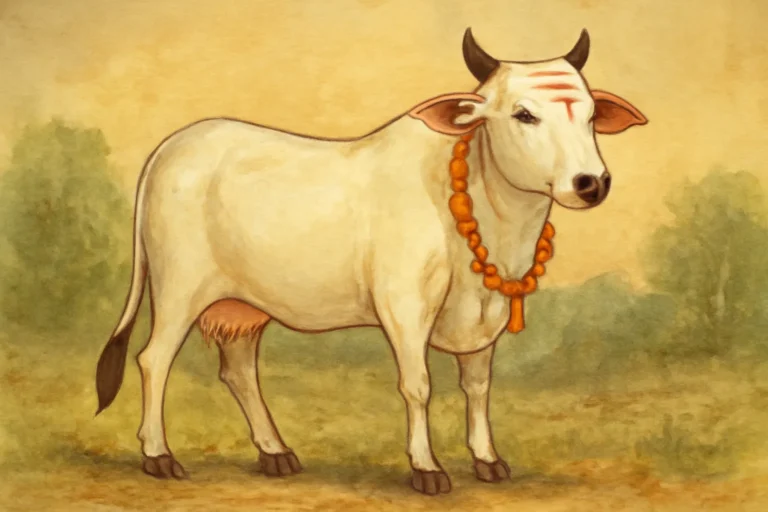
Why Is the Cow Sacred in India? Origins, Religion, and Cultural Significance
The cow holds a unique and multifaceted position in Indian history, religion, and daily life. Its status as a sacred animal is not the product of a single doctrine or era, but the result of centuries of religious symbolism, agricultural dependence, and social practice that together shaped a powerful reverence. For many people in India, the question why is the cow sacred in India touches on ancient myths, laws, rituals, and everyday economies. This article explores the origins, religious dimensions, and broad cultural significance of the cow, explaining how a domestic animal became a enduring emblem of dharma, abundance, and community.
To understand why cows are held in such esteem, it helps to look back to the dawn of Indian civilizations and the widespread role cattle played in agrarian life. The domestic cow has long been a central component of rural livelihoods, contributing not only milk and dairy products but also dung for fuel and fertilizer. This practical importance laid the groundwork for symbolic meanings that later religious and philosophical traditions would magnify into sacred status.
In early Vedic and post-Vedic contexts, cattle appear as a measure of wealth and a symbol of plenty. The Rig Veda and later scriptures repeatedly acknowledge cows as sources of sustenance and prosperity. In many passages, cattle symbolize abundance, fertility, and the capacity to sustain a community through both crop yields and dairy products. The expression “go” (Sanskrit for cow) functions as a root concept in many social and religious ideas, embedding cows within the very vocabulary of life and prosperity.
Mythological figures associated with cows deepen the sense of sacredness. The most famous among them is Kamadhenu (also called Surabhi in some traditions), the divine, wish-granting cow who embodies the plenitude of the cosmos. Kamadhenu is said to be the mother of all cows and a symbol of divine abundance, able to grant any wish and sustain gods, sages, and humans alike. While Kamadhenu occupies a place in legend rather than a single canonical text, her image recurs across temples, art, and folk stories as a paradigm of sacred nourishment and generosity.
Another layer of origin lies in the agricultural calendar and the seasonal cycles that governed village life. The cow’s rhythms—calm grazing, the calving season, the collection of milk, the gathering of dung and urine for fuel and fertilizer—matched the cycles of sowing and harvest. This practical alliance with the land gradually transcended utility and became a moral lesson in stewardship and compassion. In this sense, the question of why is the cow sacred in India is not solely theological; it is also an explanation for why cattle have been treated with care across centuries of rural society.
The Cow in Hindu Cosmology and Theology
Religion in India often presents the cow as a living symbol that embodies several intertwined values: gentleness, generosity, fertility, and the sanctity of life. In Hindu thought, the cow is frequently described as a Giver—a source of nourishment not only in meatless diets, but through milk, ghee, yogurt, and other dairy derivatives that sustain households. The reverence has produced a layered set of associations that go beyond dietary choices and enter the realm of spiritual symbolism.
The cow as a sacred symbol is often tied to the idea of the divine feminine and motherhood. In many stories, the cow is portrayed as a maternal presence that nurtures gods and humans alike. The epithet “Gomata”—meaning “cow-mother”—appears in devotional poetry, regional folk songs, and temple rituals as a common way to address the cow’s compassionate role. This maternal image is not merely sentimental; it signals a belief in care, nourishment, and protection for all beings, a core ethical aim in many Indian religious traditions.
Kamadhenu, Govardhan, and Nandi: Three sacred focal points
Several iconic ideas and figures anchor the sacred status of cows in Indian culture:
Kamadhenu and Surabhi are the legendary wish-granting cows who emerge from divine realms and provide sustenance to sages and gods. Kamadhenu is a powerful symbol of abundance and the divine generosity that sustains life.
Govardhan and the cow’s welfare are intimately linked in the legend of Krishna lifting the Govardhan Hill to protect the villagers and their cattle from a storm sent by Indra. This episode elevates cows and their herds into a sacred scene of protection, community, and divine intervention.
Nandi, the bull who serves as the mount and emblem of Shiva, represents strength, steadfastness, and spiritual guardianship. The bull’s prominence in temples and myth highlights a complementary sacred profile: not only the gentle cow but also the powerful bull are revered as divine creatures with specific roles in cosmic and earthly order.
The diverse sacred images surrounding cows—Kamadhenu’s bounty, Govardhan’s protective hill, and Nandi’s majestic presence—together map a wide spiritual vocabulary. They illustrate how a single animal can symbolize nourishment, protection, power, and spiritual discipline. In everyday practice, these associations translate into rituals, temple iconography, and devotional poetry that reinforce the sense that the cow embodies a living contact between humans, ancestors, and the divine.
Cultural Significance Across Regions
India’s vast regional tapestry means that interpretations of cow reverence are not uniform. Different regions emphasize different aspects of the cow’s sacred status, reflecting local histories, ecological contexts, and religious mixtures. Yet a common thread runs through most regional expressions: the cow as a steward of human life and ecological balance.
In rural communities, the cow is often central to daily economy and household chemistry. Milk products—milk, ghee, yogurt, butter—are essential staples in many diets and religious offerings. Dung (gobar) and urine (gomutra) have long been used as fuel, fertilizer, and components in traditional medicines and purification rituals. The practical uses of cattle reinforce the perception that cows are not merely animals but living resources to be treated with respect and care.
Across the subcontinent, Go Puja (cow worship) and related ceremonies appear in many forms. Some communities hold special days when cows are bathed, fed, decorated, and honored with prayers. In temples, garlands, tilak marks, and offerings of water, grass, and grains accompany the presence of cows during festival seasons. These rituals are not isolated acts; they are public manifestations of a broader ethical stance that places nonviolence, generosity, and care for creatures at the heart of spiritual life.
Regional variations also appear in agricultural calendars. In certain regions, cattle are integral to plowing fields and preparing soil before sowing. The arrival of a new calf, the maintenance of feeding troughs, and the orderly care of livestock reflect a social expectation that the broader community will protect and sustain a resource that sustains many households. The economic and emotional value of cows in these contexts reinforces why some communities treat cows with exceptional reverence, extending to social norms and, in some cases, public policy.
In some Indian states, the cultural prestige of cows has a political dimension as well. The idea of protecting cows has become entwined with debates about tradition, modernity, and religious pluralism. Laws regulating cattle slaughter reflect ongoing negotiations about identity, faith, and ethical responsibility in a rapidly changing society. While not every Indian shares the same stance on cattle slaughter, most acknowledge the cow’s historic role as a symbol of life-sustaining resources and moral virtue in many communities.
Rituals, Practices, and Daily Life
Beyond myth and symbolism, the cow’s sacred status finds daily expression in rituals and everyday practices. The nesting of cows within village life is visible in the architecture of many homes, the presence of goshalas (cow shelters) in rural and peri-urban areas, and the social expectations surrounding animal care. Some of these practices include:
Care and shelter: Providing shelter, feed, clean water, and medical attention to cows and calves as a community responsibility.
Offerings and prayers: Inviting cows to share in household rituals, offering fresh grass, water, and grains during holy days and familial milestones.
Ritual cleansing and purification: Using cow dung and urine in traditional purification rites, as well as in certain agrarian rites that seek to bless crops, livestock, and households.
Festivals: Attending and performing go-puja during festivals such as Gopastami, Govardhan Puja, and regional fairs that center around livestock welfare and cattle herding traditions.
Goshala networks: Communities organizing around Goshalas—shelters for cows that provide care, sanctuaries, and sometimes educational centers about cattle biology, nutrition, and sustainable farming.
These practices illustrate how the sacred status of cows translates into concrete action. When people feed a cow with care, bathe its body, decorate it for festivals, or pray for the health of a herd, they enact a social ethic that values life, community welfare, and harmony with the biosphere. In this sense, the question why is the cow sacred in India is answered not only by scriptures and myths, but by the everyday acts of kindness, responsibility, and reciprocity that shape village and town life.
Myths and Legends Central to Cow Reverence
Mythology is not a single cohesive narrative in India but a constellation of tales that reinforce the moral and cosmic significance of cows. The stories vary by region, tradition, and language, yet they converge on a shared theme: cows are conveyors of divine grace, guardians of livelihoods, and patrons of ethical behavior.
Krishna and the cowherds: In many Vaishnava traditions, Krishna’s childhood in Vrindavan as a cowherd strengthens the bond between divinity and cattle. The pastoral landscape where Krishna protects cows and plays with young gopis reinforces the sacred ecology of the countryside.
Kamadhenu’s bounty: The celestial cow of plenty appears in stories connected to sages and gods, symbolizing the possibility of divine generosity sustaining the world if humans cultivate virtue and compassion.
Govardhan and cattle protection: The episode where Krishna lifts Govardhan Hill to shelter villagers and their cattle from rain emphasizes the moral of protecting all creatures, particularly those essential to human survival.
Nandi and temple sanctity: The bull’s role as Shiva’s mount at numerous temples situates the animal within sacred architecture, showing that strength and devotion can coexist with gentleness and reverence for life.
These myths also reflect a broader philosophical stance in many Indian traditions: the interconnectedness of all beings and the idea that humans have a duty to practice nonviolence, stewardship, and humility. The cow, as a living emblem of nourishment and mercy, becomes a symbol of this ethical ecosystem. By studying stories about the cow, readers can gain insight into how spiritual imagination shapes daily life and social norms in India.
Modern Law, Ethics, and Social Dynamics
In contemporary India, the sacred status of cows intersects with modern law, public policy, and urbanization. The country is home to a spectrum of regional laws and social attitudes regarding cattle protection and slaughter. In many states, laws restrict or regulate the slaughter of cows, reflecting the deep emotional and religious resonance that the animal holds for large portions of the population. These legal frameworks emerge from long-standing moral debates about animal welfare, cultural heritage, and religious tolerance, and they illustrate how ancient reverence continues to steer present-day governance.
At the same time, India’s diverse religious landscape means that attitudes toward cows are not monolithic. While many Hindu communities uphold the sacred status of the cow, other communities—followers of different faiths or secular orientations—may emphasize different dietary rules, economic needs, or social policies. The coexistence of these viewpoints has spurred ongoing discussion about how to balance tradition with modernization, animal welfare with livelihoods, and religious expression with pluralism.
From an ethical standpoint, the cow’s reverence can be viewed as a form of eco-spirituality, a holistic ethic that links compassion for living beings with sustainable agriculture. The extensive use of cow dung and urine as natural resources reflects a consciousness of waste reduction and resource efficiency that resonates with contemporary environmental concerns. In this sense, the ancient reverence for cows also contains seeds of modern sustainability practices—an enduring reminder of how traditional knowledge can intersect with current ecological needs.
Regional Variations in Sacredness and Practice
Across India, the sacred status of cows takes shape in regional manners that reflect the country’s linguistic, climatic, and cultural diversity. For example, in some North Indian communities, the cow is central to ritual offerings during major festivals, while in certain South Indian regions, the animal’s association with agricultural seasons and temple rituals remains strong. In Eastern India, stories about cows and cattle herding may blend with local agrarian celebrations and folk art. The common thread is a shared recognition that cows are more than livestock; they are a living source of nourishment, a symbol of abundance, and a bridge between the material and the sacred.
In urban settings, the cow’s sacred aura may appear in different forms: public blessings by priests near temples, community goshalas, or civil discussions about animal welfare in civic spaces. Modern media and art also circulate images of cows as symbols of Indian identity and heritage, contributing to a broader cultural dialogue about tradition, modernity, and national character. While the specifics may vary, the underlying idea remains consistent: cows are to be treated with respect, care, and gratitude for the many services they provide to human society.
Why the Cow Remains a Powerful Symbol in Indian Culture
To answer the question why is the cow sacred in India, one can trace several interlocking reasons that have endured through centuries:
Symbol of life-sustaining resources: Milk, ghee, curd, and other dairy products form a staple of many diets, while dung and urine serve as fuel and fertilizer, connecting the cow to daily survival and agricultural productivity.
Embodiment of generosity and motherhood: The cow’s role as a giver of sustenance and the maternal image of Gomata position the animal as a nurturing presence in the household and the community.
Mythological and theological depth: Figures such as Kamadhenu, Govardhan, and Nandi embed cows within mythic landscapes, reinforcing ethical ideals and cosmic order.
Ethical and ecological wisdom: The reverence for cows intersects with nonviolence, care for living beings, and sustainable use of natural resources, which resonate with broader environmental and ethical concerns today.
Social and cultural cohesion: The cow’s sacred status has helped create shared rituals, festivals, and cultural imagery that bind communities together across vast regions and languages.
In sum, the question about the sacredness of the cow in India cannot be reduced to a single origin story or a solitary practice. It emerges from a long history that weds material dependence with spiritual aspiration. Whether through the lens of mythology, theology, daily practice, or public policy, the cow remains a living symbol of life�s generosity and the deeply held conviction that care for all creatures forms a path toward harmony and well-being for human society.
For readers exploring the topic of why is the cow sacred in india from a scholarly or cultural perspective, it is helpful to keep in mind that reverence expresses itself in many forms: devotion and ritual, daily care and economic practice, spiritual storytelling, and contemporary debates about ethics and governance. The cow’s sacred status is not static; it continues to evolve as communities reinterpret tradition in light of new social, environmental, and political realities. This ongoing conversation reflects the enduring significance of the cow in Indian life—a symbol that has sustained generations while adapting to new circumstances.