The Parable of the Sower and the Seed: Unearthing the Meaning for a Richer Spiritual Life
The Parable of the Sower and the Seed, as recounted in the Gospels of Matthew, Mark, and Luke, is far more than just an ancient agricultural story. It’s a profound spiritual allegory, a timeless lesson designed to illuminate the very nature of faith, reception, and spiritual growth. Jesus himself used this vivid imagery to explain why some individuals embraced his teachings with unwavering conviction, while others remained indifferent or easily swayed. Understanding the parable of the sower and the seed meaning isn’t about deciphering obscure religious dogma; it’s about examining our own inner landscape and cultivating a fertile ground for spiritual truth to take root and flourish.
This parable, at its heart, is about receptivity. It’s about the different ways people respond to the “seed” of God’s word, or any spiritual truth for that matter. Imagine a farmer meticulously sowing seeds across his field. Not all the seeds will yield a bountiful harvest. Some will be lost, some will struggle, and only a portion will truly thrive. This is precisely the analogy Jesus draws, inviting us to consider the conditions within our own hearts and minds that either nurture or hinder spiritual understanding and commitment.
The Different Types of Ground: Understanding Our Receptivity
The parable vividly describes four distinct types of soil, each representing a different human response to the spiritual seed. These aren’t arbitrary categories; they reflect common human experiences and internal barriers that can prevent us from truly internalizing and living out spiritual truths. By dissecting these different “grounds,” we can begin to understand ourselves and others better, and actively work towards becoming more fertile soil.
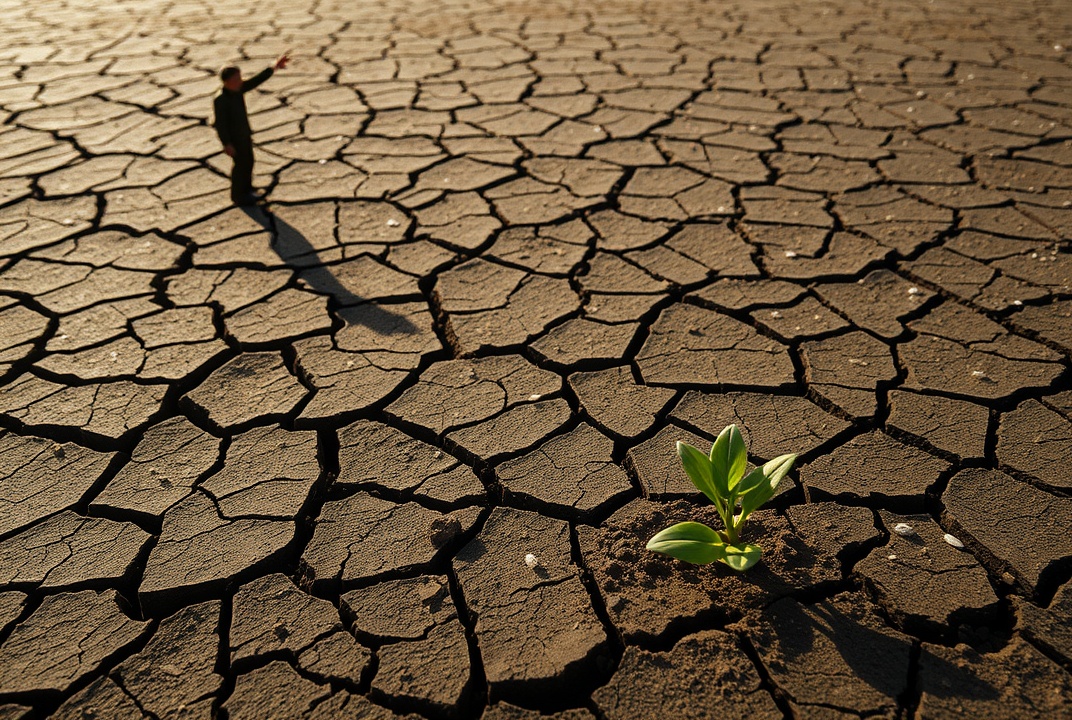
The first type of ground is the hard path. Jesus describes seeds falling on this path, where birds immediately come and eat them. This represents individuals who hear the word of God but do not understand it. Their hearts are hardened, perhaps by cynicism, prejudice, or a lack of genuine desire to engage. The spiritual message never even penetrates the surface; it’s like trying to plant a seed on solid rock. Their minds are closed, and the word is snatched away before it can take root, leaving no possibility for growth or transformation.
Next, we have the rocky ground, where the seed falls on shallow soil with plenty of rocks. This seed sprouts quickly because the soil is thin, but it has no deep roots and withers away when the sun beats down. This symbolizes those who hear the word and receive it with joy initially, but lack depth and perseverance. When trials, persecutions, or the allure of worldly comforts arise, their faith falters. They are easily discouraged because their commitment is superficial, lacking the deep-seated roots that can withstand life’s inevitable challenges.
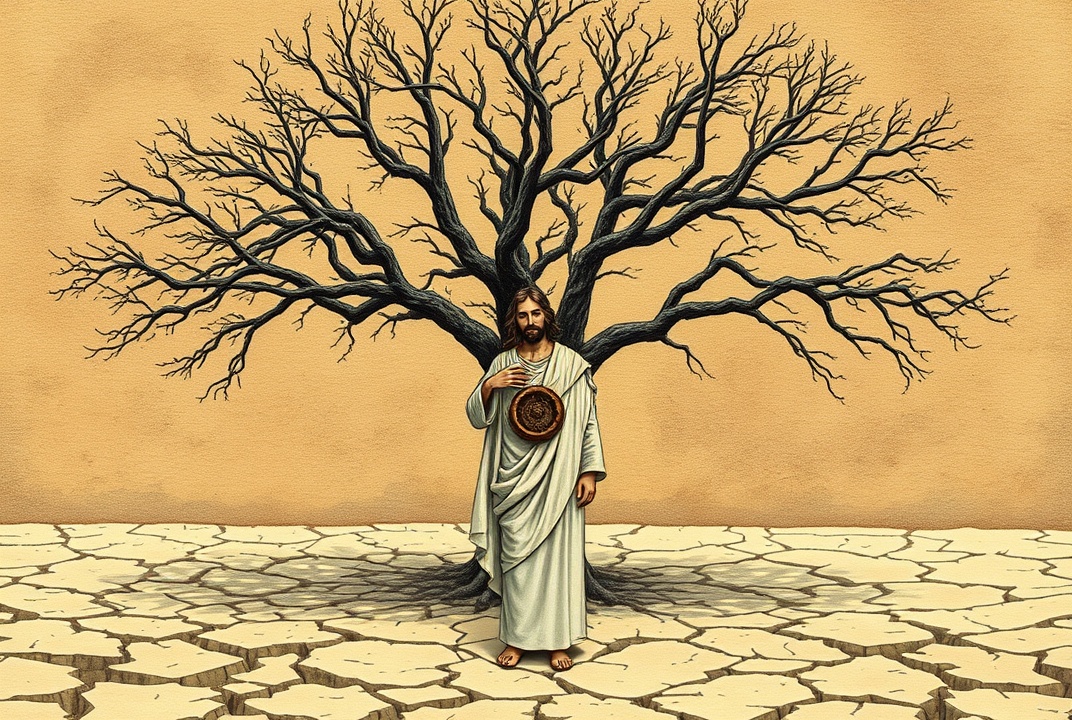
Third, the parable speaks of seeds falling among thorns. These seeds grow, but the thorns choke them, preventing them from producing a crop. This represents individuals who hear the word but are overwhelmed by the worries of life, the deceitfulness of wealth, and the desires for other things. The seed of truth struggles to survive amidst the constant pressures and distractions of everyday existence. These are people who might genuinely desire spiritual growth, but their focus is divided, their energy consumed by material pursuits and anxieties, leaving little room for the spiritual seed to mature.
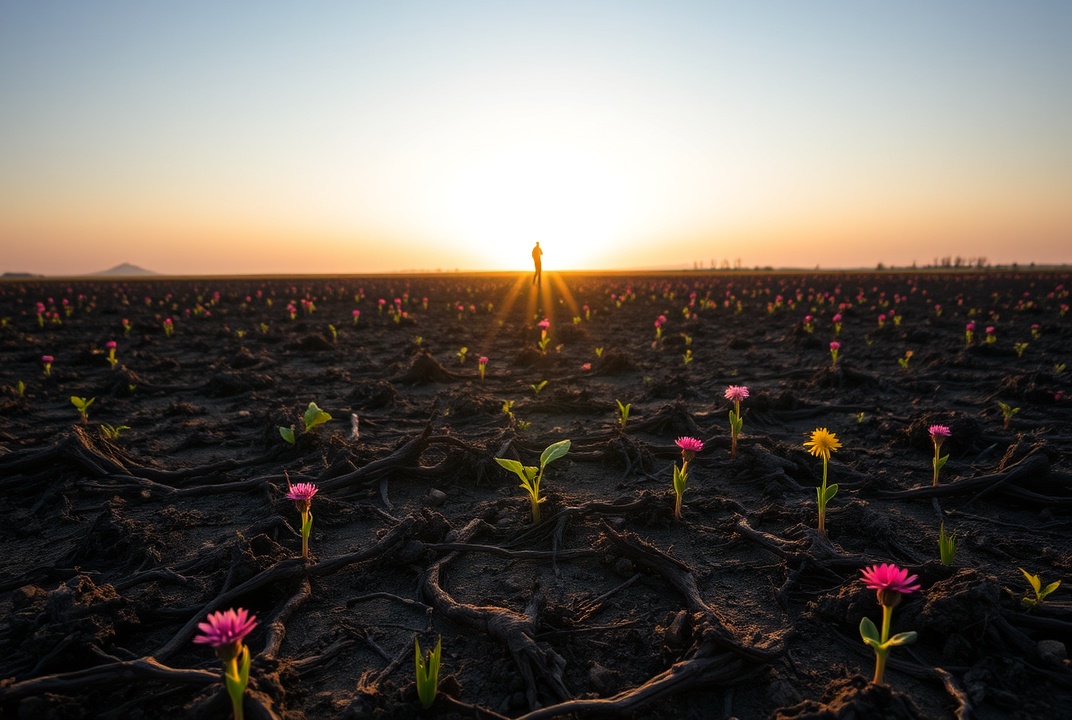
Finally, we have the good soil, the fertile earth that receives the seed and produces a crop, yielding thirty, sixty, or even a hundredfold. This is the ideal, the goal of our spiritual journey. It represents those who hear the word, accept it, and put it into practice. They are attentive, open-minded, and willing to cultivate their hearts. Their faith is not superficial; it is deeply rooted, resilient, and actively lived out, producing a harvest of righteousness and positively impacting the world around them.
The Seed: The Word and Its Potential
The “seed” in the parable is consistently interpreted as the word of God, or in a broader sense, any spiritual truth, divine revelation, or life-giving teaching. It’s not the seed itself that is flawed; the seed is inherently good, carrying the potential for life and abundance. The failure, therefore, lies not with the sower or the seed, but with the condition of the ground. This is a crucial aspect of the parable of the sower and the seed meaning. It shifts the focus from external judgment to internal responsibility.
The seed is a symbol of potential and life. It contains within it the blueprint for growth and fruitfulness. When we encounter spiritual teachings, whether through scripture, sermons, or personal reflection, we are encountering this potent seed. The implications are profound: God’s message is not inherently difficult to understand or impossible to live out. The challenge lies in our willingness to receive it, to prepare ourselves to nurture it, and to allow it to transform us.
The potential for a bountiful harvest is inherent in the seed itself. The parable highlights a remarkable capacity for multiplication – thirty, sixty, and a hundredfold. This signifies not just personal growth, but the expansive and transformative power of a life lived in accordance with spiritual truth. When the seed finds good soil, it doesn’t just survive; it flourishes, bringing forth abundant fruit that nourishes and blesses not only the individual but also those around them.
Cultivating Fertile Ground: Practical Steps for Spiritual Growth
Understanding the parable of the sower and the seed meaning is one thing; actively applying its lessons is another. The good news is that we are not condemned to be a particular type of ground forever. Our spiritual soil can be cultivated, prepared, and deepened. It requires intentional effort, self-awareness, and a commitment to nurturing the seed of truth within us.
Firstly, we must work on softening our hearts and minds. This involves actively listening with an open attitude, setting aside preconceived notions and biases before we even hear a teaching. It means approaching spiritual truths with humility, recognizing that we don’t have all the answers and that there is always more to learn. Practicing active listening, asking clarifying questions, and engaging in thoughtful reflection are all ways to break up the hard path.
Secondly, we need to develop deep roots of faith. This is achieved through consistent spiritual discipline, prayer, study, and fellowship. It’s about building a strong foundation that can withstand the inevitable storms of life. When faced with challenges, instead of abandoning our faith, we can draw strength from our deeply embedded roots. Regular engagement with spiritual practices helps to anchor us, preventing us from withering when the sun of tribulation beats down.
Thirdly, the battle against the choking thorns requires conscious effort. We must learn to prioritize, to discern what truly nourishes our souls and what distracts us. This might involve setting boundaries around our time and energy, reducing our consumption of superficial media, and consciously choosing to focus on spiritual matters. Discerning what truly matters and intentionally carving out space for spiritual reflection and growth is essential for preventing the seed from being choked.
Finally, the ultimate goal is to become good soil, producing a rich harvest. This happens when we not only hear the word but also internalize it and put it into practice. It’s about allowing the spiritual seed to influence our actions, our attitudes, and our relationships. Living out our faith – demonstrating love, compassion, forgiveness, and generosity – is the fruit of good soil. This active application transforms us and positively impacts the world.
The Enduring Relevance of the Parable
The parable of the sower and the seed meaning remains remarkably relevant in our modern world, which is often saturated with information and distractions. In an age of instant gratification and fleeting trends, the parable serves as a powerful reminder of the enduring importance of deep spiritual cultivation. It challenges us to move beyond superficial engagement and to cultivate a receptivity that allows life-giving truths to take root and bear fruit.
This parable transcends any single religious tradition. While rooted in Christian scripture, its core message about the receptivity of the heart and the potential for growth resonates universally. Whether one identifies as Christian, Jewish, Muslim, Buddhist, or follows a different spiritual path, the principles of preparing one’s inner landscape for truth, developing resilience, and actively living out one’s values are universally applicable. Self-awareness and intentional cultivation are the keys to spiritual flourishing, irrespective of the specific doctrines we hold.
Ultimately, the parable of the sower and the seed is an invitation to introspection and transformation. It’s a call to examine the soil of our own hearts and minds, to identify the barriers to spiritual growth, and to actively cultivate a fertile ground where the seed of truth can flourish. By embracing this timeless wisdom, we can move from being passive hearers to active participants in our own spiritual journeys, leading to a life of deeper meaning, purpose, and abundant spiritual fruit.
Frequently Asked Questions About the Parable of the Sower and the Seed
What is the Parable of the Sower and the Seed?
The Parable of the Sower and the Seed, found in the Gospels of Matthew, Mark, and Luke, is a teaching by Jesus that uses the analogy of a farmer sowing seeds to explain different responses to his message.
What does the seed represent?
The seed represents the word of God, the message of the Kingdom of Heaven, or the teachings of Jesus.
What do the different types of soil represent?
The different types of soil represent the different ways people receive and respond to God’s word:
Path: Those who hear the word but do not understand it; the devil comes and takes it away.
Rocky ground: Those who hear the word and receive it with joy, but it has no root; they believe for a while but fall away in times of trouble or persecution.
Thorny ground: Those who hear the word, but the worries of life and the deceitfulness of wealth choke the word, making it unfruitful.
Good soil: Those who hear the word, understand it, accept it, and bear fruit, producing a crop thirty, sixty, or even a hundred times what was sown.
What is the religious significance of this parable?
The parable highlights the importance of receptivity and understanding when encountering spiritual truths. It teaches that the effectiveness of God’s word depends not just on the sower, but also on the condition of the heart of the listener. It encourages introspection and self-examination regarding one’s own spiritual reception and the fruitfulness of one’s faith.
How does this parable relate to faith?
This parable is fundamental to understanding how faith takes root and grows. It suggests that true faith is not merely a fleeting emotion but a deep-seated acceptance that perseveres through challenges and leads to a transformed life that produces good works.
What does “bearing fruit” mean in this context?
“Bearing fruit” refers to living a life that reflects the teachings of God, demonstrating love, righteousness, and obedience. It signifies a spiritual maturity that results in positive actions and a positive impact on the world.