Jesus and the Fig Tree Curse: A Lesson in Spiritual Fruitfulness and Judgment
The narrative of Jesus and the fig tree curse, found in the Gospels of Mark and Matthew, is a potent and often misunderstood passage in Christian scripture. It’s not just a story about a hungry Jesus encountering a barren tree; it’s a profound parable about spiritual fruitfulness, divine expectation, and the consequences of unresponsiveness. When we delve into this seemingly simple event, a rich tapestry of theological meaning unfolds, offering valuable lessons for believers today.
This incident, occurring just before Jesus’ triumphant entry into Jerusalem, serves as a stark reminder that God is not merely content with outward appearances or the mere presence of religious activity. He seeks genuine spiritual production, a life that bears the unmistakable fruits of faith, love, and obedience. The fig tree, in its season, was expected to yield fruit, and its failure to do so became a symbol of a deeper spiritual barrenness, a powerful metaphor for individuals and even entire religious communities that fall short of God’s righteous standards.
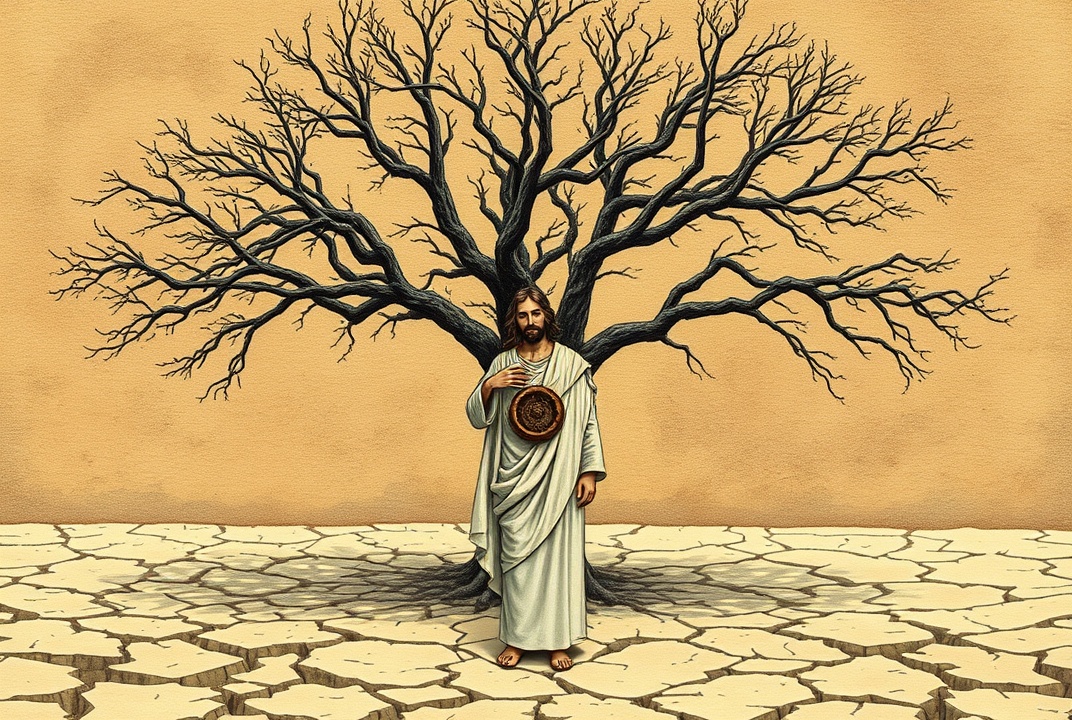
The story begins with Jesus and his disciples on their way to Jerusalem. As hunger gripped them, Jesus spotted a fig tree from a distance. The Gospel of Mark specifically notes that it was “not the season for figs” (Mark 11:13). This detail is crucial, as it highlights the unnatural barrenness of the tree. A tree in its season might be excused for a lack of fruit, but one that shows no promise even when fruit is not expected signals a fundamental deficiency.
Upon approaching the tree, Jesus found nothing but leaves. There was no fruit to be found, and in his frustration and as a demonstration of divine authority, Jesus declared, “May no one ever eat your fruit again!” (Mark 11:14). The next morning, the disciples were astonished to discover that the fig tree had withered from the roots up. This dramatic and immediate consequence underscores the seriousness with which Jesus viewed spiritual barrenness and the power inherent in his pronouncements.
The Symbolic Significance of the Fig Tree
The fig tree in this context is widely interpreted as a symbol for unfruitful discipleship and hypocritical religiosity. Just as a fig tree’s primary purpose is to bear fruit, so too are believers called to produce the fruit of the Spirit. This includes qualities like love, joy, peace, patience, kindness, goodness, faithfulness, gentleness, and self-control (Galatians 5:22-23). The presence of leaves alone, representing outward profession or religious activity, is insufficient if there is no accompanying substance of righteous living and genuine devotion.
Consider a common analogy: a beautiful, leafy tree that looks promising from afar but yields no apples when harvest time comes. We would naturally feel disappointed, perhaps even deceived. In the same way, Jesus saw the religious establishment of his day, and indeed any individual or community, that outwardly appeared devout but lacked the inner transformation and outward evidence of a life lived in accordance with God’s will. The lack of spiritual fruit was a sign of judgment.
Lessons for Spiritual Fruitfulness Today
The curse of the fig tree is not a story of divine vindictiveness but a stern warning and a powerful call to action. It challenges us to examine our own lives and our communities for the presence of genuine spiritual fruit. Are we merely going through the motions of faith, or are we actively cultivating the qualities that reflect God’s character in our lives? This requires intentional effort and reliance on the Holy Spirit.
Jesus’ interaction with the fig tree is a parable for all seasons of faith. It reminds us that God’s expectations are real and that he desires to see a harvest of righteousness from those who claim to follow him. This doesn’t mean perfection, but rather a consistent effort to grow and produce, to bear witness to God’s transformative power through our actions and attitudes. Consistent prayer, scripture study, and a commitment to living out our faith are vital in bearing this fruit.
The Call to Repentance and Bearing Fruit
The unfruitful fig tree serves as a potent reminder that spiritual stagnation is not an option for those who profess faith in Jesus. The prophecy in Luke 13:6-9 about a fig tree that was given time to be cultivated before being cut down if it still didn’t bear fruit further emphasizes God’s patience and desire for repentance. He gives us opportunities to grow and change, but there are ultimate consequences for persistent unfruitfulness.
To bear fruit, we must first be rooted in Christ. Like a tree drawing nourishment from the soil, our spiritual lives must be deeply connected to Jesus, allowing his life and spirit to flow through us. This connection enables us to produce the good fruit that God desires. The discipline of spiritual practices, such as tithing, serving others, and sharing the Gospel, are practical ways we can manifest this fruitfulness and demonstrate our commitment to God.
The curse on the fig tree is a powerful illustration of divine expectation. God, in his perfect wisdom and love, has certain hopes and purposes for humanity, and for his followers in particular. He desires to see a life transformed by his grace, a life that reflects his goodness and truth to the world. The barrenness of the fig tree highlights the gravity of falling short of these divine purposes.
This incident also speaks to the reality of divine judgment. While God is merciful and longsuffering, he is also just. The judgment depicted in the cursing of the fig tree is not arbitrary but a consequence of its failure to fulfill its intended purpose. For us, this means understanding that our actions have eternal implications, and that a life devoid of spiritual fruit will ultimately be judged by God’s righteous standards. Living a life aligned with God’s word is the surest way to avoid this judgment.
Jesus’ Authority and the Nature of Spiritual Reality
Jesus’ ability to curse the fig tree and cause it to wither instantly demonstrates his unparalleled authority. He is not merely a teacher or a prophet; he is the Son of God, with the power to pronounce judgment and enact it. This event serves as a visible manifestation of his divine power and his role as the ultimate judge. The authority of Jesus over the natural world and over spiritual situations is undeniable.
Furthermore, the episode reveals a deeper spiritual reality beneath the surface of the physical world. The barrenness of the fig tree was not just a physical state but a reflection of a spiritual condition. This underscores the importance of inner transformation over outward appearances. Jesus looks at the heart, and he expects to find the genuine fruit of a transformed life, not just the leaves of religious profession. This is a constant reminder that what truly matters is our relationship with God, not just our performance.
The Lasting Impact of the Fig Tree Parable
The story of Jesus and the fig tree curse continues to resonate through the ages because it speaks to fundamental truths about faith, obedience, and the consequences of choices. It’s a vivid reminder that our spiritual lives are meant to be productive and fruitful, a reflection of the life God has given us. The impact of this parable is profound, urging us to cultivate a deeper and more authentic relationship with Christ.
Ultimately, this narrative isn’t about a harsh God punishing an innocent tree. It’s a divine object lesson designed to awaken us to the priority of spiritual fruitfulness. It challenges us to move beyond mere religious affiliation and to actively cultivate a life that bears the unmistakable evidence of God’s work within us. The legacy of Jesus’ teaching on this matter is a perpetual call to examine our hearts and to live lives that honor him through genuine, God-honoring fruit.
Frequently Asked Questions: Jesus and the Fig Tree Curse
What is the story of Jesus cursing the fig tree?
In the Gospels of Mark and Matthew, Jesus encounters a fig tree that has no fruit. He curses it, and the next day, his disciples notice that the tree has withered. This event is often interpreted as a symbol of judgment and the consequences of unfruitfulness.
What does the fig tree symbolize in this story?
The fig tree is often understood to symbolize Israel or religious institutions that outwardly appear religious but lack true spiritual fruit or adherence to God’s will. Its unfruitfulness signifies a lack of righteousness, faith, or genuine devotion.
What is the religious significance of this event?
This event serves as a powerful illustration of Jesus’ authority over nature and his condemnation of hypocrisy. It highlights the importance of bearing spiritual fruit, which includes love, kindness, justice, and faith, rather than just outward religious observance. It also speaks to the consequences of rejecting or failing to live according to God’s principles.
Is this curse literal or symbolic?
While the event is described literally in the Gospels, many theologians and scholars interpret its primary meaning as symbolic. The literal withering of the tree serves as a vivid visual metaphor for spiritual barrenness and the judgment that can follow.
How does this relate to modern religious practice?
The story encourages believers to examine their own spiritual lives and the lives of their religious communities. It prompts reflection on whether outward religious activities are accompanied by genuine inner transformation and the production of good works, which are seen as the “fruit” of a life lived in faith.