The Fifth Commandment: A Foundation for Reverence and Responsibility
In the vast tapestry of religious and moral teachings, the Ten Commandments stand as pillars of guidance, offering a framework for living a life aligned with divine will and human well-being. Among these ancient decrees, the Fifth Commandment, “Honor your father and your mother,” resonates with a profound and enduring significance. It’s a principle that transcends specific religious doctrines, speaking to the fundamental human need for respect, gratitude, and the perpetuation of life and legacy. This commandment isn’t merely about obedience; it’s a cornerstone of a healthy society, a vital element in the spiritual journey, and a powerful reminder of our interconnectedness.
Understanding the Fifth Commandment requires us to look beyond a superficial interpretation. It’s not just a directive for children to passively submit to their parents. Instead, it’s an invitation to cultivate a deep-seated reverence for those who brought us into existence and nurtured us. This reverence extends to acknowledging their sacrifices, respecting their wisdom, and understanding the unique role they play in our lives and in the continuation of our family lineage. It’s a dynamic relationship, evolving as we grow, but the underlying principle of honor remains a constant.
The Roots of Honor: Why the Fifth Commandment Matters
The foundational aspect of the Fifth Commandment lies in its recognition of the origin of life. Parents are the conduits through which we receive our existence. This act, often fraught with immense effort and sacrifice, grants them a unique and irreplaceable position. Religious traditions worldwide, not just those stemming from the Abrahamic faiths, emphasize the sanctity of life and the profound debt owed to its progenitors. This debt is not one of servitude, but of gratitude and acknowledgment for the very gift of being.
Beyond the biological, parents are often our earliest teachers and guides. They impart fundamental values, shape our understanding of the world, and provide the emotional and practical support necessary for our development. To honor them is to recognize this foundational educational and emotional investment. It’s about appreciating the sleepless nights, the shared joys, the patient explanations, and even the difficult lessons they’ve offered along the way. This principle is deeply embedded in many religious narratives, often depicting elders and ancestors as repositories of wisdom and deserving of deep respect.
Honoring Parents in Practice: Beyond the Childhood Bedroom
The application of the Fifth Commandment evolves significantly as we transition from childhood to adulthood. While obedience is a key component for younger individuals, for adults, honoring parents takes on a more nuanced and mature form. It involves respecting their autonomy and life choices, even when they differ from our own. This might mean listening to their advice with an open mind, even if we ultimately choose a different path. It’s about valuing their experience and recognizing their continued worth as individuals, not just as figures from our past.
Furthermore, honoring parents often translates into practical support and care, especially as they age. This can range from offering emotional comfort and companionship to assisting with daily tasks and medical needs. Many religious texts speak of the responsibility to care for aging parents, viewing it as a sacred duty and a reflection of one’s own spiritual maturity. This isn’t about obligation alone, but about reciprocating the love and care we received, ensuring their dignity and well-being throughout their later years. It’s a beautiful cycle of love and responsibility, reflecting the enduring power of family bonds.
Reverence for Authority: A Broader Interpretation
While the Fifth Commandment directly addresses parental relationships, its underlying principle of reverence for authority extends to other spheres of life. Religious scholars and theologians often interpret this commandment as a foundation for respecting legitimate leadership and established order within society. This is because, in many ancient societies, parents were also heads of households and held significant societal influence. Therefore, honoring parents was intrinsically linked to respecting the established social hierarchy.
This broader interpretation encompasses respecting teachers, elders, community leaders, and even governmental authorities, provided they operate with integrity and justice. The rationale is that these individuals often hold positions of responsibility and influence that contribute to the well-being of the community. To dishonor them is to sow discord and undermine the very structures that can foster a peaceful and functioning society. This doesn’t equate to blind obedience, but rather to a judicious recognition of legitimate authority and the respect it often warrants.
Navigating Disagreement: When Honor Meets Independence
It’s crucial to acknowledge that honoring parents and other authorities doesn’t necessitate unquestioning conformity. Life is complex, and disagreements are inevitable. The Fifth Commandment encourages us to approach these differences with respect and thoughtful dialogue, rather than outright defiance or contempt. For instance, a young adult might disagree with their parent’s political views. Honoring them in this context would involve listening to their perspective, understanding the reasoning behind it, and expressing their own viewpoint respectfully, without resorting to insults or alienation.
Similarly, when encountering legitimate grievances with authority figures, the principle of honor guides us towards constructive criticism and seeking resolution rather than rebellion. This might involve engaging in peaceful protest, voicing concerns through appropriate channels, or seeking mediation. The aim is to uphold the principle of respect for the office or position, while still advocating for justice or necessary change. This delicate balance between honor and personal conviction is a hallmark of mature spiritual and civic engagement.
The Spiritual Dimension: A Pathway to Divine Connection
In many religious traditions, the Fifth Commandment is not just a social or familial directive; it is also a spiritual stepping stone. By learning to honor those who gave us life and nurtured us, we begin to understand the concept of divine honor and respect. Our earthly parents are, in a sense, earthly reflections of a divine parentage, the ultimate source of all life and love. Learning to honor them cultivates a capacity to honor God and the divine principles He represents.
This commandment is often seen as an entry point into a deeper spiritual life. It teaches us humility, gratitude, and the importance of acknowledging our dependence on higher powers. When we extend honor to our parents, we are practicing the very virtues that are essential for our relationship with the divine: submission to a greater will, appreciation for blessings received, and recognition of a source beyond ourselves. The blessings often associated with keeping this commandment – long life and prosperity – are not merely material but also spiritual, indicating a life lived in harmony with divine and human order.
Cultivating Honor: A Lifelong Practice
The Fifth Commandment, “Honor your father and your mother,” is far more than an ancient rule; it’s a vibrant and relevant principle that shapes our relationships, our communities, and our spiritual journeys. It calls us to a profound recognition of our origins and responsibilities, fostering a sense of gratitude and respect that ripples outward. By embracing its wisdom, we not only strengthen family bonds but also contribute to a society that values reverence, integrity, and the enduring power of love and legacy.
Cultivating this honor is a lifelong practice, requiring patience, empathy, and a willingness to learn and grow. It’s about actively seeking to understand, appreciate, and support those who have played a significant role in our lives, from our earliest caregivers to the guiding figures who shape our communities. In doing so, we honor not only them but also the divine spark within ourselves and within all of humanity, creating a more harmonious and spiritually enriched existence.
Frequently Asked Questions About the Fifth Commandment and Religion
What is the Fifth Commandment?
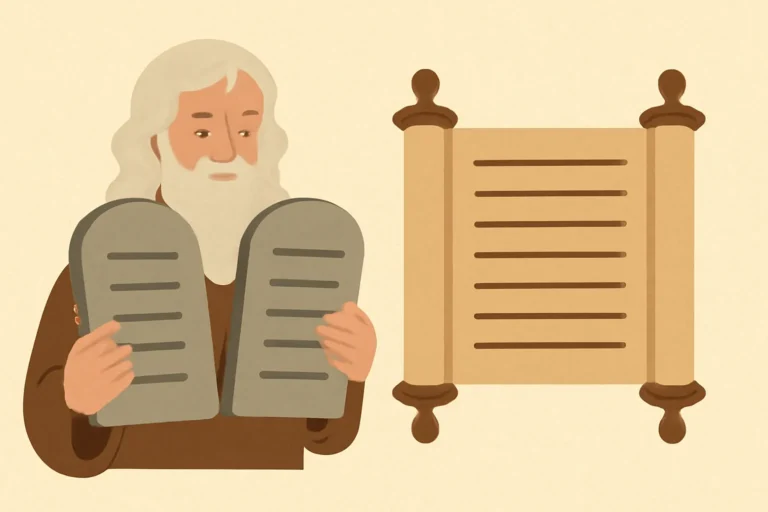
The Fifth Commandment is one of the Ten Commandments given by God to Moses. In most Christian and Jewish traditions, it states, “Honor your father and your mother” (Exodus 20:12).
What does it mean to “honor” your father and mother?
“Honoring” encompasses a broad range of actions and attitudes. It includes showing respect, obedience (within moral and religious boundaries), providing care and support, and acknowledging their role and authority in your life. It also signifies a recognition of their value and a commitment to their well-being.
Does the Fifth Commandment only apply to children?
No, the Fifth Commandment is understood to apply throughout a person’s life. While it has a specific emphasis on children’s duty to their parents, it also extends to adults caring for aging parents, showing respect to elders in general, and maintaining positive relationships within the family structure.
How does the Fifth Commandment relate to religion?
The Fifth Commandment is a foundational religious principle in Judaism and Christianity, emphasizing the importance of family and the structure of society as ordained by God. It is often seen as a stepping stone to honoring God, as honoring earthly parents is a reflection of honoring the divine Father. Many religious teachings connect family loyalty and respect with broader concepts of love, community, and obedience to divine law.
Are there exceptions to the Fifth Commandment?
Religious interpretations generally agree that obedience to parents is not absolute. If parents command something that is contrary to God’s law or moral principles, a person is obligated to obey God rather than their parents. However, this disobedience should ideally be approached with respect and a clear explanation of the reasons.
What is the religious significance of honoring parents?
In many faiths, honoring parents is seen as a way to honor God. It acknowledges the divine plan for family and the creation of life. It is also believed to bring blessings and a long life, as mentioned in some biblical passages, signifying a well-ordered life and a reflection of God’s own order and love.
How do different religions interpret honoring parents?
While the specific wording might vary, the principle of respecting and caring for parents is a common thread in many major religions.
Judaism: The commandment is highly valued and interconnected with honoring God. It emphasizes respect, care, and the continuation of family lineage.
Christianity: The New Testament reinforces the Fifth Commandment, often linking it to the concept of love and reciprocal care within families. Jesus himself upheld this principle.
Islam: Respect and kindness towards parents are paramount in Islam, often considered second only to the worship of Allah.
Buddhism: While not phrased as a commandment, Buddhist teachings strongly advocate for filial piety, gratitude, and care for one’s parents as essential virtues.
Hinduism: Respect for elders, especially parents, is deeply ingrained in Hindu culture and dharma, often seen as a sacred duty.