Origins and Theological Foundations of Baptism in the Early Church
The practice often simply labeled as baptism in the early church emerges from a convergence of Jewish, Greco-Roman, and Jesus-follower traditions. It was shaped by Jesus’ baptism by John, the commission given by Jesus to his disciples, and the early Christian conviction that the rite signified entry into the new covenant people of God. In the pages of the New Testament and in the writings of early Christian communities, baptism is consistently linked to faith, repentance, forgiveness of sins, and the reception of the Holy Spirit. It is not merely a ritual wash, but the moment at which a person is incorporated into the people of God and marked for a life shaped by the gospel.
From John the Baptist to the Jesus Movement
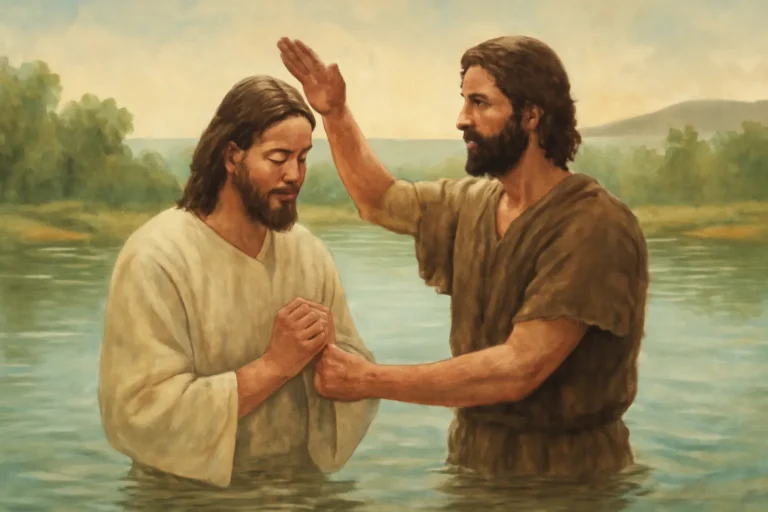
Long before Christians called the rite baptism, John the Baptist proclaimed a baptism of repentance for the forgiveness of sins and urged people to prepare themselves for the coming one. The Jordan River served as a potent symbol of cleansing and new beginnings. When Jesus himself underwent baptism, he did not need forgiveness in the sense that John spoke of, yet his act raised the meaning of baptism to the level of covenantal identification with God’s purposes. Early believers read this event as a model and a commissioning moment for Jesus’ followers to imitate his example and to participate in the life of the Spirit that Jesus inaugurated.
Rites and Roots: Purification, Initiation, and Covenant Renewal
In the formative years of the church, baptism carried the language of purification found in Jewish purification rites but oriented toward the new reality inaugurated by the crucified and risen Christ. The early church framed baptism as a public sign that the believer is turning away from idols and turning toward the living God. It is closely tied to faith in Christ and hope in the resurrection. The imagery of dying and rising with Christ became a central motif: to pass through the waters is to say farewell to the old life and to enter the new life provided by God’s grace.
Foundational Texts and Early Writings
The earliest Christian communities drew upon a shared scriptural memory and a growing body of teaching about baptism. Two streams—scripture and apostolic instruction—helped shape the practical and theological understanding of baptism in the second and third centuries.
Didache, Justin Martyr, and the Shape of the Baptismal Rite
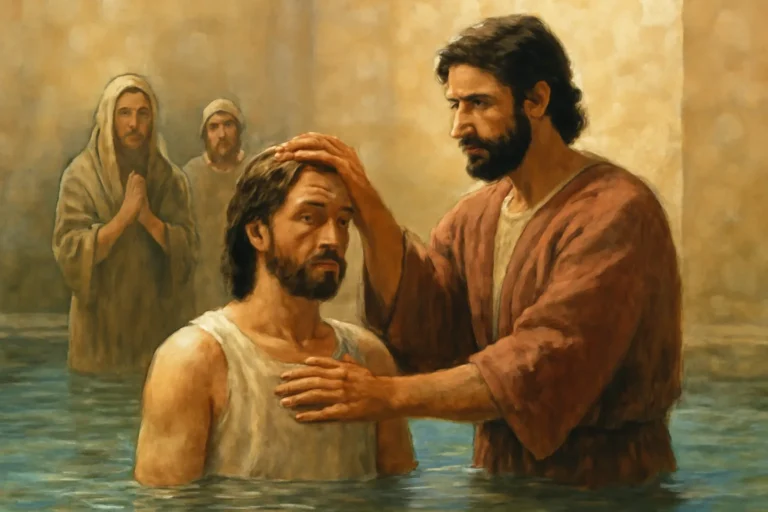
The Didache, a prized document from the early second century that reflects the teachings circulating among Christian communities, provides a concise account of how baptism was to be conducted. It emphasizes a form of baptism by immersion in living water if possible, but it also provides for a fallback: if water is scarce, pouring water over the head three times in the name of the Father, Son, and Holy Spirit. The Didache also underscores the role of renunciation and confession of faith, as well as the practice of fasting prior to the rite. The baptism described here is firmly tied to discipleship and to the evangelical proclamation that accompanies entry into the church.
In the writings of early apologists such as Justin Martyr, baptism is connected to forgiveness of sins and the reception of the Holy Spirit. Justin speaks of the baptismal rite as rooted in the narrative of repentance, faith in Christ, and the impartation of grace. The baptismal act thus becomes the entrance into a life of discipleship and liturgical participation, including the reception of the Eucharist after baptism.
The influential bishop Irenaeus of Lyon argues that baptism is the gateway to salvation and new life in Christ. For Irenaeus, the rite does not merely wash outwardly; it brings about a transformation of the heart and an incorporation into the church, which is the body of Christ. In his pastoral tone, baptism is described as the moment in which God grants new birth and cleansing from sin, so that the believer can participate fully in the mysteries of the faith.
Other early writers, such as Tertullian and, later, Athenagoras, reflect on baptism as a sacramental act that binds the believer to the church’s life. The patristic witness highlights several consistent elements: the catechetical instruction often precedes baptism, the rite involves a liturgical sequence with prayers and exorcisms, and the candidate rises to new life through the power of the Spirit. The early church also began to articulate a robust ecclesial theology of baptism: it marks the convert as a son or daughter of God and a member of the community, shares in the death and resurrection of Christ, and provides the grace needed to live a life of faith.
Practices and Rite: How Baptism Was Carried Out in the Early Church
The practical side of baptism in the ancient churches reveals both a shared core and regional variety. The general shape of the rite involved instruction, renunciation, faith, immersion or affusion, and a public declaration that the believer now belongs to Christ and to his people.
Modes of Baptism: Immersion, Affusion, and Aspersion
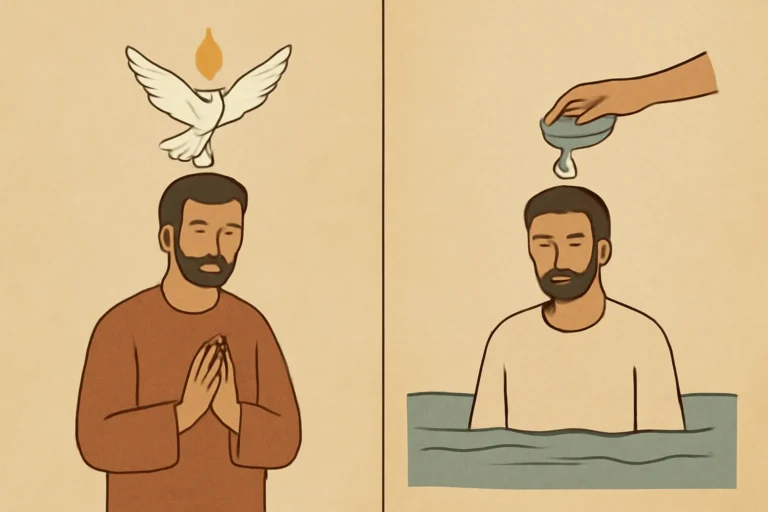
Early baptism was commonly performed by immersion in water, seen as a total washing and a dramatic enactment of death to the old life and resurrection to new life. However, sources from different communities indicate the acceptability of other modes when necessary. Affusion (pouring) and aspersion (sprinkling) were used in places where running water was scarce, where time constraints or safety concerns prevented full immersion, or during certain seasons such as winter or fasting periods. The Didache itself provides a practical rule: if there is not enough water for immersion, water can be poured three times on the head in the name of the Father, Son, and Spirit. The early church’s openness to multiple forms underscores the sacramental seriousness of baptism without reducing the rite to a single method.
In addition to the mode, the structure of the rite often involved the sign of the cross, prayerful petitions, and the invocation of the Trinity. The sacramental symbolism remained consistent: water as signifying cleansing, the Spirit’s gift as the agent of transformation, and the paschal mystery of Christ’s death and resurrection that baptizees identify with in faith.
Preparation: Catechumens, Exorcisms, and Confession
The preparation for baptism in the early church was typically lengthy and serious. It often began with a period of catechesis in the faith, moral formation, and instruction in the gospel. The catechumens stood outside the full life of the church until they confessed their faith and renounced the powers opposed to God. During this period, exorcisms could be part of the liturgical setting, reflecting the belief that baptism removed the powers of darkness and opened the catechumen to the grace of God. The confession of faith—professing belief in Christ before the gathered assembly—functioned as a public declaration that the person now belongs to the community of the faithful.
The role of sponsors or godparents also emerges in early practice. Sponsors stood for the community as witnesses and guarantors of the candidate’s commitment to the gospel. They promised to support the new Christian in learning the faith and living out the Christian life. This practice is part of the social fabric of baptism, showing that entering the church is not merely a personal act but a communal entrance into a shared life in Christ.
The Baptismal Liturgy: A Formation of Faith into Life
The baptismal rite involved more than the water act. It was embedded in a liturgical sequence that often included prayers, anointing with oil (symbolizing healing and spiritual empowerment), the placing on of light (symbolizing illumination by Christ), and the presentation of baptismal garments. In many traditions, a baptismal candle and the lighting of the font area signaled the disciples’ entry into a life marked by spiritual watchfulness and ethical aim. The proposal of the early church was that baptism unites the believer to Christ’s death and resurrection, makes possible a life lived in obedience to the Spirit, and initiates ongoing participation in the church’s mission.
Theological Significance: What Baptism Means in the Early Church
The early church’s teaching on baptism centered on transforming grace, the new birth, and the formation of a people who live under God’s mercy. It was not a private act but a divine intervention that reorients a person’s entire life toward God and neighbor.
New Birth, Forgiveness of Sins, and the Gift of the Holy Spirit
At the heart of baptism is the conviction of new birth—a passage from death to life by the power of God’s grace. The rite is associated with the forgiveness of sins and the reception of the Holy Spirit, drawing on gospel promises and apostolic teaching. The early church often connected baptism to repentance proclaimed by the gospel and to the ongoing work of sanctification in the Spirit. This is why baptism is frequently described as the moment of being washed clean from sin while simultaneously being given a new life oriented toward God’s reign.
The language of the remission of sins and the gift of the Spirit recurs in patristic writers and scriptural reflections. The combining of cleansing with empowerment explains why baptism is both a cleansing ritual and a commissioning moment—one that opens the believer to a life of obedience, worship, and mission within the church.
Incorporation into the Body of Christ and the Trinity
Baptism in the early church was understood as entry into the body of Christ, the church, and thereby into a living relationship with the triune God. The invocation of the Father, the Son, and the Holy Spirit in the baptismal formula expressed a theological claim: the baptized person is now united with the triune God and with the Christian community through baptism. This incorporation is not merely a personal benefit but a corporate identity—one that demands fidelity to the gospel, mutual love, and regular participation in the church’s life.
Baptism in Community Life and Social Context
The practice of baptism in the early church unfolds within a broader social and ecclesial environment. Persecutions, urbanization, and the formation of local catechetical centers shaped how baptism was experienced and celebrated. Baptism functioned as a public witness to faith, a declaration of allegiance to Christ in the midst of a plural world, and a foundational moment for the Christian life within a community of worship and service.
Infant Baptism: Emergence and Development
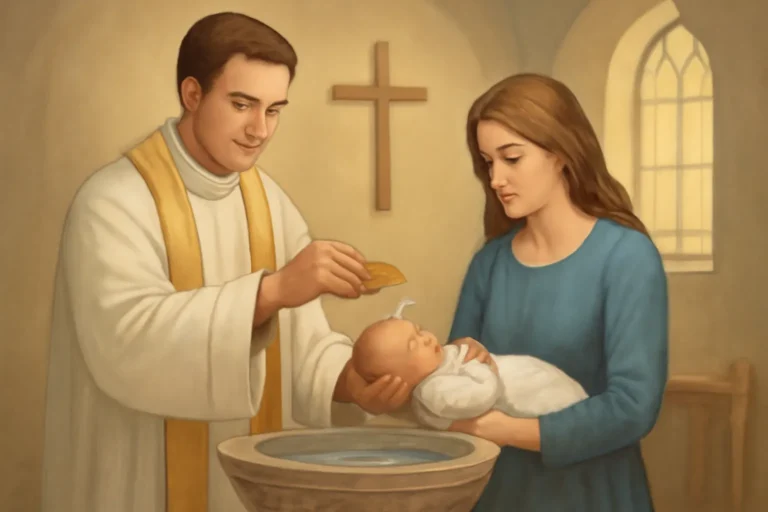
The issue of infant baptism appears with increasing clarity in the late second and third centuries and becomes a widespread practice in many parts of the church by late antiquity. Early debates focused on the necessity of baptism for salvation and the question of original sin. Some early voices argued that baptism should await a certain degree of instruction, while others emphasized the sufficiency of God’s grace applied through baptism and the church’s authority to administer it. In the Latin West, the practice of baptizing infants gained broad acceptance, supported by the belief that even newborns are in need of cleansing from sin and entrance into the covenant community. The Eastern churches also adopted infant baptism, though the pace and ritual details varied across regions.
Across the geography of the early church, catechesis and pre-baptismal instruction accelerated the shift toward infant baptism in some communities, while others prioritized baptism after a period of preparation for adult converts. This diversity reflects the decentralized nature of early Christian practice and the care of local pastors and communities for the spiritual formation of their members.
Sponsors, Public Witness, and the Ethics of Baptism
The social fabric surrounding baptism included the presence of sponsors or godparents who stood with the candidate and pledged support for faith and perseverance. Baptism was a community event that required witnesses who would vouch for the convert’s baptismal profession and commit themselves to nurturing the new Christian in faith and practice. The public character of the rite reinforced the ethical demands of Christian life—love for neighbor, readiness to endure persecution, and a shared responsibility for the vulnerable in the church and in society.
While the core meaning of baptism remained constant, regional contexts produced variations in practice, terminology, and ritual emphasis. In the East, the baptismal rite often developed alongside a stronger emphasis on the anointing with oil (chrismation) after baptism in some communities, while in the West the catechetical training and the public conversion story shaped a distinctive liturgical memory of baptism as the decisive turning point in a believer’s life. In many places, baptisms were celebrated during major feast days, particularly during the Easter vigil, when the church celebrated the Paschal mystery with renewed participation in the waters of baptism for catechumens and new converts.
Across traditions, the baptismal catechesis and the liturgy surrounding the rite formed a coherent arc: preparation, renunciation of evil, confession of faith, immersion or affusion, naming in the name of the Triune God, and the welcome into the Eucharistic fellowship. Even when regional custom varied, the underlying claims remained stable: baptism marks entry into the new life in Christ, holy belonging, and a lifelong journey of growth in grace.
The baptismal pattern established in the early centuries left a durable imprint on Christian practice. As churches grew and developed their own liturgical calendars, the basic elements of baptism—faith, repentance, cleansing, and incorporation into the church—remained central. The early writers did not only describe a ritual; they described a spiritual transformation that called believers to a life oriented toward God and to a mission of sharing the gospel with others.
The legacy of early baptism also includes the increasing articulation of a theology of grace in which baptism is the instrument through which God frees a person from sin, grants the Holy Spirit, and inducts him or her into the life of the church. This theological understanding influenced how later theologians and church authorities would treat the sacraments and their relationship to faith, as well as how baptism would interact with other rites, such as the Eucharist and confirmation in various Christian traditions.
Throughout the centuries, the church has revisited questions that the early church began to address: the proper mode of baptism, the eligibility of infants, the role of sponsors, the timing of the rite within the liturgical year, and the relationship between baptism and the forgiveness of sins. Each generation has engaged with these questions in light of its own context, yet the core claim remains: baptism is the Spirit-enabled entry into the life of Christ, the renunciation of sin, and the welcome into a people whose life is shaped by the gospel.
For students of church history and for readers seeking to understand how a simple act of water could carry such weight, the early church offers a compelling model of sacramental life that integrates faith, doctrine, and community. The realities of baptism in antiquity—its scripts, its rites, its social meaning—show how early Christians understood God’s grace at work in human life and how a single ritual could summarize the drama of Christian transformation.
In summary, the baptismal practice of the early church was both deeply rooted in biblical memory and dynamically responsive to the needs and challenges of early Christian communities. Its core elements—instruction, renunciation, profession of faith, water as cleansing, and the Spirit as empowerer—remain touchstones for Christian baptism across many traditions today. Whether through immersion, pouring, or sprinkling; whether for adults or infants, depending on historical and regional contexts—baptism in the early church consistently signified an eschatological turning point: a transition from the old age to the age of grace, from isolation to belonging, and from sin to a life of worship in the Spirit.