What Are Demonic Spirits? A Guide to Understanding Demons
In many spiritual, religious, and folkloric traditions, demonic spirits are described as
powerful, malevolent beings that influence the living world in various ways. This article offers a comprehensive guide to
understanding demons and their surrounding ideas—ranging from ancient mythologies to modern interpretations.
The goal is not to promote superstition, but to illuminate how different cultures define, encounter, and cope with what they
perceive as dangerous or disruptive forces. By exploring terminology, historical context, cultural diversity, and
contemporary perspectives, readers can gain a richer sense of what people mean when they speak about demonic entities and how those beliefs shape behavior, ethics, and community life.
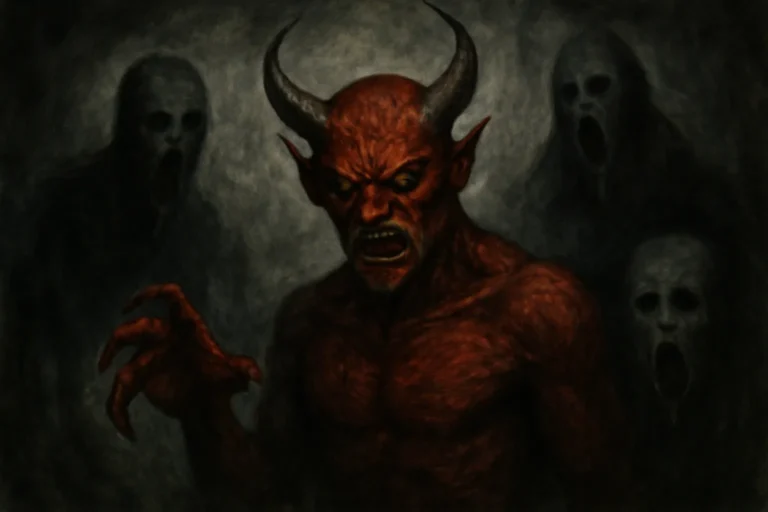
The phrase demonic spirits covers a broad set of ideas. At the most basic level, a demon is often
defined as a non-human being considered malevolent, powerful, and capable of influencing human affairs.
However, the exact nature, origin, and purpose of these beings vary dramatically across traditions. In some
contexts, demons are personal agents who tempt, possess, or torment people. In others, they function as symbolic
forces that express society’s fears about illness, poverty, war, or moral corruption. Some belief systems emphasize
their boundaries and hierarchies, while others stress their elusive, ever-changing character.
Throughout this article, the phrase what are demonic spirits is used in a flexible sense to capture both
concrete religious concepts and broader folkloric motifs. We will also encounter terms like demonology, evil spirits, possession, and spiritual warfare, which appear in multiple
civilizations with distinctive nuances.
A Brief History of Belief in Demonic Entities
Human societies have engaged with the idea of dangerous, otherworldly beings for millennia. The studies of demonology—the systematic examination of concepts about these entities—show a tapestry woven from
Scripture, myth, shamanic practice, and ethical code. Early civilizations often attributed misfortune to evil influences
that could be appeased, expelled, or contained through ritual acts.
In many traditions, the emergence of a formal framework around demonic beings tracks with the codification
of religious law and the stabilization of political authority. When communities faced existential threats—plague, famine,
invasion—they sometimes attributed the calamities to spirits of malice or to certain beings that could be
placated or constrained through ritual discipline, talismans, or communal exorcisms. Over time, these explanations
crystallized into more elaborate systems that categorized different kinds of demonic entities, described their
realms, and prescribed appropriate responses.
Terminology and Classifications: Names, Roots, and Variants
The language scholars use to discuss demonic spirits often reflects a mosaic of linguistic roots and cultural
borrowings. Below is a compact map of some common terms and their general implications. Note that definitions can shift
significantly depending on the tradition, period, and region.
Demon (from Greek daimon): A broad term that can mean a supernatural being, a malevolent spirit, or a lesser divine power. In many Christian and Western contexts, it denotes a class of evil spirits with a hierarchical order.
Jinn (Arabic: djinn): In Islamic thought, jinn are a distinct class of beings created from smokeless fire. They are moral agents, capable of good or evil, and they live in parallel to humans.
Daemon (Latinized form of daimon): Often used in classical and early modern texts to refer to a powerful spirit or guiding force, not always negative.
Asura (Indian traditions): A term used in Hindu and Buddhist contexts for powerful beings that can be malevolent or morally ambiguous, sometimes opposed to benevolent forces (devas).
Oni, oni (Japanese folklore): Often depicted as ogre-like demons that both threaten and entertain, sometimes representing internal vices or social fears.
Gui or other Chinese terms: In East Asian lore, ghosts and malignant spirits inhabit landscapes of memory and history, interacting with the living in varied ways.
Rakshasa (Indian folklore): A race of demons with shapeshifting abilities and a range of cunning or ferocious traits in myth and epic literature.
Ëlëme (varies by culture): Some regional terms reflect local mythologies about spirits who meddle in human affairs.
The idea of demonic beings evolves as languages and religious systems meet and mingle. The Greek daimon
originally carried a neutral sense of a guiding, perhaps intermediary power. In later Christian usage, demon
increasingly acquired a negative valence, becoming associated with Satanic rebellion and moral danger. In non-Christian
traditions, the same phonetic roots may refer to a broader category of powerful beings without a universal moral verdict.
These shifts demonstrate how terminology both reflects and shapes beliefs about the spiritual world.
Cultural Perspectives: How Different Traditions Describe Demonic Spirits
Exploring diverse cultural perspectives helps reveal how humans interpret fear, temptation, and misfortune. Each tradition
carves out a distinct cosmology in which demonic entities function as agents within a moral and social order.
Judeo-Christian Traditions
In many strands of Judeo-Christian thought, demons are understood as fallen angels or malevolent
spirits that oppose divine will. They may tempt humans, oppress communities, or act as enemies of righteous living. Common
themes include the struggle between light and darkness, moral testing, and the belief in spiritual warfare conducted through
prayer, faith, and ritual purity.
Islamic Perspectives
In Islamic theology, jinn are a distinct class of beings endowed with free will. Some jinn are
benevolent, others malevolent, and many occupy intermediate moral terrain. They can influence humans but are subject to
divine law. Exorcism concepts do not map one-to-one with Christian exorcism, but there are practices designed to seek
protection, healing, and deliverance from harmful influences.
South Asian and Southeast Asian Traditions
In Hindu, Buddhist, and regional folk beliefs, demonic figures often appear as manifestations of internal drives
or social anxieties. Entities like asuras, rakshasas, and similar beings may test heroes, guard sacred
spaces, or symbolize ethical choices. The emphasis can be on the moral dimension of power—what it means to wield
strength, desire, or arrogance—and the rituals that restore balance within a community.
East Asian Folklore and Ancestral Spirits
Chinese and Japanese traditions frequently portray malevolent spirits as remnants of unresolved grievances or
transgressions against ritual norms. In these stories, the living address harm through offerings, rites, and proper conduct.
Some spirits are understood as restless ancestors who require care, while others are described as dangers that must be deterred.
African and Diasporic Traditions
Across many African and Afro-diasporic belief systems, demonic forces appear in myths about illness, misfortune,
and spiritual protection. Practices such as ritual cleansing, protective amulets, and community-led exorcism-like rites reflect
a holistic view of health, ethics, and social harmony.
Mechanisms and Roles: How Demonic Spirits Are Said to Work
People describe demonic spirits in a variety of ways, depending on the social context and the perceived problem.
Below are several common mechanisms discussed in religious, folkloric, and psychological discourses.
Possession: A belief that a demonic entity temporarily inhabits a person or animal, altering thoughts,
feelings, or behavior. Possession narratives often lead to ritual interventions intended to restore agency and dignity to the
person affected.
Temptation: A process by which a evil spirit presents desires or choices that challenge ethical norms,
tempting people to violate their values. This frame emphasizes moral testing rather than physical control.
Influence and disturbance: Subtle or overt interference in dreams, decision-making, or relationships. The aim may be
to cause fear, confusion, or social disruption rather than overt possession.
Protection and boundary setting: In many traditions, the presence of ademonic entity is a call for protective
rituals, clean living, and strengthened communal boundaries to prevent harm from entering a space or a life.
Hierarchical order: Some systems describe a hierarchy among demons, with ranks or departments responsible for different
kinds of harm (e.g., temptation, possession, illness). This helps organize ritual response and theological explanation.
Across cultures, the response to demonic affliction often includes ritual acts aimed at cleansing, healing, and
restoring social order. Methods vary widely but share a common aim: to reduce harm, restore autonomy, and reaffirm ethical
commitments. Examples include prayers, chants, laying-on-of-hands, blessed objects, fasting, and community-led cleansing rites.
In some traditions, professionals such as priests, shamans, or healers lead these procedures, while in others laypeople participate
through shared ritual life.
Demonic Entities in Myth, Folklore, and Literature
The figure of the demon is a staple of mythic storytelling and modern fiction. In ancient epics and religious texts,
demons often function as tests of virtue, catalysts for tragedy, or mirrors of human flaws. In contemporary novels, films, and video
games, these beings appear in a wide array of forms—from terrifying antagonists to morally complex characters whose actions reveal
deeper psychological or social themes.
Beelzebub and other arch-demons in Christian-inspired traditions, often representing pride, temptation, or ultimate rebellion.
Legion (Biblical reference): A collective entity that embodies the idea of a group threat and the fragility of individual autonomy.
Rakshasa and asura in South Asian epics, which emphasize power, deceit, and moral ambiguity.
Fictional modern incarnations frequently reinterpret demonic forces as sources of internal conflict—fear, guilt, ambition—rather than purely external threats.
Across genres, the demon becomes a instrument for exploring human struggle. Writers and filmmakers often use this figure to
probe questions of free will, responsibility, social order, and the limits of power. The result is a vibrant cross-pollination
between spiritual lore and popular culture that keeps the subject alive in public imagination.
Psychological and Social Interpretations: Modern Lenses on Demonic Beliefs
In contemporary discourse, demonic phenomena are often analyzed through the lenses of psychology, neuroscience,
sociology, and anthropology. This approach does not dismiss spiritual meanings but seeks to understand how people
construct such beliefs and how those beliefs affect behavior and communities.
Psychological Perspectives
Some psychologists view claims of possession or demonic influence as expressions of inner psychological processes—unresolved
trauma, dissociation, or intense stress. Archetypal theories, such as Carl Jung’s notion of the shadow, interpret demons as
projections of the self’s dark aspects. From this angle, encounters with demonic figures can be read as symbolic
experiences that reveal needs for healing, integration, and self-understanding.
Sociocultural and Anthropological Views
Anthropologists note that beliefs about demons often serve social functions: they codify norms, explain misfortune, reinforce
ethical codes, and provide a framework for collective action in crisis. In some communities, the fear of evil spirits helps
deter harmful behavior and promotes communal care. Rituals and rites surrounding demons often double as social glue, offering
shared language for grief, guilt, and moral repair.
Critical and Skeptical Perspectives
Critical approaches emphasize the role of power, ideology, and interpretation. They remind readers to distinguish between
religious experience and sensational media representations. Skeptical inquiry asks for careful evidence, clear definitions,
and respect for the beliefs of others while analyzing how concepts of demonic danger shape policy, law,
and personal life.
Demons in the Modern World: Culture, Media, and Everyday Life
Today’s culture continuously reimagines demonic entities in art, entertainment, and discourse. The
persistent presence of demonic imagery in movies, television, video games, and online narratives demonstrates how
ancient motifs continue to resonate. Some people encounter these ideas as spiritual practice, others as metaphor, and
many as a blend of both.
Pop culture portrayals: Demons are often depicted with mythic power, seductive temptations, or terrifying menace, which
can shape popular understandings of morality, fear, and temptation.
Contemporary religion: Some faith communities maintain traditional rites while adapting them to modern concerns—mindfulness
of mental health, consent, and human rights—as they address spiritual struggles.
Ethical considerations: Debates about possession, exorcism, and spiritual authority raise important questions about autonomy,
respect for persons, and the use of ritual power in a diverse society.
How to Approach the Topic Responsibly: A Practical Guide
If you are studying or discussing demonic phenomena, a careful, respectful approach helps ensure that conversations are
informative, not sensational. The following guidelines can help readers explore this topic with intellectual honesty and
cultural sensitivity.
Differentiate between belief systems and empirical claims. Recognize that stories about demons often reflect
symbolic meanings as well as reported experiences.
Consult primary sources: When possible, read religious texts, ritual manuals, and ethnographic fieldwork from the culture
you are studying, rather than relying solely on popular media.
Be mindful of context: Understand the historical, social, and political environment in which beliefs about demons arise.
Acknowledge diversity: Do not generalize from a single tradition to all peoples or all times. Demonology differs across
communities and epochs.
Respect belief and practice: For many people, devotional rituals and protective rites are sacred. Discuss them with
care and avoid demeaning language.
Separate myth from science: When discussing mental health or pathology, rely on qualified clinical perspectives and avoid
conflating medical conditions with supernatural explanations without evidence.
Common Misconceptions About Demonic Spirits
Demons are merely symbolic; real experiences aren’t real: For many practitioners, narratives of demons are meaningful cosmologies that
guide behavior and ethics, regardless of their empirical status.
All demons are the same across cultures: There is remarkable variety in how beings are named, described, and engaged with, reflecting
local values, fears, and hopes.
Exorcism is always dangerous or coercive: In many communities, exorcistic or deliverance practices are conducted with consent,
care, and medical or pastoral oversight.
Belief in demons implies irrationality: Belief systems about malevolent beings often respond to real-life concerns—suffering,
injustice, and vulnerability—while offering structured means to cope and seek healing.
Ethical Reflections: Respect, Safety, and Inquiry
Engaging with the topic of demonic spirits invites ethical reflection. People’s beliefs about these entities are tied to their
identities, communities, and life histories. Researchers, educators, and writers should aim for accuracy, avoidance of sensationalism,
and a posture of humility when discussing beliefs they do not share. When discussing rituals, it is prudent to emphasize consent, safety,
and the dignity of those who participate in religious life.
Putting It All Together: A Balanced View
Demonic spirits appear in diverse forms across the world’s cultures, and they function as a mirror for
collective fears, moral questions, and the complexities of human experience. By examining their linguistic roots, historical
development, cross-cultural variations, and modern reinterpretations, we gain a holistic understanding that respects both
tradition and critical inquiry. Whether encountered in scriptural study, fieldwork, literary fiction, or contemporary media,
the concept of demonic danger remains a powerful symbol of the struggle between order and chaos, between
impulse and restraint.
Further Reading and Resources
For readers seeking deeper insights, consider exploring primary religious texts, ethnographic studies, and scholarly works on demonology, religious history, and psychology. Look for sources that provide:
Contextual analysis that situates beliefs within specific communities and time periods
Cross-cultural comparisons that highlight similarities and differences
Clear distinctions between myth, ritual practice, and reported personal experience
Critical discussions about the ethics of ritual power, healing, and community safety
By approaching the subject with curiosity and respect, readers can navigate the rich landscape of how people conceive demonic beings, why these beliefs endure, and how they influence art, law, health, and everyday life.