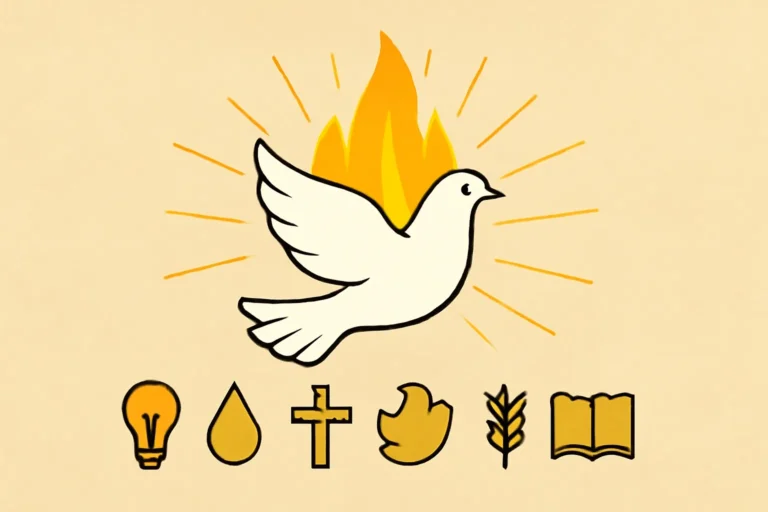
The Seven Gifts of the Holy Spirit represent a classic framework in Christian teaching for growth in faith and virtue. These gifts are not simply abstract ideas; they are, in the language of the Church, divine enablements that come from the Holy Spirit to help believers live in harmony with God’s will. In this article, we explore the meaning of the seven gifts in depth, tracing their roots in Scripture, unpacking what they do in a person’s life, and offering practical ways to cultivate them in daily practice. The subject is sometimes described as the sevenfold “giftedness” that accompanies the Christian journey, often referred to as the seven gifts of the Holy Spirit meaning for steadfast living, moral discernment, and hopeful courage. Readers will encounter variations of wording that signal the same idea: these are divine equips for holiness, not merely human talents.
Wisdom, in the context of the Holy Spirit, is divine insight that enables a person to see realities from God’s perspective. It goes beyond cleverness or learned judgment; it is a way of perceiving the world in light of eternity. The gift of wisdom helps believers discern what is truly good, what is lasting, and what best advances God’s plan. In Catholic and broader Christian thought, wisdom is often described as the ability to love what God loves and to hate what God hates, because moral decisions are grounded in a godly orientation rather than mere practicality.
Scriptural language for this gift emphasizes seeing life through the eyes of God. While human experience is valuable, the Gift of Wisdom elevates that experience by placing it within the framework of divine purposes. This is why wisdom often appears as the ability to prioritize long-range goods—eternal goods—over short-term gains.
How it manifests in everyday life
Prioritizing values that align with God’s kingdom, even when they conflict with cultural norms.
Making choices that reveal a mature trust in God’s plan, especially during uncertainty.
Seeking the right end of a matter rather than merely the easiest or most profitable route.
Evaluating complex situations with a posture of humility, recognizing that God’s wisdom surpasses human judgment.
Practical steps to cultivate
Engage in regular prayer that invites God to illuminate choices with divine perspective.
Study Scripture with attention to how God’s wisdom is expressed in Jesus’ teaching and in the lives of the saints.
Seek wise counsel from trusted mentors and spiritual directors to test decisions against faith values.
Practice pauses before important choices, asking, “What would God want in this moment?”
Understanding — the Gift of Illumination and Clairvoyant Comprehension
Meaning and Scriptural Basis
Understanding is the gift that moves a person from knowing facts to grasping the deeper meanings of divine truths. It is not merely intellectual assent; it allows a believer to comprehend how revelations fit together, how God’s plan unfolds in history, and how Christian doctrine informs daily living. In many theologians’ vocabulary, understanding is the capacity to see “the heart” of revealed mysteries and to anticipate implications that are not immediately obvious.
Seeing connections between Scripture passages, life events, and God’s promise.
Growing in the ability to explain faith ideas clearly to others while remaining faithful to truth.
Experiencing a sense of coherence in difficult experiences as more of God’s plan is laid bare.
Holding together faith and reason in a way that strengthens conviction rather than eroding it.
Practical steps to cultivate
Engage in reflective Bible study that asks, “What does this teach me about God’s nature and God’s plan?”
Participate in lectures, catechesis, or small-group discussions that deepen doctrinal understanding.
Practice journaling about the ways that faith intersects with daily experience.
Ask for spiritual direction to help map out the implications of faith truths in personal life.
Counsel — the Gift of Right Judgment
Meaning and Scriptural Basis
Counsel, sometimes called right judgment, is the Spirit’s aid in choosing wisely at the junctures of life. It includes the ability to discern the proper course of action in a given situation and to offer
strong, prudent guidance to others. The gift of counsel helps avoid reckless or self-serving decisions and encourages paths that honor God and protect the common good. In biblical language, counsel is connected to discernment in the heart, with a posture that seeks truth and humility before God.
How it manifests in daily life
Making prudent decisions under pressure, balancing courage with caution.
Providing thoughtful, morally sound advice to family, friends, and colleagues.
Recognizing when to seek additional input or postpone a decision for greater discernment.
Promoting reconciliation and charity when conflicts arise.
Practical steps to cultivate
Pray for a heart that seeks God’s will for others as much as for oneself.
Practice listening before advising; try to understand all sides of a situation.
Consult diverse, trustworthy voices—spiritual guides, mentors, and wise peers.
Learn techniques of discernment, such as examining motives, examining consequences, and seeking signs of peace in a plan.
Fortitude — the Gift of Courage and Endurance
Meaning and Scriptural Basis
Fortitude, or courage, is the Spirit’s gift that empowers a believer to stand firm in faith and to endure trials with hope. This isn’t a call to fanatical fearlessness; rather, it is a steady, persevering strength that sustains a person through hardship, temptation, and persecution, all for the sake of righteousness. The gift of fortitude invites a bold fidelity to God even when the path is difficult.
How it manifests in daily life
Enduring temptation and resisting sin with resolve grounded in God’s grace.
Facing professional, educational, or relational challenges with steadiness and hope.
Speaking truth courageously while remaining charitable and wise in tone.
Persevering in faith communities, especially during times of trial.
Practical steps to cultivate
Develop a habit of daily prayer that reinforces trust in God’s strength.
Engage in small, courageous acts—macing choices that align with conscience even when unpopular.
Build supportive communities that encourage steadfastness and accountability.
Practice confession and repentance as a source of spiritual resilience.
Knowledge — the Gift of Spiritual Awareness and Insight into God’s Plan
Meaning and Scriptural Basis
Knowledge, in the biblical sense, refers to more than factual information. It is a keen awareness of God’s actions in creation and a discerning recognition of how to live in response to divine revelation. The gift of knowledge helps believers see how God’s plan unfolds in history, how moral choices connect to God’s purposes, and how to align life with the gospel narrative.
How it manifests in daily life
Seeing the bigger picture when plans or projects seem chaotic.
Recognizing God’s fingerprints in ordinary events and miracles alike.
Acting in ways that reflect a deeper grasp of God’s mercy and justice.
Balancing personal ambitions with the needs of others and the community.
Practical steps to cultivate
Study moral theology, Catholic social teaching, or faith-informed ethics to ground decisions in doctrine.
Practice examining daily experiences for signs of God’s activity and guidance.
Engage in acts of service that reveal how knowledge translates into action for the common good.
Seek mentors who help interpret life events through the lens of faith.
Piety — the Gift of Reverence and Loving Devotion
Meaning and Scriptural Basis
Piety, sometimes described as reverence or devotion, is the Spirit’s gift that fosters a filial relationship with God. It is a disposition of love, gratitude, and trust that tunes the heart toward God as a Father and toward neighbor as kin. The gift of piety strengthens worship, prayer, and service, turning religious acts into authentic intimacy with the Divine.
How it manifests in daily life
Faithful worship that feels like relationship rather than obligation.
Warm, respectful treatment of others as members of the same family in Christ.
Joyful participation in church life, sacraments, and spiritual practices.
Consistent generosity and service as expressions of love for God and neighbor.
Practical steps to cultivate
Ritualize daily prayer and sacred moments—breathing room for relationship with God.
Attend to liturgical life, sacraments, and devotional practices that nurture devotion.
Practice gratitude, thanking God for everyday gifts and for the community of faith.
Serve others in ways that reflect a humble and affectionate love for God.
Fear of the Lord — the Gift of Awe and Reverence
Meaning and Scriptural Basis
Fear of the Lord is often described as a deep sense of reverence and awe before God—a recognition of God’s majesty, holiness, and justice that leads to a life oriented away from sin. This gift does not mean being afraid of God as a tyrant; rather, it is a healthy fear that inspires humble obedience and a longing to please God. The seventh gift helps sustain moral seriousness and fidelity to divine commandments.
How it manifests in daily life
If fear of the Lord guards against complacency and lax moral habits.
Motivates a lifelong commitment to growth in virtue and holiness.
Prevents despair by placing life under God’s loving authority.
Fosters a evangelistic seriousness about sharing the gospel with others.
Practical steps to cultivate
Spend time in prayerful contemplation of God’s holiness and justice.
Review conscience and routine actions to ensure alignment with God’s will.
Seek reconciliation and forgiveness when failing, letting humility restore the relationship with God.
Invite accountability from trusted spiritual friends who encourage virtue rather than blame.
Interplay and Practical Integration — how the seven gifts cooperate in a believer’s life
Living a coherent faith journey
While each gift has its distinctive emphasis, the true strength of the Seven Gifts of the Holy Spirit meaning emerges when they work together. Wisdom guides decisions with a God-centered horizon, Understanding clarifies the truth behind those decisions, Counsel provides prudent pathways, Fortitude sustains us through trouble, Knowledge connects actions to God’s plan, Piety deepens love and worship, and Fear of the Lord roots everything in reverence. Together, they form a robust spiritual architecture for personal growth, family life, and community mission.
Community implications
In family life, the gifts help parents model virtue, teach faith, and guide children with compassionate authority.
In workplace and civic life, they enable ethical leadership, honest communication, and courageous service.
In church life, they sustain mission, outreach, and pastoral care through a shared fountain of grace.
Beyond individual virtue
Understanding the sevenfold gifts in a holistic way can reframe how communities approach catechesis, prayer life, and service. They provide a language for spiritual growth that is both aspirational and practical. For people seeking to grow in faith, the meaning of the seven gifts becomes a map for personal reform, communal reconciliation, and a more faithful witness to the gospel.
Frequently Asked Questions about the Seven Gifts
What is the official list of the seven gifts?
The traditional list includes wisdom, understanding, counsel, fortitude, knowledge, piety, and fear of the Lord. Different Christian traditions use slightly different terminology or emphases, but the core concept remains the same: divine enablements given to believers by the Holy Spirit to live a life of holiness and service.
Are these gifts the same as spiritual gifts like prophecy or tongues?
They are related but distinct. The seven gifts describe the Spirit’s general dispositions that enable moral and spiritual growth, while other lists of spiritual gifts (such as prophecy, healing, or tongues) describe particular abilities given for service in the church. The seven gifts are often seen as a foundation that makes it possible to exercise other charisms fruitfully and responsibly.
How can a person grow in these gifts?
Growth typically comes through prayer, participation in the sacraments, study, spiritual direction, and practical acts of virtue. A pastor or spiritual director can help tailor a plan for developing one or more gifts according to a person’s temperament and life situation.
Can these gifts fade or grow stronger over time?
In Catholic understanding, the gifts can be strengthened through cultivation and diminished by neglect or sin. Regular prayer, confession, communal worship, and service to others tend to deepen them, while persistent disobedience or disengagement from grace can dull their effectiveness.
Do other Christian traditions acknowledge these seven gifts?
Many Christian traditions recognize the concept of spiritual gifts inspired by the Holy Spirit, though the exact enumeration and emphasis may differ. The general idea—spiritual endowments that help believers live out their faith with virtue and courage—appears across historical and denominational lines.